Introduction to Kanite Board
In the rapidly evolving world of construction, the demand for sustainable and innovative materials is ever-increasing. Among the many groundbreaking materials introduced to the industry, Kanite board stands out as a beacon of progress and sustainability. But what exactly is Kanite board, and why is it making waves in the construction sector?
Origins and Composition of Kanite Board
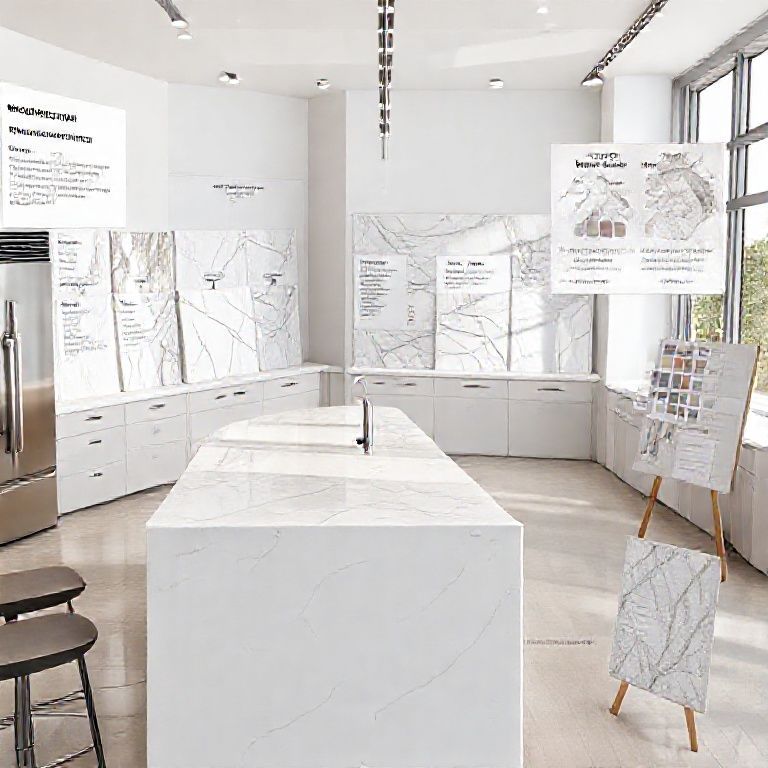
Kanite board is a cutting-edge composite material derived from natural resources. The primary ingredients include a blend of organic fibers, such as hemp and bamboo, combined with a bio-based resin. This unique composition not only ensures the material’s eco-friendliness but also enhances its durability and strength.
Kanite board’s manufacturing process is designed to minimize environmental impact. Unlike traditional building materials that rely heavily on fossil fuels, Kanite board is produced using renewable resources. This results in a significantly lower carbon footprint, making it a highly sustainable choice for modern construction projects.
Unique Properties of Kanite Board
One of the most remarkable aspects of Kanite board is its superior strength-to-weight ratio. Despite being lightweight, Kanite board boasts impressive structural integrity, comparable to, if not exceeding, that of conventional materials like wood and steel. This makes it an ideal choice for various construction applications, from residential buildings to commercial complexes.
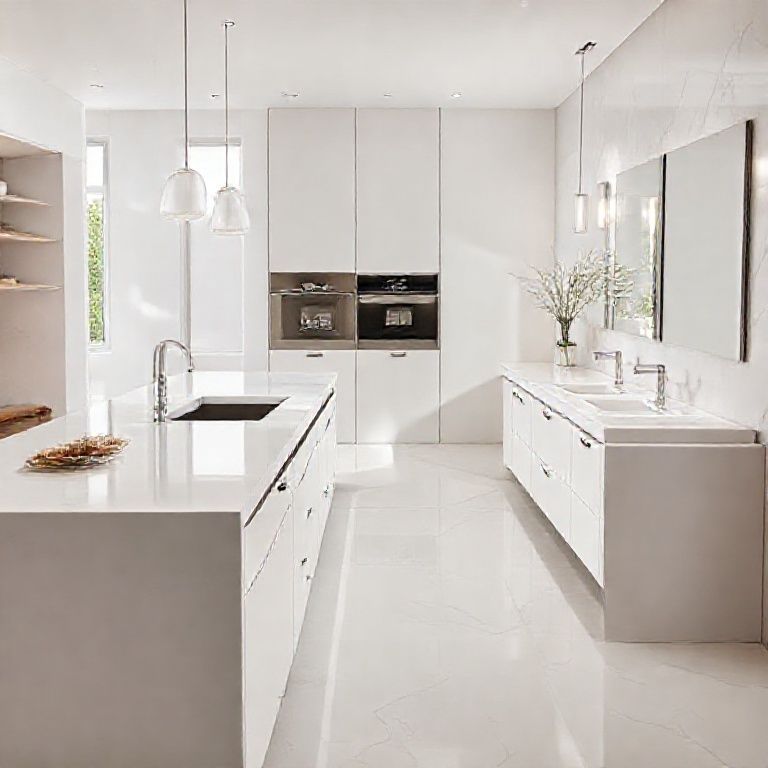
Another standout feature is its thermal and acoustic insulation capabilities. Kanite board has natural insulating properties that help in maintaining a stable indoor climate, thereby reducing the need for excessive heating and cooling. This not only enhances the comfort of the occupants but also contributes to energy savings and lower utility bills.
Benefits of Using Kanite Board in Construction
The adoption of Kanite board in construction projects brings a multitude of benefits, both for the environment and for the builders themselves. Let’s explore some of the key advantages:
1. Sustainability
Kanite board is produced using renewable resources and is biodegradable, ensuring that it does not contribute to landfill waste. Its production process also emits fewer greenhouse gases compared to traditional building materials. This makes Kanite board a crucial component in achieving sustainable and eco-friendly construction practices.
2. Cost-Effectiveness
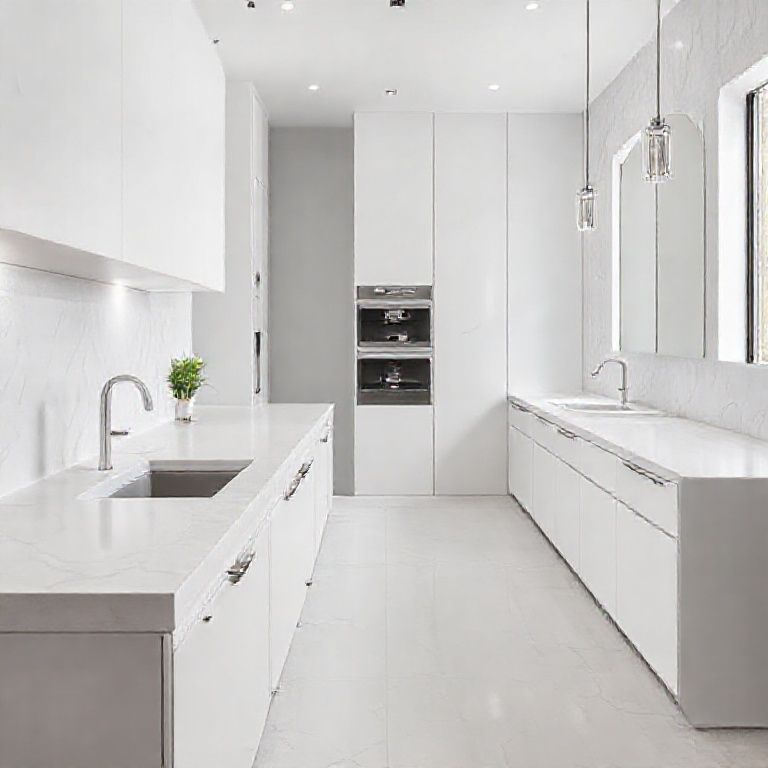
While the initial cost of Kanite board may seem higher than conventional materials, its long-term benefits often result in significant cost savings. The material’s durability reduces the need for frequent repairs and replacements, which can be a major expense over the lifespan of a building. Additionally, the energy efficiency provided by Kanite board’s natural insulation can lead to lower operational costs.
3. Versatility
Kanite board’s versatility makes it suitable for a wide range of construction applications. Whether it’s used for structural components, flooring, wall panels, or even decorative elements, Kanite board can be customized to meet specific project requirements. This flexibility allows architects and builders to innovate and create unique designs while maintaining high-quality standards.
4. Safety
Kanite board’s composition ensures that it is non-toxic and free from harmful chemicals. This makes it a safe choice for both construction workers and building occupants. Additionally, its high strength means it can withstand various environmental conditions, including fire, pests, and moisture, providing an added layer of safety to the structure.
5. Aesthetic Appeal
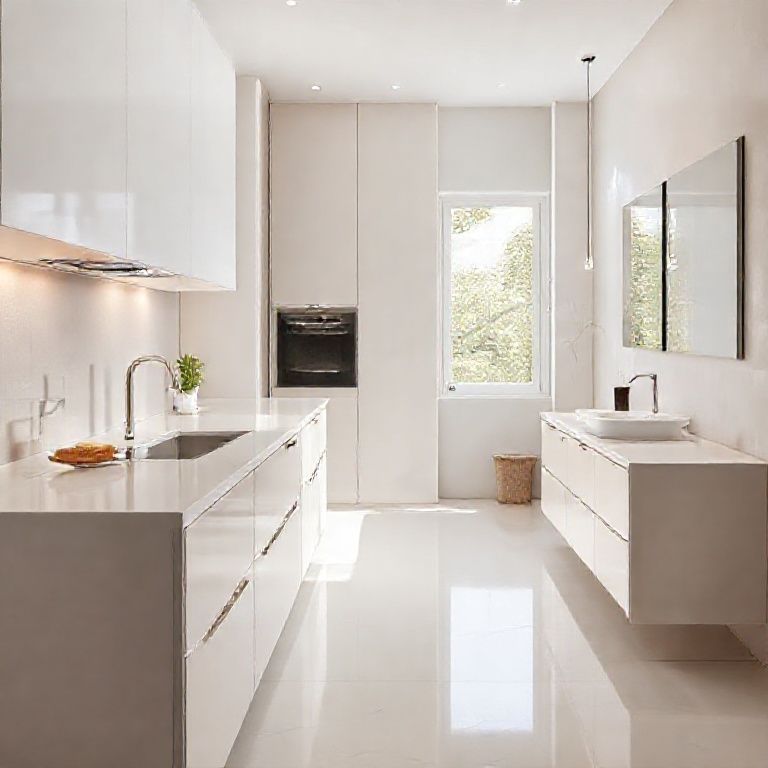
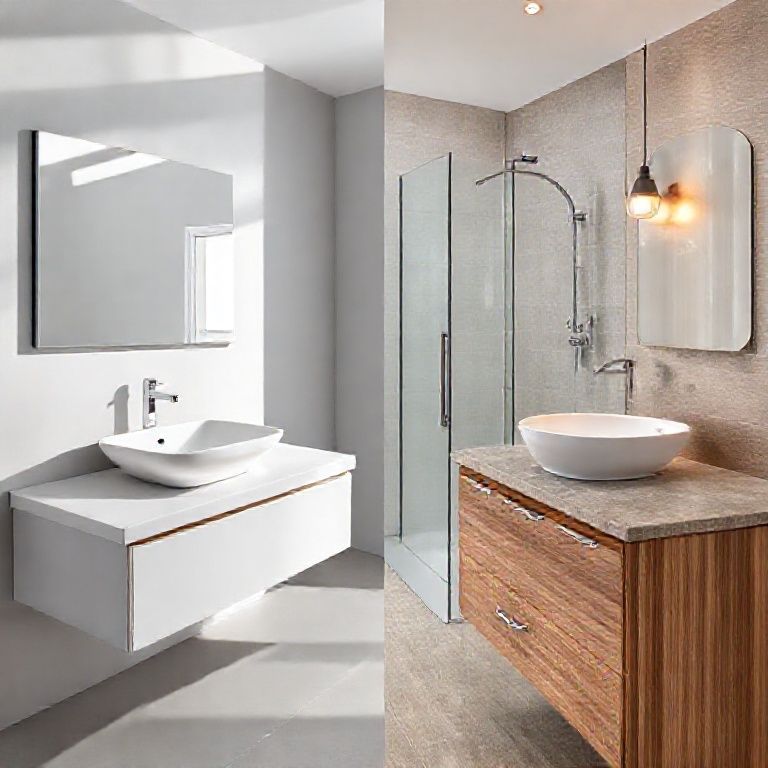
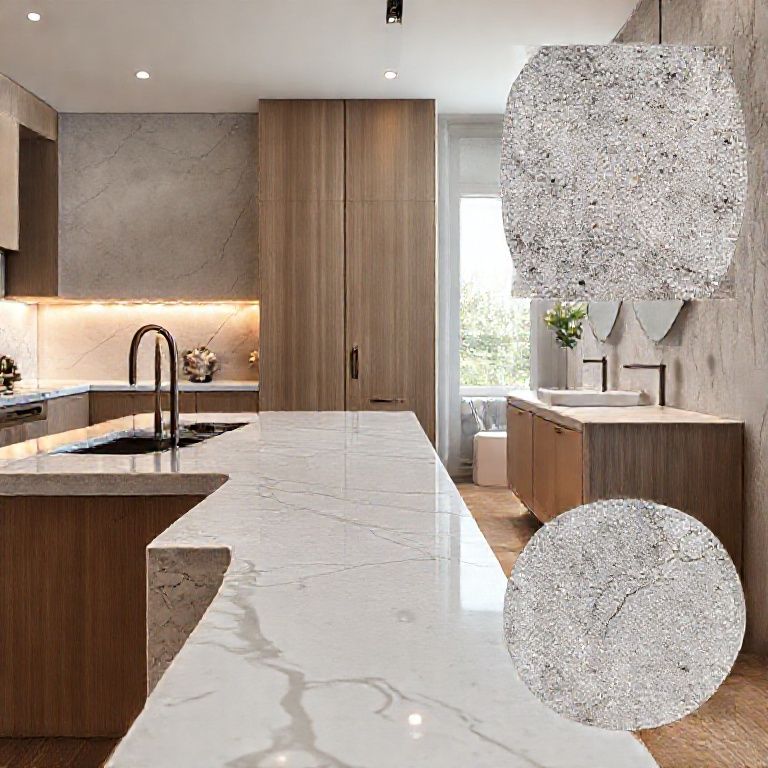
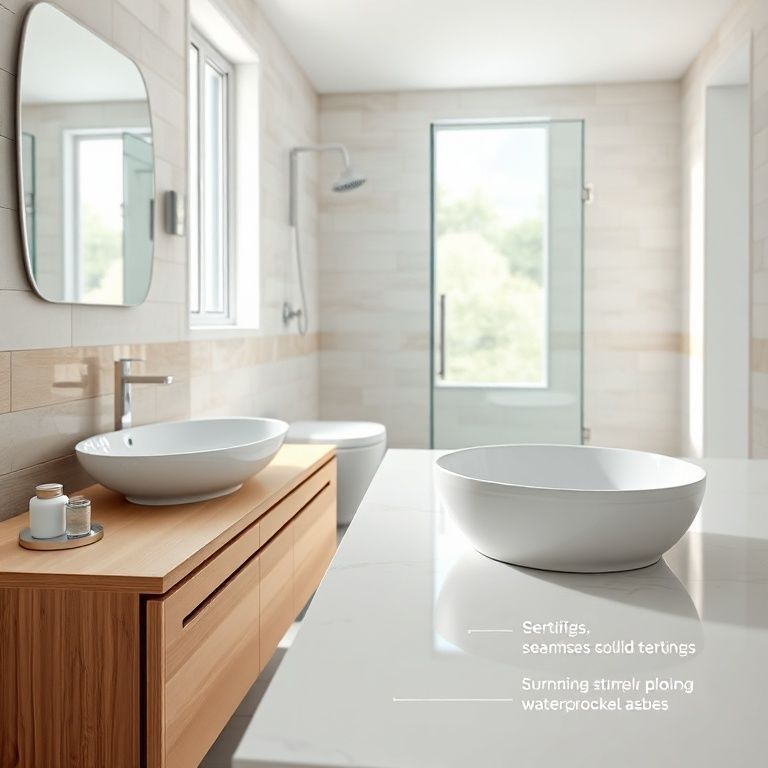
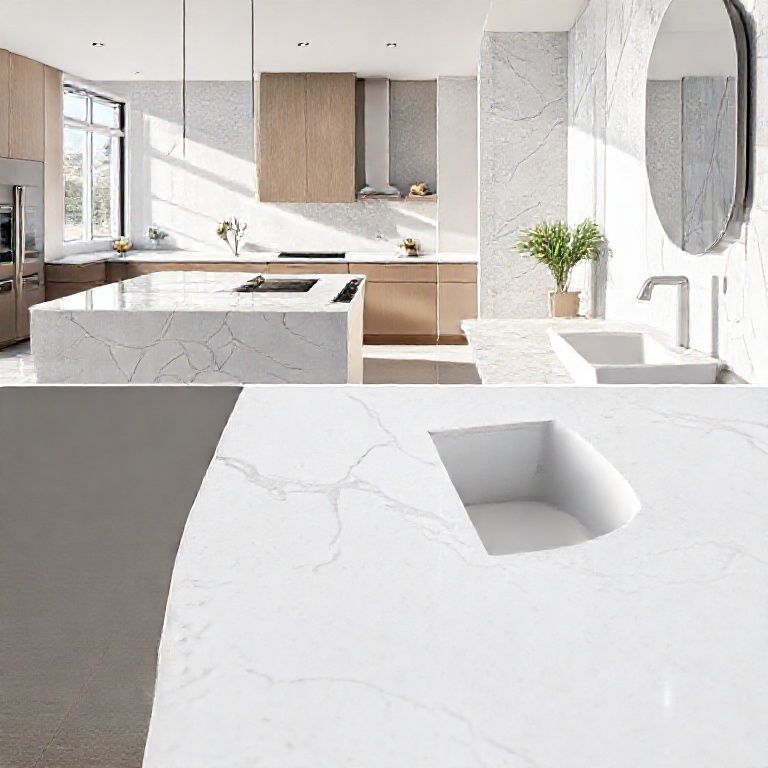
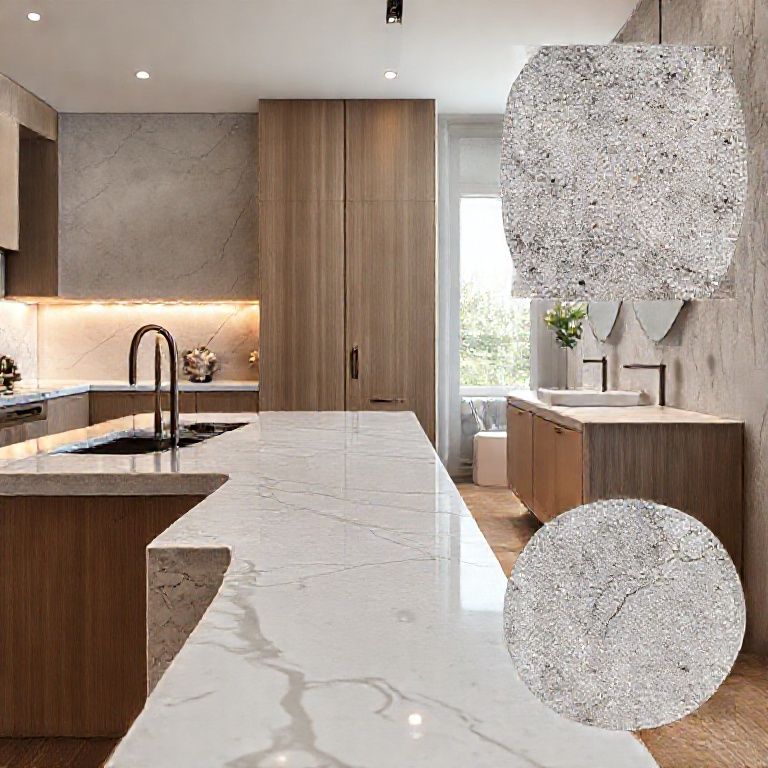
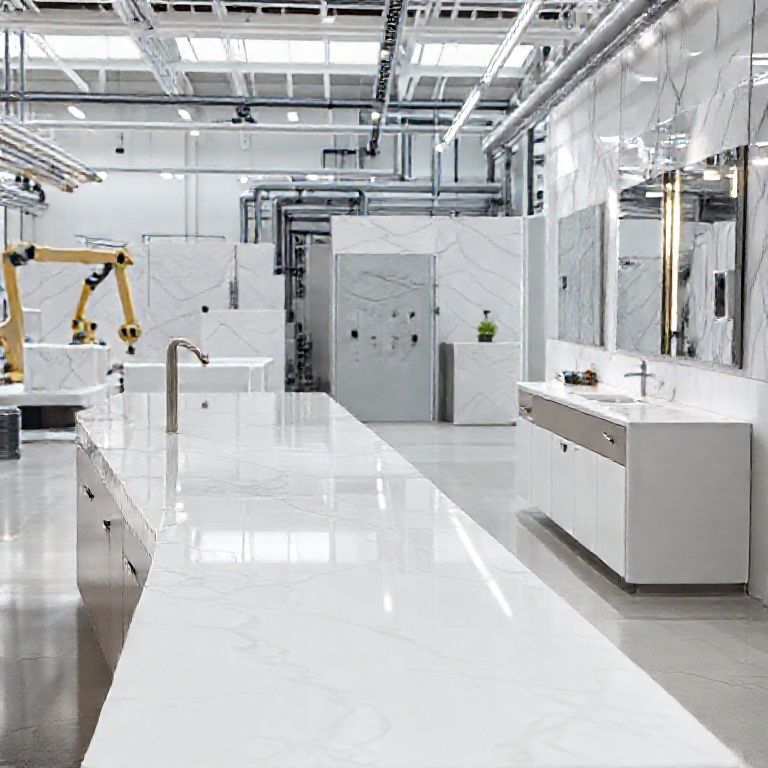
Kanite board offers a natural and aesthetically pleasing appearance that complements various architectural styles. Its texture and color can be tailored to fit the design vision of a project, providing a modern and elegant look that enhances the overall appeal of the building.
Conclusion
Kanite board represents a significant leap forward in the construction industry, offering a sustainable, cost-effective, and versatile solution for modern building needs. Its unique properties and benefits make it a material of choice for architects, builders, and environmentally-conscious individuals. As we move towards a future that prioritizes sustainability and innovation, Kanite board stands out as a pioneering material that embodies these principles.
In the next part of this series, we will delve deeper into the applications of Kanite board in various sectors, its comparison with other sustainable materials, and future prospects in the construction industry.
Applications and Future Prospects of Kanite Board
Having explored the origins, properties, and benefits of Kanite board, it’s time to examine its diverse applications across various sectors and discuss its future prospects in the construction industry. Kanite board’s versatility and sustainability make it an ideal candidate for numerous innovative projects.
Applications of Kanite Board in Different Sectors
1. Residential Construction
In residential construction, Kanite board is used for a variety of purposes, including flooring, wall panels, and structural components. Its natural appearance and durability make it perfect for creating eco-friendly homes. The insulation properties of Kanite board help in maintaining a comfortable indoor climate, reducing the need for additional heating and cooling systems.
2. Commercial Buildings
Commercial buildings, such as offices, shopping malls, and hotels, benefit greatly from Kanite board’s versatility and strength. It can be used for interior walls, flooring, and even exterior cladding. The material’s resistance to moisture and fire makes it suitable for high-traffic areas, ensuring long-lasting and safe environments for occupants.
3. Public Infrastructure
Public infrastructure projects, including schools, hospitals, and public transportation hubs, can greatly benefit from Kanite board’s sustainable properties. Its low maintenance requirements and durability make it an excellent choice for long-lasting, low-cost infrastructure that serves communities effectively.
4. Green Building Projects
Kanite board is a preferred choice for green building projects that aim to minimize environmental impact. Its use in green roofs, sustainable homes, and eco-friendly offices contributes to reducing carbon footprints and promoting biodiversity. The material’s renewable resources and low emissions align with the principles of green building, making it a sustainable option for environmentally-conscious projects.
Comparison with Other Sustainable Materials
While Kanite board is an exceptional sustainable material, it is often compared with other eco-friendly alternatives in the construction industry. Let’s compare Kanite board with some of these materials:
1. Bamboo
Bamboo is another popular sustainable material known for its rapid growth and strength. However, unlike Kanite board, bamboo can be susceptible to pests and requires more intensive maintenance. Kanite board, on the other hand, offers superior durability and resistance to environmental factors, making it a more reliable long-term solution.
2. Straw
Straw is a low-cost, renewable material used in construction. However, it lacks the strength and versatility of Kanite board. Straw bales are often used for insulation but may not be suitable for load-bearing structures. Kanite board’s structural integrity and adaptability make it a superior choice for a wider range of applications.
3. Hempcrete
Hempcrete, made from hemp fibers and lime, is a well-known sustainable building material. While it offers good insulation and low environmental impact, its production can be less efficient compared to Kanite board. Kanite board’s advanced manufacturing process ensures higher quality and consistency, along with better performance in various construction scenarios.
Future Prospects and Innovations
As the construction industry continues to evolve, the future prospects for Kanite board are incredibly promising. Several innovations and advancements are on the horizon that will further enhance its capabilities and applications.
1. Advanced Manufacturing Techniques
With advancements in manufacturing technology, the production processes for Kanite board are becoming more efficient and eco-friendly. Innovations in composite material technology will likely lead to even stronger and more versatile versions of Kanite board, expanding its use in more demanding construction projects.
2. Customization and Design
Future developments will allow for greater customization of Kanite board to meet specific architectural and functional requirements. Innovations in surface treatments and finishes will provide architects and designers with more options to create unique and aesthetically pleasing structures while maintaining high-quality standards.
3. Integration with Smart Technology
The integration of Kanite board with smart building technologies is another exciting prospect. Future buildings could incorporate Kanite board as part of a smart infrastructure, enhancing energy efficiency, and providing advanced monitoring and control systems for optimal building performance.
4. Global Adoption
As awareness of sustainable construction practices grows, Kanite board is likely to see increased adoption worldwide. Its benefits in terms of sustainability, cost-effectiveness, and versatility make it an attractive option for builders and architects globally. The material’s potential to contribute to sustainable development goals will drive its expansion into new markets.
Conclusion
Kanite board represents a significant advancement in the realm of sustainable construction materials. Its unique properties, versatile applications, and numerous benefits make it a transformative innovation in modern architecture. As we continue to prioritize sustainability and innovation in construction, Kanite board stands out as a material that not only meets current needs but also paves the way for a greener, more sustainable future.
The future of construction is bright with materials like Kanite board leading the way towards a more sustainable and innovative built environment. Its impact will be felt across various sectors, contributing to a future where construction practices are not only efficient but also kind to our planet.
1. 绿色建筑的推动力
可耐板(Kanite Board)作为一种环保材料,在推动绿色建筑方面发挥着重要作用。随着全球对环境保护和可持续发展的重视,建筑业正在从传统的材料向更加环保的方向转变。可耐板的低碳排放、可再生原料和高效能的特点,使其成为实现绿色建筑目标的理想选择。
2. 能源效率和节能设计
由于其优异的隔热和隔音性能,可耐板在节能设计中具有显著优势。在建筑物的隔墙、地板和天花板中使用可耐板,可以有效降低室内温度的波动,从而减少空调和取暖设备的能源消耗。这不仅有助于降低建筑的运营成本,还能显著减少建筑物的碳足迹。
3. 减少建筑废弃物
传统建筑材料如混凝土、砖和石材在使用和回收过程中会产生大量废弃物。而可耐板由于其可再生和可回收的特性,可以显著减少建筑废弃物。在建筑项目的结束时,可耐板可以被回收再利用,或者在自然环境中分解,从而减少对土地的污染。
4. 健康和舒适性
除了环保性能,可耐板还对室内空气质量和居住者的健康有积极影响。由于其材料成分天然,不含有害化学物质,使用可耐板的建筑物往往空气更清新,减少了室内污染源。这对于长期居住在其中的人们来说,有助于提升生活质量和健康水平。
5. 创新设计的可能性
可耐板的灵活性和多样性使其在建筑设计中具有巨大的创新潜力。建筑师和设计师可以利用可耐板的独特性质,创造出更加美观、功能性和可持续的建筑设计。无论是现代简约风格还是传统复古风格,可耐板都能够适应并提升设计效果。
6. 政策和市场的支持
随着全球对环境问题的关注日益增加,许多国家和地区都在制定相关政策,鼓励和支持可持续建筑材料的使用。提供的补贴、税收减免以及绿色建筑认证等措施,都有助于推动可耐板在建筑业的应用。
可耐板(Kanite Board)作为一种新兴的、环保的建筑材料,展现了广阔的应用前景和巨大的潜力。其在节能、环保、健康和设计创新等方面的优势,使其成为现代建筑业的重要组成部分。随着技术的进步和市场需求的增长,相信可耐板将在未来的建筑设计和可持续发展中扮演更加重要的角色,为我们创造一个更加绿色和健康的生活环境。
如果你对可耐板有更具体的问题或需要更深入的信息,欢迎继续提问。