Part 1
Can You Safely Clean Quartz Countertops with 84 Disinfectant?
When it comes to maintaining the pristine beauty and functionality of your kitchen or bathroom countertops, understanding the best cleaning practices is paramount. Quartz countertops, known for their durability, strength, and aesthetic appeal, are a popular choice among homeowners. However, the question remains: can you safely clean quartz countertops with 84 disinfectant, a commonly used household cleaning agent? This article delves into the specifics of using 84 disinfectant on quartz surfaces, exploring its safety, effectiveness, and the best alternative cleaning methods.
Understanding Quartz Countertops
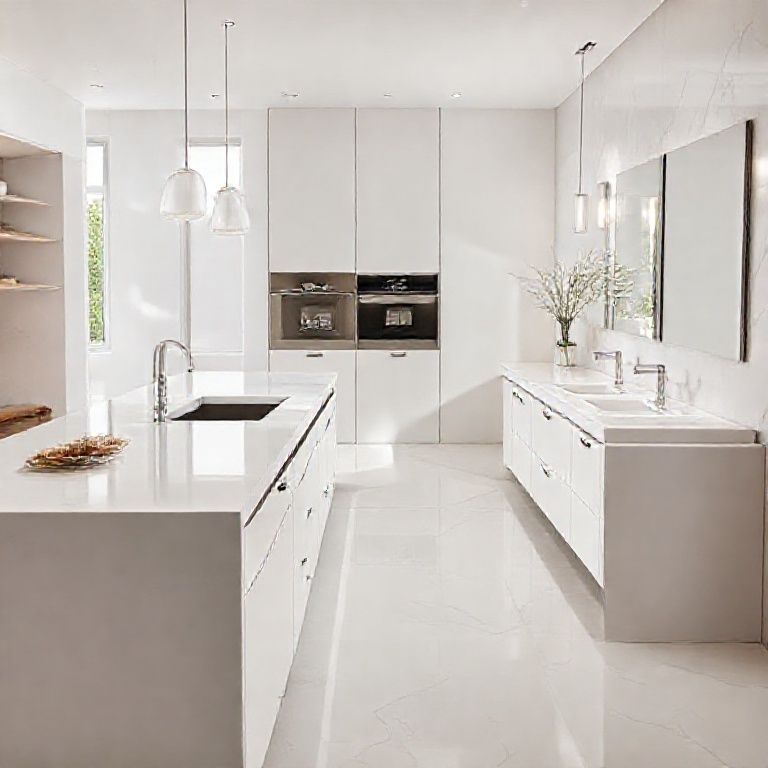
Quartz countertops are made from 93% pure quartz and 7% resin, a combination that creates a material stronger than granite and marble. This high-quality composite is resistant to scratches, stains, and heat, making it a top choice for kitchens and bathrooms where durability and low maintenance are essential. Despite these advantages, regular cleaning is still necessary to maintain the countertop’s appearance and longevity.
What is 84 Disinfectant?
84 Disinfectant is a household cleaning product designed to kill bacteria and disinfect surfaces. It’s widely used for cleaning bathroom and kitchen surfaces due to its effective antibacterial properties. However, the question of whether it’s safe for use on quartz countertops is crucial for anyone looking to keep their kitchen or bathroom clean without compromising the integrity of their countertops.
Safety of Using 84 Disinfectant on Quartz
Chemical Composition
84 Disinfectant typically contains sodium hypochlorite, a powerful bleach that works well for killing bacteria but can be harsh on certain surfaces. Quartz countertops are generally resistant to most chemicals, but the high concentration of sodium hypochlorite in 84 Disinfectant can cause discoloration or etching on the surface if not used carefully.
Manufacturer Recommendations
Manufacturers of quartz countertops generally advise against using harsh chemicals, including strong disinfectants like 84. The recommendation is to use mild, pH-neutral cleaners instead. This guidance is to ensure that the surface remains unblemished and maintains its natural luster.
Best Practices for Cleaning Quartz Countertops
Recommended Cleaning Solutions
For maintaining the beauty and longevity of your quartz countertops, it’s best to use mild, pH-neutral cleaning solutions. Here are some safe and effective options:
White Vinegar and Water: A simple mix of equal parts white vinegar and water can be used to clean and disinfect without harming the quartz surface. Vinegar is also an excellent natural deodorizer.
Baking Soda and Water: A paste made from baking soda and water can be used to scrub away light stains. Baking soda is mild and safe for quartz surfaces.
Commercial pH-Neutral Cleaners: There are several commercial cleaners available specifically designed for quartz countertops. These cleaners are formulated to clean without damaging the surface.
Cleaning Procedure
Preparation: Before starting, ensure the countertop is free of any food particles or spills.
Cleaning: Apply the chosen cleaning solution to a soft cloth or sponge and gently wipe the surface. Avoid scrubbing too hard to prevent scratching.
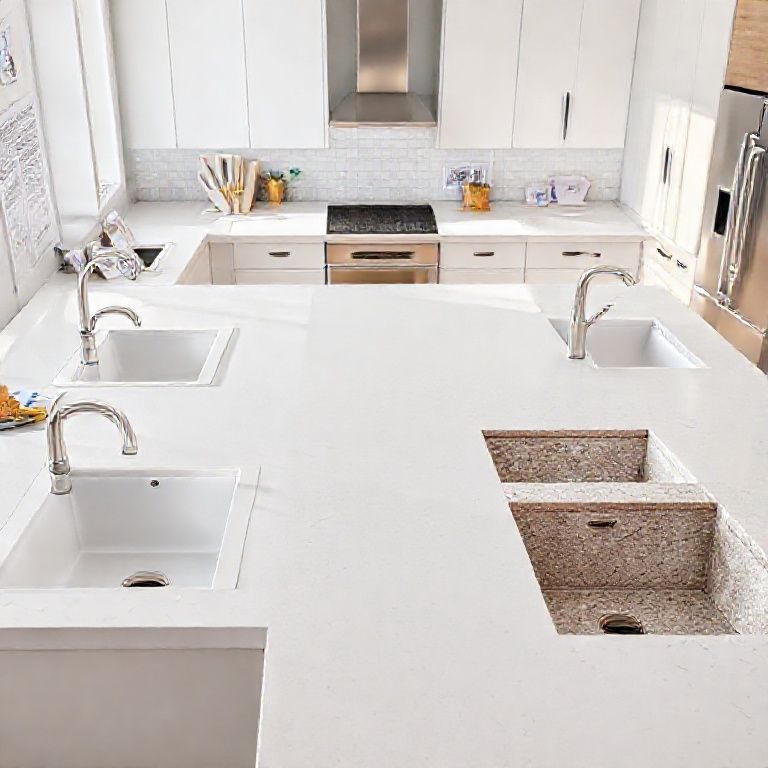
Rinsing: Rinse the surface with clean water to remove any residue from the cleaning solution.
Drying: Use a dry microfiber cloth to wipe the surface dry, ensuring no water spots are left behind.
Preventive Maintenance
Regular maintenance can prevent the need for deep cleaning and help maintain the countertop’s appearance:
Avoiding Sharp Objects: Do not use sharp objects to scrape off food particles or debris, as this can scratch the surface.
Immediate Cleaning: Clean up spills immediately to prevent stains from setting in.
Heat Protection: Use trivets or pot holders when handling hot pots and pans to protect the surface from thermal shock.
Conclusion
While 84 Disinfectant is an effective cleaner for many surfaces, it is not recommended for use on quartz countertops due to the risk of discoloration and etching. Opting for mild, pH-neutral cleaning solutions ensures that your quartz countertop remains beautiful and retains its durability over time. By following best practices and using the right cleaning solutions, you can keep your quartz countertops looking pristine without compromising their integrity.
Part 2
Alternative Cleaning Solutions for Quartz Countertops
Maintaining the stunning appearance and durability of quartz countertops requires careful selection of cleaning products and methods. While 84 Disinfectant is a powerful cleaner, its harsh chemicals can damage the surface of quartz. This part explores alternative cleaning solutions that are safe and effective for keeping quartz countertops clean and sparkling.
Exploring Mild Cleaning Alternatives
Homemade Cleaning Solutions
Homemade cleaning solutions are a great alternative to commercial cleaners, offering a natural and safe way to maintain your quartz countertops.
White Vinegar Solution: Combine equal parts of white vinegar and water in a spray bottle. Vinegar is mild and effective at killing bacteria and removing grime without harming the quartz surface.
Baking Soda Paste: Mix a few tablespoons of baking soda with just enough water to form a paste. Apply the paste to the countertop with a soft cloth, let it sit for a few minutes, then scrub gently and rinse thoroughly. This method is excellent for removing light stains and grime.
Commercial pH-Neutral Cleaners
Several commercial cleaners are specifically designed for quartz countertops, providing effective cleaning without the risk of damage.
Stone & Silicone Cleaner: This type of cleaner is formulated to clean and protect both natural stone and quartz surfaces. It’s effective at removing dirt and grime while maintaining the surface’s natural shine.
Quartz-Specific Cleaners: Brands like Quikrete and StoneTech offer cleaners that are safe for quartz and designed to clean and protect the surface without causing etching or discoloration.
Step-by-Step Cleaning Guide
To ensure your quartz countertops remain in top condition, follow these detailed steps using a safe cleaning solution:
Preparation: Clear the countertop of any food particles, spills, or debris.
Application: Apply the cleaning solution to a soft cloth or sponge. For a homemade solution like vinegar, simply spray the solution directly onto the surface.
Wiping: Gently wipe the surface in the direction of the grain. Avoid scrubbing too hard to prevent scratches.
Rinsing: If using a homemade solution, rinse the surface with clean water to remove any residue. For commercial cleaners, follow the manufacturer’s instructions regarding rinsing.
Drying: Dry the surface immediately with a clean, dry microfiber cloth to prevent water spots.
Addressing Common Stains
Quartz countertops are resistant to most stains, but some common issues can arise. Here’s how to handle them:
Coffee and Tea Stains: Immediately blot up any spills with a paper towel. Use a mixture of equal parts water and white vinegar to clean the area. Rinse and dry thoroughly.
Grease and Oil Stains: For light grease, a baking soda paste can be effective. For tougher stains, use a commercial pH-neutral cleaner designed for natural stone.
Wine Stains: Act quickly by blotting up the spill with a paper towel. Use a vinegar solution to clean the area. Rinse and dry immediately.
Maintenance Tips
Regular maintenance can prevent the need for deep cleaning and prolong the life of your quartz countertops:
Daily Cleaning: Wipe down the countertops daily with a damp cloth to remove any surface grime.
Deep Cleaning: Once a month, use a mild cleaning solution to give the surface a thorough clean.
Avoiding Chemicals: Stick to mild, pH-neutral cleaners and avoid using bleach, ammonia, or any other harsh chemicals.
Heat Protection: Use trivets or potholders when handling hot items to prevent thermal shock, which can cause cracks.
Conclusion
By choosing safe and effective cleaning solutions, you can maintain the beauty and durability of your quartz countertops without fear of damage. Avoid using harsh disinfectants like 84, and opt for mild, pH-neutral cleaners instead. Whether using homemade solutions like vinegar or commercial cleaners designed specifically for quartz, following proper cleaning techniques will help keep your countertops looking pristine and extend their lifespan.
In summary, while 84 Disinfectant may be effective for other surfaces, it is not recommended for quartz countertops due to the potential for damage. Stick to gentle, safe cleaning methods to ensure your quartz countertops remain beautiful and long-lasting. Regular maintenance and the use of appropriate cleaning solutions are key to keeping your kitchen and bathroom countertops in top condition.