Understanding Quartz Countertops and Bleach
In the realm of modern kitchen design, quartz countertops have emerged as a popular choice due to their durability, aesthetic appeal, and low maintenance requirements. Quartz, a composite stone made from natural quartz particles and resin, offers a sleek, high-gloss finish that can complement any kitchen decor. However, despite their resilience, quartz countertops are not invulnerable. Stains and discoloration can sometimes occur, leading homeowners to wonder about the efficacy and safety of various cleaning solutions, including bleach.
The Composition and Benefits of Quartz Countertops
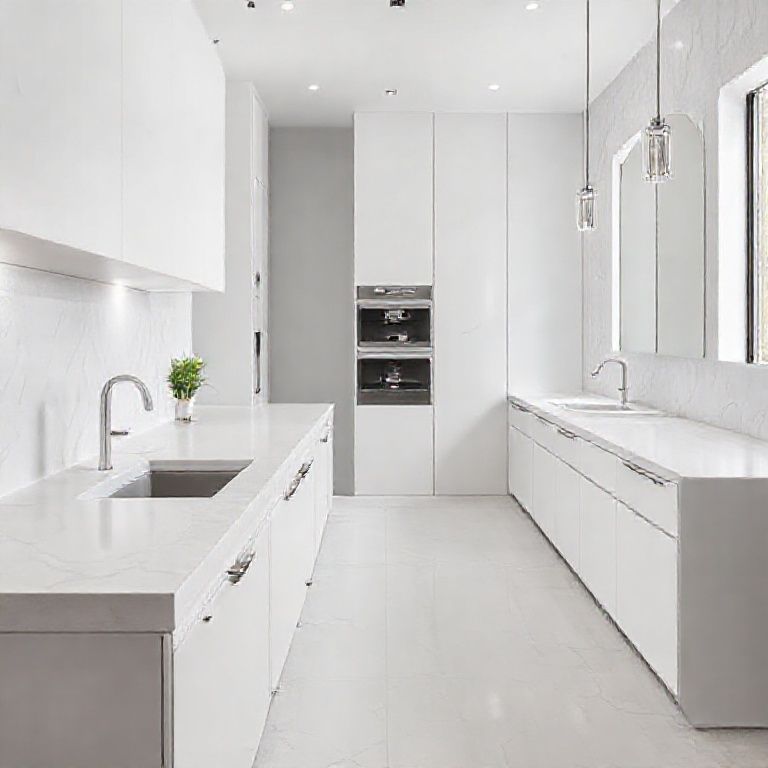
Quartz countertops are engineered to be incredibly tough and resistant to scratches, dents, and most forms of staining. Their composition, which involves binding crushed quartz with resin, results in a material that is harder than both granite and marble. This unique combination offers several benefits:
Durability: Quartz is highly resistant to scratches and dents, making it an ideal choice for busy kitchens. Stain Resistance: Unlike natural stone, quartz does not absorb liquids or stains, ensuring that spills and spills do not leave lasting marks. Low Maintenance: Cleaning quartz surfaces is straightforward; a simple wipe with a damp cloth and mild soap is usually sufficient to maintain their pristine appearance.
The Role of Bleach in Cleaning
Bleach, or sodium hypochlorite, is a powerful disinfectant and stain remover. It’s commonly used for cleaning and sanitizing various surfaces, including bathrooms and kitchens. Bleach works by breaking down organic compounds through oxidation, making it effective against a wide range of stains, such as blood, urine, and some types of mold and mildew. However, when it comes to quartz countertops, the question arises: is bleach safe to use?
The Risks of Using Bleach on Quartz Countertops
Quartz countertops are made to withstand a variety of cleaning agents, but bleach is not one of them. The high concentration of sodium hypochlorite in bleach can cause chemical reactions with the resin binder in quartz, leading to discoloration, etching, and overall degradation of the surface. When bleach comes into contact with quartz, it can:
Cause Etching: The acidic nature of bleach can etch the surface of the quartz, leading to a dull and pitted appearance. Discolor the Surface: Bleach can leave white or yellow stains on the quartz surface, altering its aesthetic appeal. Damage Seals and Finishes: The harsh chemicals in bleach can degrade the protective seals and finishes applied to the quartz, reducing its durability and resistance to stains.
Given these potential risks, it’s crucial to explore safer alternatives for maintaining the pristine appearance of quartz countertops.
Safer Alternatives to Bleach for Cleaning Quartz Countertops
To keep your quartz countertops looking their best without risking damage, consider the following safer cleaning methods:
1. Mild Soap and Water
For routine cleaning, a simple solution of mild dish soap and water is usually sufficient:
Step 1: Dampen a cloth or sponge with water. Step 2: Add a few drops of mild dish soap. Step 3: Gently wipe the surface of the quartz countertop, paying attention to any areas that may have accumulated grime or food residue. Step 4: Rinse the cloth or sponge with clean water and wipe the surface again to remove any soap residue. Step 5: Dry the surface with a clean, dry cloth to prevent water spots.
2. Specialized Quartz Cleaners
There are commercial cleaners designed specifically for quartz countertops that offer a safer and more effective cleaning solution:
Step 1: Follow the manufacturer’s instructions for application and dilution. Step 2: Apply the cleaner to a cloth or sponge and gently wipe the quartz surface. Step 3: For tougher stains, let the cleaner sit for a few minutes before wiping it off. Step 4: Rinse the area with clean water and dry with a clean cloth.
3. Baking Soda Paste
Baking soda is a natural abrasive that can help remove light stains and surface grime without damaging the quartz:
Step 1: Mix baking soda with water to form a paste. Step 2: Apply the paste to the stained area using a cloth or sponge. Step 3: Gently scrub the area in a circular motion. Step 4: Rinse the area with clean water and dry with a clean cloth.
4. Vinegar and Water Solution
Vinegar is an acidic solution that can help cut through grease and grime:
Step 1: Mix equal parts of vinegar and water in a spray bottle. Step 2: Spray the solution onto the quartz countertop. Step 3: Wipe the surface with a clean cloth. Step 4: Rinse and dry with a clean cloth.
By opting for these safer cleaning methods, you can maintain the beauty and integrity of your quartz countertops without resorting to potentially harmful chemicals like bleach.
Conclusion of Part 1
In conclusion, while bleach is a powerful and effective cleaner for many surfaces, it is not suitable for use on quartz countertops due to the risk of etching, discoloration, and damage to the protective finishes. Instead, opt for mild soap and water, specialized quartz cleaners, baking soda paste, or vinegar and water solutions to keep your quartz surfaces looking their best. By understanding the composition and care requirements of quartz countertops, you can ensure they remain a beautiful and durable addition to your kitchen for years to come.
Safe and Effective Stain Removal for Quartz Countertops
Understanding Stain Types and Their Causes
Stains on quartz countertops can result from various sources, including food spills, grease, and acidic substances. Understanding the type of stain is crucial for selecting the appropriate cleaning method. Common types of stains on quartz countertops include:
Grease and Oil Stains: Often caused by cooking spills, these stains can be stubborn but manageable with the right approach. Acidic Stains: Citrus juice, wine, and vinegar can leave behind unsightly stains on quartz. General Dirt and Grime: Regular use can lead to surface grime that needs regular cleaning.
Safe Cleaning Methods for Different Stain Types
1. Grease and Oil Stains
For grease and oil stains, a combination of baking soda and warm water can be highly effective:
Step 1: Sprinkle baking soda over the stained area. Step 2: Mix a small amount of dish soap with warm water to create a paste. Step 3: Apply the soapy paste over the stain and let it sit for 15-20 minutes. Step 4: Gently scrub the area with a sponge or cloth. Step 5: Rinse with clean water and dry with a clean cloth.
2. Acidic Stains
To tackle acidic stains, a vinegar and water solution can be used:
Step 1: Mix equal parts of vinegar and water in a spray bottle. Step 2: Spray the solution onto the stained area. Step 3: Wipe the surface with a clean, damp cloth. Step 4: Rinse and dry with a clean cloth.
3. General Dirt and Grime
For regular cleaning and removing general dirt and grime, a mild soap and water solution works best:
Step 1: Dampen a cloth with water. Step 2: Add a few drops of mild dish soap. Step 3: Wipe the surface gently. Step 4: Rinse the cloth with clean water and wipe the surface again to remove soap residue. Step 5: Dry with a clean, dry cloth.
Advanced Stain Removal Techniques
For more persistent stains, consider these advanced techniques:
1. Lemon Juice and Baking Soda
Lemon juice contains natural acids that can help lift stains, combined with the mild abrasiveness of baking soda:
Step 1: Squeeze fresh lemon juice onto the stain. Step 2: Sprinkle baking soda over the lemon juice. Step 3: Let the mixture sit for 10-15 minutes. Step 4: Scrub the area with a sponge or cloth. Step 5: Rinse and dry with a clean cloth.
2. Hydrogen Peroxide
Hydrogen peroxide is a less harsh alternative to bleach and can be used for stain removal:
Step 1: Apply hydrogen peroxide directly to the stain. Step 2: Let it sit for a few minutes. Step 3: Wipe the area with a clean cloth. Step 4: Rinse and dry with a clean cloth.
Maintenance Tips to Prevent Future Stains
Preventing stains is often easier than removing them, so consider these maintenance tips: