Can You Use Bleach on Quartz Countertops? An In-Depth Exploration
In the realm of modern kitchen and bathroom design, quartz countertops have emerged as the epitome of elegance, durability, and functionality. Their unique blend of natural stone aesthetics and engineered precision has made them a preferred choice for homeowners and designers alike. However, as with any high-quality material, maintaining the pristine appearance of quartz countertops can sometimes pose challenges. One common question that arises is whether bleach can be used on quartz countertops. Let’s delve into this topic with a focus on understanding the nature of quartz, the properties of bleach, and the potential implications of using this powerful cleaner on such surfaces.
Understanding Quartz Countertops
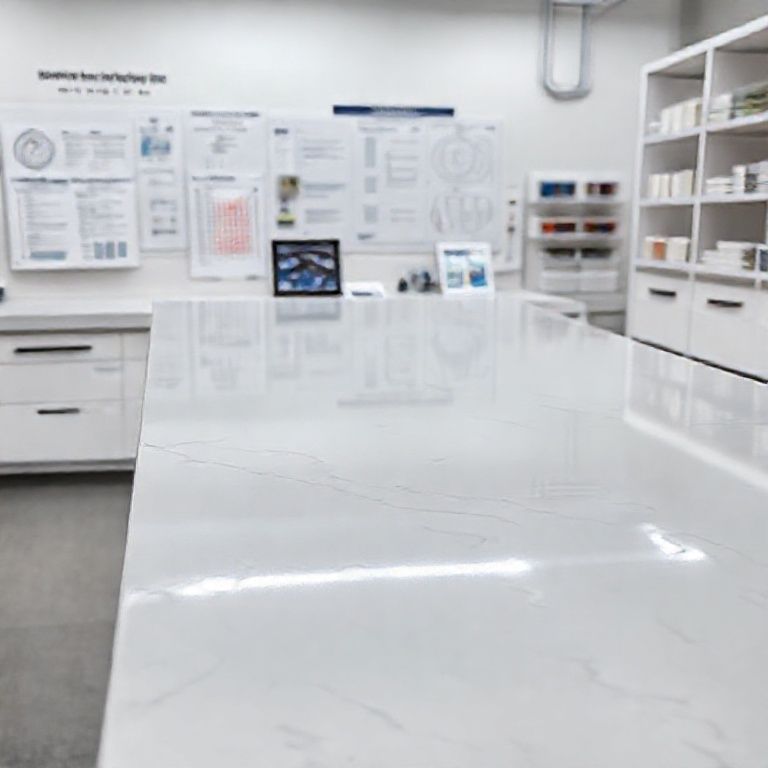
Quartz countertops are composed of 93% pure quartz, a naturally occurring mineral known for its hardness and resistance to heat, stains, and scratches. The remaining 7% consists of binders, pigments, and other additives that help to mold and shape the material into various forms and colors. This combination results in a surface that is not only visually appealing but also highly durable.
Quartz’s strength lies in its uniformity and lack of pores, which makes it impervious to stains and bacteria. Unlike natural stone, quartz does not absorb liquids, ensuring that spills and stains do not penetrate the surface and cause discoloration. However, this very characteristic can also make it susceptible to certain chemicals that could potentially damage the finish or the underlying binder.
The Composition and Properties of Bleach
Bleach, or sodium hypochlorite, is a powerful and widely-used disinfectant known for its ability to kill bacteria, viruses, and other microorganisms. It is often used for cleaning and sanitizing a variety of surfaces, including bathroom tiles, kitchen sinks, and even some types of flooring. However, bleach is also a potent chemical that can cause damage to certain materials if not used with caution.
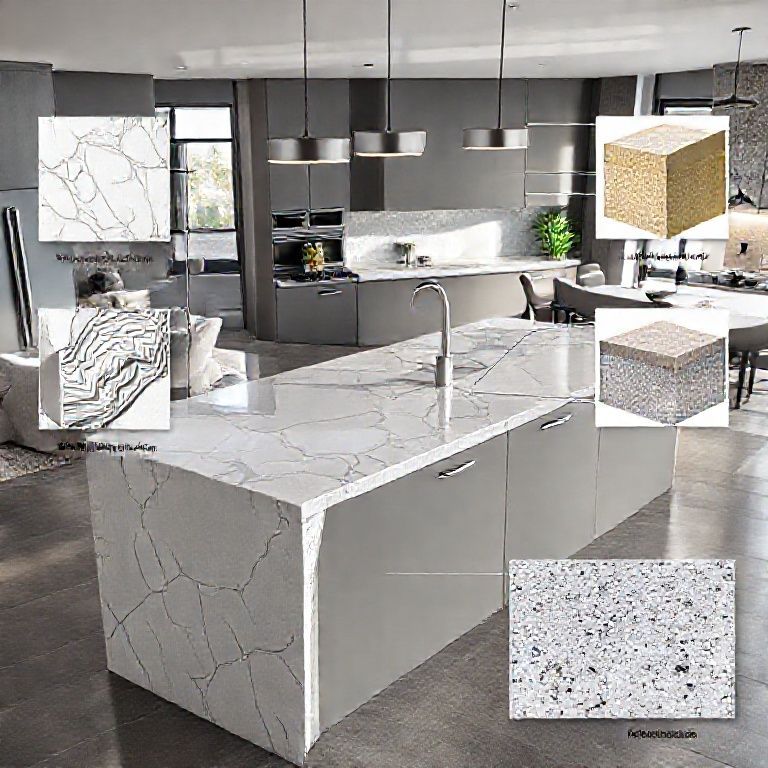
When bleach comes into contact with natural stone surfaces, it can cause a chemical reaction that may lead to discoloration, etching, or other forms of damage. The severity of this reaction depends on the specific type of stone and the concentration of the bleach used.
Can Bleach Be Used on Quartz?
The question of whether bleach can be used on quartz countertops is one that requires careful consideration. Quartz, in its pure form, is generally resistant to many common cleaning agents. However, bleach is a highly reactive chemical that can pose risks to the integrity of the quartz surface.
Potential Risks
Chemical Reaction: Bleach is a strong oxidizer that can cause a chemical reaction with certain materials, leading to discoloration or etching. Although quartz is relatively resistant, it is not entirely immune to such reactions, especially if the bleach is not diluted properly or if it comes into prolonged contact with the surface.
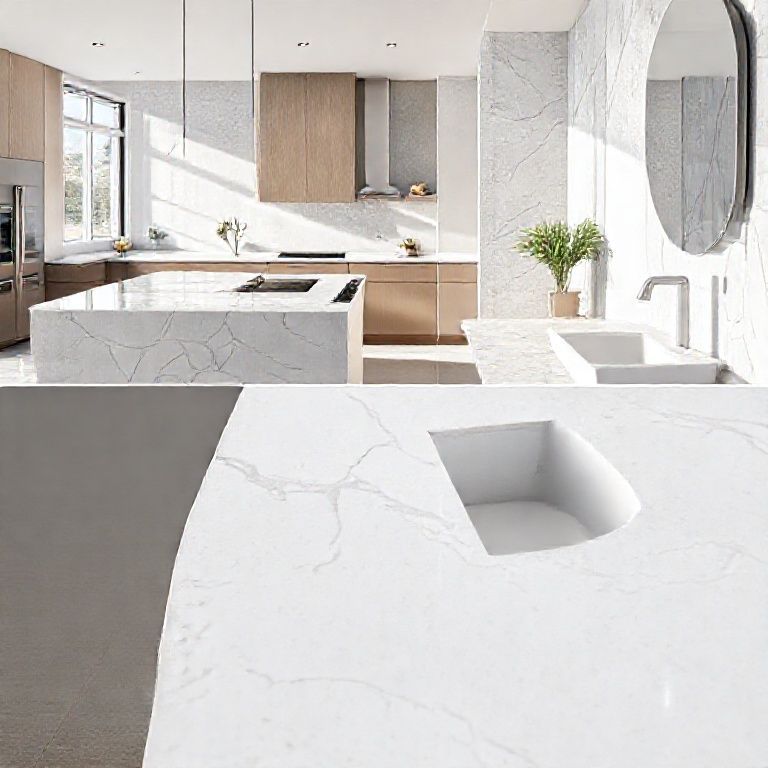
Diluting Bleach: To minimize the risk of damage, bleach should always be diluted with water before application. The recommended dilution ratio is typically one part bleach to ten parts water. Even with this dilution, caution is advised when using bleach on any surface.
Manufacturer Guidelines: It is always best to consult the manufacturer’s guidelines for any cleaning recommendations. While some high-quality quartz brands may specify that bleach can be used with certain precautions, others may advise against it entirely.
Safe Alternatives
Given the potential risks, it’s often safer to explore alternative cleaning methods that do not involve the use of bleach. Here are some effective and safe alternatives:
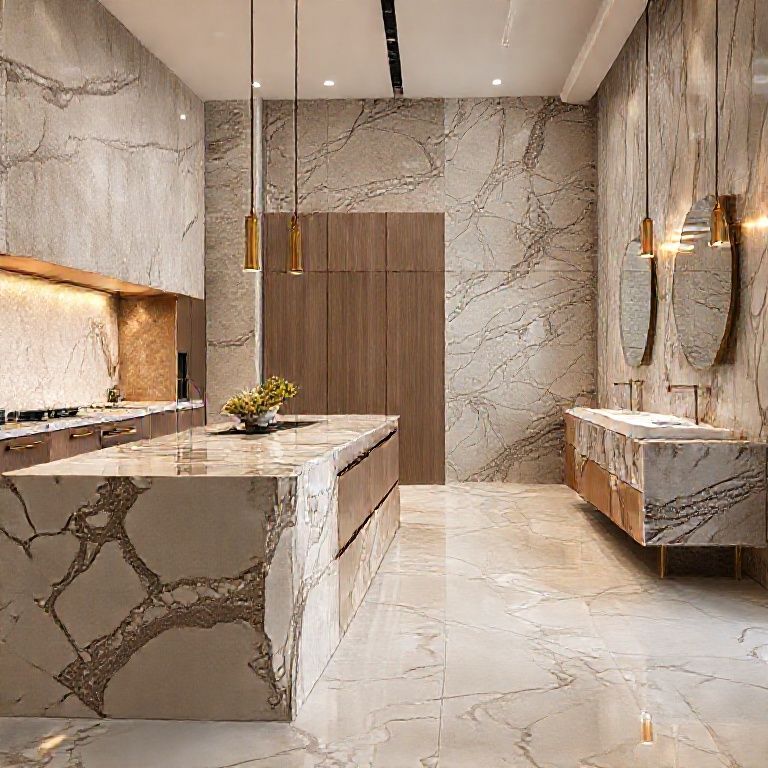
Mild Soap and Water: A simple solution of warm water and mild dish soap is often sufficient for routine cleaning. This method effectively removes everyday spills and grime without the need for harsh chemicals.
Specialized Cleaners: Many manufacturers offer specialized cleaners designed specifically for quartz countertops. These products are formulated to maintain the surface without causing damage.
Baking Soda and Vinegar: For tougher stains, a mixture of baking soda and vinegar can be an effective, non-toxic alternative. The baking soda acts as a mild abrasive, while the vinegar helps to dissolve stains.
Microfiber Cloths and Sponges: Regular cleaning with soft cloths and sponges can help to keep quartz countertops looking their best. Microfiber materials are gentle on the surface while effectively trapping dirt and debris.
Conclusion
While quartz countertops are renowned for their durability and low-maintenance nature, the use of bleach poses potential risks that cannot be overlooked. The unique composition of quartz, combined with the reactive nature of bleach, makes it advisable to exercise caution and explore safer alternatives for cleaning.
In the next part of this series, we will continue to explore advanced cleaning techniques, maintenance tips, and the latest innovations in countertop care to ensure that your quartz surfaces remain pristine and beautiful for years to come.
Safe and Effective Cleaning Tips for Quartz Countertops
Having explored the potential risks of using bleach on quartz countertops, it’s time to delve deeper into the world of safe and effective cleaning techniques. Maintaining the beauty and longevity of your quartz surfaces requires a thoughtful approach to cleaning and maintenance. In this part of our series, we will provide comprehensive guidelines on how to care for your quartz countertops, ensuring they remain a stunning focal point in your kitchen or bathroom for years to come.
Routine Cleaning Practices
To keep your quartz countertops in top condition, routine cleaning is essential. Here are some key practices to incorporate into your maintenance routine:
Daily Wipe-Up: Use a clean, dry microfiber cloth or paper towel to wipe up any spills and crumbs immediately after they occur. This prevents stains and keeps the surface looking fresh.
Warm Water and Mild Soap: For daily cleaning, a simple mixture of warm water and mild dish soap is usually sufficient. Dampen a microfiber cloth or sponge with the solution and gently wipe the surface. Rinse thoroughly with clean water and dry with a soft cloth.
Avoid Harsh Abrasives: Avoid using abrasive sponges, steel wool, or harsh chemicals that can scratch or damage the surface. Always opt for soft cloths and non-abrasive cleaners.
Dealing with Stains and Tough Spots
Occasionally, stains and tough spots may appear on your quartz countertops. Here are some effective methods to tackle these issues:
Baking Soda and Vinegar: For minor stains, a paste made from baking soda and water can be used. Apply the paste to the stain, let it sit for a few minutes, and then wipe clean with a damp cloth. For tougher stains, a mixture of vinegar and water can be used, but always test in an inconspicuous area first.
Commercial Cleaners: Many manufacturers offer specialized cleaners designed specifically for quartz. These products are formulated to clean and polish the surface without causing damage. Always follow the manufacturer’s instructions for best results.
Microfiber Cloths: Microfiber cloths are excellent for cleaning and polishing quartz. They are gentle on the surface while effectively removing dirt and grime.
Advanced Maintenance Tips
To ensure the longevity and beauty of your quartz countertops, consider these advanced maintenance tips:
Regular Polishing: Regular polishing can help to maintain the shine of your quartz surface. Use a soft cloth to gently polish the countertop after each cleaning session.
Avoiding Heat Sources: While quartz is resistant to heat, prolonged exposure to direct heat sources like hot pots or pans can cause discoloration. To prevent this, use trivets or pot holders when transferring hot items.
Sealing the Surface: While quartz does not require sealing in the same way that natural stone does, it can benefit from periodic sealing to enhance its durability and resistance to stains. Follow the manufacturer’s guidelines for any recommended sealing products.
Protective Covers: For countertops that are frequently exposed to spills, consider using protective covers or pads under items that rest on the surface. This can help to prevent stains and scratches.
Innovations in Quartz Countertop Care
The field of countertop care is constantly evolving, with new products and techniques being developed to enhance the durability and appearance of quartz surfaces. Here are some recent innovations:
Nano-Sealants: These advanced sealants form a thin, invisible barrier on the surface of the quartz, providing enhanced protection against stains and scratches. They are easy to apply and can be reapplied periodically for long-lasting protection.
Self-Cleaning Options: Some quartz countertops are now available with a self-cleaning technology that uses a special coating to make stains and oils repellant. This can significantly reduce the amount of cleaning required.
Eco-Friendly Cleaners: As the demand for environmentally friendly products grows, many companies are developing eco-friendly cleaners specifically designed for quartz. These products are effective while being safe for the environment and the users.
Conclusion
Maintaining the beauty and integrity of your quartz countertops requires a combination of当然,继续探讨如何更好地保护和维护你的石英石台面。
预防性维护
1. 使用保护垫: 在炉灶、烤箱和微波炉上使用保护垫或盖子,以防止热量直接接触台面。这有助于避免热斑和损伤。
2. 避免硬质清洁工具: 尽量避免使用硬质刷子或硬质清洁工具,这些工具可能会划伤石英石的表面。
3. 减少使用强力清洁剂: 尽可能减少使用强力清洁剂,特别是含有酸或碱的清洁剂,这些物质可能会对石英石造成损害。
处理溢漏和污渍
1. 及时清理: 石英石台面对于溢漏和污渍的反应尤其敏感。任何液体溢漏应立即清理,以防止染色和损害。
2. 使用温水和中性洗涤剂: 对于大多数污渍,温水和中性洗涤剂是最安全的清洁选择。它们不会对石英石造成损害,同时有效去污。
专业清洁
1. 定期专业清洁: 建议每隔几个月请专业人员进行一次清洁。专业清洁不仅能够深度清洁台面,还能恢复石英石的光泽。
2. 检查保养: 专业清洁人员可以检查你的石英石台面是否需要重新密封,并根据需要进行密封处理。
应急处理
1. 处理小污渍: 对于小的油渍或食物溢漏,可以使用专门的石英石清洁剂。将清洁剂涂抹在污渍上,轻轻擦拭,然后用干净的布擦干净。
2. 处理大污渍: 对于较大的污渍,可以先用温水和中性洗涤剂清洗,然后再用专门的清洁剂处理。确保在清洁后用干布擦干。
避免使用强氧化剂
1. 避免84等强氧化剂: 尽管84等强氧化剂在市场上广泛使用,但由于其强腐蚀性,不建议在石英石台面上使用。强氧化剂可能会导致石英石表面的色素褪色或损坏。
其他注意事项
1. 切勿使用尖锐物品: 切勿在石英石台面上使用刀具或其他尖锐物品切割食物。这不仅可能划伤表面,还可能导致裂缝。
2. 避免高温接触: 尽量避免将热锅直接放在石英石台面上,以防止热斑和损伤。
通过以上的预防和维护措施,你可以确保你的石英石台面长久保持美观和功能完好。如果你有任何特殊的清洁需求或涉及到石英石的专业问题,建议咨询专业的清洁服务或制造商的技术支持。