Discover the ultimate guide to choosing between artificial quartz and marble for your kitchen countertops. From durability and maintenance to design versatility and cost-effectiveness, we delve deep into the pros and cons of these two popular choices to help you make an informed decision for your home.
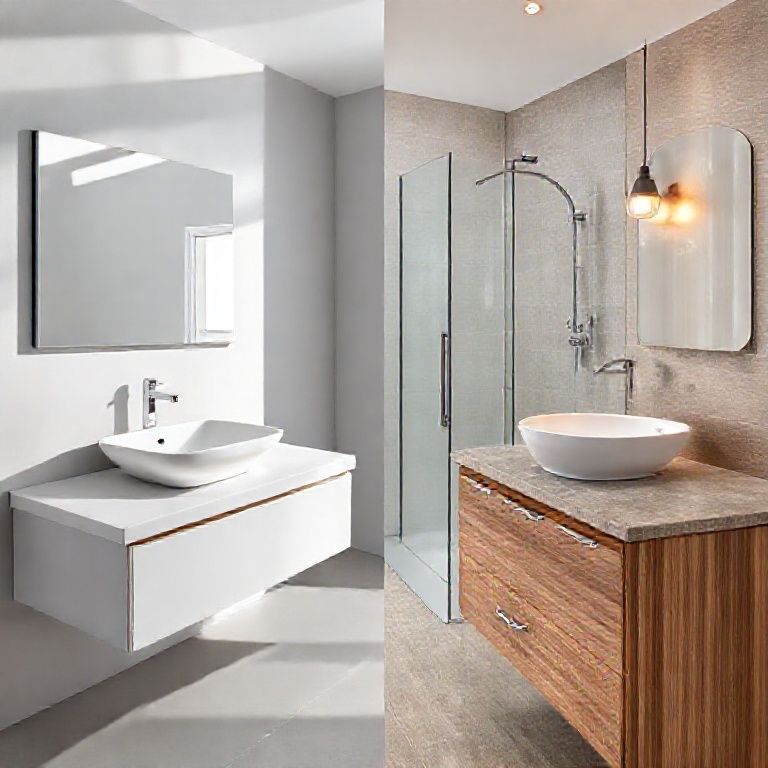
artificial quartz countertops, marble countertops, kitchen countertop comparison, durability countertops, maintenance countertops, design versatility countertops, cost-effective countertops, kitchen renovation, countertop materials
Durability and Maintenance of Artificial Quartz vs. Marble
Introduction
When it comes to selecting the perfect countertop for your kitchen, durability and maintenance are critical factors that need careful consideration. Both artificial quartz and marble are popular choices for kitchen countertops, each offering unique advantages and challenges. In this first part of our comprehensive guide, we will explore the durability and maintenance aspects of artificial quartz versus marble countertops.
Durability: The Unyielding Strength of Artificial Quartz
Artificial quartz, a composite material made from 93% quartz sand and other minerals fused together using high heat and pressure, stands out for its remarkable durability. This synthetic material is known for its:
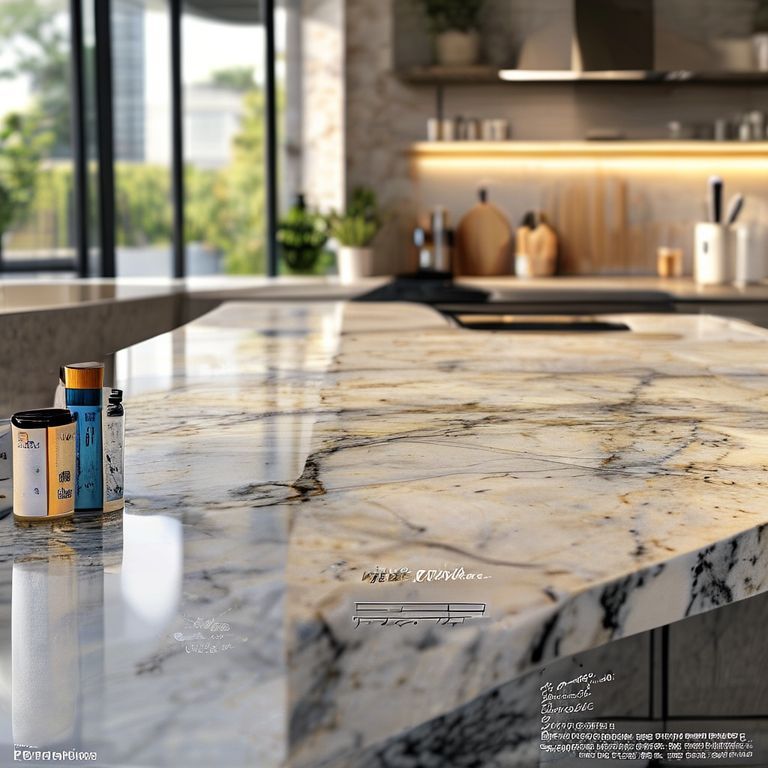
Unmatched Hardness: Artificial quartz boasts a Mohs hardness rating of 7, making it extremely resistant to scratches and dents. Unlike natural stone, it doesn’t suffer from chips or cracks, ensuring a long-lasting and pristine appearance.
Heat Resistance: One of the standout features of artificial quartz is its ability to withstand high temperatures without warping or cracking. This makes it ideal for kitchens where hot pots and pans are a daily occurrence.
Chemical Resistance: Artificial quartz is highly resistant to staining from everyday spills, including grease, coffee, and wine. Its non-porous surface means that liquids simply roll off, maintaining a clean and hygienic surface.
Durability: The Vulnerability of Marble
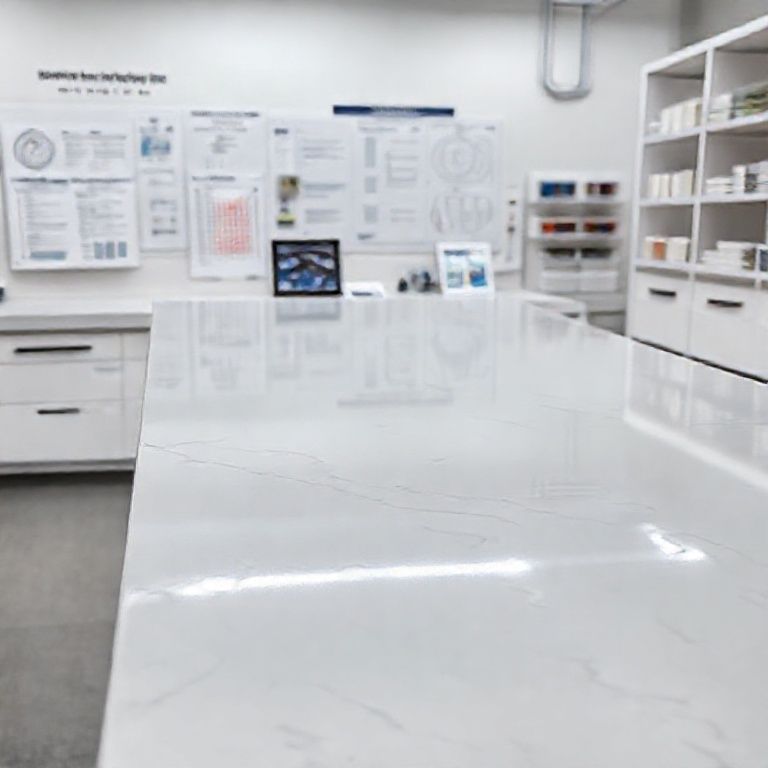
Marble, a natural stone, offers elegance and beauty but falls short when it comes to durability. Key points regarding marble countertops include:
Softness and Susceptibility: Marble has a Mohs hardness rating of around 3 to 4, which makes it prone to scratches, dents, and chips. This vulnerability is especially pronounced with heavy use or mishandling.
Warping and Expansion: Marble can be susceptible to warping due to heat and uneven expansion. This makes it less ideal for high-traffic areas where hot items are frequently placed.
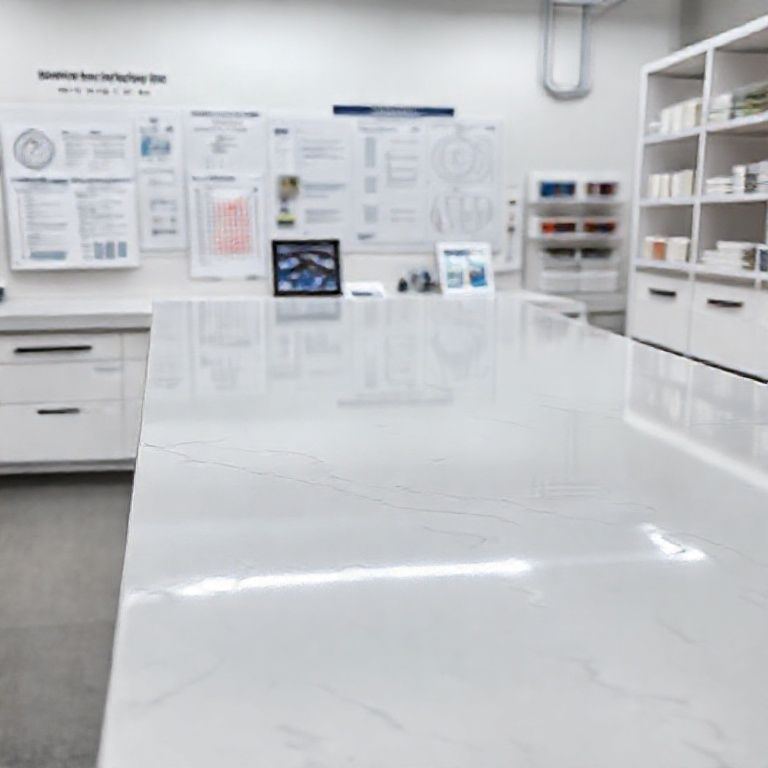
Chemical Stains and Spots: Marble is highly porous and can easily absorb stains from various chemicals and liquids. This requires regular sealing to prevent permanent discoloration and maintain its pristine look.
Maintenance: The Low-Effort Care of Artificial Quartz
Artificial quartz countertops are designed for minimal maintenance, offering an effortless cleaning routine. Here’s why:
Easy Cleaning: With its non-porous surface, artificial quartz only requires a simple wipe-down with a mild dish soap and water to keep it sparkling clean. There’s no need for harsh chemicals that can damage the surface.
No Need for Regular Sealing: Unlike marble, artificial quartz doesn’t require frequent sealing to maintain its stain resistance. This saves time and money on regular maintenance.
Low Allergenic Risks: Artificial quartz is free from natural elements that can harbor bacteria or mold, reducing the risk of allergens in your kitchen.
Maintenance: The High-Effort Care of Marble
Marble requires more meticulous care to maintain its beauty and longevity. Here’s what you need to know:
Regular Cleaning: Marble countertops need to be cleaned with pH-neutral cleaners to prevent damage. Using a simple soap and water solution can lead to etching and staining over time.
Frequent Sealing: To protect marble from stains, it needs to be sealed regularly, typically every six months to a year. This involves applying a protective sealant that forms a barrier against spills and stains.
Professional Cleaning: Due to its porous nature, marble often requires professional cleaning to remove tough stains and restore its shine.
Conclusion
When it comes to durability and maintenance, artificial quartz clearly has the upper hand over marble. Its superior hardness, heat resistance, and chemical resilience, combined with low-maintenance cleaning, make it an excellent choice for those looking for a long-lasting, low-effort countertop. Marble, while stunning, requires diligent care to maintain its elegance and prevent damage. In the next part of our guide, we will delve into the design versatility and cost-effectiveness of both materials, providing you with a complete picture to help you make the best choice for your kitchen.
Design Versatility and Cost-Effectiveness of Artificial Quartz vs. Marble
Introduction
After examining durability and maintenance, we now turn our attention to design versatility and cost-effectiveness. These factors are crucial for homeowners who want to achieve their desired aesthetic while staying within budget. In this second part of our comprehensive guide, we will delve into how artificial quartz and marble measure up in these areas.
Design Versatility: The Infinite Possibilities of Artificial Quartz
Artificial quartz offers an impressive level of design versatility, catering to a wide range of styles and preferences. Here’s what makes it a top choice for designers and homeowners:
Custom Colors and Patterns: Artificial quartz is available in virtually any color or pattern imaginable. Manufacturers can mix and match colors to create unique designs that replicate natural stone or offer entirely new aesthetic experiences.
Innovative Shapes and Textures: With the ability to mold and cut quartz in various shapes and textures, designers can create custom countertops that perfectly match the unique design of a kitchen. This includes intricate patterns, bespoke shapes, and even 3D designs.
Integration with Modern Design Trends: Artificial quartz seamlessly integrates with contemporary design trends, from minimalist to industrial styles. Its adaptability allows for seamless integration with modern kitchen designs, providing a sleek, cohesive look.
Design Versatility: The Classic Elegance of Marble
Marble, a natural stone, brings a timeless elegance to any kitchen. Here’s why marble remains a favorite for those who appreciate classic beauty:
Varied Veining and Patterns: Marble’s natural veining and patterns offer a unique, one-of-a-kind look. Each slab of marble is distinct, providing a personalized touch that artificial materials cannot replicate.
Timeless Elegance: Marble’s classic beauty has stood the test of time. It exudes luxury and sophistication, making it a popular choice for traditional and classical kitchen designs.
Color Options: While marble is available in a range of colors, from white and gray to more exotic hues like black and green, it offers a natural, organic appeal that many find irresistible.
Cost-Effectiveness: The Affordable Luxury of Artificial Quartz
When it comes to cost-effectiveness, artificial quartz often comes out on top, offering a compelling balance between affordability and quality. Here’s why:
Lower Initial Costs: Artificial quartz typically has a lower initial cost compared to high-end marble varieties. This makes it an attractive option for homeowners looking to achieve a high-end look without breaking the bank.
Reduced Maintenance Costs: As previously discussed, artificial quartz requires minimal maintenance. This translates to lower long-term costs, as there’s no need for frequent sealing or professional cleaning services.
Long-Term Value: Despite the lower initial cost, artificial quartz provides excellent long-term value. Its durability and resistance to stains and scratches mean it retains its appearance and value over time, making it a cost-effective choice in the long run.
Cost-Effectiveness: The Premium Price Tag of Marble
Marble, while beautiful, often comes with a premium price tag. Here’s an overview of the cost-effectiveness of marble countertops:
Higher Initial Costs: Marble countertops generally cost more than artificial quartz, particularly for high-quality varieties. This initial investment can be a significant factor for budget-conscious homeowners.
Ongoing Maintenance Costs: The need for regular sealing and professional cleaning services adds to the long-term costs associated with marble countertops. These maintenance requirements can quickly add up, impacting the overall cost-effectiveness.
Depreciation Over Time: While marble maintains its value well, it can depreciate faster than artificial quartz due to its susceptibility to damage and the costs associated with maintaining its beauty and integrity.
Environmental Considerations: Sustainability of Artificial Quartz
An often-overlooked aspect is the environmental impact of each material. Artificial quartz offers several sustainability benefits:
Recyclability: Artificial quartz countertops can be recycled at the end of their life cycle, reducing waste and environmental impact. This is a significant advantage over natural stone, which cannot be recycled in the same way.
Low Environmental Footprint: The production of artificial quartz involves fewer environmental risks compared to the extraction and processing of natural marble. This includes lower carbon emissions and less land disruption.
Environmental Considerations: The Natural Process of Marble
While marble offers timeless beauty, its extraction and processing have environmental implications:
Land and Resource Impact: The extraction of marble can lead to significant land disruption and resource depletion. The environmental footprint of marble mining is a concern for sustainability-conscious consumers.
Non-Recyclable: Unlike artificial quartz, marble cannot be recycled at the end of its life cycle, leading to higher waste and environmental impact.
Conclusion
设计与美学:两者的独特魅力
人造石英石的设计与美学
无限的颜色和纹理选择:人造石英石可以模仿几乎任何自然石材的外观,如花岗岩、大理石和石灰岩,同时也可以创造出完全独特的设计。
现代与传统的融合:无论是现代简约风格还是传统复古风格,人造石英石都能适应并完美融入。其设计灵活性使其能够适应各种装饰风格。
创新设计:由于其材料特性,人造石英石可以实现各种创新设计,如嵌入LED灯、刻有复杂图案等,提供了设计师和消费者更多的创意空间。
大理石的设计与美学
天然的独特性:每块大理石都是独一无二的,其天然纹理和色彩让它们具有无可替代的独特美感。
经典与永恒的魅力:大理石自古以来就被视为高贵和优雅的象征,其经典美学使其在高端住宅和商业空间中特别受欢迎。
多样化的色彩和纹理:从经典的白色到深色的黑色,再到稀有的颜色,大理石提供了丰富的选择,满足不同设计需求。
价格因素:性价比的考量
人造石英石的价格
材料成本:由于人造石英石的主要成分是石英砂,其原材料成本较低。
生产工艺:人造石英石的生产工艺相对简单,且可以大规模生产,从而降低了成本。
设计灵活性:由于设计灵活,人造石英石可以满足不同的价格区间,从经济型到高端型。
大理石的价格
大理石作为天然石材,其价格通常较高,原因如下:
开采和加工成本:大理石需要从矿山开采,然后进行切割和加工,这些过程需要大量的劳动力和技术,因而成本较高。
稀有性:某些大理石品种非常稀有,进一步提升了其价值。
天然美感:大理石的天然纹理和颜色增加了其独特的美感,这也是其高价的原因之一。
安装与维护:便利与长期保养
人造石英石的安装与维护
人造石英石的安装和维护相对便利,其优点包括:
安装简便:人造石英石通常采用粘合或插入安装方法,安装过程简单,不需要特殊工具。
耐用性:由于其高硬度和耐磨性,人造石英石不容易刮花或损坏,这意味着它在长期使用中的耐用性非常好。
易清洁:人造石英石的表面光滑且不易吸收污渍,清洁和保养非常简单。
大理石的安装与维护
大理石虽然美丽,但其安装和维护相对复杂,其优点包括:
精美的切割工艺:大理石的切割和加工需要专业技术,这使其安装过程相对复杂。
需要特殊维护:大理石是天然石材,需要定期密封以防止污渍渗入其多孔结构。这增加了其长期维护的复杂性和成本。
脆性问题:虽然大理石美观,但它也比较脆,容易受到冲击和划伤,这意味着需要特别小心处理。
环保与可持续性
人造石英石的环保与可持续性
人造石英石在环保和可持续性方面有其优势:
低碳足迹:其生产过程中碳排放量较低,且可以回收再利用。
材料来源:主要成分是石英砂,这是一种相对丰富且容易获取的资源。
终身周期:由于其耐用性和低维护需求,人造石英石的使用寿命长,减少了更换和废弃的频率,从而降低了环境影响。
大理石的环保与可持续性
大理石作为天然石材,其环保和可持续性问题较为复杂:
资源开采:大理石的开采需要破坏大量的自然环境,这对生态造成了较大的影响。
不可再生:大理石是不可再生资源,其开采速度通常超过自然再生速度,这对其长期可持续性提出了挑战。
生产过程:大理石的开采和加工过程中可能产生大量废弃物和污染,这对环境有不良影响。
总结
在选择人造石英石还是大理石台面时,需要综合考虑多个因素,包括美学、耐用性、维护成本、价格和环保因素。人造石英石以其设计灵活性、耐用性和低维护需求成为越来越多消费者的首选,特别是在预算有限或追求低维护的情况下。而大理石则以其天然的美感和经典的优雅吸引那些追求高端、独特设计的消费者。
无论选择哪种材料,最终的决定应基于个人需求和偏好,以及对未来维护和长期使用的考量。