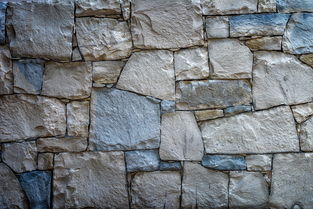
Choosing the perfect material for your bathroom countertop is a significant decision that impacts both the beauty and functionality of your space. Two popular options that often come up in this discussion are ceramic sink countertops and stone slate countertops. Each material offers unique benefits and challenges, and understanding these can help you make a well-informed choice.

Durability: The Battle of Strength
When it comes to durability, both ceramic and stone slate have their own strengths and weaknesses. Ceramic sinks are renowned for their robustness and resistance to scratches and chips. The high-pressure manufacturing process used to create ceramic tiles ensures that they are incredibly hard and durable. This makes ceramic an excellent choice for high-traffic areas where durability is paramount.
On the other hand, stone slate, particularly natural stone, is softer and more prone to scratches and chips. However, it’s important to note that modern stone slate materials, including engineered stone, have significantly improved in terms of durability. These engineered stones combine natural stone with resin to create a product that is both hard and durable, offering a level of resilience that closely matches that of ceramic.
Aesthetics: The Visual Appeal
The aesthetic appeal of a bathroom countertop is often a primary concern for many homeowners. Ceramic sink countertops come in a wide variety of colors, patterns, and finishes, allowing for a high degree of customization. Whether you prefer a sleek, monochromatic look or something more intricate and ornate, ceramic offers a versatile option.
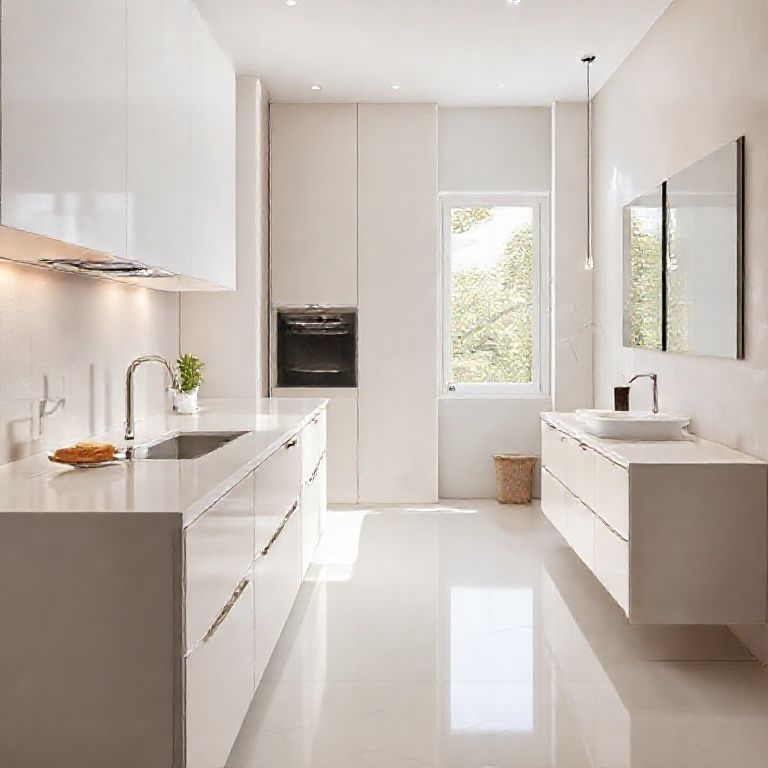
Stone slate, with its natural look, brings a unique, rustic beauty to any bathroom. The texture and veining of natural stone slate are one-of-a-kind, offering a timeless appeal that can complement various design styles. The rich, organic patterns found in natural stone can add a sense of luxury and elegance to any space.
Maintenance: The Effort Factor
Maintenance is a crucial factor to consider when choosing between ceramic and stone slate countertops. Ceramic sinks are generally low-maintenance. They are highly resistant to stains and are easy to clean with basic household cleaners. Because ceramic does not absorb water, it is less susceptible to bacterial growth, making it a hygienic choice for a bathroom environment.
In contrast, stone slate countertops, especially natural stone, require more careful maintenance. They are more prone to staining due to their porous nature. To keep them looking their best, they often need regular sealing to prevent stains from penetrating the stone. Additionally, spills can leave marks that are difficult to remove, requiring diligent cleaning and maintenance.

Cost: The Financial Aspect
Cost is often a decisive factor in any home improvement project. Ceramic sink countertops tend to be more affordable than stone slate countertops. The price range for ceramic can vary widely depending on the design and quality, but generally, it is more accessible to a broader audience.
Stone slate, particularly high-end natural stone, can be significantly more expensive. The cost of natural stone is influenced by factors such as rarity, quality, and the labor-intensive process of cutting and polishing. However, engineered stone provides a cost-effective alternative that still offers many of the aesthetic benefits of natural stone at a lower price point.
In the previous part, we examined the durability, aesthetics, maintenance, and cost aspects of ceramic sink countertops versus stone slate countertops. Now, let’s explore some additional factors that can help you make the final decision based on environmental impact, installation process, and long-term considerations.

Environmental Impact: Sustainability Considerations
The environmental impact of your countertop choice is becoming an increasingly important consideration. Ceramic is manufactured using high-energy processes and typically involves the use of non-renewable resources. While advancements in recycling and energy-efficient production methods have improved the sustainability of ceramic, it still has a higher carbon footprint compared to natural stone.
Natural stone slate, particularly when sourced sustainably, offers a more environmentally friendly option. Many natural stone materials are renewable and can be harvested in a way that minimizes environmental disruption. Additionally, the durability of natural stone means it lasts longer, reducing the need for frequent replacements, which can have a positive impact on the environment over time.
Installation Process: Ease and Expertise
The installation process is another critical aspect to consider. Ceramic sink countertops are generally easier to install. They are available in a variety of formats, including tiles, slabs, and pre-formed sinks, which can be installed by a DIY enthusiast or a professional with relative ease. The installation process for ceramic is straightforward, and the material’s hardness means it can often be installed over existing substrates without much preparation.
Stone slate, on the other hand, requires more expertise for installation. The natural irregularities of stone slabs mean that fitting them together can be a complex process. Professionals often need specialized skills to ensure a seamless installation that maintains the aesthetic integrity of the stone. Additionally, the weight and size of natural stone slabs can make installation more labor-intensive and potentially more costly.
Long-Term Considerations: Value and Lifecycle
When evaluating the long-term value and lifecycle of your countertop, it’s important to consider both the initial cost and the ongoing maintenance. Ceramic sink countertops, while generally affordable, may require more frequent replacement due to their susceptibility to scratches and chips. However, the low maintenance and ease of cleaning can offset some of these costs over time.
Stone slate, especially natural stone, tends to have a longer lifespan due to its durability and resistance to wear. The initial investment may be higher, but the longevity of the material can provide better value over time. Additionally, the timeless aesthetic of natural stone can maintain its appeal and value even as trends in ceramic designs change.
Conclusion: Finding the Perfect Fit
Ultimately, the decision between ceramic sink countertops and stone slate countertops comes down to your specific needs and preferences. If you prioritize durability, low maintenance, and a wide range of aesthetic options, ceramic may be the better choice. On the other hand, if you value natural beauty, sustainability, and are willing to invest in a more complex installation process, stone slate could be the perfect fit.
By weighing the factors of durability, aesthetics, maintenance, cost, environmental impact, installation process, and long-term considerations, you can make a well-informed decision that will enhance both the beauty and functionality of your bathroom for years to come. Whether you choose ceramic or stone, both options offer unique advantages that can transform your bathroom into a space of elegance and practicality.