Choosing Between Countertops: Engineered Stone vs. Quartz
Introduction
When it comes to selecting the perfect countertop for your kitchen or bathroom, the decision between engineered stone and quartz can be challenging. Both materials offer impressive aesthetics and functionality, but each comes with its unique set of advantages and drawbacks. This article aims to provide a detailed comparison of these two popular countertop options, focusing on their composition, durability, cost, maintenance, and overall suitability for various spaces.
What Are Engineered Stone and Quartz Countertops?
Engineered Stone Countertops
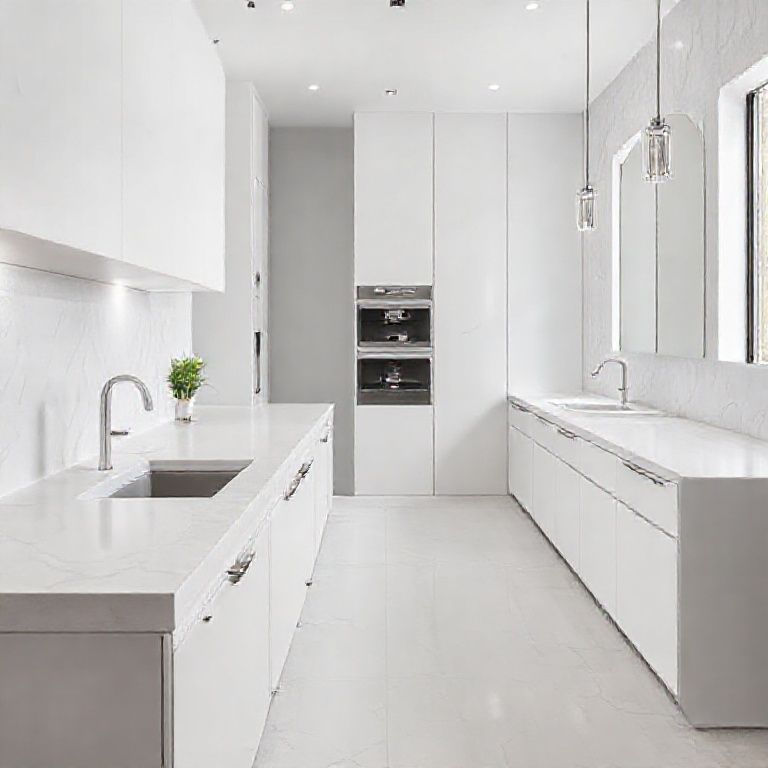
Engineered stone, also known as cultured stone, is a composite material made from natural stone, typically marble, combined with resin and other additives. This combination is processed under high pressure and temperature, resulting in a solid surface that mimics the look of natural stone while offering enhanced durability and flexibility.
Quartz Countertops
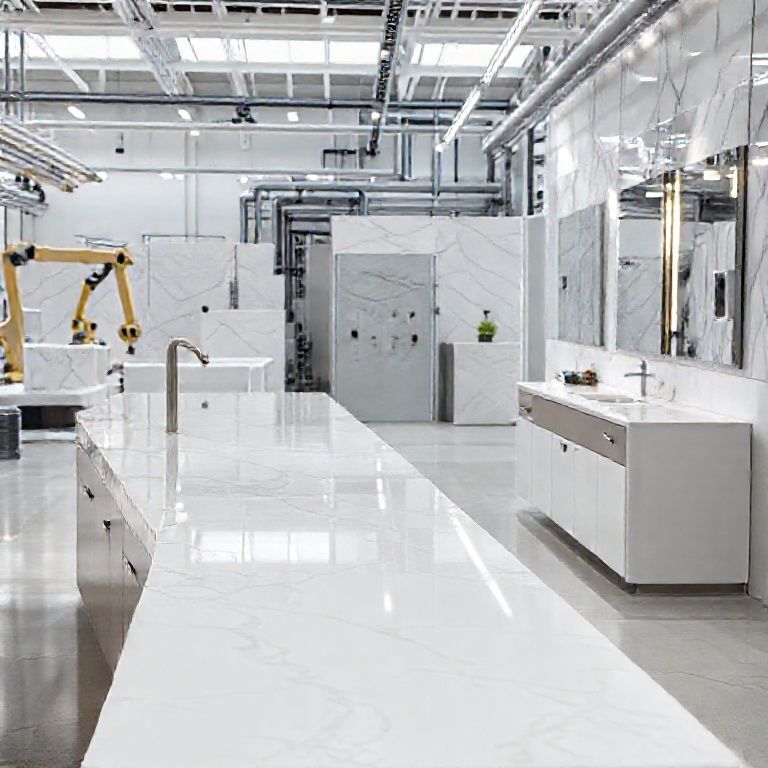
Quartz, on the other hand, is a modern composite material made from 93% pure quartz and 7% resin. This mixture is poured into molds and then heated to high temperatures, which fuses the quartz particles together to form a solid, seamless surface. Quartz countertops are known for their impressive aesthetic qualities and resistance to scratches, stains, and heat.
Composition and Manufacturing
Engineered Stone
The process of creating engineered stone involves several steps:
Crushing and Grinding: Natural stone, usually marble, is crushed and ground into a fine powder. Mixing: The stone powder is combined with a resin binder and other additives. Molding and Curing: The mixture is poured into molds and subjected to high pressure and heat to fuse the particles together.
Quartz
The manufacturing process for quartz is similarly meticulous:
Mixing: Pure quartz powder and resin are thoroughly blended. Molding: The mixture is poured into molds and subjected to high temperatures to fuse the quartz particles together. Curing: The material is left to cure, resulting in a solid, seamless surface.
Both materials undergo rigorous quality control processes to ensure durability and aesthetic consistency.
Durability and Hardness
Engineered Stone
Engineered stone is renowned for its durability. However, its hardness can vary depending on the type of stone used and the specific manufacturing process. Typically, engineered stone is harder than traditional stone and offers excellent resistance to scratches and chips.
Quartz
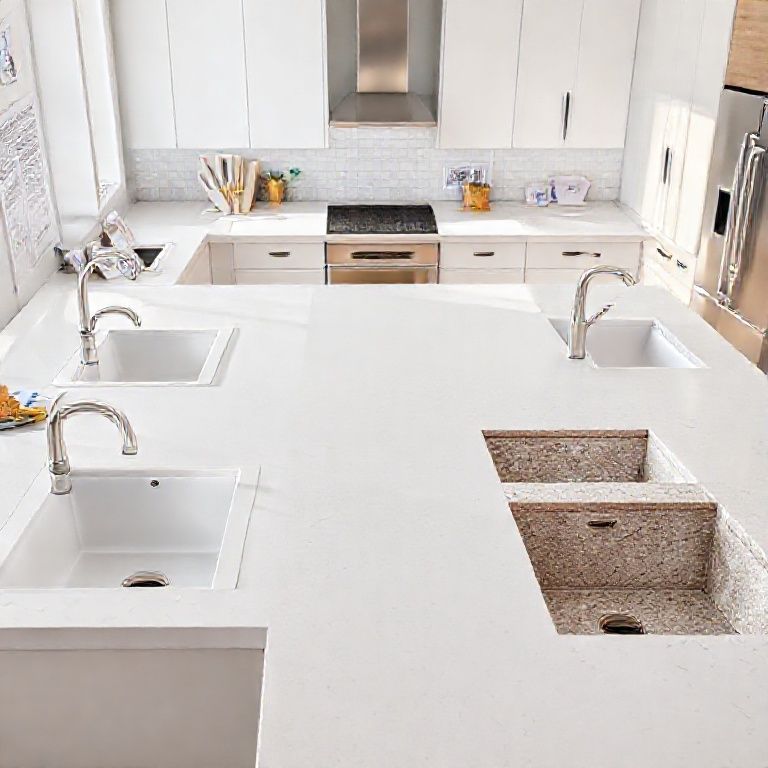
Quartz stands out as one of the hardest materials available, ranking a 7 on the Mohs scale. This makes it incredibly resistant to scratches, stains, and heat. Quartz countertops are virtually indestructible, offering a long-lasting and low-maintenance surface.
Cost
Engineered Stone
The cost of engineered stone countertops can vary widely based on the type of stone used and the complexity of the design. Generally, engineered stone is more affordable than high-end natural stone options but can be more expensive than some synthetic alternatives.
Quartz
Quartz countertops are typically more expensive than engineered stone due to their superior hardness and the advanced manufacturing process involved. However, their longevity and low maintenance often justify the higher upfront cost.
Aesthetic Appeal
Engineered Stone
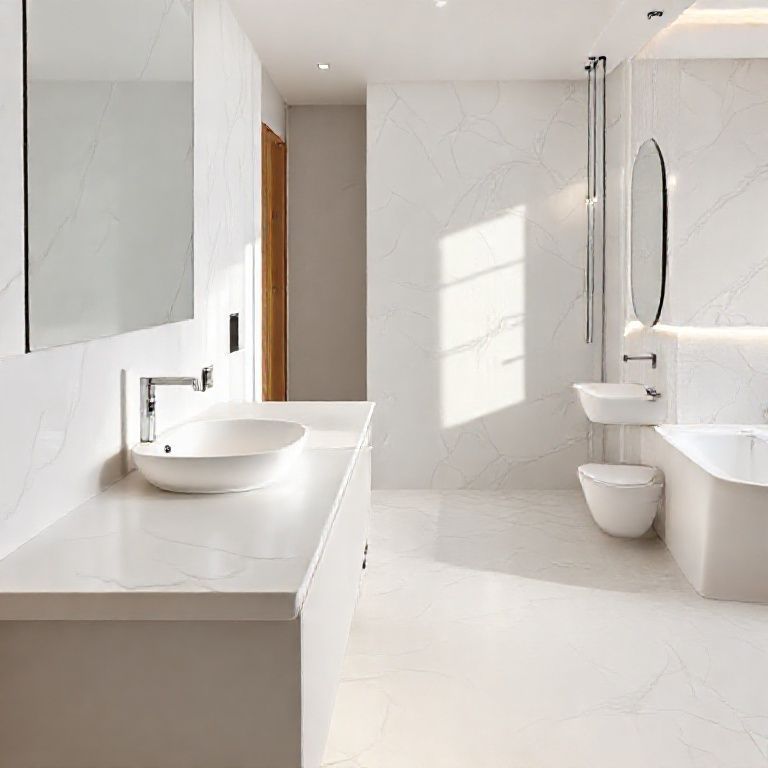
Engineered stone offers a wide range of color and texture options, allowing for a high degree of customization. The surface can mimic the appearance of various natural stones, including marble, granite, and quartz, providing a luxurious look at a more accessible price point.
Quartz
Quartz countertops are celebrated for their stunning aesthetic appeal. The material offers a flawless, seamless surface that can be customized in virtually any color, pattern, and texture. The result is a modern, high-end look that is both timeless and versatile.
Maintenance
Engineered Stone
Engineered stone is relatively low-maintenance but requires some care to maintain its appearance. It is important to use a soft cloth and mild soap to clean the surface, avoiding abrasive cleaners that can scratch the material. Regular sealing may be necessary to protect the stone from stains and spills.
Quartz
One of the biggest advantages of quartz countertops is their low maintenance. Due to their high hardness, quartz surfaces are virtually impervious to scratches, stains, and heat damage. Regular cleaning with a mild soap and water solution is usually sufficient to keep them looking pristine. Unlike natural stone, quartz does not require sealing or sealing as often, making it an ideal choice for busy households.
Suitability for Kitchens and Bathrooms
Engineered Stone in Kitchens
Engineered stone countertops are a great option for kitchens that require a balance of durability and aesthetic appeal. Their resistance to scratches and chips makes them suitable for high-traffic areas, while their customizable nature allows for a wide range of design options.
Engineered Stone in Bathrooms
In bathrooms, engineered stone offers a luxurious look that can complement various design styles. However, its lower resistance to moisture compared to quartz makes it less ideal for areas exposed to frequent water splashes.
Quartz in Kitchens
Quartz countertops excel in kitchens due to their superior durability and resistance to heat, making them perfect for areas near stoves and ovens. Their stain and scratch resistance ensure that they maintain their pristine appearance even in high-traffic areas.
Quartz in Bathrooms
Quartz’s resistance to moisture and stains makes it an excellent choice for bathroom countertops. Its seamless, flawless surface is perfect for areas exposed to water and humidity, ensuring long-lasting beauty and functionality.
Environmental Impact
Engineered Stone
The production of engineered stone involves the use of natural stone, which can have environmental implications. However, the manufacturing process is designed to minimize waste and maximize the use of the natural stone. Additionally, the use of resin and other additives can introduce some environmental concerns, although these are generally managed through responsible production practices.
Quartz
Quartz countertops are made from pure quartz and resin, making their environmental impact relatively low compared to natural stone products. The production process is efficient, and the material’s durability reduces the need for frequent replacements, further minimizing environmental impact.
Conclusion
Choosing between engineered stone and quartz countertops ultimately depends on your specific needs, preferences, and budget. Engineered stone offers a blend of durability and aesthetic appeal at a more accessible price point, while quartz provides unmatched hardness, stain resistance, and low maintenance, justifying its higher cost with long-lasting beauty and functionality. Both materials offer impressive qualities that can enhance the beauty and functionality of your kitchen or bathroom.
In the next part of this article, we will explore the installation process, design versatility, and specific use cases for both engineered stone and quartz countertops, providing a comprehensive guide to help you make an informed decision.
Choosing Between Countertops: Engineered Stone vs. Quartz
Installation Process
Engineered Stone
The installation process for engineered stone countertops is relatively straightforward. Typically, they are available in large slabs that can be cut to fit your desired dimensions. Professional installation is recommended to ensure a precise fit and to handle any challenges that may arise during the process. The material’s hardness and weight can make installation more demanding compared to some other countertop options, so choosing experienced installers is crucial for a flawless finish.
Quartz
Quartz countertops are known for their seamless, solid surface, which makes them ideal for both large and small installations. The material is available in various thicknesses and can be cut to size with relative ease. Due to its high hardness and density, quartz slabs can be challenging to handle during installation, and professional installation is highly recommended. The precise, flawless nature of quartz allows for intricate designs and custom cuts, making it a popular choice among installers and designers.
Design Versatility
Engineered Stone
Engineered stone offers a wide range of design possibilities. Because it can mimic the appearance of various natural stones, it provides designers with the flexibility to create unique and personalized designs. The material’s customizable nature allows for a variety of colors, patterns, and textures, making it suitable for both traditional and modern design styles. Whether you’re looking for a rustic marble look or a sleek granite finish, engineered stone can be tailored to meet your aesthetic preferences.
Quartz
Quartz countertops are renowned for their versatility in design. The material can be crafted into an infinite number of colors, patterns, and textures, allowing for truly unique and customized designs. From classic white marble to bold, vibrant hues, quartz offers a virtually limitless palette of options. Its seamless surface enables intricate designs and detailed patterns that can enhance any space, making it a favorite among designers and homeowners seeking a high-end, customizable look.
Specific Use Cases
Engineered Stone in Commercial Spaces
Engineered stone is a popular choice for commercial spaces due to its durability and aesthetic versatility. It is commonly used in restaurants, cafes, and commercial kitchens where high-traffic areas require a resilient surface. The material’s ability to mimic various natural stones makes it suitable for a wide range of commercial design styles, from rustic to modern.
Engineered Stone in ResidentialUse Cases
Engineered Stone in Residential Spaces
In residential settings, engineered stone offers a luxurious yet affordable alternative to natural stone. It is often used in kitchen countertops, bathroom vanities, and even outdoor patios. Its customizable nature allows homeowners to choose designs that match their personal style and home decor. Engineered stone’s durability and resistance to scratches and chips make it an excellent choice for busy households.
Quartz in Commercial Spaces
Quartz countertops are a staple in commercial environments due to their exceptional durability and low maintenance. They are widely used in hospitals, schools, restaurants, and offices where hygiene and aesthetics are paramount. The material’s resistance to stains, bacteria, and heat makes it ideal for areas exposed to frequent use and cleaning.
Quartz in Residential Spaces
In residential settings, quartz countertops have become increasingly popular due to their impressive appearance and low maintenance requirements. Homeowners appreciate the material’s versatility, allowing it to blend seamlessly with various design styles from modern to traditional. The flawless, seamless surface of quartz provides a pristine and elegant look that enhances the beauty of any kitchen or bathroom.
Long-Term Value
Engineered Stone
While engineered stone offers excellent durability and a range of design options, its long-term value can be influenced by the type of stone used and the specific manufacturing process. Generally, engineered stone provides a good balance of cost and quality, making it a practical choice for many homeowners. However, its resistance to moisture and some chemicals may not match that of quartz, potentially affecting its longevity in high-moisture areas.
Quartz
Quartz countertops offer superior long-term value due to their unmatched hardness, durability, and resistance to scratches, stains, and heat. The material’s ability to maintain its pristine appearance over time means that it requires minimal maintenance and seldom needs replacement, making it an excellent investment. The longevity and low maintenance of quartz make it a cost-effective choice in the long run, even though the initial cost may be higher.
Sustainability
Engineered Stone
The sustainability of engineered stone depends on the source of the natural stone used and the manufacturing process. While the use of natural stone materials can contribute to sustainability, the production process can also have environmental implications. However, responsible manufacturing practices and the use of reclaimed or recycled stone can help minimize environmental impact.
Quartz
Quartz countertops are made from pure quartz and resin, making their environmental impact relatively low compared to natural stone products. The production process is efficient, and the material’s durability reduces the need for frequent replacements, further minimizing environmental impact. Quartz’s long-lasting nature and low maintenance contribute to its sustainability, making it a responsible choice for eco-conscious consumers.
Conclusion
Choosing between engineered stone and quartz countertops ultimately depends on your specific needs, preferences, and budget. Engineered stone offers a blend of durability, aesthetic versatility, and affordability, making it a practical choice for many homeowners and commercial spaces. Quartz, on the other hand, provides unmatched hardness, stain resistance, and low maintenance, justifying its higher cost with long-lasting beauty and functionality.
Both materials offer impressive qualities that can enhance the beauty and functionality of your kitchen or bathroom. Whether you prioritize durability, design versatility, or long-term value, both engineered stone and quartz have unique advantages that can cater to a wide range of design preferences and practical requirements.
In making your decision, consider factors such as installation complexity, maintenance needs, and the specific environment where the countertop will be used. Consulting with professionals and exploring the latest trends in countertop materials can also provide valuable insights to help you make an informed choice.
By weighing the pros and cons of engineered stone and quartz, you can select the countertop material that best suits your lifestyle, design vision, and budget, ensuring a beautiful and functional addition to your home or business.