Choosing Between Quartzite and Granite for Your Cabinet Countertops: The Ultimate Guide
When it comes to selecting the perfect material for your cabinet countertops, the decision between quartzite and granite is often a tough one. Both materials boast impressive qualities, but they cater to different preferences and needs. In this part of our guide, we’ll delve into the fundamental characteristics, aesthetics, durability, and cost aspects of both quartzite and granite to help you make an informed decision.
1. What Are Quartzite and Granite?
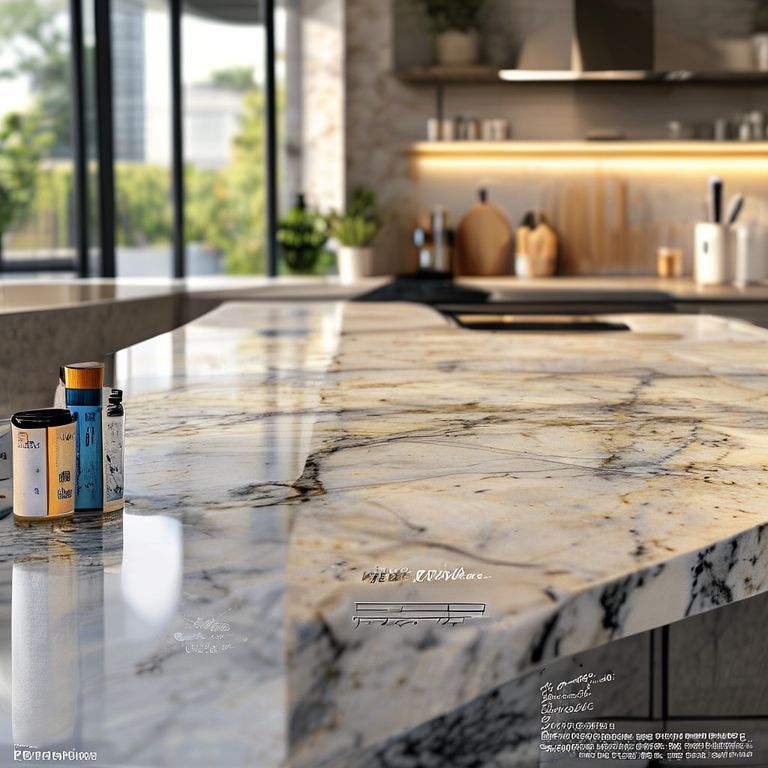
Quartzite: Quartzite is a type of engineered stone made from a combination of natural quartz and other minerals, bonded together with resin. This creates a composite material that mimics the look of natural stone but offers superior durability and resistance.
Granite: Granite, on the other hand, is a natural stone that has been quarried and polished for thousands of years. It’s composed of three primary minerals: quartz, feldspar, and mica, which combine to form a strong, natural stone.
2. Aesthetics and Design Versatility
Quartzite: One of the standout features of quartzite is its versatility in terms of color and design. Manufacturers can create quartzite in a wide array of hues, from classic marble-like shades to more exotic patterns. This allows for greater customization and the ability to match various design styles seamlessly.
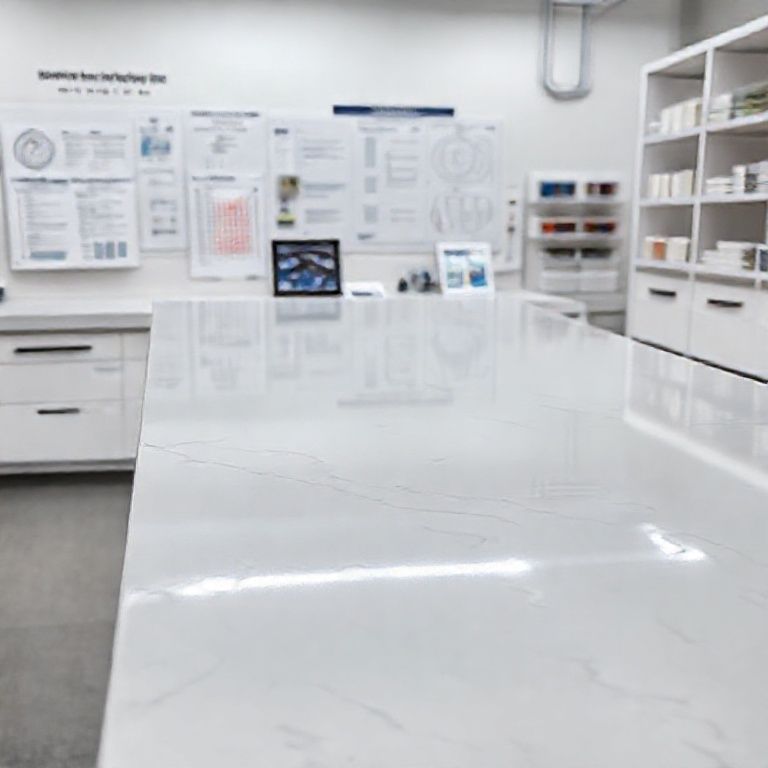
Granite: Granite also offers a broad spectrum of colors and patterns, but it’s inherently more natural and unique. Each granite slab is distinct, providing a one-of-a-kind look that can add character and authenticity to your space. Granite is often preferred for its traditional appeal and timeless elegance.
3. Durability and Strength
Quartzite: The engineered nature of quartzite means it is exceptionally durable. It is known for its high scratch and stain resistance, making it an excellent choice for high-traffic areas. Quartzite countertops are also impervious to thermal damage and won’t etch from hot pots and pans. This makes them a low-maintenance option that can withstand the rigors of daily use.
Granite: Granite is renowned for its strength and durability, though it doesn’t quite match the engineered durability of quartzite. While it is highly resistant to scratches and stains, it can still be etched by acidic foods and beverages. Additionally, granite slabs are susceptible to heat damage, so it’s recommended to use a trivet or hot pad to avoid thermal burns.
4. Maintenance Requirements
Quartzite: Maintenance for quartzite is relatively straightforward. A simple wipe-down with a mild soap and water solution will keep it looking pristine. Since it doesn’t absorb liquids, spills can be easily cleaned up without leaving stains. For deeper cleaning, a commercial quartzite cleaner is recommended to maintain its glossy finish.
Granite: Granite countertops require more meticulous care. They should be wiped with a soft cloth and mild soap to avoid etching from acidic substances. To maintain their beauty, a granite sealant is recommended every 6 to 12 months. This helps to repel stains and restore the countertop’s shine. It’s also essential to use cutting boards and hot pads to prevent scratches and heat damage.
5. Cost Considerations
Quartzite: Quartzite generally falls in the mid-to-high price range, making it a bit more expensive than some other countertop materials. However, its durability and low maintenance can offset this cost in the long run. The price can vary based on the design and color you choose.
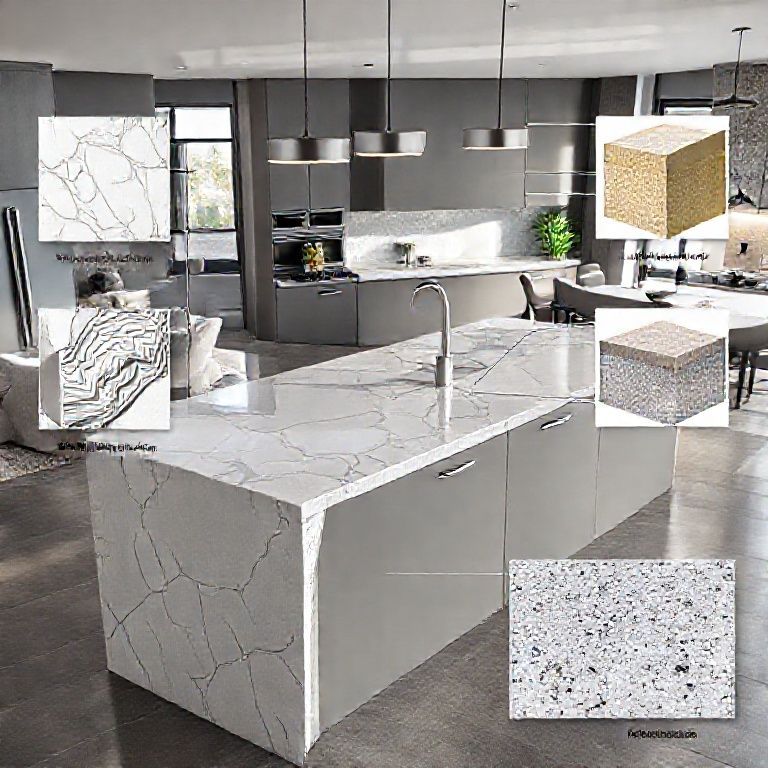
Granite: Granite tends to be one of the most expensive countertop materials due to its natural origin and the extensive polishing process required to achieve its classic look. The cost can vary widely depending on the type of granite and its unique patterns. High-end granite varieties can be quite pricey, but they offer a luxurious and timeless appeal.
Conclusion
When deciding between quartzite and granite for your cabinet countertops, consider your aesthetic preferences, durability needs, and maintenance capabilities. Quartzite offers unparalleled durability and low-maintenance, making it an excellent choice for those who prioritize long-lasting and easy-to-care-for surfaces. Granite, on the other hand, provides a natural, unique beauty that can add character and elegance to your space, though it requires more upkeep.
In the next part of this guide, we’ll further explore the installation process, environmental impact, and specific use cases for both quartzite and granite to help you make the ultimate decision for your countertop needs.
Choosing Between Quartzite and Granite for Your Cabinet Countertops: The Ultimate Guide
Continuing our in-depth comparison of quartzite and granite countertops, this second part will focus on the installation process, environmental impact, and specific use cases for each material. By understanding these aspects, you’ll be better equipped to choose the best option for your kitchen or bathroom renovation.
1. Installation Process
Quartzite: Installing quartzite countertops is relatively straightforward. The material comes in large sheets that can be cut to fit your countertop space. Because of its engineered nature, quartzite slabs can be easier to cut and install compared to natural stone like granite. Additionally, the installation process typically involves a simple adhesive bonding, which makes it easier and quicker to complete.
Granite: Granite slabs are usually thicker and heavier than quartzite sheets, which can make installation more challenging. Granite requires careful cutting to achieve precise measurements, and the heavier weight may necessitate professional installation to ensure proper support and stability. Additionally, because granite is a natural stone, it may need additional work to ensure it fits perfectly without gaps.
2. Environmental Impact
Quartzite: The production of quartzite involves the use of resin and other synthetic materials, which can raise concerns about its environmental impact. While it’s an engineered material, it’s generally considered more sustainable than solid granite extraction because it doesn’t require mining. Additionally, quartzite’s durability means it lasts longer, reducing the need for frequent replacements and minimizing waste.
Granite: Granite is a natural stone that requires extensive mining processes, which can have significant environmental impacts. The quarrying of granite can lead to habitat destruction, soil erosion, and water pollution. However, responsible mining practices can mitigate some of these effects. Once installed, granite countertops have a long lifespan, which can offset the initial environmental costs.
3. Specific Use Cases
Quartzite: Quartzite is ideal for areas where durability and low maintenance are paramount. It’s a great choice for high-traffic areas such as kitchen countertops, bathroom vanities, and dining tables. Its resistance to scratches, stains, and thermal damage makes it suitable for busy households and commercial kitchens where surfaces are subject to frequent wear and tear.
Granite: Granite is perfect for spaces where a natural, luxurious look is desired. Its unique patterns and timeless elegance make it an excellent choice for kitchen countertops, bathroom vanities, and dining tables. Granite’s appeal lies in its natural beauty and the sense of permanence it offers. It’s often chosen for spaces where aesthetic value is prioritized over practical durability.
4. Longevity and Value Retention
Quartzite: Quartzite’s durability and low maintenance translate to long-term value retention. Because it doesn’t require frequent sealing or repairs, it maintains its appearance and functionality over many years. This longevity can make quartzite a more economical choice in the long run, even though the initial cost might be higher.
Granite: Granite also offers excellent longevity, but its value retention depends on proper maintenance. When regularly sealed and cared for, granite countertops can retain their beauty and value for decades. However, neglect can lead to stains and etching, which can reduce their resale value. The initial cost of granite might be higher, but its timeless appeal and durability can justify the investment.
5. Safety and Health Considerations
Quartzite: Quartzite is made from natural quartz combined with resin, so it’s generally safe for use in kitchens and bathrooms. The resin used in its production is food-safe, ensuring that it won’t leach harmful chemicals into your food or water. Additionally, its non-porous nature means it doesn’t harbor bacteria, making it a safe choice for health-conscious individuals.
Granite: Granite is composed of natural minerals, including quartz, and it’s generally safe to use. However, some concerns have been raised about the potential release of radon gas from granite. Radon is a naturally occurring radioactive gas that can seep from granite into homes. To mitigate this risk, it’s recommended to ensure proper ventilation and consider radon testing, especially in basements and other enclosed spaces.
Conclusion
In the final part of our guide, we’ll summarize our findings and provide a clear recommendation on whether quartzite or granite is the better choice for你的选择取决于你的具体需求和偏好。
美观与设计
Quartzite: 由于其多样的颜色和图案,可以适应各种现代和传统设计风格。它的外观和质感与天然石材非常相似,但更加均匀和一致。 Granite: 天然石材的独特纹理和颜色使其在追求自然美感和永恒经典风格的家庭中非常受欢迎。每一块花岗岩都是独一无二的,提供了无法复制的自然之美。
耐用性与维护
Quartzite: 高度耐用,抗污性和抗刮擦性极强,非常适合高流量区域。清洁和维护简单,只需要基本的日常擦拭即可保持光洁。 Granite: 尽管耐用,但需要定期密封以防止污渍和酸性液体的侵蚀。它也比较容易受热损伤,因此需要使用垫子或热垫来防止热损伤。
成本
Quartzite: 通常比花岗岩更昂贵,但由于其耐用性和低维护需求,可能在长期内更经济实惠。 Granite: 通常是市场上最昂贵的台面材料之一,价格从几百到几千美元不等,具体取决于材质和图案。
安装与施工
Quartzite: 安装相对简单,适合DIY爱好者,或只需简单的专业安装。 Granite: 由于其质量和重量,通常需要专业的石材安装公司进行安装,这可能会增加整体成本。
环保与可持续性
Quartzite: 由于其合成材料的使用,可能在环保性上不如天然石材。但其长寿命可以减少更换的频率,从而降低环境负担。 Granite: 开采过程可能对环境造成影响,但其天然特性和耐用性使其在可持续性方面有一定优势。
总结与建议
如果你重视美观、现代设计,并且希望低维护的台面,Quartzite可能是你的最佳选择。它的多样性和耐用性使其适合各种家庭和设计风格。
如果你追求天然的美感、经典的永恒风格,并且愿意为其定期维护付费,Granite是一个无可比拟的选择。它能为你的空间带来独特的自然之美。
无论你选择哪种材料,最终的决定应根据你的具体需求、预算和个人喜好来做。建议在做决定前,多咨询专业人士并查看样品,以便做出最符合你期望的选择。