Choosing Between Quartzite and Granite for Your Kitchen Countertops: Which is the Better Choice?
When it comes to selecting the perfect material for your kitchen countertops, the decision between quartzite and granite can be challenging. Both of these materials have their own unique set of benefits and drawbacks. This part of the article will focus on the fundamental aspects of each material, including their durability, aesthetics, and maintenance requirements, to help you make a well-informed decision.
Durability
Durability is a crucial factor when choosing kitchen countertops, as it determines how long your countertop will last and withstand everyday wear and tear. Both quartzite and granite are known for their impressive durability, but they excel in slightly different areas.
Quartzite: Quartzite is a composite material made from 94% natural quartz and 6% resin binder. This composition results in a material that is highly durable and extremely resistant to scratches, cuts, and stains. Its hardness rivals that of granite, ranking a 7 on the Mohs scale. This makes quartzite an excellent choice for high-traffic areas where durability is a top priority.
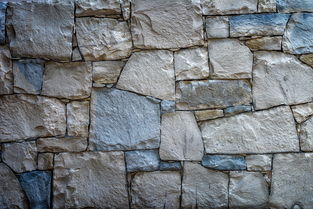
Granite: Granite, on the other hand, is a natural stone that has been used for centuries for its durability and beauty. It is composed of minerals such as quartz, feldspar, and mica, and its hardness typically ranges from 6 to 7 on the Mohs scale. While granite is incredibly durable, it is slightly less scratch-resistant compared to quartzite. However, its natural beauty and availability in a wide range of colors and patterns make it a popular choice for many homeowners.
Aesthetics
The aesthetic appeal of your kitchen countertops can significantly impact the overall look and feel of your space. Both quartzite and granite offer unique and visually stunning options, but they cater to different tastes and styles.
Quartzite: Quartzite’s aesthetic appeal lies in its consistent and uniform appearance. Since it is a composite material, it can be manufactured to mimic the look of various natural stones, including granite, marble, and even wood. This versatility allows quartzite to blend seamlessly into any kitchen design, whether modern, traditional, or eclectic.
Granite: Granite’s beauty comes from its natural stone characteristics. It offers a unique, one-of-a-kind look with its natural veins and colors that make each slab distinct. Granite is available in a vast array of colors and patterns, from classic grays and blacks to vibrant reds, greens, and even blue. This natural beauty can add a luxurious and timeless touch to your kitchen, making it a favorite among those who appreciate the aesthetic of natural stone.
Maintenance
Maintenance is an essential consideration when choosing kitchen countertops. The right material will not only look great but also require minimal upkeep to maintain its appearance and functionality.
Quartzite: Quartzite countertops are relatively low-maintenance. They are scratch-resistant and do not require sealing. This means that you can enjoy the beauty of quartzite without the hassle of regular maintenance. While spills and stains will not penetrate the surface, it’s still a good idea to clean quartzite countertops promptly to avoid any potential discoloration.
Granite: Granite countertops, on the other hand, require more maintenance. They need to be sealed regularly to protect against stains and discoloration. The sealing process involves applying a protective layer to the surface to create a barrier against liquids. While this may seem like extra work, the result is a countertop that retains its beautiful appearance for years to come. Additionally, it’s important to clean granite countertops promptly to prevent any stains from setting in.
Cost
Cost is often a major factor in the decision-making process when it comes to kitchen countertops. Both quartzite and granite offer different price points that can fit various budgets.
Quartzite: Quartzite typically falls in the mid to high price range. While it may have a higher upfront cost compared to some other countertop materials, its durability and low maintenance make it a worthwhile investment. Additionally, because quartzite can be manufactured to mimic the appearance of more expensive natural stones, it offers a cost-effective alternative without sacrificing quality.
Granite: Granite is generally one of the more expensive countertop options due to its natural stone composition. However, the cost can vary widely depending on the type of granite, its color, and the quality of the slab. High-end granite varieties can be significantly more expensive than others. Despite the higher cost, many people find that the natural beauty and timeless elegance of granite make it worth the investment.
Choosing Between Quartzite and Granite for Your Kitchen Countertops: Which is the Better Choice?
In the second part of our detailed comparison, we will delve deeper into specific aspects such as heat resistance, environmental impact, installation, and long-term value to provide a comprehensive understanding of the pros and cons of quartzite and granite. This information will help you make a well-rounded decision for your kitchen renovation.
Heat Resistance
Heat resistance is a critical factor for kitchen countertops, especially if you frequently cook and use your countertops for various tasks. Both quartzite and granite offer excellent heat resistance, but they have different properties that make one potentially more suitable than the other depending on your needs.
Quartzite: Quartzite is renowned for its exceptional heat resistance. It can withstand temperatures up to 450 degrees Fahrenheit without warping, cracking, or staining. This makes quartzite an ideal choice for areas where hot pots and pans are regularly placed. Its heat-resistant properties ensure that your countertop will remain cool to the touch even when exposed to high temperatures, providing a safe and practical cooking surface.
Granite: While granite is also heat-resistant, it is slightly less durable in this regard compared to quartzite. Granite can withstand temperatures up to about 350 degrees Fahrenheit before it starts to show signs of heat damage. However, because granite is a natural stone, it can be susceptible to thermal shock, which occurs when it is suddenly exposed to extreme temperatures. To prevent this, it’s important to let hot pots and pans cool down slightly before placing them on the granite countertop.
Environmental Impact
When choosing kitchen countertops, it’s also important to consider the environmental impact of the materials. Both quartzite and granite have different environmental footprints that can influence your decision.
Quartzite: Quartzite is a manufactured composite material, which means it is made from natural quartz and a resin binder. While it offers a sustainable alternative to natural stone, the production process involves the use of resin, which can have environmental implications. However, quartzite’s durability and low maintenance reduce the need for frequent replacements, which can help minimize its overall environmental impact over time.
Granite: Granite is a natural stone that is extracted from quarries. The environmental impact of granite includes the energy and resources required for mining and transportation. However, granite is a natural material that does not require any additional processing or chemicals, which can be seen as a positive aspect from an environmental standpoint. Additionally, granite is a renewable resource because new granite deposits can be found and mined, although this process does have an impact on the environment.
Installation
Installation is another crucial factor when choosing kitchen countertops. The ease of installation can impact both the cost and the overall project timeline.
Quartzite: Quartzite countertops are generally easier to install compared to natural stone options like granite. They come in large, pre-cut slabs that fit standard countertop dimensions, making the installation process straightforward. Additionally, quartzite’s lightweight nature makes it easier to handle during installation. Most professionals can install quartzite countertops in a single day, which can help keep your kitchen renovation project on schedule.
Granite: Granite countertops require more precise cutting and installation due to their natural stone nature. Each slab is unique and may need to be cut to fit the specific dimensions of your countertop space. This process can be time-consuming and may require additional labor costs. However, the skilled craftsmanship involved in installing granite can result in a seamless and professional finish.
Long-Term Value
When considering long-term value, it’s important to look at the overall cost-effectiveness and durability of quartzite versus granite.
Quartzite: Quartzite offers excellent long-term value due to its durability, low maintenance, and consistent appearance. Its resistance to scratches, cuts, and stains ensures that your investment will hold up well over the years. While quartzite may have a higher upfront cost, its longevity and minimal maintenance needs make it a cost-effective choice in the long run.
Granite: Granite also provides long-term value, but it may require more maintenance and periodic sealing to protect its beauty and durability. The cost of sealing and potential repairs can add to the overall expense over time. However, for those who appreciate the natural beauty and timeless elegance of granite, the investment can be worth it. Additionally, granite’s durability and unique appearance can increase the resale value of a home, making it a smart继续探讨石英石(Quartzite)与花岗岩(Granite)作为厨房台面材料的选择,我们来看它们在实际使用中的一些具体细节,以及它们在不同家庭和生活方式中的适用性。
实际使用中的细节
石英石:
抗污性和耐污性:由于其高硬度和耐污性,石英石对大多数常见的清洁剂和化学品都有很好的耐受性。即使是咖啡、果汁和油污等常见的厨房污渍,也能轻松清洁,不会留下痕迹。 易于清洁:石英石表面光滑,不易藏污纳垢,只需用湿布和温和的清洁剂即可保持其光洁如新。
无需密封:相比于花岗岩,石英石不需要定期密封,这意味着维护成本和时间更低。
花岗岩:
天然美观:花岗岩的天然纹理和颜色各异,能为厨房增添独特的美感。但其美观性也可能因为污渍和使用痕迹而受损。 需要密封:花岗岩需要定期密封以保持其抗污性和防止颜色褪色。密封剂不仅提供额外的保护,还能保持台面的光泽。 耐热性:虽然花岗岩也有较好的耐热性,但其对极端热源的耐受性稍逊于石英石。
如果你经常在厨房摆放热锅具,石英石可能是更好的选择。
适用性
家庭和生活方式:
家庭规模大的家庭:如果你的家庭成员较多,或者经常有客人,那么石英石可能是更好的选择。它的高耐用性和易于清洁的特点,能够应对频繁的使用和清洁需求。 有小孩或宠物的家庭:小孩和宠物可能会在台面上溅洒食物和饮料。石英石的耐污性和易于清洁的特点,可以让家长们更放心地让孩子和宠物在厨房活动。
追求简约现代风格的家庭:石英石可以提供现代和简约的外观,适合各种风格的现代厨房设计。 重视环保和可持续性的家庭:石英石作为一种合成材料,虽然在生产过程中有环境影响,但其长寿命和低维护需求可能使其在环保方面的总体影响较小。
总结
最终选择石英石还是花岗岩,还是取决于你的个人偏好、生活方式以及厨房的具体需求。石英石以其耐用性、易于清洁和低维护成为许多现代家庭的首选,而花岗岩则因其独特的天然美观和传统的石材质感吸引那些追求独特风格和自然美的人。无论选择哪一种,都能为你的厨房带来美观和实用的体验。