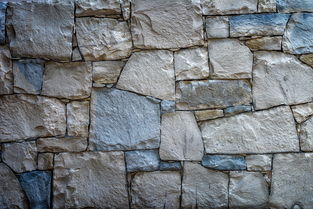
Introduction to Quartz vs. Marble Countertops
When it comes to selecting countertops for your kitchen or bathroom, two of the most popular choices are quartz and marble. Both materials have their unique set of benefits and drawbacks, and the decision between the two can significantly impact the aesthetics, durability, and maintenance of your space. In this first part of our comprehensive guide, we will delve into the fundamental aspects of both materials, exploring their origins, styles, durability, and maintenance requirements.
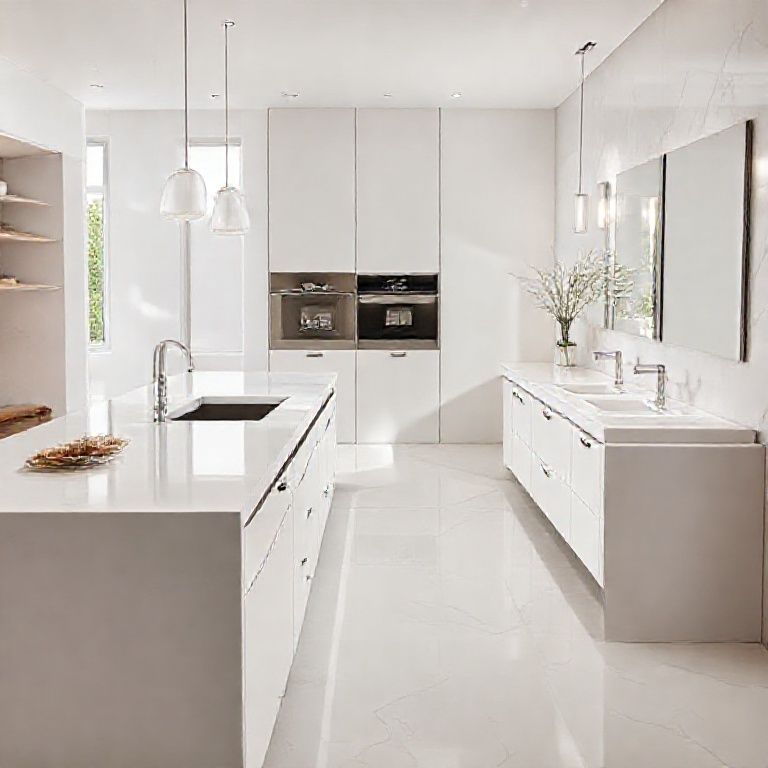
The Origins and Aesthetics of Quartz and Marble
Quartz: Quartz countertops are a relatively new innovation in the world of kitchen and bathroom design. They are made from 93% quartz powder, mixed with a resin binder, and then poured into molds to create a variety of designs and colors. Quartz is manufactured to mimic the look of natural stone but with the added benefit of being more uniform and consistent in appearance. Quartz countertops come in a wide range of styles, from sleek and modern to rustic and traditional, providing limitless design possibilities.
Marble: On the other hand, marble is a natural stone that has been used for centuries in architecture and interior design. It is formed from the metamorphism of limestone, resulting in a beautiful, veined pattern unique to each piece. Marble is prized for its timeless elegance and luxurious appearance. However, its natural origin means that no two pieces are exactly alike, which can be both a blessing and a curse. Marble countertops come in various colors and patterns, adding a touch of sophistication and natural beauty to any space.
Durability: The Battle of Strength
Quartz: One of the standout features of quartz countertops is their exceptional durability. They are scratch-resistant and have a high resistance to heat, making them ideal for busy kitchens where spills and hot pans are common. Quartz is also resistant to stains and bacteria, ensuring that your countertop remains clean and pristine for years to come. Additionally, quartz is non-porous, which means that liquids do not penetrate the surface, further enhancing its durability.
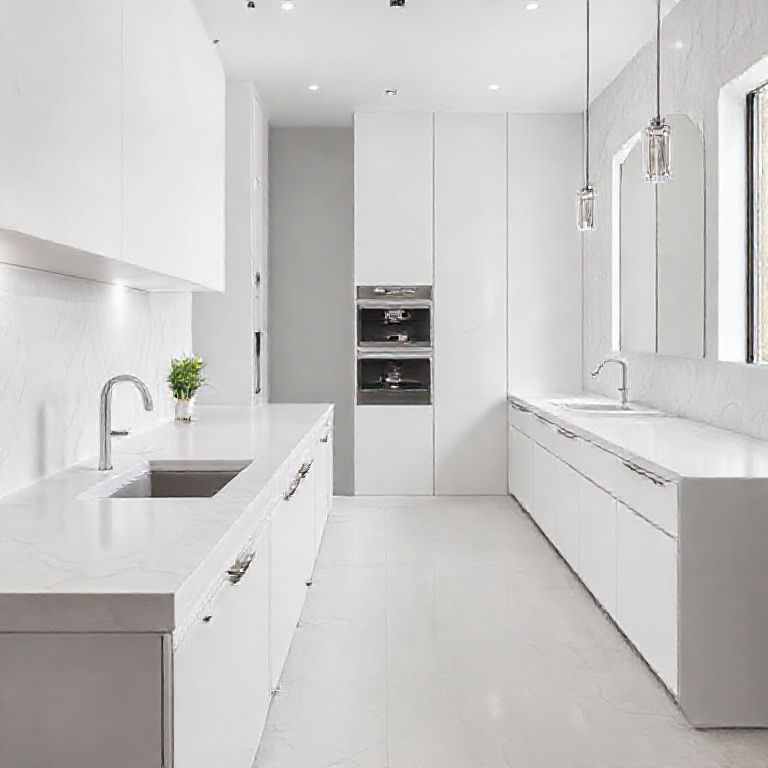
Marble: Marble, while visually stunning, is not as durable as quartz. It is highly susceptible to scratches, stains, and etching from acidic substances such as lemon juice, vinegar, and wine. Marble is also porous, which means that spills can seep into the stone, leading to stains and damage over time. While high-quality marble countertops can be sealed to some extent, they still require regular maintenance to keep their beauty intact.
Maintenance: Keeping Your Countertops Looking Great
Quartz: The maintenance of quartz countertops is relatively straightforward. Since they are non-porous, they do not require sealing or any special maintenance to prevent stains. Regular cleaning with mild soap and water is usually sufficient to keep your quartz countertop looking new. However, it’s essential to avoid using abrasive cleaners or scrubbers, as they can scratch the surface. For minor scratches, a quartz countertop repair kit can be used to restore the surface to its original shine.
Marble: Maintaining marble countertops requires more effort and attention. To prevent stains and etching, it’s crucial to wipe up spills immediately and avoid using acidic or abrasive cleaners. Marble countertops should be sealed periodically to create a protective barrier against stains and damage. The sealing process involves applying a marble sealant to the surface, allowing it to dry, and then buffing it to a shine. Depending on the level of traffic and exposure, sealing may need to be done every 6 to 12 months. Regular cleaning with a mild marble cleaner and a soft cloth will help keep your marble countertop looking its best.
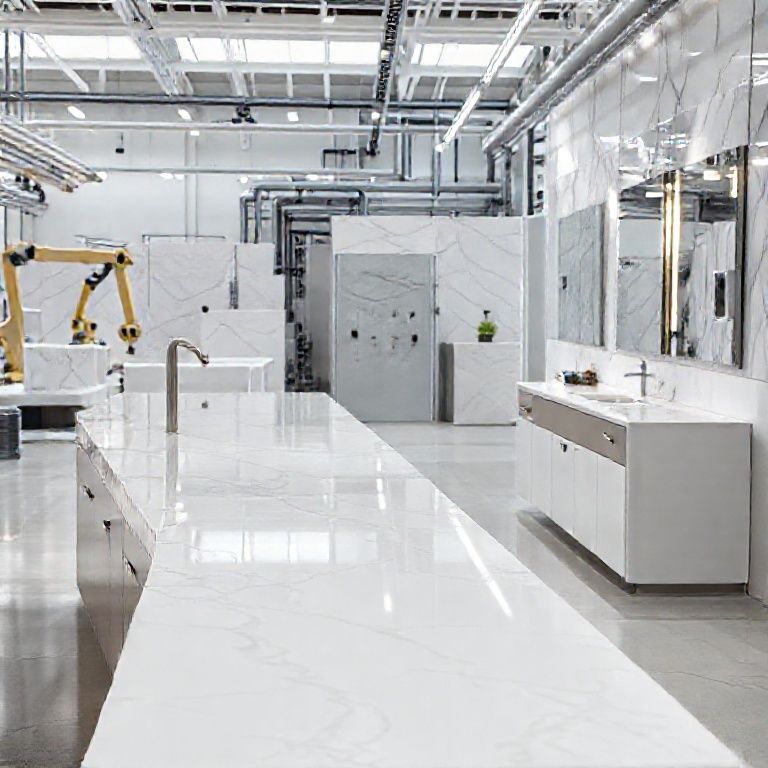
Cost: Investing in Quality
Quartz: The cost of quartz countertops can vary widely depending on the design, color, and manufacturer. On average, quartz countertops range from $20 to $60 per square foot, making them a cost-effective option for many homeowners. Higher-end designs and colors can push the cost closer to the upper end of the spectrum, but the overall cost is generally competitive with other countertop materials.
Marble: Marble countertops are typically more expensive than quartz due to their natural origin and the labor-intensive process of quarrying and cutting the stone. The cost of marble countertops ranges from $50 to $300 per square foot, depending on the type of marble, the complexity of the design, and the quality of the craftsmanship. High-end marble varieties, such as Italian or Brazilian marble, can cost even more, making them a significant investment.
Conclusion
In the first part of our comprehensive guide, we’ve explored the fundamental aspects of quartz and marble countertops, including their origins, aesthetics, durability, and maintenance requirements. Quartz offers a modern, durable, and low-maintenance alternative to traditional marble, while marble provides a luxurious, natural beauty that has captivated designers for centuries. In the next part, we will delve deeper into the specific benefits and considerations of each material, helping you make an informed decision based on your unique needs and preferences.
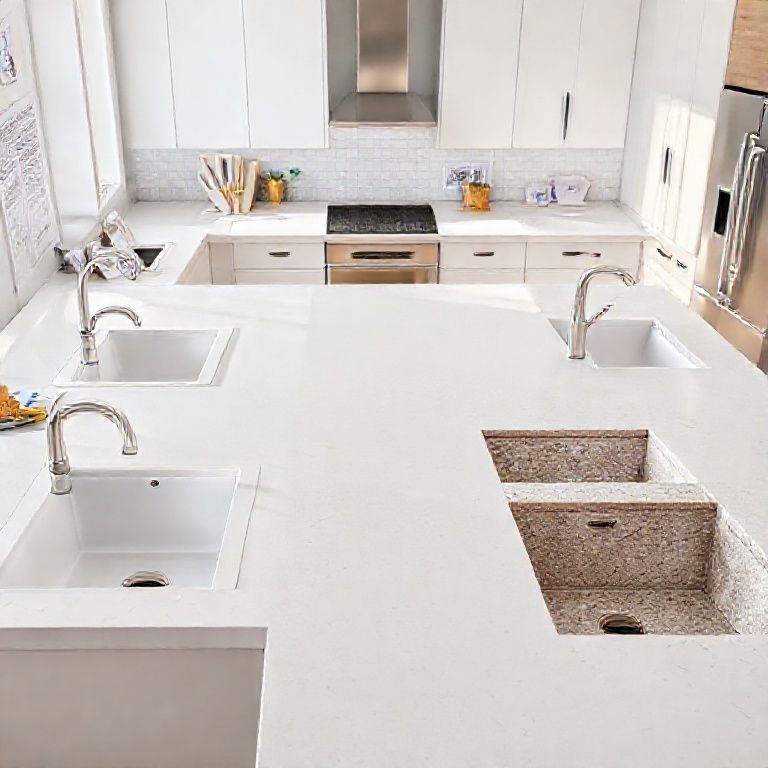
Specific Benefits and Considerations
Detailed Comparison: Quartz vs. Marble Countertops
Design and Customization: Quartz: Quartz countertops offer unparalleled design flexibility. The material can be engineered to mimic the look of virtually any stone, wood, or even metal, providing endless possibilities for customization. Whether you prefer a sleek, modern look or a rustic, natural aesthetic, quartz can be tailored to meet your specific design needs. The color variations and patterns are consistent, ensuring that each piece looks exactly as it did when it left the factory.
Marble: Marble countertops are celebrated for their unique, natural beauty. Each piece is different, with its own distinctive pattern and color. This natural variability adds character and individuality to your space. However, the range of colors and patterns is more limited compared to quartz, and it’s often challenging to find a piece that exactly matches your vision. Additionally, marble is typically available in larger, pre-cut slabs, which may not offer the same level of customization as quartz.
Installation and Convenience: Quartz: The installation process for quartz countertops is relatively straightforward. Since they are manufactured in sheets, they can be easily cut to size and fitted into your space without much hassle. Quartz countertops are also lightweight, making them easy to handle during installation. Additionally, the uniform nature of quartz means that there are fewer surprises during installation, and the finished product will look consistent and professional.
Marble: Installing marble countertops can be more complex due to the need for precise cutting and shaping. Marble is often available in larger, pre-cut slabs that need to be customized to fit your space. The installation process can be more labor-intensive, requiring skilled labor to ensure a perfect fit. Additionally, marble is heavy, which can make the installation process more challenging. However, the natural beauty of marble often justifies the extra effort.
Long-Term Value and Investment: Quartz: Quartz countertops offer excellent long-term value due to their durability and low maintenance requirements. They are highly resistant to scratches, stains, and heat, which means they will retain their appearance and functionality for many years. The cost of maintenance for quartz is minimal, and the material’s durability ensures that it will not require costly repairs or replacements as frequently as some other countertop materials. This makes quartz a wise investment for homeowners looking for a long-lasting, low-maintenance countertop.
Marble: Marble countertops are a significant investment, both in terms of cost and maintenance. While marble offers a timeless elegance and natural beauty that can enhance the aesthetic value of your home, it also requires regular sealing and maintenance to prevent damage. The cost of maintaining marble countertops can add up over time, and the material’s susceptibility to scratches and stains means that it may require more frequent repairs or replacements compared to quartz. However, for those who prioritize the natural beauty of marble, the investment may be worthwhile.
Environmental Impact: Quartz: One of the significant advantages of quartz countertops is their environmental impact. Since quartz is a manufactured material, it does not require the extensive quarrying and cutting of natural stone, which can have significant environmental consequences. The production process for quartz is also more sustainable, with less waste generated compared to the extraction and processing of natural stone. Additionally, quartz countertops are recyclable, making them an eco-friendly choice for environmentally conscious homeowners.
Marble: Marble is a natural stone that requires extensive quarrying and cutting to produce. This process can have a significant environmental impact, including habitat destruction, water pollution, and greenhouse gas emissions. The extraction of marble also contributes to the depletion of natural resources, which can have long-term consequences for the environment. While marble is a beautiful and durable material, its environmental impact is a consideration for those who prioritize sustainability.
Conclusion: Making the Final Decision
In the second part of our comprehensive guide, we’ve delved deeper into the specific benefits and considerations of quartz and marble countertops, including their design and customization options, installation and convenience, long-term value and investment, and environmental impact. Quartz offers a modern, durable, and low-maintenance alternative with endless design possibilities, while marble provides a luxurious, natural beauty继续
Functionality and Practicality:
Quartz: Quartz countertops are highly functional due to their durability and low-maintenance nature. They are resistant to heat, stains, and scratches, making them ideal for busy kitchens where spills and hot cookware are common. Quartz also does not absorb liquids, which means that spills will not leave stains, and it is easier to clean compared to natural stone countertops. The non-porous nature of quartz also means that bacteria and germs are less likely to thrive on the surface, making it a hygienic choice for food preparation areas.
Marble: Marble countertops, while aesthetically stunning, are less practical in terms of functionality. The porous nature of marble means that spills can seep into the stone, leading to stains and damage over time. This makes marble less suitable for areas where spills are frequent, such as kitchens. Additionally, marble is susceptible to etching from acidic substances, which can leave permanent marks. While marble can be sealed to some extent, it still requires regular maintenance to maintain its beauty and functionality. This includes periodic sealing and careful cleaning to prevent stains and damage.
Aesthetic Appeal:
Quartz: Quartz countertops offer a wide range of colors, patterns, and finishes, allowing for endless design possibilities. The material can be engineered to mimic the look of various stones, woods, and metals, providing a modern and versatile aesthetic. Quartz countertops can range from sleek and contemporary to rustic and traditional, making them suitable for a variety of design styles. The consistency in appearance across different pieces ensures that your countertop will look exactly as you envisioned it.
Marble: Marble countertops are celebrated for their natural beauty and unique, veined patterns. Each piece of marble is different, with its own distinctive pattern and color, adding character and individuality to your space. Marble offers a timeless elegance that can enhance the aesthetic value of your home. The natural beauty of marble can create a luxurious and sophisticated atmosphere, making it a popular choice for high-end design. However, the variability in color and pattern means that achieving a consistent look across multiple pieces can be challenging.
Conclusion:
When deciding between quartz and marble countertops, it’s essential to consider your specific needs, preferences, and lifestyle. Quartz offers a modern, durable, and low-maintenance alternative with endless design possibilities, making it a practical choice for many homeowners. Marble, on the other hand, provides a luxurious, natural beauty that can enhance the aesthetic value of your home but requires more effort and attention in terms of maintenance.
Ultimately, the choice between quartz and marble will depend on your priorities. If you value durability, low maintenance, and versatility in design, quartz may be the better choice. If you prioritize the natural beauty and elegance of a natural stone and are willing to invest in regular maintenance, marble could be the ideal option. By weighing the pros and cons of each material, you can make an informed decision that best suits your needs and enhances the beauty of your home.