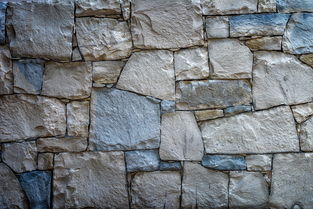
When it comes to home improvement and interior design, selecting the perfect material for window sill boards can be a challenging decision. This article explores the merits and demerits of using either wooden or marble for your window sill boards. Whether you are looking to enhance the aesthetic appeal of your home or want to ensure durability and low maintenance, we’ll guide you through the intricacies of both options. Read on to make an informed decision that aligns with your personal style and budget.
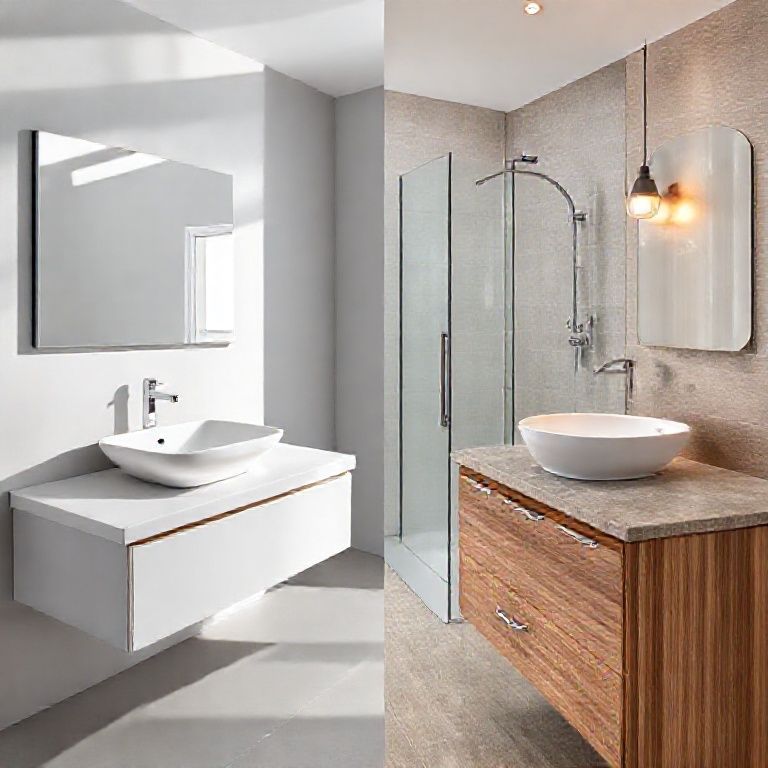
window sill board, wooden window sill, marble window sill, home improvement, interior design, material selection, durability, aesthetics, maintenance, natural beauty, cost-effectiveness, style
Aesthetic Appeal and Natural Beauty
Introduction
Selecting the right material for your window sill boards is not just about functionality but also about enhancing the overall aesthetic appeal of your home. Both wood and marble offer unique beauty and charm, each with its own set of advantages. This part delves into the aesthetic and natural beauty aspects of wooden versus marble window sill boards.
The Natural Beauty of Wooden Window Sills
Wooden window sills bring a natural and organic charm to any space. Different types of wood such as oak, mahogany, teak, and pine each offer distinct textures and colors. The warm, earthy tones of wood create a cozy and inviting atmosphere, perfect for traditional or rustic interiors.
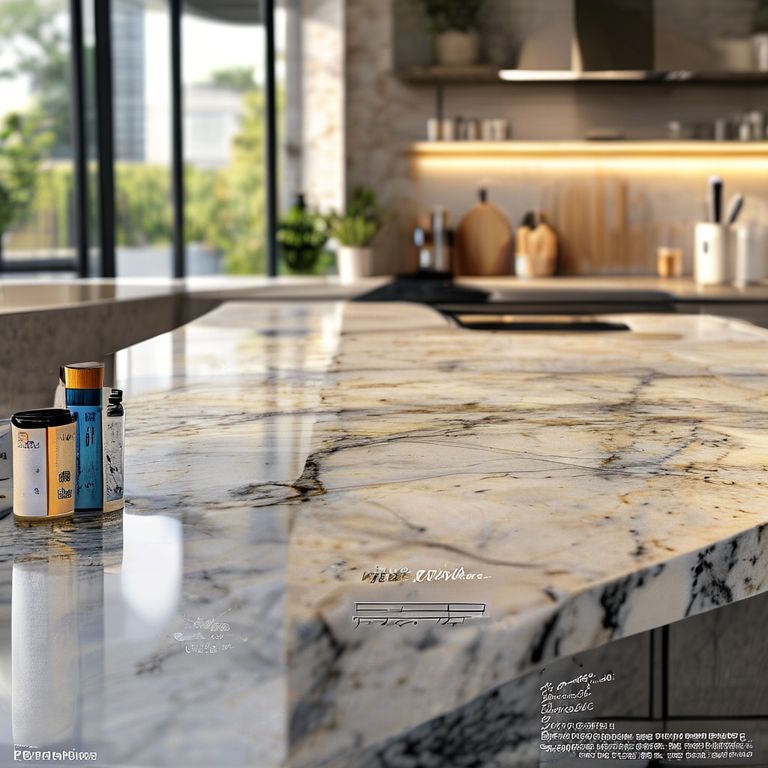
Variety and Customization: Wood offers an unmatched variety of species, grains, and finishes. You can choose from a wide range of colors and finishes, from natural to stained or painted, to match your existing decor. Wood can also be custom-shaped and designed to fit any window perfectly.
Warmth and Texture: The natural texture and warmth of wood provide a tactile and sensory experience that other materials cannot replicate. Wooden window sills add a touch of elegance and sophistication to any room, enhancing the overall interior design.
Eco-Friendliness: Wood is a natural, renewable resource. Choosing wooden window sills supports sustainable practices and reduces the carbon footprint associated with manufactured materials.
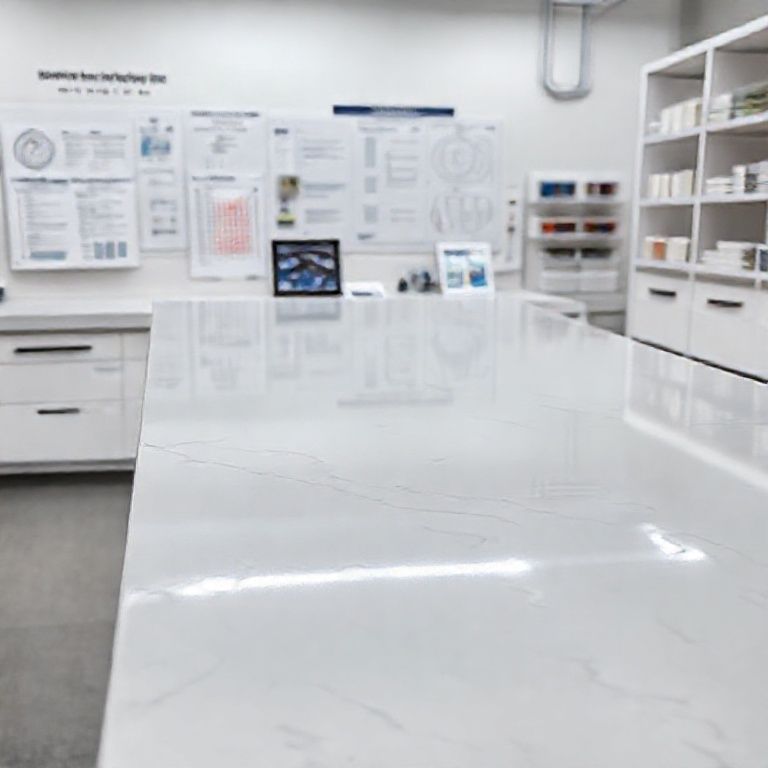
The Timeless Elegance of Marble Window Sills
Marble window sills offer a different kind of beauty – one that is sleek, luxurious, and timeless. Marble is a natural stone known for its striking patterns and rich colors, ranging from creamy whites to deep, earthy hues.
Luxurious Finish: Marble has a smooth, polished finish that exudes luxury and elegance. It adds a sense of grandeur to any space, making it a popular choice for high-end homes and commercial properties.
Unique Patterns: Marble comes in a variety of patterns and colors, each piece being unique. This individuality means that no two marble window sills are alike, adding a personal touch to your home decor.
Timeless Appeal: Marble has been used in architectural and interior design for centuries. Its timeless appeal ensures that it remains a stylish choice for generations, making it a wise investment for those looking for long-term beauty.
Conclusion
Both wooden and marble window sills offer unique aesthetic benefits that cater to different tastes and design preferences. Wooden sills bring a natural, cozy charm, while marble offers a luxurious, timeless elegance. Understanding these differences helps you choose the material that best aligns with your personal style and home decor.
Durability, Maintenance, and Cost-Effectiveness
Introduction
Beyond aesthetics, the choice between wooden and marble window sill boards involves considerations of durability, maintenance, and cost-effectiveness. This part explores these practical aspects in detail to help you make an informed decision.
Durability of Wooden Window Sills
Wooden window sills are known for their durability when properly maintained. However, their strength and longevity can vary based on the type of wood and the environmental conditions.
Hardwood vs. Softwood: Hardwoods like oak and mahogany are more durable and resistant to wear and tear compared to softwoods like pine and spruce. Hardwood sills can last longer with proper care.
Weather Resistance: While wood is generally resistant to moisture, it can still be susceptible to warping, splitting, and rotting if exposed to excessive moisture or extreme weather conditions. Regular maintenance and sealing are essential to prevent damage.
Repairability: One of the significant advantages of wood is its repairability. Minor cracks and scratches can often be repaired with wood filler or by sanding and refinishing.
Durability of Marble Window Sills
Marble is a highly durable material, but it does come with its own set of considerations.
Hardness and Strength: Marble is a very hard and dense stone, making it highly resistant to scratches and impact. It can withstand heavy use and wear without significant damage.
Moisture Resistance: Marble is generally resistant to moisture, but it can absorb water, which can lead to staining if not promptly and properly cleaned. It’s crucial to use a good quality sealant to protect marble from water damage.
Abrasion Resistance: While marble is hard, it can still be scratched by hard objects or abrasive cleaning agents. Using soft cloths and gentle cleaning methods can help maintain the shine and integrity of marble.
Maintenance Requirements
The maintenance of wooden and marble window sills varies significantly.
Wooden Window Sills: Wood requires regular maintenance to ensure its longevity and appearance. This includes: Cleaning: Regular dusting and occasional wiping with a damp cloth. Sealing: Applying a good quality wood sealant every few months to protect against moisture and prolong its life. Repairs: Addressing any minor damages promptly to prevent larger issues. Marble Window Sills: Marble needs meticulous care to maintain its beauty and durability. This includes: Cleaning: Using a soft cloth and a pH-neutral marble cleaner to avoid scratching the surface. Sealing: Applying a high-quality marble sealant to protect against stains and water damage. Avoiding Abrasives: Using non-abrasive cleaning tools and methods to prevent scratches.
Cost-Effectiveness
When considering the cost-effectiveness of wooden versus marble window sills, it’s essential to look at both the initial investment and long-term maintenance.
Initial Cost:
Wood: The cost of wooden window sills varies widely based on the type of wood and the complexity of the design. High-quality hardwoods can be expensive, but there are also more affordable options available.
Marble: Marble window sills are generally more expensive due to the material cost and the intricate craftsmanship involved. However, the timeless appeal and durability often justify the higher initial cost.
Long-Term Costs:
Wood: While wood may require more frequent maintenance, the cost of repairs is generally lower than that of marble. However, if not properly maintained, wood can be prone to significant damage that could lead to higher long-term costs.
Marble: Marble’s lower susceptibility to wear and tear means it may require less frequent maintenance. However, the cost of professional cleaning and sealing services can add up over time.
Conclusion
When it comes to window sill boards, both wood and marble have their own set of advantages in terms of durability, maintenance, and cost-effectiveness. Wooden sills offer a natural, customizable option that is often more affordable and repairable, while marble provides a luxurious, low-maintenance finish that stands the test of time. Consider your home’s environment, your maintenance capabilities, and your budget to choose the material that best suits your needs. By weighing these practical aspects alongside aesthetic considerations, you can make a well-informed decision that enhances your home’s beauty and functionality.