Choosing the Best and Most Affordable Materials for Your Cabinet Countertops
When it comes to kitchen and workspace design, the choice of materials for cabinet countertops plays a pivotal role in both the aesthetics and functionality of the space. With a plethora of options available, it’s essential to identify materials that offer the perfect blend of beauty, durability, and affordability. In this comprehensive guide, we will delve into the most popular and cost-effective materials for cabinet countertops, ensuring you make an informed decision that enhances your space without exceeding your budget.
1. Laminate Countertops: A Budget-Friendly Option
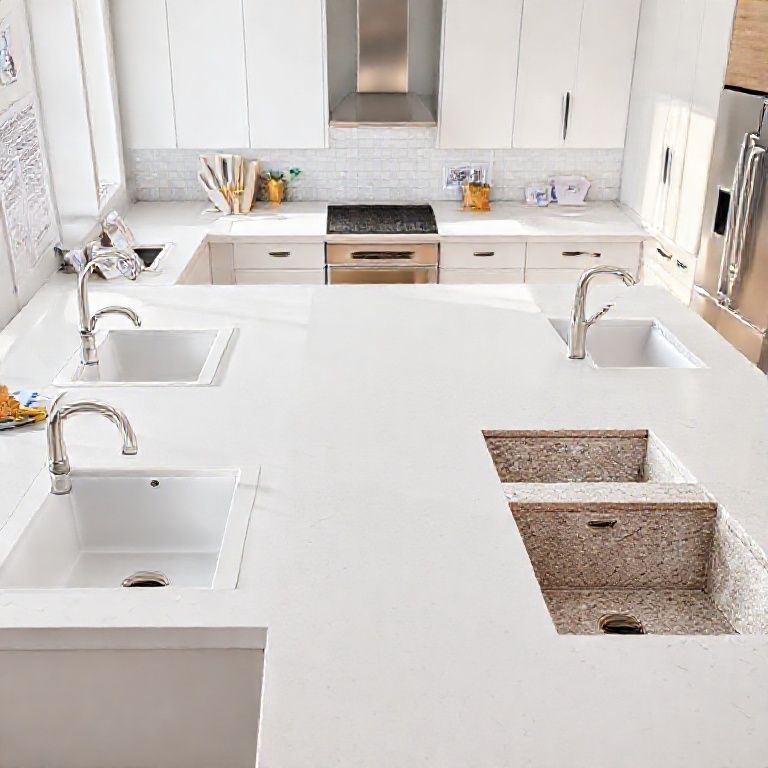
Laminate countertops are a popular choice for those seeking an affordable yet stylish solution. Made from a layer of paper infused with melamine resin, these countertops are known for their high resistance to scratches and stains. They come in an array of colors and patterns, allowing for a personalized touch that matches your kitchen’s decor.
Pros:
Cost-Effective: Laminate countertops are generally one of the most affordable options available. Variety: With numerous designs and colors to choose from, you can easily find a laminate that complements your kitchen. Easy Maintenance: They are easy to clean and maintain, requiring only a simple wipe-down with a damp cloth.
Cons:
Limited Durability: While laminate is resistant to minor scratches and spills, it can be prone to more significant damage if subjected to harsh conditions. No Warmth: Unlike natural stone, laminate does not offer the warmth and texture that can enhance the tactile experience.
2. Composite Materials: Combining Affordability and Durability
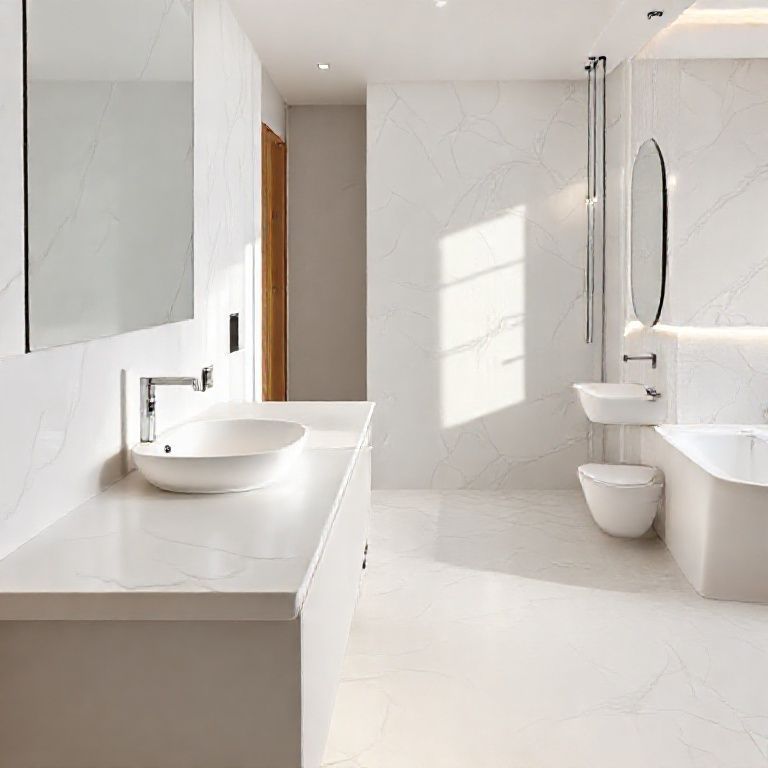
Composite materials, such as quartz and solid surface, blend the best features of various materials to create a high-performance countertop. These materials are engineered to offer both durability and an extensive range of design options.
Quartz: Pros:
Durability: Quartz is highly resistant to stains, scratches, and heat. It’s also non-porous, which makes it easy to clean and maintain. Design Options: With thousands of colors and patterns available, quartz offers endless design possibilities. Affordability: While slightly more expensive than laminate, quartz provides excellent value for its durability and aesthetic appeal.
Cons:
Installation: Requires professional installation to achieve a seamless look. Weight: Quartz is heavy, so proper support must be in place during installation.
Solid Surface: Pros:
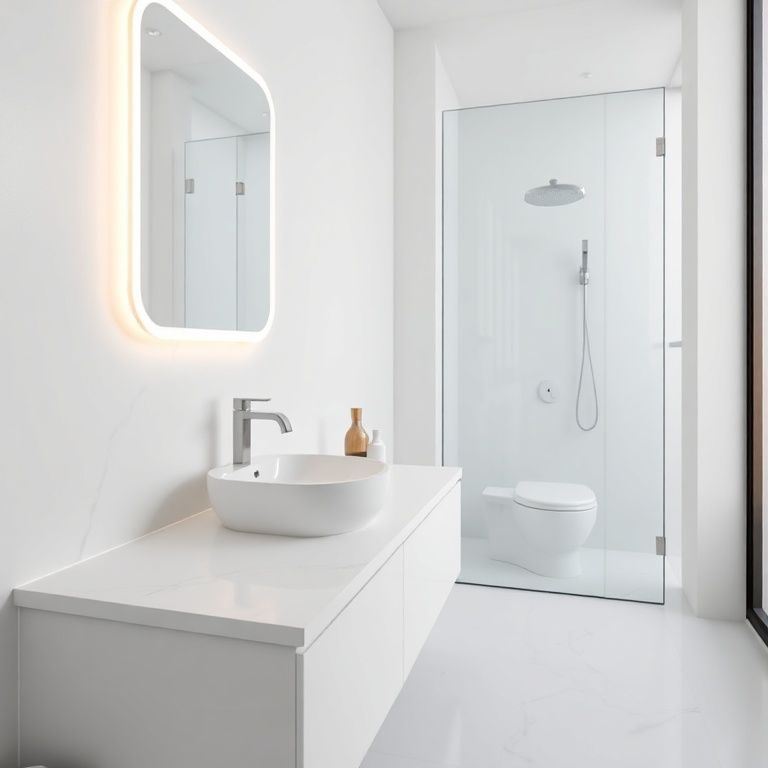
Versatility: Solid surface materials like Corian and Formica are available in a wide range of colors and textures. Durability: These materials are highly resistant to stains, scratches, and cuts. Low Maintenance: Easy to clean with a simple wipe-down.
Cons:
Price: Generally more expensive than laminate, though still more affordable than natural stone. Installation: Requires professional installation for best results.
3. Wooden Countertops: A Natural and Warm Option
For those who appreciate the natural beauty and warmth of wood, wooden countertops offer a unique aesthetic that can elevate the look of any kitchen or workspace. However, they require careful consideration and maintenance.
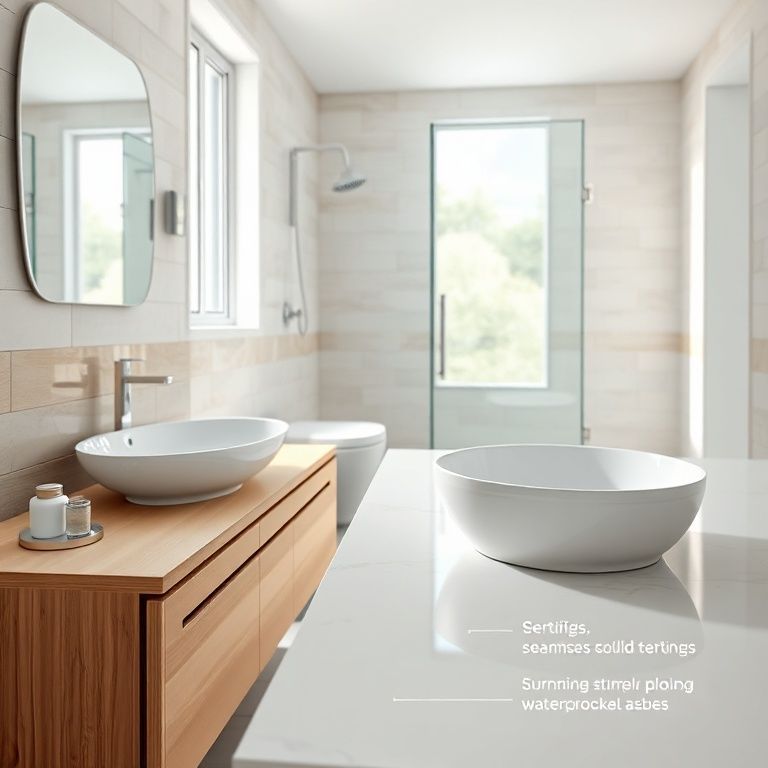
Pros:
Aesthetic Appeal: Wood provides a natural, warm, and elegant look that can add character to your space. Customizability: Wood can be stained, painted, or left natural, allowing for a personalized finish. Durability: High-quality wood can be very durable if properly maintained.
Cons:
Cost: While some woods can be affordable, high-quality options may be more expensive. Maintenance: Wood requires regular maintenance to prevent scratches, stains, and warping. It may also need refinishing over time. Moisture Resistance: Wood is susceptible to moisture, which can lead to swelling, warping, or even rot if not properly protected.
4. Metal Countertops: A Modern and Durable Choice
Metal countertops, such as stainless steel, offer a sleek, modern look that can be both functional and stylish. They are highly durable and resistant to scratches, stains, and heat.
Pros:
Durability: Metal countertops are extremely durable and long-lasting. Aesthetic Appeal: They provide a modern, industrial look that can complement various kitchen styles. Easy Maintenance: They are easy to clean and require minimal upkeep.
Cons:
Cost: Metal countertops can be expensive, depending on the type of metal and design. Temperature: Metal can become very hot, which may not be ideal for those who frequently use the countertop for cooking or other heat-generating activities.
5. Recycled Materials: An Eco-Friendly Choice
For environmentally conscious individuals, recycled materials present an eco-friendly option that doesn’t compromise on style or durability.
Pros:
Sustainability: Using recycled materials is a sustainable choice that reduces waste. Design Options: Many recycled materials offer unique, industrial aesthetics that can be both eye-catching and functional. Cost-Effective: Depending on the material and design, recycled options can be surprisingly affordable.
Cons:
Availability: Certain recycled materials may not be as widely available as other options. Variability: Recycled materials can vary significantly in quality and appearance.
Conclusion
Choosing the right material for your cabinet countertops involves balancing aesthetics, durability, and budget. Laminate and composite materials like quartz offer excellent affordability without sacrificing too much on quality. Wooden countertops provide a natural, warm look but require more maintenance. Metal countertops are durable and modern but can be expensive and hot. Recycled materials offer an eco-friendly option that can be cost-effective depending on the design.
By understanding these options and their respective pros and cons, you can make an informed decision that enhances your kitchen or workspace while staying within your budget. In the next part of this guide, we will explore additional materials and tips for maintaining your chosen countertop material to ensure longevity and beauty.
Choosing the Best and Most Affordable Materials for Your Cabinet Countertops (Continued)
In the previous section, we explored various affordable materials for cabinet countertops, including laminate, composite materials like quartz, wood, metal, and recycled options. In this part, we will delve deeper into additional materials and provide tips for maintaining your chosen countertop material to ensure it lasts long and maintains its beauty.
1. Granite: A Luxurious and Durable Option
While granite is generally more expensive than many other countertop materials, it offers unmatched durability and a stunning aesthetic. Granite countertops are known for their natural beauty and resistance to stains and scratches.
Pros:
Durability: Granite is one of the most durable materials available, capable of withstanding scratches, stains, and heat. Natural Beauty: Its unique, veined patterns provide a luxurious and natural look that can elevate any kitchen. Low Maintenance: Granite is non-porous, which means it doesn’t absorb liquids, making it easy to clean and maintain.
Cons:
Cost: Granite is typically more expensive than other countertop materials, depending on the type and quality. Installation: Requires professional installation to ensure a seamless look. Sealing: Although low maintenance, granite countertops need to be sealed periodically to maintain their finish and protect against stains.
2. Marble: An Elegant and Classic Choice
Marble countertops are synonymous with elegance and luxury. Known for their beautiful patterns and colors, marble offers a timeless aesthetic that can make any kitchen feel grand.
Pros:
Aesthetic Appeal: Marble’s unique, veined patterns provide an elegant and sophisticated look. Durability: High-quality marble is very durable and resistant to scratches. Easy Maintenance: Marble is non-porous, making it relatively easy to clean and maintain.
Cons:
Cost: Marble is generally expensive, especially high-quality marble. Porosity: While non-porous varieties are available, some marble is porous, which can make it more susceptible to stains if not sealed properly. Installation: Requires professional installation to ensure a smooth, seamless look.
3. Engineered Stone: A Versatile and Affordable Option
Engineered stone combines the best qualities of natural stone with the affordability and versatility of composite materials. It’s created by layering natural stone dust with resin and then cutting into slabs.
Pros:
Affordability: Engineered stone is generally more affordable than natural stone while still offering high durability. Design Options: Available in a wide range of colors and patterns, allowing for versatile design options. Durability: Highly resistant to stains, scratches, and heat.
Cons:
Weight: Engineered stone is heavier than composite materials like quartz, requiring proper support during installation. Sealing: Requires periodic sealing to maintain its finish and protect against stains.
4. Bamboo: A Sustainable and Unique Option
Bamboo countertops are an eco-friendly and unique choice that offers a modern, natural look. Made from bamboo fibers and resin, these countertops are known for their durability竹子是一种可持续且独特的选择,适合现代和自然风格的厨房或工作空间。
竹子的抗压强度高,耐用性强,并且在环保方面具有很大优势。
Pros:
环保: 竹子是快速生长的植物,可以快速更新,对环境影响小。 耐用性: 竹子具有很高的抗压强度和耐用性,适合经常使用的区域。 设计选项: 竹子表面可以进行多种处理,提供丰富的色彩和纹理选择。
Cons:
成本: 竹子材料的价格可能较高,但其耐用性和美观性使其成为长期投资。 维护: 竹子需要定期保养,以防止磨损和保持其光泽。
5. Concrete: An Industrial and Bold Choice
混凝土台面提供了一种工业风格的大胆选择。由于其独特的外观和强大的耐用性,混凝土台面在现代厨房和工作空间中非常受欢迎。
Pros:
独特性: 混凝土台面具有独特的纹理和外观,能够为空间增添现代感。 耐用性: 混凝土非常耐用,能够抵抗刮擦、污渍和高温。 可定制性: 可以通过添加不同的颜料和模具来实现各种独特的设计。
Cons:
成本: 高质量的混凝土台面可能较昂贵。 维护: 需要定期打磨和密封,以防止磨损和污染。
Maintenance Tips for Your Cabinet Countertops
清洁: 使用中性清洁剂和柔软的布清洁台面,避免使用钢丝球或其他硬质工具,以防止刮伤表面。
防护: 根据材料的特性,使用适当的防护剂。例如,对于石材,建议定期密封以防止污渍;对于竹子,建议使用专门的竹子保养油。
避免高温: 尽量避免将热锅或烤盘直接放在台面上,可以使用烤盘纸或炊具垫。
修复: 对于轻微的划痕,可以使用专门的修复膏或抛光剂。对于严重的损坏,建议咨询专业人士。