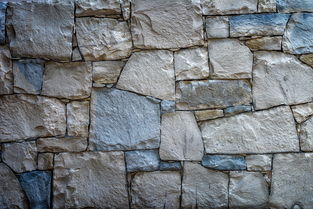
When it comes to designing your kitchen, the choice of countertop material is paramount. This comprehensive guide will walk you through the various options available, highlighting their pros and cons to help you make an informed decision. We will delve into the beauty, durability, and maintenance aspects of different materials, ensuring your kitchen countertop is both stunning and practical. Read on to discover the best material for your kitchen’s countertop.
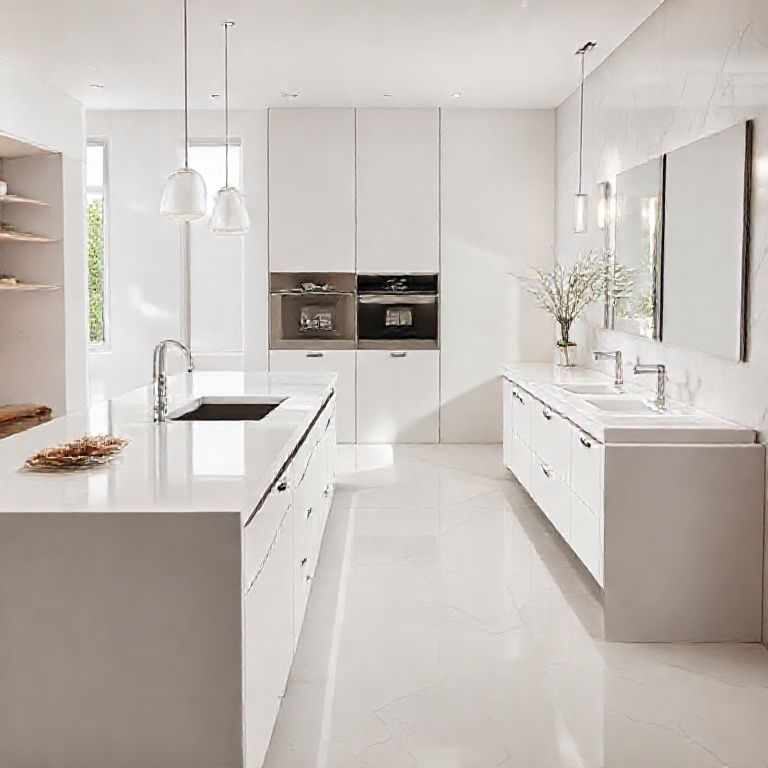
kitchen countertop, countertop material, best countertop material, kitchen design, countertop options, durable countertops, kitchen aesthetics, countertop maintenance, kitchen renovation
${part1}
Introduction to Kitchen Countertops
Choosing the right material for your kitchen countertop is a crucial decision that can make or break the look and functionality of your kitchen space. The countertop is the heart of your kitchen, serving as the primary workspace for cooking, food preparation, and more. The material you select will influence the overall aesthetic, durability, and maintenance of your kitchen. Let’s explore some of the most popular and high-quality materials available for kitchen countertops.
1. Granite: Timeless Elegance and Durability
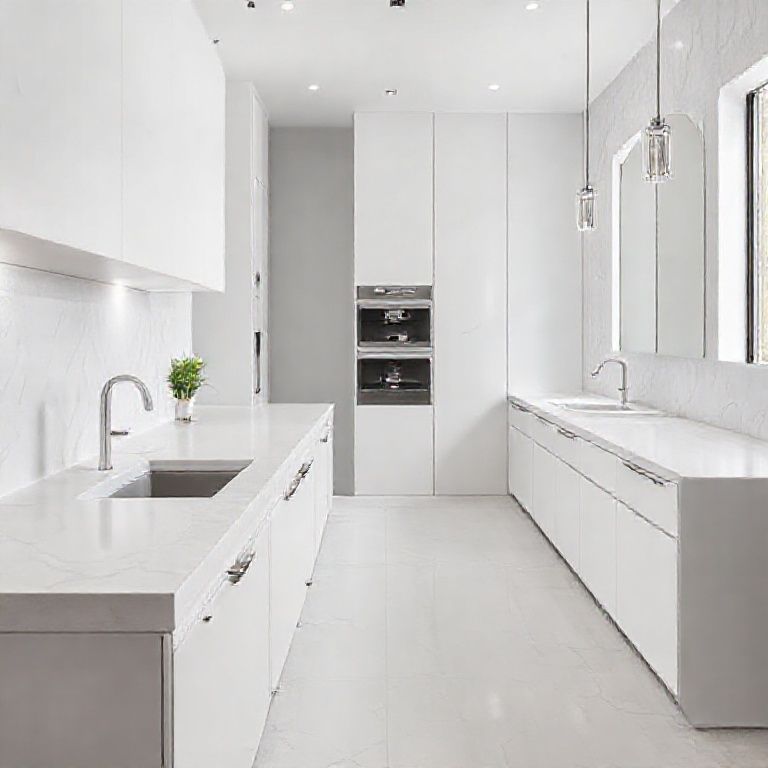
Granite is one of the most popular choices for kitchen countertops, celebrated for its timeless elegance and durability. Originating from natural stone, granite countertops come in a wide array of colors and patterns, offering unlimited design possibilities.
Pros:
Durability: Granite is incredibly hard, making it resistant to scratches, dents, and stains. It can withstand the daily wear and tear of cooking and food preparation. Aesthetic Appeal: With its unique, natural patterns, granite provides a stunning visual appeal that enhances the beauty of any kitchen. Low Maintenance: Granite is relatively easy to clean, requiring only a damp cloth and mild soap. It does not absorb odors, ensuring that your kitchen remains fresh.
Cons:
Cost: Granite countertops can be expensive, particularly when custom cuts and unique patterns are involved. Weight: Being a heavy material, granite countertops can add significant weight to your kitchen cabinets and structure.
2. Quartz: Modern and Affordable
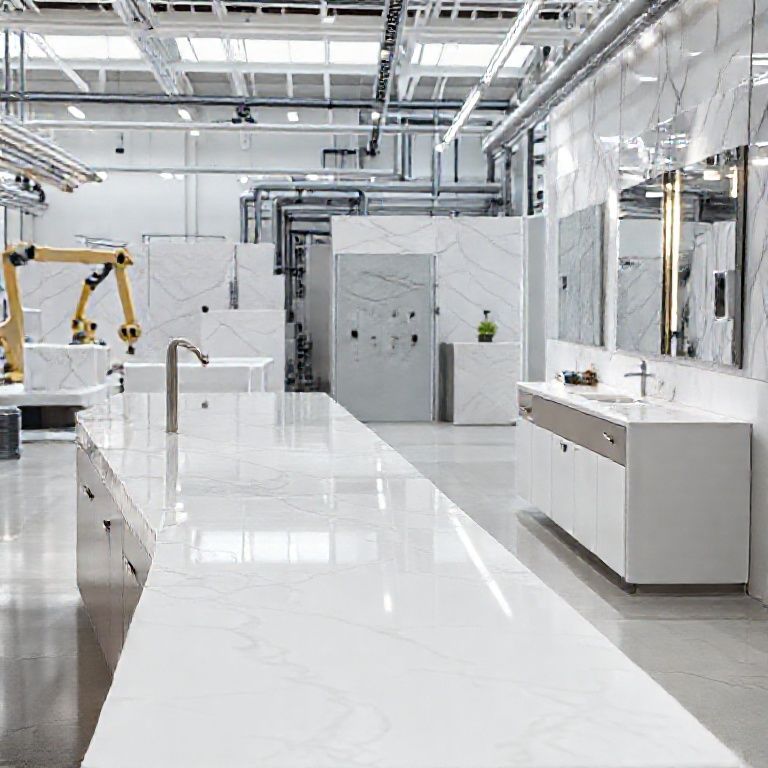
Quartz has emerged as a popular alternative to granite, offering many of the same benefits at a more affordable price point. Manufactured from a combination of quartz and other minerals, quartz countertops are known for their sleek, modern look.
Pros:
Affordability: Quartz countertops are generally more affordable than granite, without compromising on durability and aesthetics. Durability: Quartz is scratch-resistant, stain-resistant, and offers a consistent, uniform look. Ease of Installation: Quartz countertops are lightweight and easy to install, making them an attractive option for DIY enthusiasts.
Cons:
Heat Sensitivity: Although quartz is durable, it can be damaged by extreme heat. It’s important to use heat-resistant pads when placing hot pots and pans on the surface. Varied Pricing: Prices can vary widely based on color, pattern, and brand.
3. Marble: Luxury and Tradition
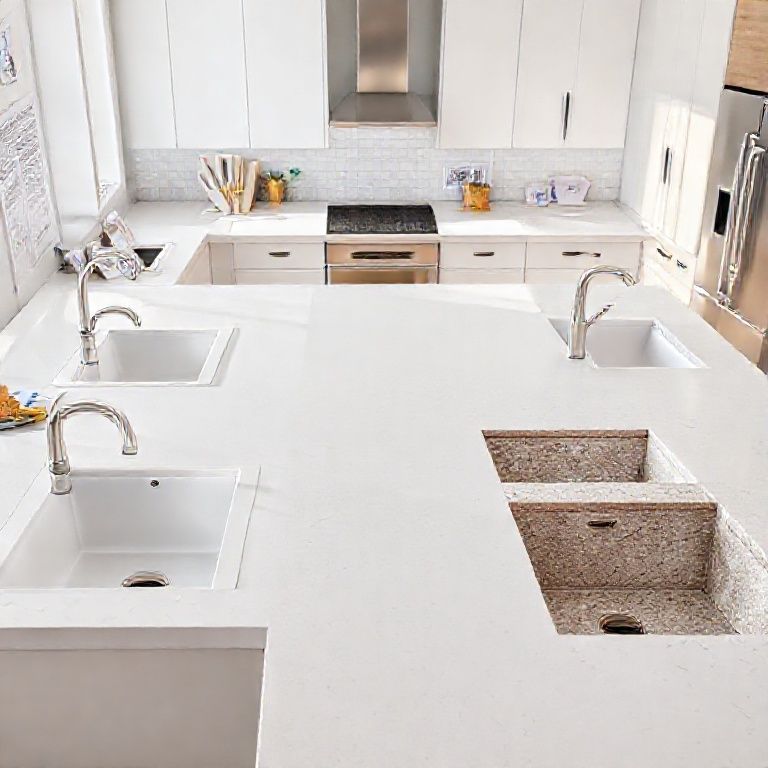
Marble has long been a symbol of luxury and tradition, offering a classic, elegant look that can elevate any kitchen. Though it’s softer than granite and quartz, marble is still a popular choice among those looking for an opulent kitchen design.
Pros:
Luxury: Marble provides a luxurious, timeless aesthetic that adds elegance to your kitchen. Variety: Marble comes in numerous colors and patterns, allowing for a personalized touch. Easy to Clean: Marble is relatively easy to clean with a damp cloth and mild soap.
Cons:
Maintenance: Marble is porous, which means it can stain easily. Regular sealing is required to maintain its beauty and longevity. Cost: High-quality marble countertops can be expensive. Fragility: Being softer than granite and quartz, marble is more susceptible to scratches and dents.
4. Composite Materials: Customization and Flexibility
Composite materials, including solid surface and engineered stone, offer a level of customization and flexibility that can cater to a wide range of design preferences.
Pros:
Customization: Composite materials can be molded into various shapes and designs, providing endless possibilities for customization. Durability: Many composite materials are scratch, stain, and heat-resistant. Affordability: Generally more affordable than natural stone options.
Cons:
Maintenance: Depending on the type, some composite materials may require regular maintenance to maintain their appearance. Weight: Some composite materials can be heavy, especially when custom designs are involved.
5. Wood: Warmth and Natural Beauty
Wood countertops bring warmth and a natural beauty to your kitchen. While less durable than stone and composite options, they offer a unique, organic aesthetic.
Pros:
Warmth: Wood provides a warm, inviting look that can make your kitchen feel cozy. Natural Beauty: Each piece of wood is unique, offering a natural, handcrafted appearance. Versatility: Wood can be stained, painted, or left natural to suit your design needs.
Cons:
Durability: Wood is softer and more prone to scratches, dents, and stains compared to other materials. Maintenance: Regular maintenance, including sealing and refinishing, is necessary to keep wood countertops looking their best. Moisture Sensitivity: Wood can be affected by changes in humidity and temperature.
Conclusion
Selecting the best material for your kitchen countertop is a decision that should balance aesthetics, durability, and maintenance. Granite and quartz offer unmatched durability and style, while marble provides a luxurious touch. Composite materials and wood bring customization and warmth to your kitchen. Consider your lifestyle, cooking habits, and design preferences when making your choice. By understanding the pros and cons of each material, you can make an informed decision that enhances both the beauty and functionality of your kitchen.
${part2}
6. Stainless Steel: Industrial Chic and Resilience
Stainless steel countertops have made a significant mark in modern kitchen design, offering a sleek, industrial chic look that’s both durable and easy to maintain.
Pros:
Durability: Stainless steel is highly durable, resistant to scratches, dents, and stains. It can withstand the rigors of daily kitchen use. Ease of Cleaning: Stainless steel is easy to clean and maintain. A damp cloth and mild soap are often sufficient to keep it looking pristine. Heat Resistance: Stainless steel can handle high temperatures, making it ideal for kitchens where cooking and food preparation are frequent.
Cons:
Aesthetic Limitations: While industrial chic is trendy, some may find it lacks the warmth and elegance of other materials. Cooling Surface: Stainless steel can be cool to the touch, which might be uncomfortable when handling hot cookware.
7. Concrete: Unique and Versatile
Concrete countertops offer a unique, modern look that’s both versatile and durable. Made from a mixture of cement, water, sand, and gravel, concrete countertops can be customized to suit various designs and color schemes.
Pros:
Customization: Concrete can be colored and textured in myriad ways, providing a highly personalized touch. Durability: Concrete is highly durable and resistant to scratches, stains, and heat. Affordability: Depending on the quality and customization, concrete countertops can be more affordable than natural stone options.
Cons:
Weight: Concrete is a heavy material, which might add extra stress to kitchen cabinets and structures. Maintenance: While durable, concrete requires regular sealing to maintain its appearance and prevent staining.
8. Vinyl: Cost-Effective and Easy to Maintain
Vinyl countertops are an affordable and practical choice for kitchens where cost and maintenance are primary concerns. Made from vinyl polymer, these countertops offer a variety of colors and patterns.
Pros:
Affordability: Vinyl countertops are generally more affordable than other materials. Ease of Maintenance: Vinyl is easy to clean and maintain, requiring only a damp cloth and mild soap. Variety: Vinyl comes in a wide range of colors and patterns, offering flexibility in design.
Cons:
Durability: Vinyl is less durable than stone and composite materials, making it more prone to scratches and dents. Heat Sensitivity: Vinyl can be damaged by extreme heat, requiring the use of heat-resistant pads.
9. Bamboo: Sustainable and Unique
Bamboo countertops offer a unique, eco-friendly option that’s both stylish and sustainable. Made from bamboo fibers and resin, these countertops provide a natural, organic look.
Pros:
Sustainability: Bamboo is a renewable resource that grows quickly, making it an environmentally friendly choice. Unique Look: Bamboo provides a distinctive, natural pattern that adds character to your kitchen. Durability: Bamboo is a hard, durable material that can withstand everyday use.
Cons:
Maintenance: Bamboo requires regular maintenance, including sealing and refinishing, to maintain its appearance. Cost: High-quality bamboo countertops can be expensive.
10. Laminate: Budget-Friendly and Easy to Install
Laminate countertops offer a budget-friendly option that’s easy to install and maintain. Made from layers of paper and resin, these countertops come in a variety of colors and patterns.
Pros:
Affordability: Laminate countertops are generally the most affordable option. Ease of Installation: Laminate is继续之前的内容,我将扩展关于各种厨房台面材料的详细信息,以便你能做出最符合你需求的选择。
11. 石英:现代且易于清洁
石英(Quartz)是一种由多种矿物质混合制成的人造石材。它结合了天然石材的美丽和耐用性,同时提供了现代厨房设计的灵活性。
Pros:
现代外观: 石英提供了多种颜色和纹理,适合各种现代和传统设计。 耐用性: 石英非常耐擦拭、耐刮擦和抗污,只需轻轻擦拭即可保持光亮。 易于清洁: 它不吸收气味,非常适合厨房环境。
Cons:
热敏感: 尽管石英非常耐用,但它对高温有一定的敏感性,因此需要使用热垫。
12. 瓷砖:经典和多样性
瓷砖是一种经典的厨房台面材料,以其多样性、耐用性和易于清洁的特点而闻名。
Pros:
经典美观: 瓷砖提供了广泛的颜色和图案选择,适合各种风格的厨房设计。 耐用性: 瓷砖非常耐用,能够承受日常的厨房使用。 易于清洁: 瓷砖表面光滑,不易积累污垢,易于清洁。
Cons:
接缝处理: 瓷砖之间的接缝需要定期处理和清洁,以防止细菌滋生。 安装复杂: 瓷砖的安装通常需要专业人员。
13. 聚合物:耐用且现代
聚合物台面是由树脂、纤维和其他材料混合制成的,具有极高的耐用性和现代外观。
Pros:
耐用性: 聚合物非常耐用,不易刮花或破裂。 现代外观: 提供多种颜色和纹理,适合现代设计。 易于清洁: 只需轻轻擦拭即可保持光洁。
Cons:
高成本: 聚合物台面通常比其他材料更昂贵。 热敏感: 尽管耐用,但它对高温仍有一定的敏感性。
14. 橡胶:环保且耐用
橡胶台面是一种环保的选择,由天然橡胶或合成橡胶制成,具有极高的耐用性和弹性。
Pros:
环保: 橡胶台面通常是可回收的,是一种环保选择。 耐用性: 非常耐用,能够承受高强度的厨房使用。 易于清洁: 表面光滑,易于清洁和维护。
Cons:
高成本: 橡胶台面通常比其他材料更昂贵。 热敏感: 橡胶对高温有一定的敏感性。
结论
选择厨房台面材料时,需要综合考虑美观、耐用性、易于清洁以及预算等因素。从天然石材如花岗岩和大理石,到现代人造材料如石英和聚合物,每种材料都有其独特的优点和缺点。了解这些细节将有助于你做出最适合你厨房需求的选择。
希望这些信息对你有所帮助!如果你有更具体的需求或问题,欢迎随时提问。