Choosing the Best Materials for Kitchen Countertops: A Comprehensive Guide
When it comes to kitchen design, the countertop is one of the most crucial elements. It’s not only the focal point of your kitchen but also an area that requires durability, ease of maintenance, and aesthetic appeal. Selecting the right material for your kitchen countertops can make a significant difference in both the functionality and longevity of your kitchen space. In this part of our guide, we will explore the most popular materials for kitchen countertops, each with its unique set of advantages and considerations.
1. Granite
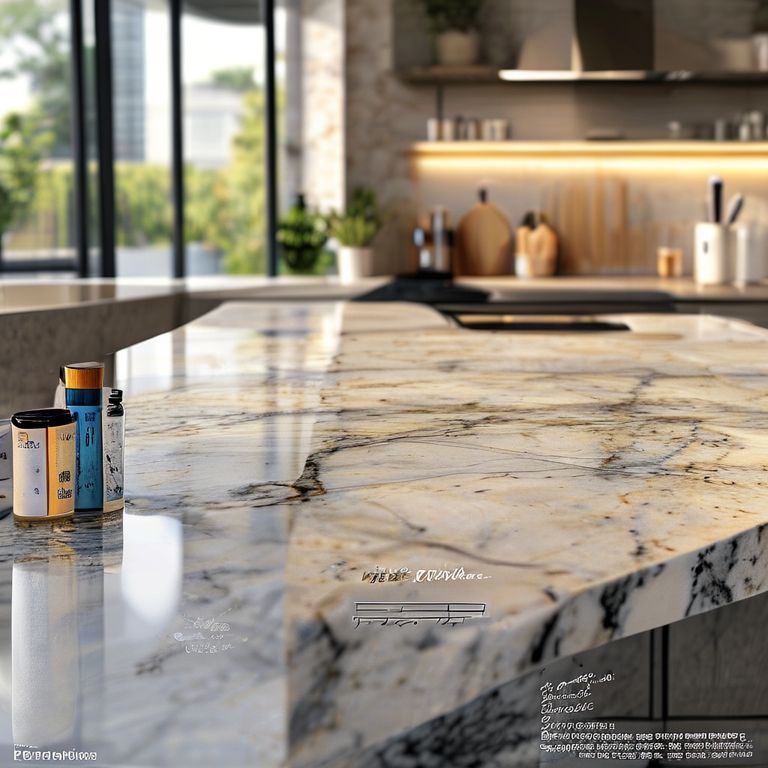
Granite is a popular choice for kitchen countertops due to its impressive durability and natural beauty.
Advantages:
Durability: Granite is one of the hardest natural stones available, making it highly resistant to scratches, stains, and impact. It can withstand heavy use and is less likely to show signs of wear and tear over time. Aesthetic Appeal: Granite comes in a wide array of colors and patterns, offering a natural and unique look that can complement various kitchen styles. Low Maintenance: While granite needs occasional sealing to maintain its non-porous surface, it is relatively low maintenance. Its resistance to heat, stains, and scratches makes it an excellent choice for kitchens where food and spills are frequent.
Considerations:
Cost: Granite is one of the more expensive natural stone options. The cost can vary widely depending on the type of granite and the specific design. Weight: Granite countertops are heavy, which can pose installation challenges and may require additional support.
2. Quartz
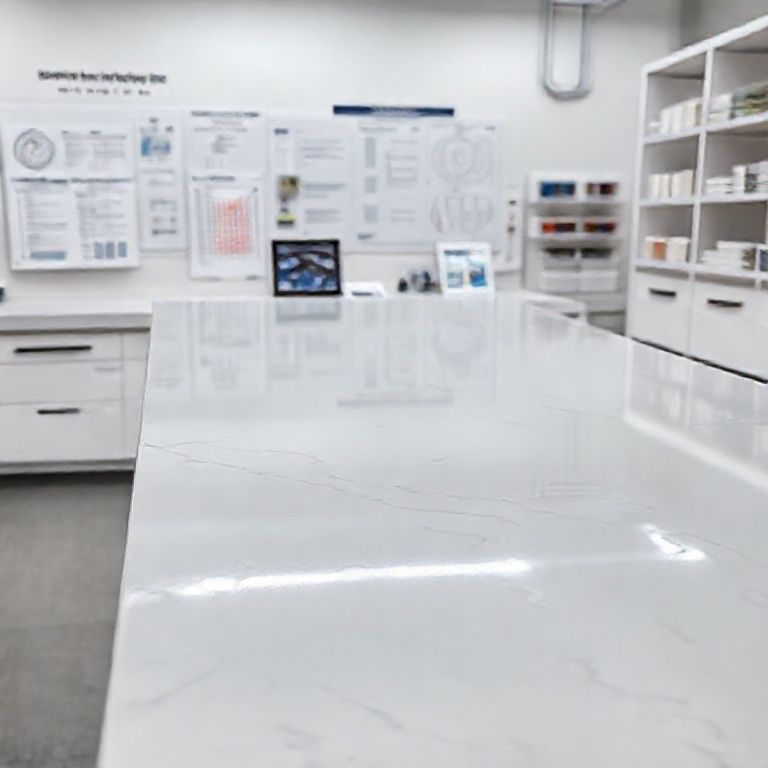
Quartz has emerged as a top contender in the countertop market due to its combination of durability, versatility, and cost-effectiveness.
Advantages:
Durability: Manufactured from 90% pure quartz, quartz countertops are highly scratch and stain-resistant, offering a level of durability comparable to granite. Versatility: Available in virtually any color and pattern, quartz allows for endless design possibilities. It can mimic the look of natural stone, marble, and even wood. Low Maintenance: Quartz is non-porous and does not require sealing. It is also heat-resistant, making it ideal for kitchens with frequent cooking.
Considerations:
Cost: While generally more affordable than granite, quartz countertops can still be a significant investment depending on the design and quality. Weight: Like granite, quartz is a heavy material that may require additional support during installation.
3. Marble
Marble has long been a symbol of luxury and elegance, making it a popular choice for high-end kitchen countertops.
Advantages:
Aesthetic Appeal: Marble offers a stunning, natural look that exudes luxury. Its veined patterns and rich colors can add a touch of sophistication to any kitchen. Heat Resistance: Marble is relatively heat-resistant, making it suitable for kitchens where hot pots and pans are common.
Considerations:
Maintenance: Marble is highly porous, meaning it is susceptible to stains and etching from acidic foods and beverages. Regular sealing and maintenance are required to keep it looking its best. Cost: Marble countertops can be quite expensive, depending on the type and quality.
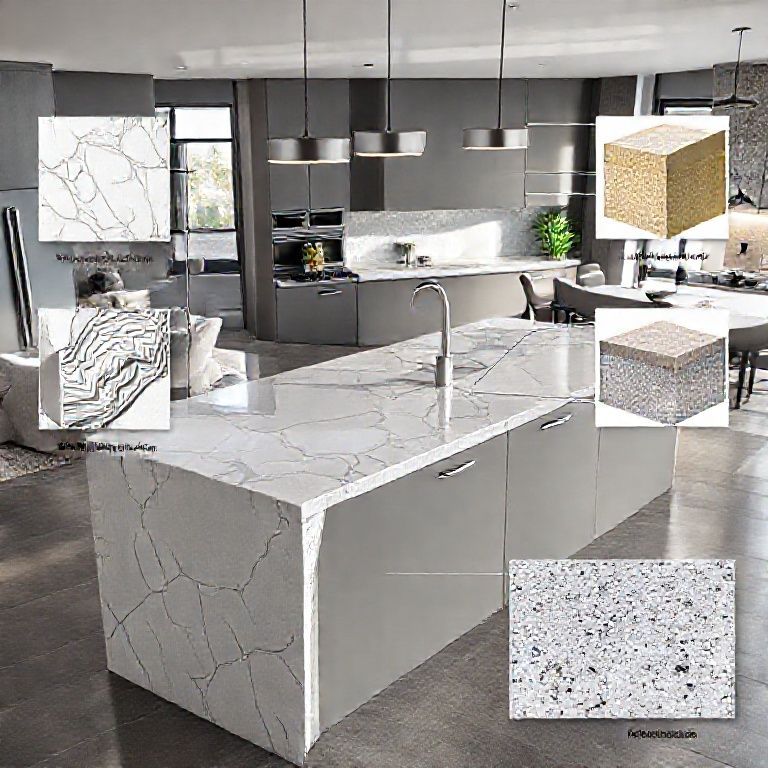
4. Composite Stone
Composite stone, often referred to as engineered stone, combines the best features of natural stone with the durability of synthetic materials.
Advantages:
Durability: Composite stone is incredibly durable, with a surface that is resistant to scratches, stains, and heat. It is also less likely to warp or crack compared to natural stone. Aesthetic Appeal: Available in a wide range of colors and patterns, composite stone can closely mimic the look of natural stone. Maintenance: Non-porous and low-maintenance, composite stone requires little upkeep. It does not need sealing and is easy to clean.
Considerations:
Cost: While more affordable than some natural stone options, composite stone can still be a significant investment. Weight: Like granite and quartz, composite stone is heavy and may require additional support during installation.
5. Solid Surface
Solid surface materials, such as Corian and Formica, offer a modern and versatile option for kitchen countertops.
Advantages:
Versatility: Solid surface materials can be molded into various shapes and sizes, allowing for custom designs. They come in a wide range of colors and finishes. Durability: These materials are highly durable and resistant to scratches, stains, and chips. They are also easy to clean and maintain. Affordability: Generally more affordable than natural stone options, solid surface countertops offer a cost-effective choice.
Considerations:
Heat Resistance: While solid surfaces can handle moderate heat, they may not be the best choice for high-heat cooking. Weight: These materials are lightweight compared to natural stone, making installation easier.
Conclusion
Choosing the best material for your kitchen countertops depends on your specific needs, preferences, and budget. Each material has its unique set of advantages and considerations, from the timeless elegance of marble to the modern versatility of solid surface materials. By understanding the pros and cons of each option, you can make an informed decision that will enhance both the beauty and functionality of your kitchen for years to come.
Stay tuned for the second part of this guide, where we will delve deeper into specific material considerations, installation tips, and maintenance advice to help you create the perfect kitchen countertop.
Choosing the Best Materials for Kitchen Countertops: A Comprehensive Guide
In the second part of our comprehensive guide, we will explore in greater depth the installation, maintenance, and additional considerations for each countertop material discussed in Part 1. This detailed examination will help you make a well-informed decision when selecting the perfect material for your kitchen countertop, ensuring it meets your functional and aesthetic needs.
Installation Tips
Proper installation is crucial to ensure the longevity and appearance of your kitchen countertops. Here are some general tips for installing different materials:
Granite:
Support: Due to its weight, granite requires additional support during installation. Consult with a professional to ensure proper support and to prevent any structural issues. Sealing: While granite is low maintenance, it does require occasional sealing to maintain its non-porous surface. Ensure the area is properly sealed after installation.
Quartz:
Support: Like granite and composite stone, quartz is heavy and may require additional support. Ensure the installation plan accounts for this. Cutting: Quartz countertops can be cut with standard tools, but it’s advisable to hire professionals for precise cutting to avoid damage.
Marble:
Sealing: Marble is porous and requires regular sealing to prevent staining and etching. Professional installation is recommended to ensure proper sealing. Support: Marble is also heavy, so additional support during installation is essential.
Composite Stone:
Cutting: Composite stone can be cut with standard tools, but professional cutting is recommended for precision. Installation: Lightweight compared to natural stone, but still requires careful installation to ensure a seamless fit.
Solid Surface:
Cutting: Solid surface materials can be easily cut with standard tools. However, professional cutting is advisable for intricate designs. Installation: Lightweight and easy to install, solid surface materials can be fitted without additional support.
Maintenance Advice
Regular maintenance is crucial to keep your kitchen countertops looking their best. Here’s how to care for each material:
Granite:
Cleaning: Use a mild soap and water solution to clean granite countertops. Avoid using acidic cleaners as they can etch the surface. Sealing: Granite should be sealed every 6 to 12 months to maintain its non-porous surface and prevent staining.
Quartz:
Cleaning: Quartz is non-porous and can be cleaned with a mild soap and water solution. Avoid using acidic or abrasive cleaners. Sealing: Unlike granite, quartz does not require sealing. It is naturally resistant to stains and scratches.
Marble:
Cleaning: Use a mild soap and water solution for cleaning. Avoid acidic or abrasive cleaners that can damage the porous surface. Sealing: Marble countertops need regular sealing to prevent staining and etching. It’s recommended to seal every 6 to 12 months.
Composite Stone:
Cleaning: Clean composite stone with a mild soap and water solution. Avoid using acidic or abrasive cleaners. Sealing: Composite stone does not require sealing. It is naturally resistant to stains and scratches.
Solid Surface:
Cleaning: Clean solid surface countertops with a mild soap and water solution. Avoid using acidic or abrasive cleaners. Maintenance: Solid surface materials do not require sealing or special maintenance.
Additional Considerations
When selecting a countertop material, consider the following factors to ensure the best fit for your kitchen:
Budget:
科技与创新:
人工智能与机器学习的最新进展 区块链技术及其应用 新能源和可持续发展技术
健康与医学:
新发现的医学研究 心理健康与生活方式管理 营养与饮食学
经济与金融:
全球经济趋势 投资与理财建议 数字货币和金融科技
教育与学习:
在线教育平台与资源 学习技巧与方法 职业发展与技能提升
流行文化与趋势 文学与艺术创作 历史与文化遗产
环境与生态:
气候变化与政策 环保技术与创新 可持续生活方式