Exploring the Nuanced Downsides of Dupont Corian: An In-Depth Look
When it comes to choosing high-quality materials for countertops and surfaces, Dupont Corian often finds its place at the top of many lists due to its durable, water-resistant, and easy-to-clean properties. However, like any material, Dupont Corian has its set of nuanced downsides that merit careful consideration. This first part of our deep dive will explore several critical factors that might influence your decision-making process when considering Corian for your home improvement projects.
High Initial Cost
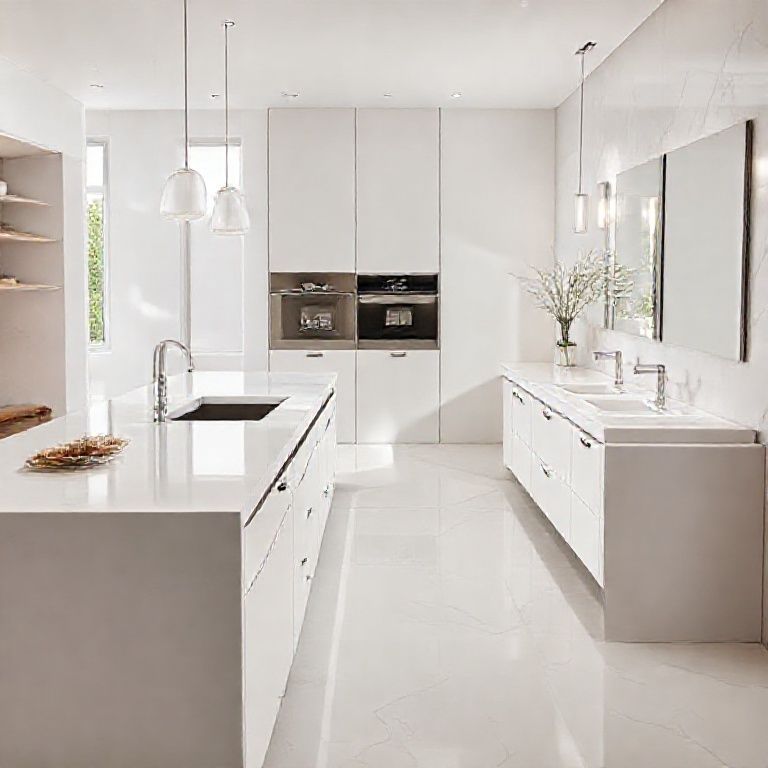
One of the most prominent drawbacks of Dupont Corian is its high initial cost. Corian is a composite material made from 91% purified water and 9% mineral salts, which gives it its durability and aesthetic appeal. However, the intricate manufacturing process and the high-quality raw materials used contribute to its premium price tag.
For many homeowners, the upfront cost can be a significant barrier. While Corian does offer long-term benefits in terms of maintenance and durability, the initial investment might not be feasible for everyone. It’s essential to weigh this cost against the long-term savings in maintenance and the potential resale value it might add to your property.
Limited Color and Design Options
Another aspect to consider is the relatively limited color and design options available with Dupont Corian. Although Corian comes in a wide array of colors and patterns, the range might not match every homeowner’s aesthetic preferences. Unlike natural stone or wood, which often offer a wide variety of colors and unique, natural patterns, Corian’s designs are more uniform and manufactured.
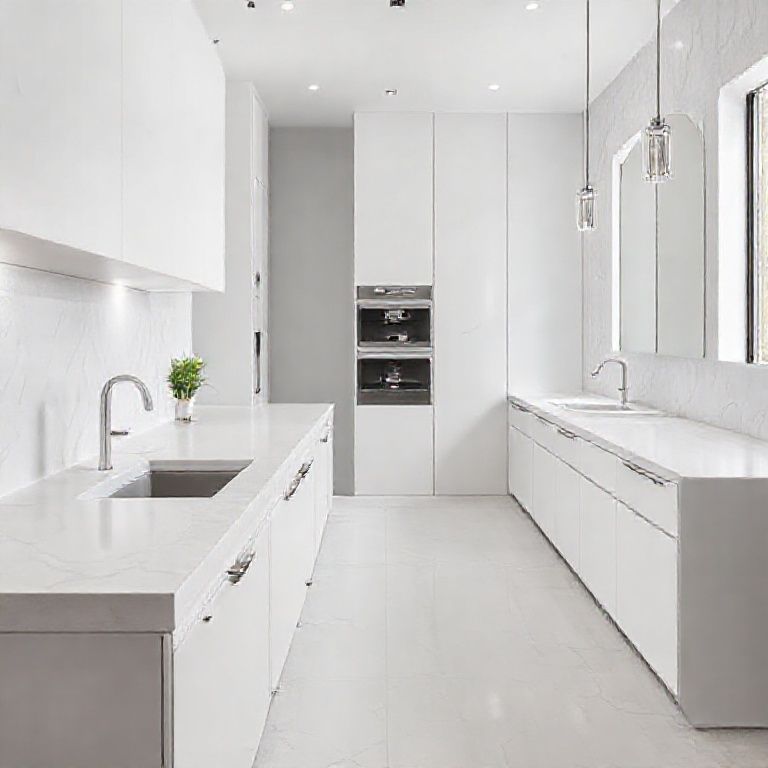
For those who prefer the natural, unique look of stone or wood, the standardized appearance of Corian might be a dealbreaker. Moreover, while Corian can be custom-colored, these options can sometimes come with additional costs and complexities in the design process.
Potential for Surface Scratches
While Corian is renowned for its durability, it isn’t entirely impervious to scratches. Though Corian is harder than most kitchen and bathroom countertops, it is not as scratch-resistant as some other materials like granite or quartz. Sharp objects, such as knives or utensils, can leave noticeable scratches on the surface if not used carefully.
To prevent scratches, users must exercise caution when using sharp objects on Corian surfaces. This can be a particular concern in households with children or in spaces where a lot of food preparation occurs. Regular maintenance and the use of cutting boards can mitigate this issue but require a bit more effort and vigilance than with some other materials.
Chemical Resistance Concerns
Corian’s water-resistant properties make it an excellent choice for kitchen and bathroom surfaces. However, it’s essential to be aware of its chemical resistance. While Corian is generally resistant to most household cleaners and chemicals, prolonged exposure to certain solvents, such as acetone or other harsh chemicals, can lead to discoloration or damage over time.
When planning to use specialized cleaning products or chemicals, it’s crucial to check the manufacturer’s guidelines to ensure they are safe for use on Corian. This can add an extra layer of complexity to the maintenance process, especially in households that use a variety of cleaning agents.
Installation and Maintenance Challenges
Installing Corian countertops can be a complex process that often requires professional installation to achieve the best results. The material is heavy and needs to be handled with care to avoid damage during installation. Moreover, professional installation can add to the overall cost of the project.
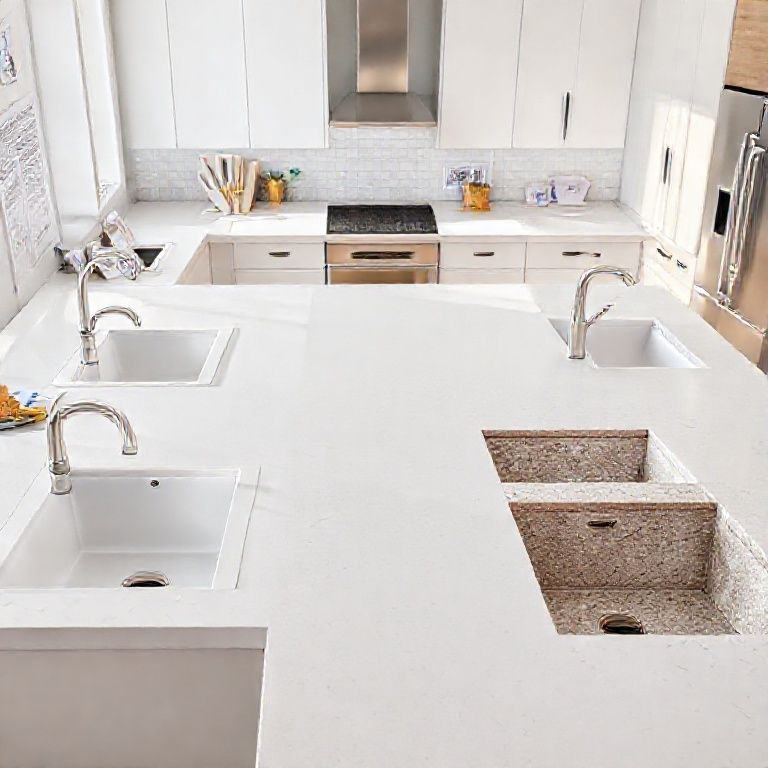
In terms of maintenance, while Corian is known for its ease of cleaning, it still requires regular upkeep to maintain its appearance and functionality. Over time, Corian surfaces can develop fingerprints, water spots, and other minor imperfections that require periodic cleaning and possibly polishing.
Regular maintenance routines might not be feasible for every household, especially those with busy schedules. Additionally, if the maintenance is not performed regularly, it can lead to a decline in the material’s aesthetic appeal and functionality over time.
Exploring the Nuanced Downsides of Dupont Corian: An In-Depth Look
In the previous segment, we discussed several critical factors to consider when evaluating Dupont Corian as a material for your countertops and surfaces. This second part will delve deeper into the other nuanced downsides of Corian, providing a comprehensive understanding to help you make an informed decision.
Thermal Sensitivity
One often overlooked aspect of Corian is its sensitivity to heat. Although Corian is highly durable and resistant to most chemicals, it is not as resistant to heat as some other countertop materials like granite or quartz. Prolonged exposure to high temperatures can cause the material to warp or crack, especially if proper precautions are not taken.
For kitchens where hot pots and pans are frequently placed directly on the countertop, it’s crucial to use trivets or pot holders to protect the surface from thermal damage. This requirement adds an extra layer of maintenance and care that might not be considered in the initial decision-making process.
Limited Flexibility in Design
While Corian offers a wide range of colors and finishes, its flexibility in design is somewhat limited compared to other materials. Corian sheets are typically produced in standardized sizes, which might not always align perfectly with the dimensions of your space. Achieving custom cuts or intricate designs can be more challenging and might require additional costs and professional expertise.
For homeowners who prefer unique, custom designs for their countertops, the limitations of Corian’s standard sizes and shapes might be a significant drawback. Additionally, any mistakes in cutting or installation can be difficult to rectify, leading to potential additional costs and complications.
Environmental Concerns
The production process of Corian involves the use of purified water and mineral salts, which raises some environmental concerns. While the manufacturing process is designed to be environmentally friendly, the overall environmental impact of producing large quantities of Corian cannot be ignored.
The use of a significant amount of purified water in the production process might not align with the sustainability goals of environmentally conscious consumers. Additionally, the material’s durability might lead to less frequent replacements, which could somewhat mitigate this concern, but it’s something to consider for those who prioritize eco-friendly materials.
Resistance to High-Pressure Cleaning
Corian’s surface can be susceptible to high-pressure cleaning, which is commonly used in commercial cleaning processes. While it is generally resistant to most household cleaning methods, high-pressure cleaners can cause micro-abrasions or damage to the surface if not used carefully. This concern is particularly relevant for commercial kitchens or spaces where high-pressure cleaning is a standard part of the cleaning routine.
To prevent potential damage from high-pressure cleaning, it’s essential to use these methods sparingly and ensure they are appropriate for Corian surfaces. This consideration might add another layer of complexity to the maintenance process, especially in commercial settings.
Potential for Discoloration
Although Corian is known for its resistance to most chemicals and stains, it is not entirely immune to discoloration. Certain substances, particularly those with high acid or alkaline content, can cause the material to discolor over time. This issue can be particularly problematic in kitchens where acidic foods like tomatoes, citrus fruits, or alkaline cleaners are frequently used.
To prevent discoloration, it’s important to use appropriate cutting boards and avoid placing acidic or alkaline substances directly on the Corian surface. Regular cleaning and maintenance can also help mitigate this issue, but it requires consistent care and attention.
Limited Warranty and Longevity
While Corian is known for its durability, the warranty provided by Dupont might not cover all potential issues. The manufacturer’s warranty typically covers manufacturing defects but might not include damages caused by improper installation, maintenance, or normal wear and tear. This limitation can be a concern for homeowners who rely on warranties to protect their investments.
Understanding the full scope of what is covered by the warranty is crucial before making a decision to use Corian. In some cases, the lack of comprehensive coverage might lead to unexpected costs and complications in the long run.
Installation Complexity
As mentioned earlier, installing Corian countertops can be a complex process that often requires professional installation. The material is heavy, and improper handling during installation can lead to significant damage. Moreover, the installation process can be time-consuming and might not be feasible for DIY enthusiasts.
Professional installation ensures the best results but adds to the overall cost of the project. Additionally, finding qualified installers might not always be straightforward, especially in areas with a high demand for Corian countertops. This complexity can be a significant factor for those considering Corian for their projects.
Alternative Material Comparisons
When evaluating the downsides of Corian, it’s also useful to compare it with alternative materials to understand where it stands in the market. Materials like granite, quartz, and solid wood each have their own set of advantages and disadvantages.
Granite, for instance, offers unmatched aesthetic appeal and durability but is prone to scratching and requires sealing to maintain its appearance. Quartz, on the other hand, is highly scratch-resistant but can be more expensive and might not offer the same level of customization as Corian. Solid wood countertops provide a natural, unique look but require regular maintenance to prevent warping, splitting, or staining.
Understanding how Corian compares to these alternatives can help you make a more informed decision based on your specific needs and preferences.
Exploring the Nuanced Downsides of Dupont Corian: An In-Depth Look
In the previous segment, we examined several critical factors to consider when evaluating Dupont Corian as a material for your countertops and surfaces. This second part will delve deeper into the other nuanced downsides of Corian, providing a comprehensive understanding to help you make an informed decision.
Aesthetic Limitations
While Corian offers a wide array of colors and finishes, its aesthetic flexibility is somewhat limited compared to other materials like granite or quartz. Corian’s standardized designs might not always align with the unique aesthetic preferences of every homeowner.
For those who desire a more bespoke or highly customized look, the limited design options of Corian can be a significant drawback. This limitation might require homeowners to settle for a design that doesn’t perfectly match their vision or to compromise on certain aesthetic elements.
Durability Concerns Over Time
Although Corian is known for its durability, it is not indestructible. Over time, repeated use and exposure to certain conditions can lead to wear and tear. While Corian is highly resistant to scratches, dents, and stains, it is not immune to all forms of damage.
For instance, heavy items placed directly on Corian surfaces can cause indentations or dents, which might not be easily reversible. Additionally, while Corian does not yellow like some other materials, prolonged exposure to certain chemicals or environmental factors can lead to subtle changes in color over time.
Environmental Impact
The production process of Corian involves significant use of purified water and mineral salts, which raises environmental concerns. Although the manufacturing process is designed to be environmentally friendly, the overall environmental impact of producing large quantities of Corian cannot be ignored.
For environmentally conscious consumers, this aspect might be a significant consideration. The production process’s energy consumption and the potential for water wastage are factors that might influence the decision to use Corian.
Limited Customization
Corian sheets are typically produced in standardized sizes, which might not always align perfectly with the dimensions of your space. Achieving custom cuts or intricate designs can be more challenging and might require additional costs and professional expertise.
For homeowners who prefer unique, custom designs for their countertops, the limitations of Corian’s standard sizes and shapes might be a significant drawback. Additionally, any mistakes in cutting or installation can be difficult to rectify, leading to potential additional costs and complications.
Resistance to High-Pressure Cleaning
Corian’s surface can be susceptible to high-pressure cleaning, which is commonly used in commercial cleaning processes. While it is generally resistant to most household cleaning methods, high-pressure cleaners can cause micro-abrasions or damage to the surface if not used carefully.
To prevent potential damage from high-pressure cleaning, it’s essential to use these methods sparingly and ensure they are appropriate for Corian surfaces. This consideration might add another layer of complexity to the maintenance process, especially in commercial settings.
Potential for Discoloration
Although Corian is known for its resistance to most chemicals and stains, it is not entirely immune to discoloration. Certain substances, particularly those with high acid or alkaline content, can cause the material to discolor over time.
This issue can be particularly problematic in kitchens where acidic foods like tomatoes, citrus fruits, or alkaline cleaners are frequently used. To prevent discoloration, it’s important to use appropriate cutting boards and avoid placing acidic or alkaline substances directly on the Corian surface. Regular cleaning and maintenance can also help mitigate this issue, but it requires consistent care and attention.
Limited Warranty and Longevity
While Corian is known for its durability, the warranty provided by Dupont might not cover all potential issues. The manufacturer’s warranty typically covers manufacturing defects but might not include damages caused by improper installation, maintenance, or normal wear and tear.
Understanding the full scope of what is covered by the warranty is crucial before making a decision to use Corian. In some cases, the lack of comprehensive coverage might lead to unexpected costs and complications in the long run.
Installation Complexity
As mentioned earlier, installing Corian countertops can be a complex process that often requires professional installation. The material is heavy, and improper handling during installation can lead to significant damage. Moreover, the installation process can be time-consuming and might not be feasible for DIY enthusiasts.
Professional installation ensures the best results but adds to the overall cost of the project. Additionally, finding qualified installers might not always be straightforward, especially in areas with a high demand for Corian countertops. This complexity can be a significant factor for those considering Corian for their projects.
Alternative Material Comparisons
When evaluating the downsides of Corian, it’s also useful to compare it with alternative materials to understand where it stands in the market. Materials like granite, quartz, and solid wood each have their own set of advantages and disadvantages.
Granite, for instance, offers unmatched aesthetic appeal and durability but is prone to scratching and requires sealing to maintain its appearance. Quartz, on the other hand, is highly scratch-resistant but can be more expensive and might not offer the same level of customization as Corian. Solid wood countertops provide a natural, unique look but require regular maintenance to prevent warping, splitting, or staining.
Understanding how Corian compares to these alternatives can help you make a more informed decision based on your specific needs and preferences.