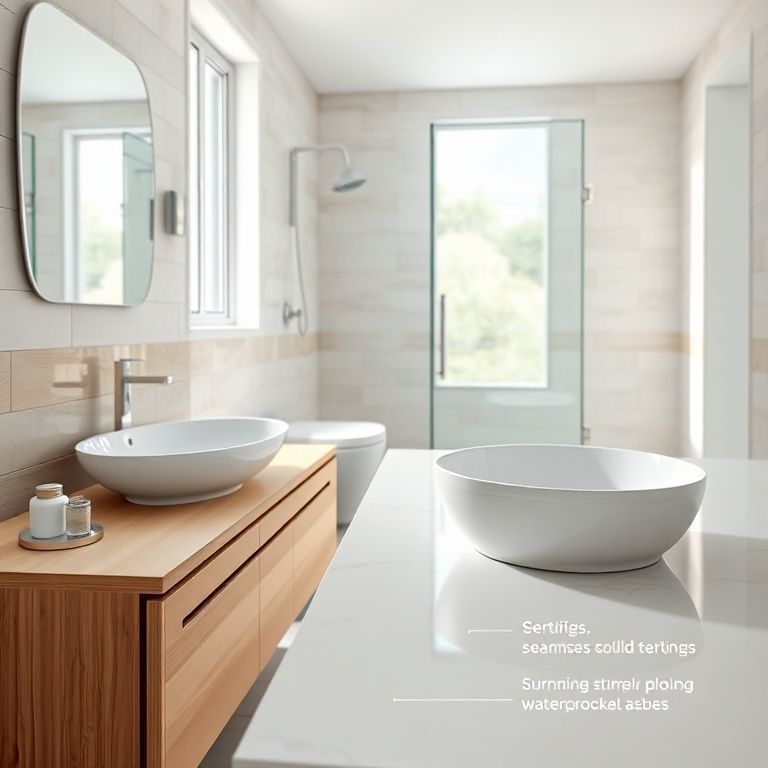
Understanding KOLI Board and Its Composition
Introduction
In the realm of modern home improvement and construction, the choice of materials can significantly impact both the aesthetics and safety of your living space. One material that has gained considerable attention is KOLI board. In this first part of our series, we will delve into what KOLI board is, its composition, and whether it qualifies as a type of particleboard. We will also explore the potential for formaldehyde presence in KOLI board and its implications for indoor air quality.
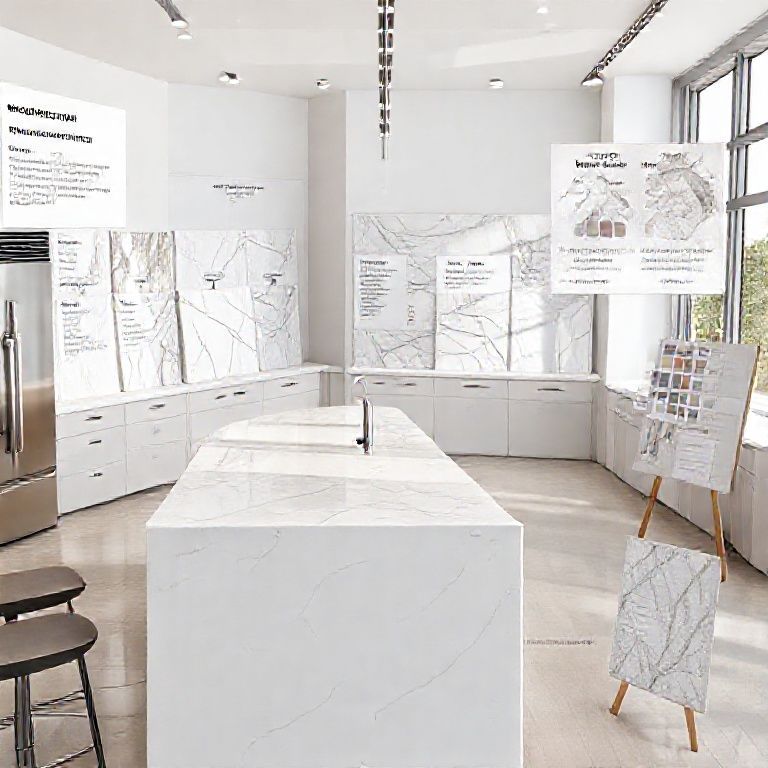
What is KOLI Board?
KOLI board, often referred to as KOLI plywood or KOLI engineered wood, is a type of engineered wood product that is becoming increasingly popular for various applications, including furniture, flooring, and interior decoration. Engineered wood products are designed to combine the best properties of natural wood while minimizing its inherent weaknesses. KOLI board is crafted using advanced technology to ensure durability, stability, and aesthetic appeal.
Is KOLI Board a Type of Particleboard?
To determine whether KOLI board is a type of particleboard, it’s essential to understand the definitions and differences between various types of engineered wood products.
Particleboard (or Oriented Strand Board, OSB)
Particleboard, also known as OSB, is made from wood particles such as chips, fibers, or flakes that are glued together under high pressure and temperature. This type of board is widely used in construction for wall panels, flooring, and other structural components due to its cost-effectiveness and uniformity.
KOLI Board vs. Particleboard
While both KOLI board and particleboard are engineered wood products, they differ significantly in their composition and manufacturing processes. KOLI board is typically made from high-quality wood veneers or thin layers of wood that are bonded together using advanced adhesives. The process involves precise cutting and layering of wood veneers to achieve a high degree of uniformity and strength.
In contrast, particleboard is composed of smaller wood particles, which can lead to variations in texture and density. KOLI board’s veneer-based construction results in a smoother surface and superior resistance to moisture and deformation compared to particleboard.
Formaldehyde in KOLI Board
Formaldehyde is a volatile organic compound (VOC) that is commonly used as a preservative and adhesive in the manufacturing of various wood products, including particleboard. The presence of formaldehyde in wood products is a significant concern for indoor air quality and overall health.
Sources of Formaldehyde
Formaldehyde can emanate from several sources in KOLI board production, including:
Adhesives: The glues and resins used to bind the wood layers together often contain formaldehyde. Finishes: Some finishes and coatings applied to the surface of KOLI board may also release formaldehyde. Underlying Materials: Certain raw materials used in the manufacturing process might inherently contain formaldehyde.
Regulations and Standards
To ensure safety, many countries have established strict regulations regarding the formaldehyde content in wood products. For instance, the European Union has set stringent limits on formaldehyde emissions for all types of construction and interior materials.
Testing and Certification
To determine whether KOLI board contains formaldehyde, it is essential to rely on testing and certification from reputable third-party laboratories. These tests measure the amount of formaldehyde emitted from the board and classify it according to emission standards such as E0, E1, or E2. Lower emission levels indicate safer and healthier indoor environments.
Conclusion
KOLI board stands out as a premium engineered wood product that, unlike particleboard, is crafted from high-quality wood veneers. This results in a more durable and aesthetically pleasing product. While formaldehyde can be present in wood products due to adhesives and finishes, adherence to strict regulations and rigorous testing can help mitigate its presence. In the next part of this series, we will further explore the benefits and potential drawbacks of using KOLI board in home improvement projects, focusing on its environmental impact and long-term durability.
Evaluating the Safety and Environmental Impact of KOLI Board
Introduction
Having established what KOLI board is and its distinguishing characteristics, we now turn our focus to its safety and environmental impact. This part will delve deeper into the formaldehyde content in KOLI board, its health implications, and the broader environmental considerations associated with its production and use. We will also discuss alternatives and sustainable practices that can enhance the safety and ecological footprint of KOLI board.
Health Implications of Formaldehyde
Short-Term Exposure
Formaldehyde exposure in the short term can lead to various health issues, including:
Respiratory Problems: Irritation of the eyes, nose, and throat. Skin Reactions: Dermatitis and skin rashes. Headaches and Dizziness: Common symptoms of acute exposure.
Long-Term Exposure
Chronic exposure to formaldehyde is more concerning as it has been linked to several long-term health issues:
Cancer: According to various studies, prolonged exposure to formaldehyde is associated with an increased risk of cancers such as nasopharyngeal cancer, leukemia, and lymphoma. Allergic Reactions: Long-term exposure can lead to sensitization and allergic reactions in some individuals.
Mitigating Formaldehyde Emissions
Given the potential health risks associated with formaldehyde, it is crucial to adopt measures to reduce its emissions:
Low-Emission Adhesives: Using formaldehyde-free or low-emission adhesives in the manufacturing process can significantly reduce formaldehyde content in KOLI board. Proper Ventilation: Ensuring adequate ventilation in areas where KOLI board is installed can help disperse formaldehyde emissions. Quality Certification: Opting for KOLI board that has been tested and certified to meet low-emission standards.
Environmental Impact of KOLI Board
Sustainable Sourcing
Sustainable practices in the sourcing of raw materials are essential for reducing the environmental impact of KOLI board. This involves:
Certified Forests: Utilizing wood from sustainably managed forests that are certified by organizations such as the Forest Stewardship Council (FSC). Recycled Materials: Incorporating recycled wood or by-products into the manufacturing process to minimize waste.
Manufacturing Process
The manufacturing process of KOLI board also plays a significant role in its environmental impact:
Energy Efficiency: Employing energy-efficient manufacturing technologies can reduce the carbon footprint associated with producing KOLI board. Waste Management: Implementing effective waste management practices to minimize and recycle manufacturing by-products.
Life Cycle Assessment
A comprehensive life cycle assessment (LCA) can provide insights into the overall environmental impact of KOLI board from raw material extraction to end-of-life disposal. Key factors considered in an LCA include:
Carbon Footprint: The total greenhouse gas emissions generated throughout the product’s life cycle. Resource Utilization: The amount of raw materials and energy used. End-of-Life Disposal: Methods for recycling or responsibly disposing of the material at the end of its useful life.
Alternatives to KOLI Board
Solid Wood
Solid wood is a traditional and highly durable alternative to engineered wood products. While it may be more expensive and less uniform than KOLI board, it offers superior longevity and aesthetic appeal. However, solid wood can be prone to warping, splitting, and other issues if not properly maintained.
Other Engineered Wood Products
Several other engineered wood products, such as medium-density fiberboard (MDF) and laminated veneer lumber (LVL), offer different benefits and trade-offs:
MDF: Known for its uniformity and low formaldehyde content, MDF is often used for cabinetry and furniture. However, it can be more brittle than KOLI board. LVL: This product combines the strength of solid wood with the stability of engineered wood, making it ideal for structural applications.
Sustainable Practices in Home Improvement
Eco-Friendly Finishes
Choosing eco-friendly finishes and sealants that contain low or no VOCs can further reduce the environmental impact of KOLI board. Water-based finishes are generally a safer and more sustainable option compared to solvent-based alternatives.
Recycling and Reusing
Encouraging recycling and reusing of construction and renovation materials can significantly reduce waste and environmental impact. Many regions offer programs for recycling wood and other materials, which should be utilized wherever possible.
Conclusion
KOLI board is a sophisticated engineered wood product that offers numerous advantages in terms of durability, appearance, and versatility. However, its safety, particularly concerning formaldehyde emissions, necessitates careful consideration and adherence to regulatory standards. By opting for low-emission certified products and implementing sustainable practices, the health and environmental impacts of KOLI board can be minimized. As we move towards more eco-friendly building practices, understanding the full life cycle and impact of materials like KOLI board will be crucial in making informed decisions for a healthier and more sustainable future.
By addressing both the technical composition and broader safety and environmental considerations, this article provides a thorough and engaging exploration of KOLI board, equipping readers with the knowledge needed to make well-informed choices.