Granite vs. Marble: Unveiling the Differences
When it comes to natural stone, granite and marble stand out as two of the most sought-after materials for both residential and commercial projects. Their timeless appeal, durability, and unique characteristics make them favorites in the world of interior and exterior design. But what exactly sets these two apart? In this first part of our series, we will explore the origins, textures, colors, and applications of granite and marble, shedding light on their intrinsic differences.

Origins and Formation
The journey of granite and marble begins deep within the Earth’s crust, yet their paths diverge significantly. Granite originates from the intrusive igneous rock family, formed from the slow cooling of magma beneath the Earth’s surface. This slow process allows the minerals within granite to crystallize and form a dense, coarse-grained structure. Typically, granite is composed of quartz, feldspar, and mica, which give it a robust and durable nature.
Conversely, marble is a metamorphic rock that starts its life as limestone or dolomite. It undergoes transformation under immense pressure and heat, which causes the original minerals to recrystallize, forming a new, often more refined texture. The metamorphosis of marble results in a stone that is often much more uniform and fine-grained than granite.
Texture and Color
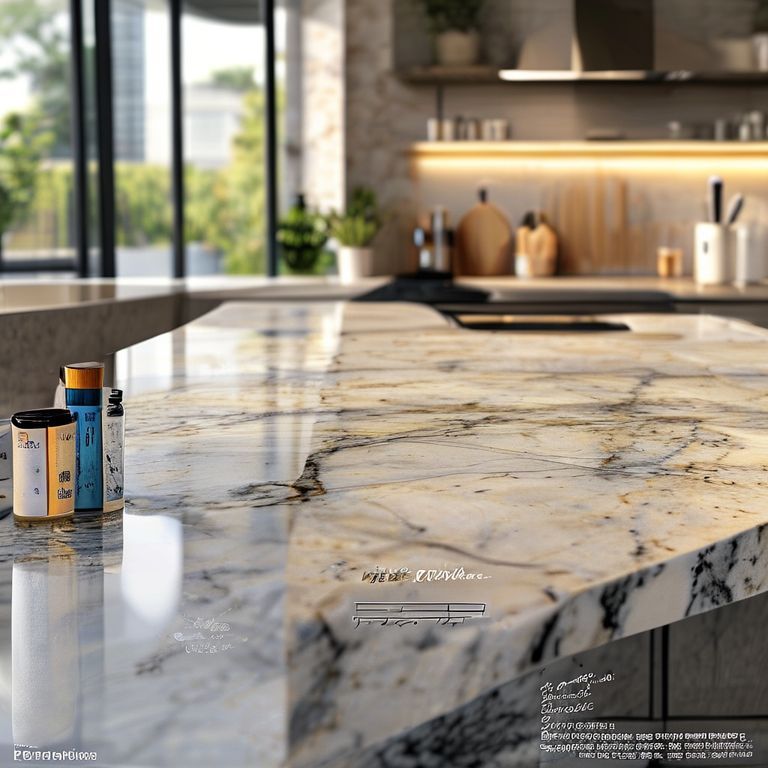
One of the most noticeable differences between granite and marble lies in their texture and color. Granite’s coarse-grained structure gives it a rugged and robust appearance, with visible mineral grains that create a rich tapestry of colors. Common varieties of granite include black, white, gray, pink, and green hues, often featuring striking patterns and swirls that tell stories of their geological past.
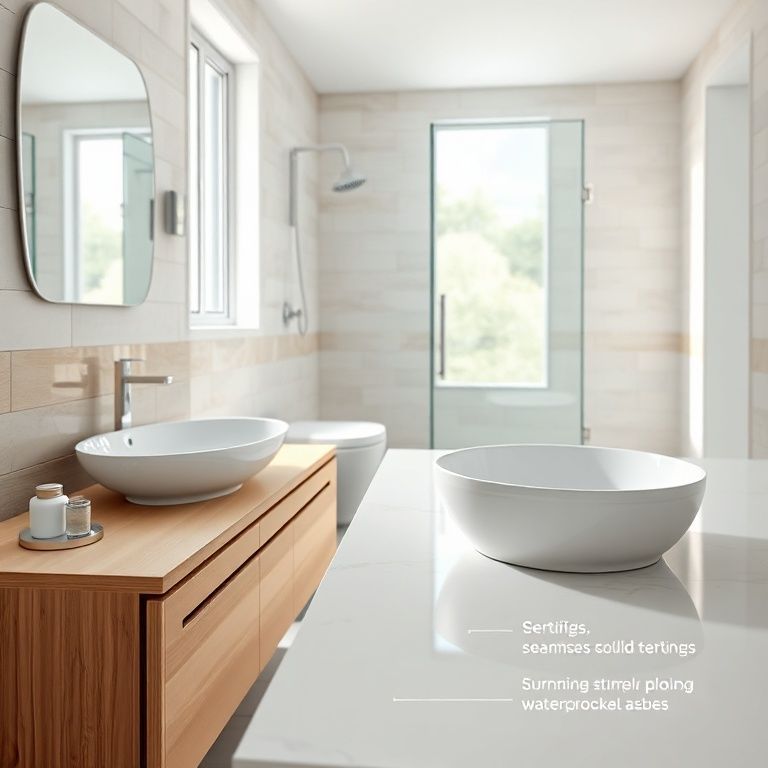
Marble, on the other hand, is known for its fine-grained and often more uniform texture. The recrystallization process that marble undergoes results in a stone that can display an array of colors and patterns, but generally in a more even and smooth finish. Marble can range from pure white to deep, rich colors such as black, red, green, and blue. The unique thing about marble is that it often features a radial or concentric pattern, giving it a fluid, almost organic appearance.
Durability and Maintenance
When it comes to durability, both granite and marble are strong contenders, but they have different strengths. Granite is incredibly hard and resistant to scratches and impacts, making it an excellent choice for high-traffic areas. Its dense structure also provides excellent resistance to staining and fading. However, the mineral composition of granite means it can absorb some acidic liquids, which could lead to staining over time.
Marble, while softer than granite, is known for its beauty and elegance. Its softness, however, makes it more susceptible to scratches, stains, and etching from acidic substances. Regular maintenance is crucial for marble to preserve its luster. It requires sealing periodically to protect against spills and to maintain its pristine appearance.
Applications
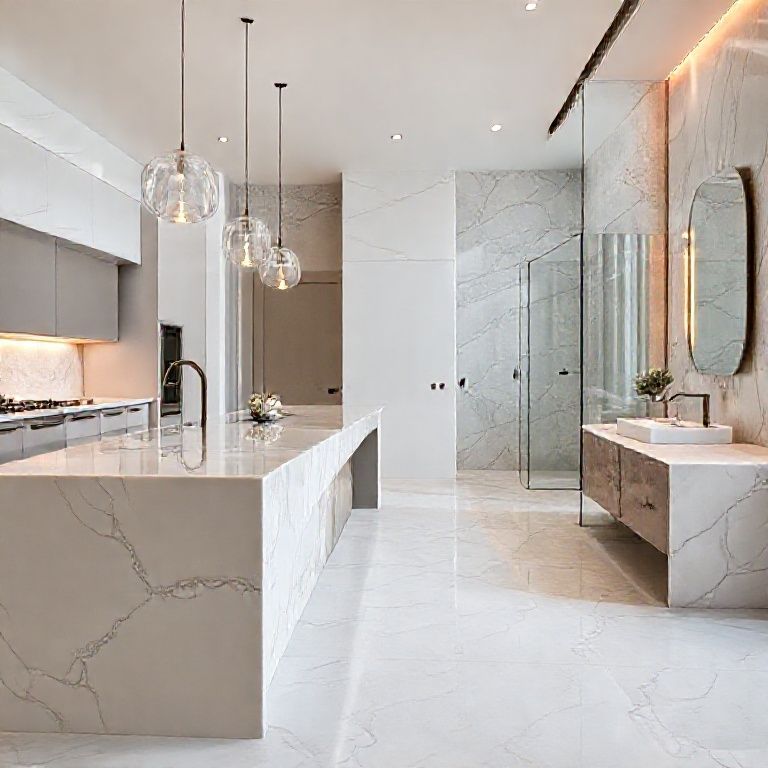
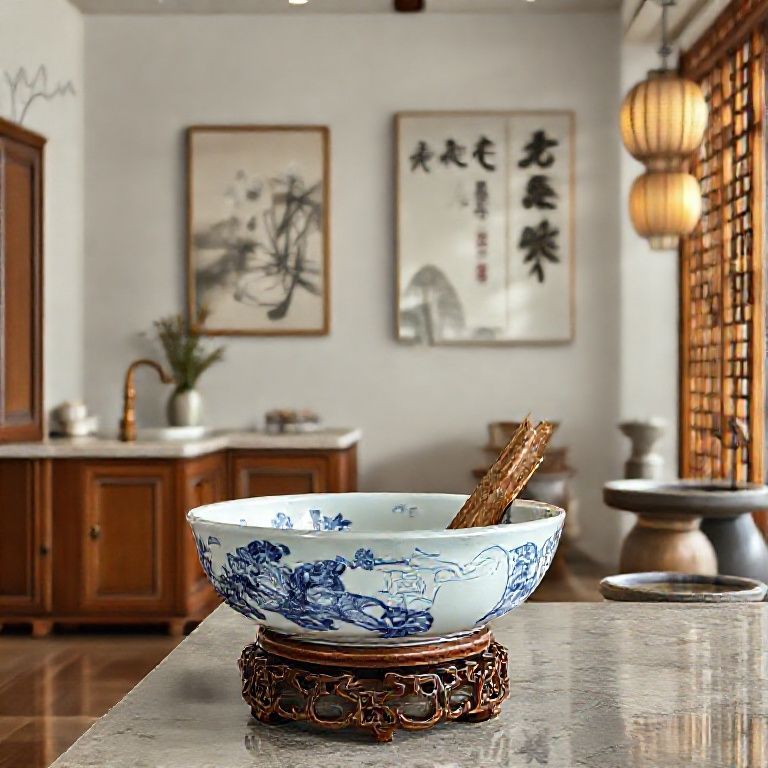
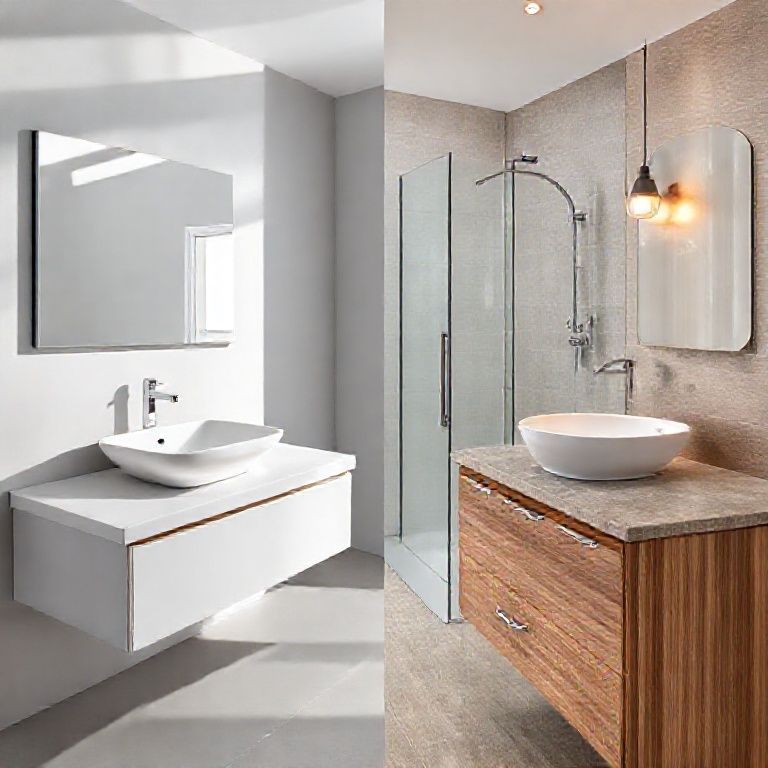
The applications of granite and marble also differ based on their unique properties. Granite is widely used in countertops, kitchen backsplashes, and bathroom vanities due to its durability and aesthetic appeal. Its robust nature makes it suitable for areas where it will endure significant wear and tear. Moreover, granite tiles are popular for flooring and outdoor applications, such as patios and walkways.
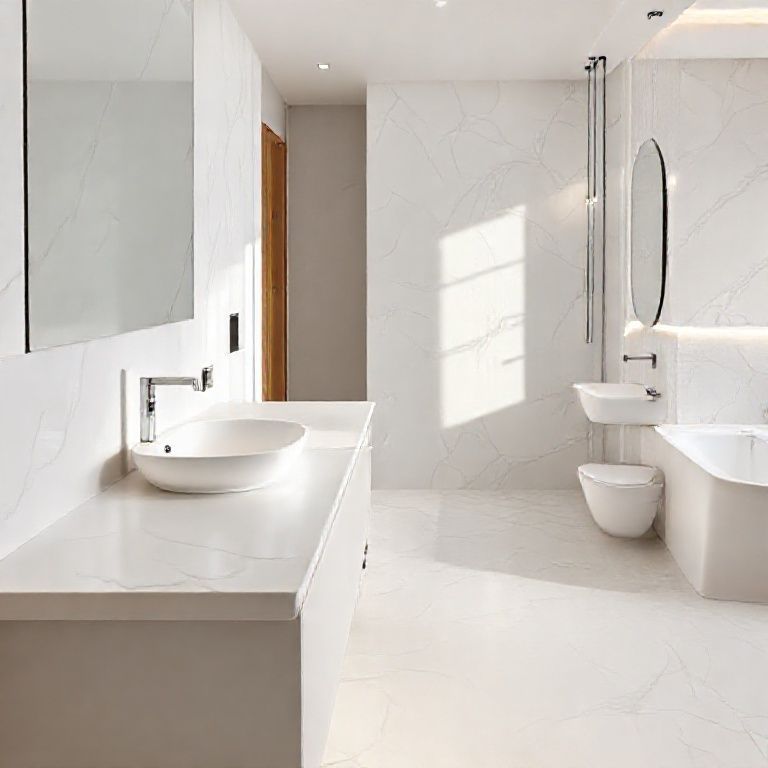
Marble, with its smooth and refined texture, is often favored for decorative purposes. It’s commonly used in flooring, wall cladding, and decorative elements like fireplaces and sculptures. Its beauty and elegance make it a preferred choice for spaces where a touch of luxury is desired, such as in high-end restaurants, luxury homes, and public buildings.
Conclusion
In the first part of our exploration of granite versus marble, we’ve delved into their origins, textures, colors, and applications. Both materials bring unique attributes to the world of natural stone, each suited to different needs and preferences. As we move into the second part, we will further uncover the intricacies and nuances that define these two remarkable stones, revealing more about their sustainability, environmental impact, and how to choose the right one for your specific project.
Stay tuned for the second part of our series, where we will continue our journey into the world of granite and marble, exploring their environmental aspects and practical considerations.
Granite vs. Marble: Unveiling the Differences
Continuing our fascinating exploration of granite and marble, this second part will focus on the environmental impact, sustainability, and practical considerations when choosing between these two timeless natural stones. We’ll also delve into how these materials have evolved over time and their cultural significance.
Environmental Impact
Understanding the environmental impact of granite and marble is crucial in today’s eco-conscious world. Both stones are natural materials, which means they don’t require chemical treatments during processing. However, their extraction and transportation processes can have significant environmental footprints.
Granite mining often involves significant land disturbance and can lead to deforestation and habitat destruction if not managed properly. However, modern mining practices are increasingly adopting sustainable methods to mitigate these impacts. For example, granite quarries are now implementing measures to restore mined areas to their natural state, promoting reforestation and wildlife habitat restoration.
Marble, on the other hand, is also mined, and the environmental impact can be substantial. Marble quarries can lead to deforestation and habitat loss, and the energy-intensive process of transforming limestone into marble can contribute to greenhouse gas emissions. However, advancements in technology and sustainable quarrying practices are helping to reduce these impacts. The industry is increasingly focusing on minimizing waste and improving the efficiency of the quarrying and processing operations.
Sustainability
When it comes to sustainability, both granite and marble have their unique advantages and challenges. Granite, being a harder stone, has a longer lifespan, which means it requires less frequent replacement. This longevity contributes to its sustainability as it reduces the need for continuous extraction and processing.
Marble, despite its softer nature, can be sustainably sourced from responsibly managed quarries. The key to sustainability in marble lies in adopting best practices for quarrying, processing, and recycling. Many marble producers are now focusing on reducing water usage, minimizing waste, and promoting the use of recycled marble in construction projects.
Both granite and marble are natural stones that do not require chemical treatments to enhance their durability or appearance. This natural integrity aligns with sustainable practices, as it reduces the environmental impact associated with chemical treatments and finishes.
Practical Considerations
Choosing between granite and marble involves a careful consideration of various practical aspects, including cost, maintenance, and suitability for specific uses.
Cost
Granite generally has a lower upfront cost compared to marble. This is largely due to its abundance and the relatively simpler processing involved. There is a wide range of granite types available, which allows for more budget-friendly options. Marble, with its more complex processing and often more vibrant colors and patterns, tends to be more expensive.
Maintenance
Maintenance is a crucial factor in choosing between granite and marble. Granite is highly durable and low-maintenance, requiring only occasional cleaning and sealing. Its resistance to stains and scratches makes it a practical choice for high-traffic areas.
Marble, while beautiful, requires more rigorous maintenance. It is susceptible to stains, etching from acidic substances, and scratches. Regular sealing is essential to protect marble from damage. This requires more time and effort in maintenance compared to granite.
Suitability
The suitability of granite or marble depends largely on the intended use and desired aesthetic. Granite’s robust nature makes it ideal for areas that require durability, such as countertops, backsplashes, and flooring in high-traffic areas.
Marble’s elegance and refined texture make it perfect for spaces where a touch of luxury is desired. It’s often used in decorative applications, such as wall cladding, flooring, and artistic sculptures. Marble’s color variations and patterns add a unique and sophisticated touch to interior and exterior design.
Cultural Significance
Both granite and marble have played significant roles in human history and culture, often symbolizing strength, purity, and beauty.
Granite has been used in ancient monuments and structures, such as the pyramids in Egypt and the temples in India. Its durability and solid nature made it an ideal choice for enduring constructions. Granite continues to be a popular choice for modern architectural and design projects, symbolizing strength and permanence.
Marble has a long and illustrious history in art and architecture. From the iconic statues of ancient Greece to the grand palaces of Renaissance Europe, marble has been a favored material for sculptures, buildings, and decorative elements. Its beauty and versatility have made it a symbol of luxury and sophistication throughout history.
Conclusion
In the second part of our exploration of granite versus marble, we’ve examined their environmental impact, sustainability, and practical considerations. Both materials offer unique benefits and face specific challenges, making them suitable for different applications based on their properties and aesthetic appeal.
Granite’s durability and low maintenance make it a practical choice for everyday use, while marble’s elegance and refined texture cater to spaces where luxury and beauty are paramount. Understanding these differences can help you make an informed decision when choosing the right natural stone for your project.
Whether you’re designing a home, a commercial space, or a historical monument, the timeless appeal of granite and marble continues to inspire and captivate. Their unique characteristics and rich cultural heritage ensure that these natural stones will remain beloved choices for当然,让我们继续深入探讨一些关于花岗岩和大理石的更多细节和应用。
现代建筑与设计中的应用
在现代建筑和设计中,花岗岩和大理石因其独特的美学和功能特性,被广泛应用。尽管它们各有各的优势,但在某些情况下,它们也会被结合使用,以最大限度地发挥各自的特点。
花岗岩
厨房和浴室台面:花岗岩因其耐用性和抗污性,是厨房和浴室台面的理想选择。其丰富的色彩和纹理为空间增添了视觉美感。
地板和地砖:尽管花岗岩通常用于台面,但它也可以用于地板和地砖,尤其是在户外项目中。其耐候性使其成为户外环境中的理想选择。
建筑外墙和内部装饰:花岗岩的坚固和美观使其成为建筑外墙和内部装饰的理想材料。它常用于门廊、楼梯、墙面和柱子等。
纪念碑和雕塑:由于其高度的耐用性和雕刻能力,花岗岩常用于制作纪念碑和雕塑。它的坚硬和多样化的颜色使其适合各种雕刻和装饰艺术。
大理石
墙面和地板:大理石的光滑和细腻质地使其成为墙面和地板的绝佳选择。它的美丽光泽和丰富的颜色使其在高端建筑和室内设计中广受欢迎。
浴室和厨房台面:尽管大理石较花岗岩更容易被酸性物质腐蚀,但其独特的外观和质感使其在高端浴室和厨房设计中依然非常受欢迎。为了延长大理石的使用寿命,通常需要定期密封处理。
艺术品和装饰品:大理石自古以来就是雕刻艺术的重要材料。其光滑的质地和丰富的颜色使其成为雕塑、雕像和装饰品的理想选择。
商业空间和高端住宅:大理石的高端外观和质感使其成为商业空间和高端住宅的常见材料。它常用于接待区、会议室、高级餐厅和豪华住宅的地板、墙面和台面。
环保和可持续性
随着环保意识的增强,石材行业也在努力采用更加可持续的实践。现代采石和加工技术正在减少对环境的影响,比如减少废料、优化能源使用和减少水资源消耗。
再生和回收:在某些情况下,使用再生或回收的花岗岩和大理石可以减少对自然资源的需求。这些再生材料可以用于新建筑和装修项目,减少开采和加工过程中的环境影响。
低VOC涂料和密封剂:在石材维护中使用低挥发性有机化合物(VOC)的涂料和密封剂,有助于减少有害化学物质的排放,保护室内空气质量。
本地采购:选择本地采购的石材,可以减少运输过程中的碳排放,同时支持本地经济。
总结
花岗岩和大理石作为两种经典的自然石材,各有独特的魅力和应用领域。花岗岩以其耐用性和多样化的颜色和纹理而闻名,适用于各种建筑和装饰项目。大理石则以其光滑、细腻和高端外观而受到青睐,尤其适用于需要展示高档和美学价值的空间。
在选择这两种石材时,需要综合考虑美学、功能、维护需求和环保因素,以确保选择最适合特定项目的材料。无论是现代建筑还是历史遗迹,花岗岩和大理石都将继续在人类文化和建筑遗产中发挥重要作用。