Discover the most cost-effective and practical ways to repair kitchen countertop cracks. From identifying the type of countertop to understanding the repair process and materials required, this comprehensive guide covers everything you need to restore your kitchen’s aesthetic and functionality. Learn about the various repair methods and get expert tips on maintaining your kitchen countertops for years to come.
kitchen countertop cracks, repair kitchen countertop cracks, affordable countertop repair, effective countertop repair, kitchen countertop repair cost, DIY countertop repair, kitchen countertop maintenance, countertop crack fix, kitchen renovation tips, kitchen countertop solutions
How to Repair Kitchen Countertop Cracks: Affordable and Effective Solutions
When it comes to kitchen renovation, one of the most daunting yet common problems is dealing with cracked kitchen countertops. These cracks not only diminish the visual appeal of your kitchen but can also pose a safety hazard if left unattended. Fortunately, repairing kitchen countertop cracks doesn’t have to break the bank. In this part of our guide, we’ll delve into the different types of countertops, the causes of cracks, and the most affordable and effective repair methods available.
Identifying Your Countertop Type
Before embarking on any repair, it’s crucial to identify the type of countertop you have. Different materials require different repair methods:
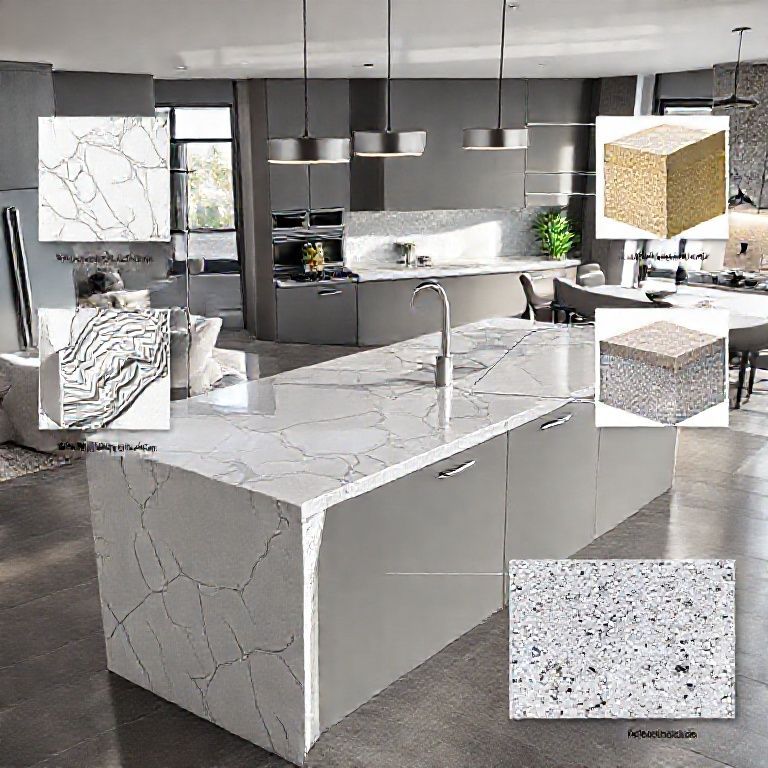
Granite: Known for its durability, granite is a popular choice. Cracks in granite can often be repaired with specialized epoxy or resin. Quartz: Quartz is a composite material that is easy to repair using a two-part epoxy resin. Marble: Marble is more susceptible to cracking and usually requires a professional touch. Epoxy can be used, but it’s often best to consult with a professional. Laminate: Laminate countertops are often cheaper and easier to repair. A simple crack can usually be fixed with a laminate repair kit. Corian: Corian is a type of synthetic material that can be cut and filled to repair cracks.
Understanding the Causes of Cracks
To effectively repair cracks, it’s important to understand why they occur in the first place. Common causes include:
Physical Impact: Dropping heavy objects or applying excessive force on the countertop. Thermal Stress: Rapid temperature changes, like pouring a hot liquid on a cold surface. Material Degradation: Natural aging or wear and tear over time. Poor Installation: Faulty installation can lead to stress fractures.
Affordable Repair Methods
Here are some affordable and effective ways to repair kitchen countertop cracks:
Epoxy Resin for Granite and Quartz: Materials Needed: Epoxy resin, mixing container, brushes, and safety gear. Process: Clean the crack thoroughly, mix the epoxy resin according to the instructions, apply it into the crack, and use a brush to spread it evenly. Once dry, sand the area smooth and apply a sealant. Cost: Generally affordable, especially for smaller cracks. Laminate Repair Kits: Materials Needed: Laminate repair kit, sandpaper, and adhesive. Process: Apply the repair patch as per the instructions, sand any rough edges, and clean the surface. Cost: Usually very inexpensive, suitable for minor cracks. Fillers and Caulking for Corian: Materials Needed: Corian filler, caulking gun, and sandpaper. Process: Clean the crack, apply the filler, let it dry, and then sand it smooth. Caulk around the edges for a seamless look. Cost: Economical and easy to apply. Professional Repair Services: Cost: Slightly higher, but ensures a professional finish. Benefits: For materials like marble or if you’re not comfortable with DIY methods, hiring a professional can save you time and ensure a quality repair.
DIY Tips for Successful Repairs
To ensure your repair efforts are successful and long-lasting, consider these tips:
Preparation is Key: Always clean the area thoroughly before starting any repair. Patience with Drying: Allow ample drying time for the epoxy or filler to set properly. Smooth Finishing: Sand the repaired area to ensure a smooth finish, which will also help the sealant adhere better. Seal the Repair: Once the repair is dry, apply a countertop sealant to protect against future cracks.
By following these steps, you can restore your kitchen countertop to its former glory without the hefty price tag often associated with professional repairs.

How to Repair Kitchen Countertop Cracks: Affordable and Effective Solutions (Continued)
In the second part of our comprehensive guide, we’ll explore more advanced repair techniques, maintenance tips, and how to prevent future cracks. We’ll also discuss the cost implications of each repair method in more detail, helping you make an informed decision based on your budget and needs.
Advanced Repair Techniques
For larger cracks or more complex situations, consider these advanced repair techniques:
Crack Saw for Large Breaks: Materials Needed: Crack saw, safety gear, epoxy resin, and filler. Process: Use the crack saw to carefully cut out the damaged section. Clean the area, mix and apply epoxy resin, and then fill in the gaps with filler. Smooth out and sand the surface, followed by sealing. Cost: More expensive due to the tools and materials needed, but effective for larger repairs. Stainless Steel Inserts: Materials Needed: Stainless steel inserts, adhesive, and filler. Process: Cut out the damaged section and fit the stainless steel insert. Secure it with adhesive and fill in the gaps with filler. Sand and seal the area. Cost: Higher due to the specialized materials but provides a durable and aesthetically pleasing repair.
Maintenance Tips for Longevity
To ensure your countertop repairs last as long as possible, follow these maintenance tips:
Regular Cleaning: Use appropriate cleaners for your countertop material. Avoid harsh chemicals that can damage the surface. Prompt Repair: Address small cracks immediately to prevent them from worsening. Delaying repairs can lead to larger, more expensive fixes. Protective Mats and Pads: Use cutting boards, pots, and pans with protective pads to minimize direct contact with the countertop. Avoid Excessive Heat: Use trivets or heat-resistant pads when placing hot items on the countertop.
Prevention is Better than Cure
Preventing cracks is always better than repairing them. Here’s how you can reduce the likelihood of cracks forming:
Proper Installation: Ensure your countertop is installed correctly by a professional to avoid stress points that can lead to cracks. Use Appropriate Tools: Use proper tools for cutting and installing countertops to minimize physical stress. Regular Inspections: Periodically check your countertop for any signs of wear or stress that could lead to cracks. Avoid Sharp Edges: Be cautious with sharp objects to avoid impacting the countertop directly.
Cost Implications of Repair Methods
Understanding the cost of each repair method is crucial for budgeting your kitchen renovation:
Low-Cost Methods: Laminate repair kits and basic epoxy resin are the most economical options, typically costing between $10 to $50, depending on the size of the crack. Moderate-Cost Methods: Epoxy resin for granite or quartz and crack saw methods range from $50 to $200. These methods offer a good balance between cost and effectiveness. High-Cost Methods: Professional repairs and stainless steel inserts are more expensive, typically ranging from $200 to $500. However, they ensure a high-quality finish and longer-lasting results.
Conclusion
Repairing kitchen countertop cracks can be a manageable DIY project if approached with the right knowledge and tools. By identifying your countertop material and understanding the causes of cracks, you can select the most appropriate and cost-effective repair method. Regular maintenance and preventive measures will ensure your repairs last long and your countertop remains in excellent condition. Whether opting for a low-cost fix or a more professional approach, the goal is always to restore your kitchen’s aesthetic and functionality without breaking the bank.
By following the comprehensive guide provided in this article, you can confidently tackle kitchen countertop cracks and keep your kitchen looking pristine and safe for years to come.