Understanding the Marble Renovation Process
Introduction to Marble Renovation
Marble, a timeless classic in interior design, continues to be a favorite due to its elegant beauty and durability. However, over time, marble surfaces can suffer from wear and tear, staining, and etching, necessitating a thorough renovation. In this first part of our guide, we will explore the comprehensive process of marble renovation and the critical steps involved to ensure a flawless finish.

1. Assessment and Planning
The first step in any marble renovation project is a thorough assessment. Examine the marble surface for any signs of damage, stains, etching, or other imperfections. Document these areas carefully to develop a clear plan. This step is crucial for understanding the extent of the work needed and for creating a detailed strategy that includes material selection and budgeting.
2. Preparation
Proper preparation is essential to ensure successful marble renovation. Begin by removing all fixtures and objects from the area to be restored. Clean the surface thoroughly to remove any dust, grime, or residues. This initial cleaning is vital to prevent any contaminants from interfering with the renovation process.
3. Safety Measures
Safety should always be a top priority. Use appropriate protective gear such as gloves, goggles, and masks to protect yourself from any chemicals or abrasive materials used during the renovation process. Additionally, ensure good ventilation in the working area to avoid inhaling any harmful fumes.
4. Cleaning and Surface Preparation
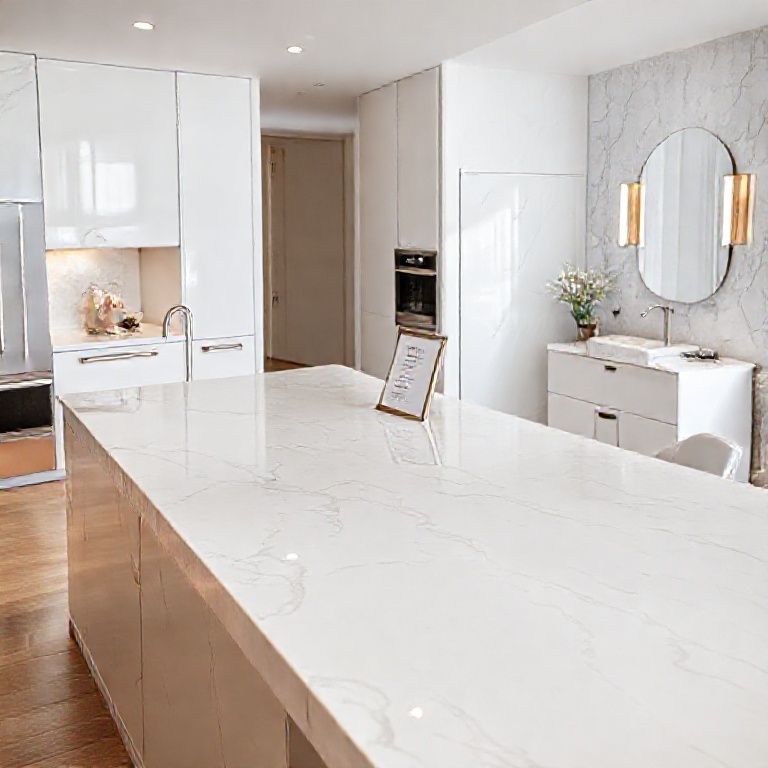
Cleaning the marble surface is a critical step in the renovation process. Use a mild acid-based cleaner specifically designed for marble. Apply the cleaner with a soft cloth, avoiding any scrubbing that could scratch the surface. Rinse thoroughly with water and dry with a clean, soft cloth. This step prepares the marble for the polishing and resurfacing process.
5. Polishing and Resurfacing
Polishing the marble surface helps to restore its natural shine and smoothness. Use a marble polish or a specialized resurfacing compound, applying it with a soft cloth or buffer. Follow the manufacturer’s instructions for the best results. This step not only enhances the appearance but also helps to repair minor scratches and etching.
6. Sealing the Marble
Sealing the marble is crucial to protect it from future stains and damage. Use a high-quality marble sealant that offers long-lasting protection. Apply the sealant evenly over the surface using a clean cloth, ensuring that it penetrates deeply into the marble. Allow the sealant to cure as per the manufacturer’s recommendations before exposing the marble to any moisture or spills.

Conclusion
The process of marble renovation involves several meticulous steps, from assessment and preparation to polishing and sealing. By following these steps carefully, you can restore the beauty and durability of your marble surfaces, ensuring they remain a stunning feature in your home or business for years to come. In the next part of our guide, we will delve deeper into advanced techniques and maintenance tips for marble care.
Advanced Techniques and Long-Term Marble Care
Introduction to Advanced Marble Care
While the initial renovation process sets the foundation for the longevity and beauty of marble surfaces, ongoing care is essential to maintain their pristine condition. In this second part, we will explore advanced techniques for marble care, including maintenance tips, advanced cleaning methods, and ways to prevent future damage.
1. Regular Cleaning
Regular cleaning is the cornerstone of marble maintenance. Use a soft, lint-free cloth and a mild, non-abrasive cleaner designed for marble. Avoid using acidic or alkaline cleaners, as these can damage the marble surface. Simply wipe the marble with the cleaner, rinse with water, and dry with a clean cloth. Regular cleaning helps to prevent the build-up of grime and stains, keeping your marble looking its best.
2. Dealing with Stains
Stains can be challenging to remove from marble surfaces. For minor stains, use a gentle marble cleaner and a soft cloth to gently wipe away the stain. For more persistent stains, use a specialized marble stain remover following the manufacturer’s instructions. Avoid scrubbing, as this can scratch the marble. Test any cleaning solution on a small, inconspicuous area first to ensure it does not damage the surface.
3. Avoiding Damage
Preventing damage to marble surfaces is crucial for maintaining their beauty. Use coasters and placemats under items that might leave marks or stains. Avoid placing hot objects directly on the marble, as this can cause etching. Additionally, be cautious with sharp objects that might scratch the surface.
4. Regular Inspections
Regular inspections of your marble surfaces can help you catch and address any issues early. Look for signs of etching, stains, or minor scratches. Address these problems promptly to prevent them from becoming more significant issues. Regular inspections also allow you to maintain the seal on your marble, ensuring ongoing protection.
5. Professional Maintenance
While regular care can handle many maintenance needs, professional maintenance is essential for deep cleaning and advanced restoration. Hire a professional marble restoration service for thorough cleaning, polishing, and sealing. Professionals have the expertise and equipment to handle even the most challenging restoration projects, ensuring your marble remains in top condition.
6. Advanced Cleaning Techniques
For deep cleaning and advanced restoration, consider using specialized cleaning techniques. Chemical stripping and acid etching are advanced methods used to remove heavy stains and restore the marble’s original shine. These techniques should only be performed by professionals, as they require specific skills and knowledge to avoid damaging the marble.
Conclusion
Advanced marble care goes beyond regular cleaning to include proactive measures to prevent damage and maintain the marble’s pristine condition. By incorporating regular inspections, dealing with stains promptly, and seeking professional help when needed, you can ensure your marble surfaces remain beautiful and durable for years to come. Proper maintenance and care will help preserve the elegance and integrity of your marble, making it a cherished feature in your home or business.
In conclusion, marble renovation and maintenance require careful planning, thorough preparation, and ongoing care. By following the detailed process outlined in this guide, you can restore the beauty and longevity of your marble surfaces, ensuring they remain a stunning feature for years to come. Whether you’re tackling a renovation project or simply looking to maintain your marble, these tips and techniques will help you achieve the best possible results.