Understanding Natural Marble and Its Safety Concerns
When it comes to high-end flooring and decorative materials, natural marble often stands out for its exquisite beauty and enduring appeal. Revered for its unique patterns and textures, marble has adorned homes, buildings, and monuments for centuries. However, with its popularity comes a series of questions and concerns regarding its safety, particularly related to radiation and formaldehyde. In this first part, we’ll explore these concerns and provide clarity on the safety of natural marble.
What is Natural Marble?
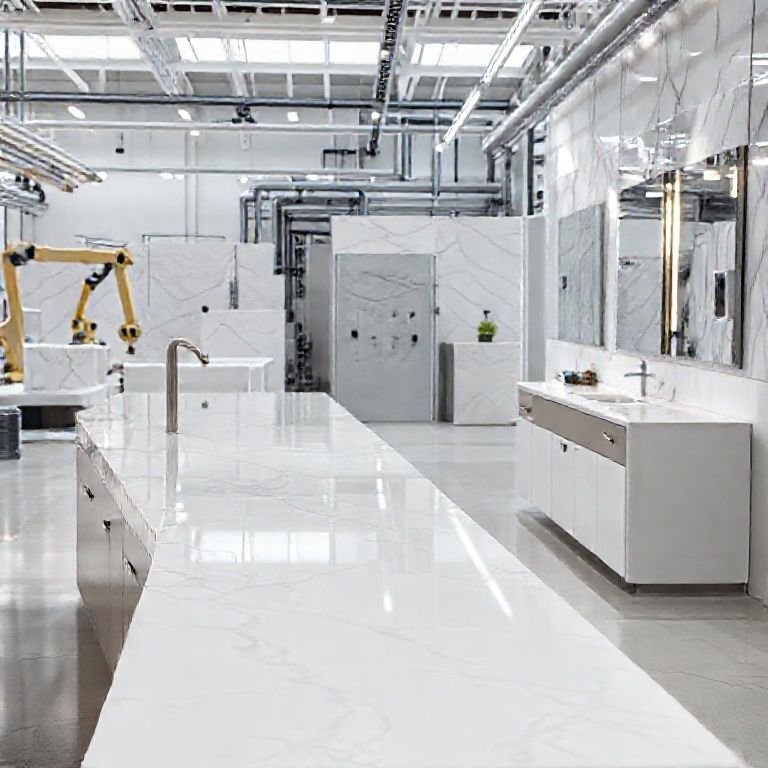
Natural marble is a metamorphic rock composed primarily of calcite or dolomite. It forms when limestone is subjected to high pressure and temperature, causing the minerals within it to recrystallize. This process results in the distinctive veining and patterns that marble is known for. Marble is prized for its aesthetic qualities and is commonly used in countertops, flooring, wall cladding, and sculptures.
Radiation Concerns
One of the primary concerns surrounding natural marble is its potential to emit radiation. This worry often stems from the fact that marble contains trace amounts of naturally occurring radioactive materials like uranium, thorium, and potassium. These elements can emit low levels of radiation in the form of alpha, beta, and gamma rays.
Natural Radioactivity in Marble
The radioactivity in marble is generally low and poses minimal risk to human health. The United Nations Scientific Committee on the Effects of Atomic Radiation (UNSCEAR) has studied this issue extensively. According to their reports, the radiation levels emitted by marble are similar to or even lower than those found in other common materials like granite, brick, and concrete.
Regulatory Standards
To ensure safety, various regulatory bodies worldwide have established guidelines for the permissible levels of radiation in building materials. For instance, the U.S. Environmental Protection Agency (EPA) has set limits on the amount of naturally occurring radioactive materials (NORM) in construction materials. Marble that meets these standards is deemed safe for use in residential and commercial buildings.
Formaldehyde Concerns
Formaldehyde is a colorless, pungent gas that is widely used in the construction and building industry to treat wood and other materials to prevent mold and decay. Concerns about formaldehyde often arise in the context of indoor air quality and potential health risks.
Source of Formaldehyde in Building Materials
Formaldehyde is not naturally present in marble. Instead, it is typically introduced during the manufacturing processes of various building materials, including certain types of plywood, particleboard, and synthetic resins. It is not a natural component of marble.
Safety Precautions
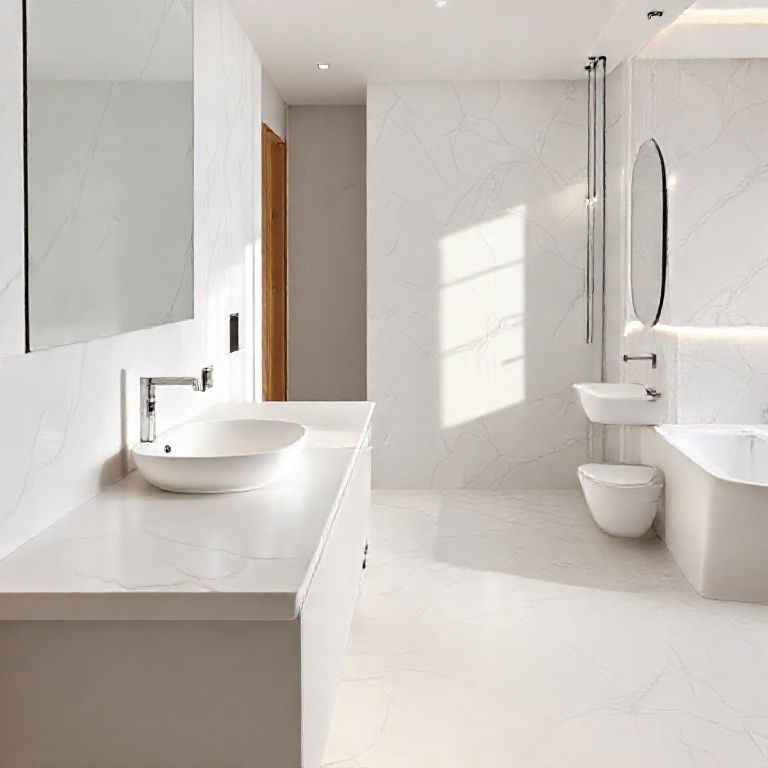
While marble itself does not emit formaldehyde, it is essential to consider the overall indoor environment when using marble in interior design. Ensuring proper ventilation during installation and using high-quality, formaldehyde-free adhesives and sealants can help maintain a safe and healthy indoor atmosphere.
The Environmental Impact of Marble
Another aspect to consider is the environmental impact of marble extraction and processing. The quarrying and transportation of marble have environmental implications, including land disturbance, water usage, and carbon emissions. However, when sourced responsibly, the environmental footprint of marble can be managed.
Sustainable Quarrying Practices
Many marble producers are adopting sustainable quarrying practices to minimize their environmental impact. This includes recycling water, reducing dust emissions, and implementing measures to prevent soil erosion and habitat destruction. By choosing marble from reputable suppliers that follow sustainable practices, consumers can make environmentally conscious choices.
Recycling and Reusing Marble
Another way to mitigate the environmental impact is through recycling and reusing marble. Marble waste from construction and renovation projects can often be recycled and reused in new projects. This reduces the need for new quarrying and helps conserve natural resources.
Conclusion
In conclusion, natural marble is a remarkable material that offers both aesthetic and functional benefits. While concerns about radiation and formaldehyde may arise, these concerns are largely unfounded when it comes to the inherent properties of marble itself. By understanding the science behind these issues and choosing high-quality, responsibly sourced marble, one can enjoy the beauty and durability of this timeless material without undue worry.
In the next part, we will further explore the benefits of natural marble, its versatility in design, and how to maintain its pristine beauty for years to come.
The Versatility and Maintenance of Natural Marble
Natural marble is more than just a luxurious material; it is a testament to nature’s artistry and a cornerstone of design excellence. As we continue our exploration of natural marble, this part will delve into its versatility across various design applications and provide essential maintenance tips to ensure its longevity and pristine appearance.
Versatility in Design Applications
Marble’s unique beauty and durability make it an ideal choice for a wide range of design applications. From residential homes to commercial buildings, marble can be found in various forms, each showcasing its versatility and timeless elegance.
Residential Spaces
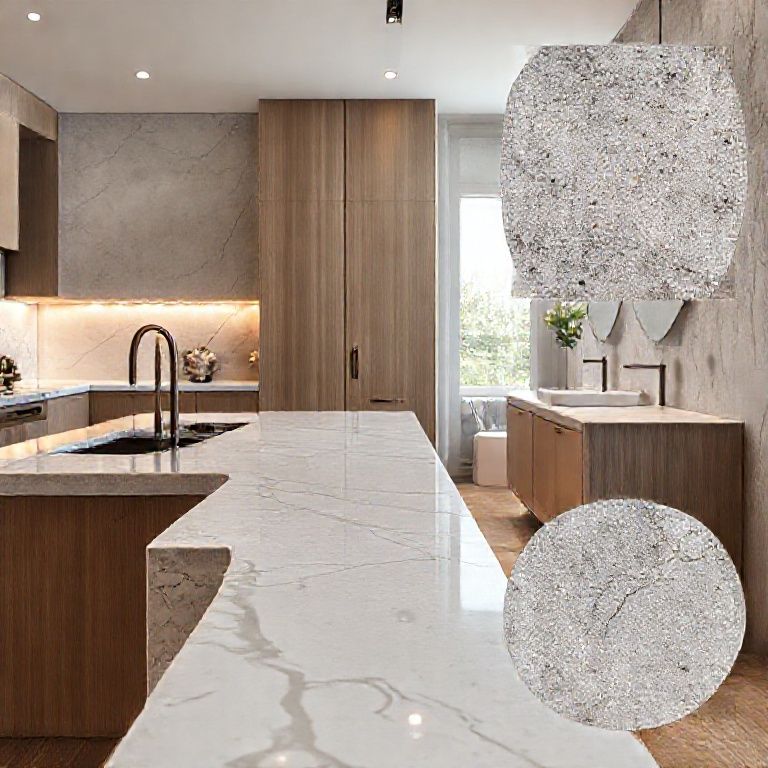
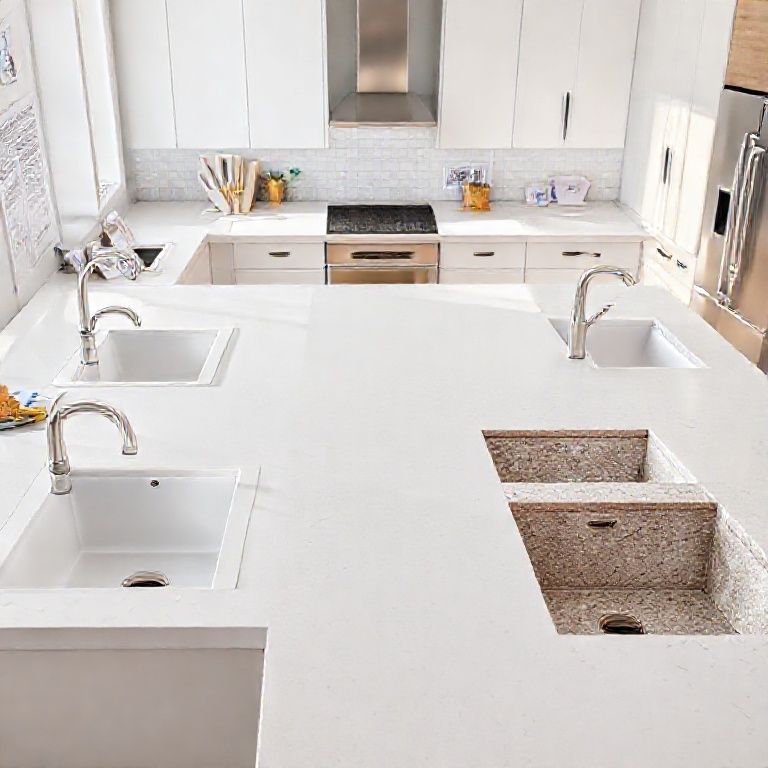
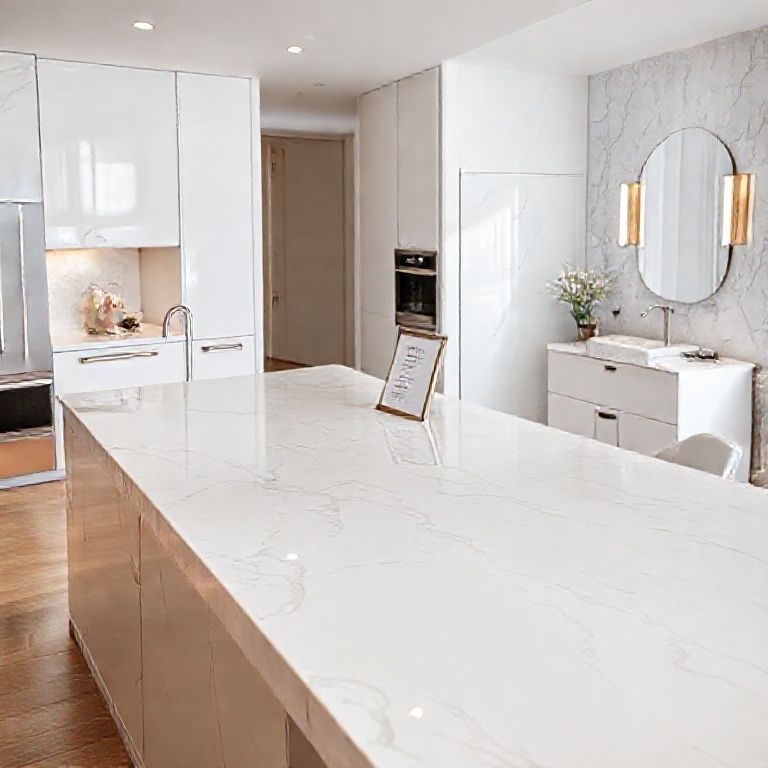
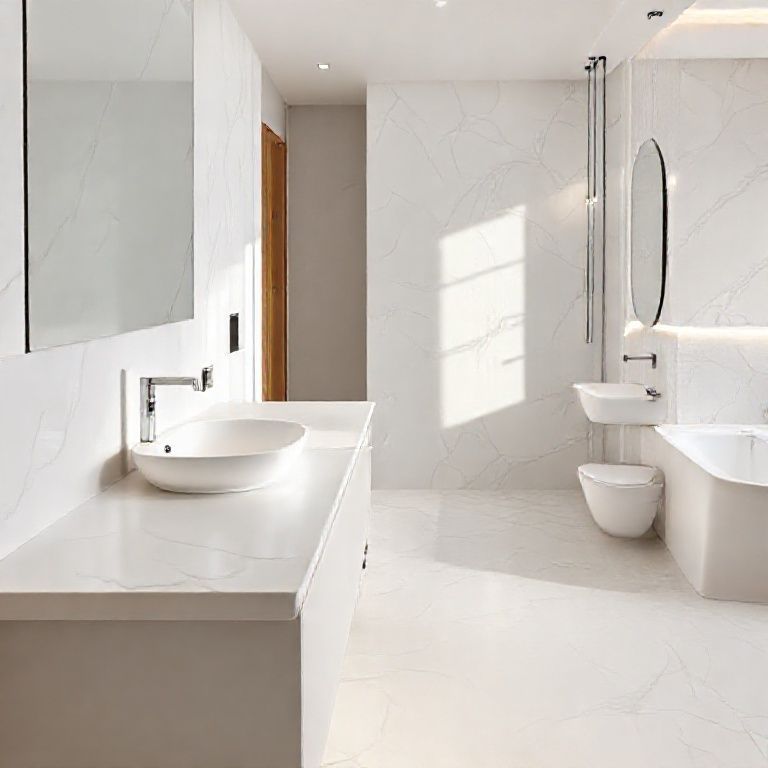
In homes, marble is commonly used for countertops, kitchen backsplashes, flooring, and bathroom fixtures. Its natural patterns and colors add a touch of sophistication and luxury to any space. Marble can be used to create a cohesive and harmonious look throughout a home, blending seamlessly with other materials and furnishings.
Commercial Buildings
In commercial spaces, marble’s durability and aesthetic appeal make it a preferred choice for high-traffic areas such as lobbies, restaurants, and office interiors. Marble flooring in commercial buildings not only enhances the visual appeal but also withstands the rigors of daily use. It is also extensively used in the creation of reception areas, conference rooms, and retail spaces to convey a sense of prestige and quality.
Public Spaces
Marble’s grandeur is often showcased in public spaces such as museums, airports, and government buildings. Its use in these areas adds a sense of timeless beauty and historical significance. Marble can be seen in the form of flooring, wall cladding, and decorative elements, contributing to the overall ambiance and grandeur of public spaces.
Maintenance Tips for Natural Marble
To ensure that natural marble maintains its beauty and durability over the years, proper maintenance is essential. Here are some key tips to keep marble in pristine condition:
Regular Cleaning
Marble is a naturally porous stone, which means it can easily absorb stains and liquids. Regular cleaning is crucial to prevent damage. Use a soft, dry cloth to wipe away dust and spills immediately. For more thorough cleaning, a mild pH-neutral cleaner specifically designed for marble can be used. Avoid harsh chemicals, abrasive cleaners, or steel wool, as these can scratch and damage the surface.
Acidic Spills
Acidic substances such as wine, coffee, and citrus juices can etch the surface of marble. To prevent etching, it is essential to clean up acidic spills immediately and thoroughly. Use a soft cloth to blot up the spill and then rinse with water. Avoid using vinegar or acidic cleaners to clean marble surfaces.
Water Spots and Stains
Water spots can be a common issue with marble, especially in kitchens and bathrooms. To remove water spots, use a soft cloth dampened with water and gently buff the surface. For stubborn stains, a pH-neutral cleaner can be used. It is important to avoid using soap or detergent-based cleaners, as these can leave residue and damage the marble.
Sealant Application
To enhance the durability and protect the surface of marble, a sealant can be applied. A high-quality marble sealant forms a protective barrier that repels stains and liquids, making the marble easier to clean and maintain. It is recommended to apply a sealant every 6 to 12 months, depending on the level of traffic and exposure to spills. Always use a product specifically formulated for marble and follow the manufacturer’s instructions for application.
Professional Maintenance
For high-traffic areas or areas with heavy use, it is advisable to seek professional maintenance services. Professional cleaners have the expertise and equipment to safely clean and maintain marble surfaces without causing damage. Regular professional cleaning can help prolong the life of marble and maintain its beauty.
The Longevity of Marble
One of the most compelling reasons to choose natural marble is its longevity. When properly maintained, marble can last for decades, even centuries. Its durability and resistance to wear and tear make it an excellent investment for both residential and commercial projects.
Historical Significance
Marble has been used for centuries in architecture and art. Many historical landmarks and iconic structures, such as the Parthenon in Greece and the Taj Mahal in India, feature marble in their construction. These examples demonstrate the enduring appeal and timeless beauty of marble.
Modern Innovations
Modern innovations in marble processing and design have further enhanced its versatility and appeal. Techniques such as polishing, sealing, and coloring have expanded the possibilities for marble in contemporary design. Marble can now be used in innovative ways to create unique and striking design elements.
Conclusion
Natural marble is a remarkable material that continues to inspire and delight with its beauty, durability, and versatility. From its use in residential homes to commercial buildings and public spaces, marble adds a touch of elegance and sophistication. Proper maintenance and care are essential to ensure that marble retains its pristine appearance and longevity. By understanding the unique properties of marble and following best practices for cleaning and protection, one can enjoy the timeless beauty of this exquisite material for years to come.
In summary, natural marble is not only a luxury material but also a继续探讨自然大理石的魅力,我们还可以深入了解其在现代建筑和设计中的应用,以及它在环境和可持续发展方面的角度。
现代建筑中的自然大理石
在现代建筑设计中,自然大理石常常被用来提升空间的奢华感和视觉效果。其天然的纹理和颜色使其成为建筑设计师和室内设计师们的首选材料。
建筑外立面
大理石因其高耐久性和美观性,常被用于建筑外立面。无论是古典建筑还是现代摩天大楼,大理石都能够提供卓越的外观和耐用性。例如,位于法国巴黎的卢浮宫博物馆及美国纽约的帝国大厦,都曾使用大理石作为主要的建筑材料。
室内设计
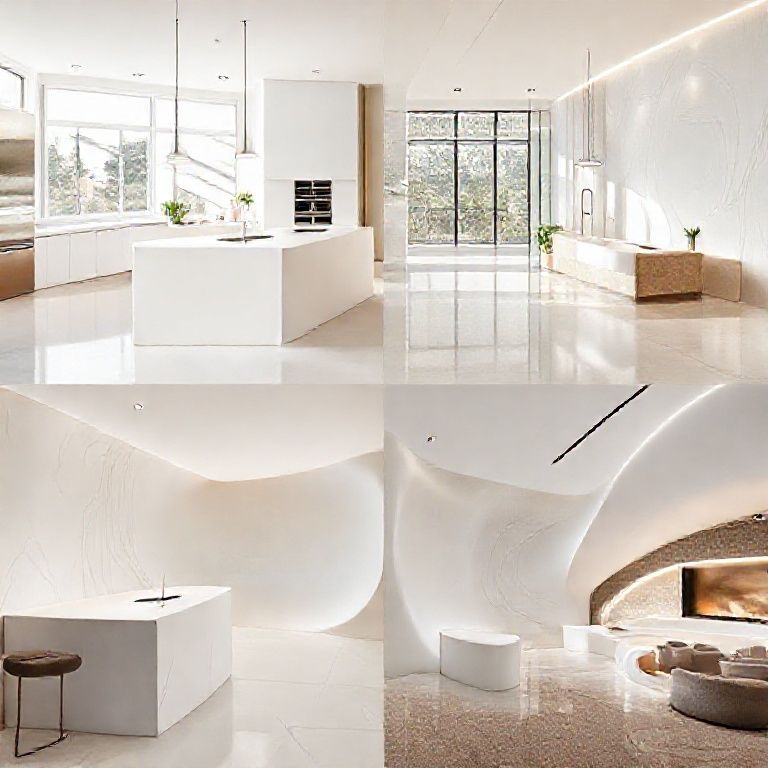
在室内设计中,大理石常常用于地板、墙面、天花板、桌面和浴室装饰等。其独特的纹理和色调能够为室内空间增添一种高贵和优雅的氛围。现代设计中,大理石经常与金属、玻璃和其他现代材料结合,创造出独特而时尚的设计。
环境与可持续发展
虽然大理石具有许多优点,但其采掘和加工过程也对环境产生了一定影响。因此,在使用大理石时,考虑环境和可持续发展的因素也变得尤为重要。
可持续采掘
许多大理石供应商正在采用可持续采掘的方法,以减少对环境的影响。这包括使用更加环保的设备、优化采掘流程以减少废弃物,以及在采掘现场进行生态恢复工作。选择来自可持续采掘的大理石,可以减少其对环境的负面影响。
再生和回收
另一个重要的方面是大理石在建筑和装修项目中的再生和回收。在建筑拆除或重建过程中,大理石可以被回收和再利用。许多企业和设计师们正在探索如何将旧大理石材料再利用,减少浪费,并创造出新的建筑和设计项目。
低维护和耐久性
大理石的低维护和耐久性也是其环保优势之一。因为大理石非常耐用,不需要频繁更换或维护,这减少了建筑材料的浪费,并降低了建筑周期内的环境负担。
结论
自然大理石不仅在美学上有着无可替代的价值,其在现代建筑和设计中的应用也越来越广泛。随着环境和可持续发展理念的普及,选择可持续采掘和再利用的大理石变得尤为重要。通过理解大理石的独特属性和负责任的使用方式,我们可以在享受其美丽和优雅的为保护地球环境贡献一份力量。