The Essential Ingredients Behind Artificial Marble
Artificial marble, often referred to as synthetic or cultured marble, has revolutionized the world of interior design and construction. Unlike traditional marble, which is a natural stone, artificial marble is created by combining various materials into a composite product. The allure of artificial marble lies not only in its aesthetic appeal but also in its durability, cost-effectiveness, and versatility. To understand this modern marvel, it’s crucial to delve into its primary components and the science behind its creation.

1. The Foundation: Resins and Polymers
At the core of artificial marble are resins and polymers. These materials form the fundamental matrix that holds the composite together. The most commonly used resin is melamine resin, known for its excellent bonding properties and resistance to heat and stains. Melamine resin is mixed with a hardener, which initiates a chemical reaction that hardens the material into a solid form.
Polyester resins are another key ingredient, providing flexibility and strength. These resins are often combined with melamine to achieve a balance of properties that mimic the appearance and texture of natural marble. The resins act as the glue that binds together all the other components, creating a seamless and durable surface.
2. Pigments and Colorants
One of the most remarkable aspects of artificial marble is its ability to replicate the intricate veining and color patterns of natural marble. This is achieved through the use of pigments and colorants. Manufacturers mix fine powders of various colors into the resin base, allowing for an infinite range of hues and patterns. These pigments are finely ground to ensure they are uniformly distributed throughout the material, resulting in a consistent and realistic marble look.
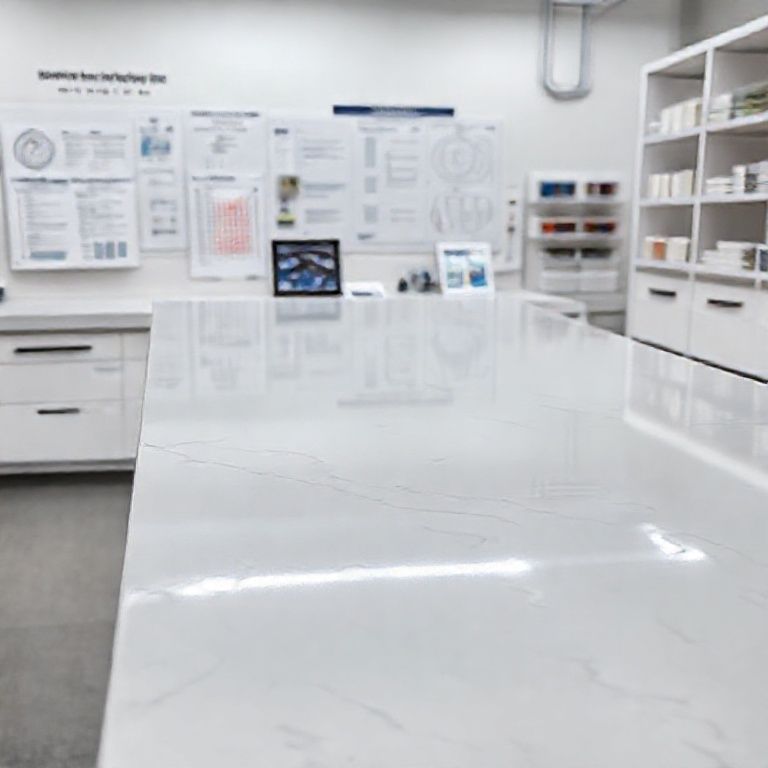
High-quality colorants are essential for achieving the lifelike appearance of artificial marble. The pigments used are often derived from natural minerals or synthetic alternatives that closely mimic natural stone. To enhance the authenticity, manufacturers may also incorporate metallic oxides, which add a natural luster and depth to the finished product.
3. Fillers and Reinforcements
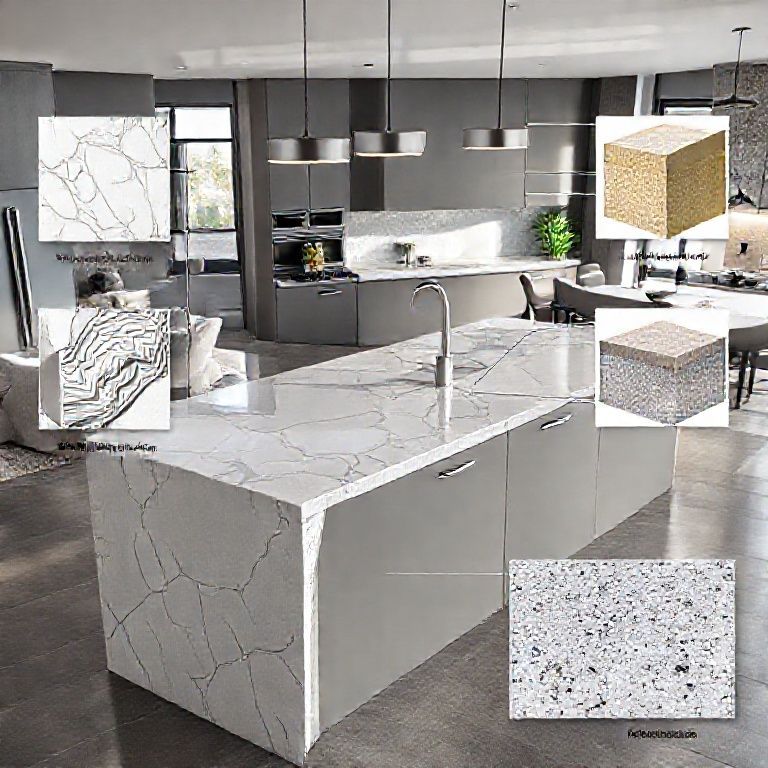
To further enhance the strength and durability of artificial marble, fillers and reinforcements are added to the resin mixture. Fillers such as calcium carbonate, quartz, and talc are incorporated to improve the material’s texture and to provide a stable base. These fillers contribute to the overall density and weight of the composite, making it more robust and less prone to cracking or chipping.
Reinforcements, such as fiberglass or polyester fabric, are sometimes woven into the resin matrix to provide additional strength and flexibility. These materials help to prevent cracks from spreading and offer greater resistance to impact, making artificial marble a practical choice for high-traffic areas.
4. Additives and Stabilizers
To ensure that artificial marble maintains its quality and appearance over time, various additives and stabilizers are included in the formulation. UV stabilizers are particularly important, as they protect the material from the harmful effects of sunlight, which can cause fading and discoloration. Other additives may include antioxidants to prevent degradation and preservatives to maintain the material’s integrity.
Anti-bacterial agents are also sometimes included to make the surface easier to clean and maintain, especially in environments where hygiene is a concern, such as kitchens and bathrooms.
5. Water and Curing Agents
Water is often added to the resin mixture to facilitate the curing process. The water-to-resin ratio is carefully controlled to achieve the desired consistency and curing time. Curing agents, such as hardeners, initiate the chemical reaction that transforms the liquid resin into a solid, durable material. The curing process typically involves a period of heat and pressure, which helps to ensure a strong and even bond between the components.
Applications and Benefits
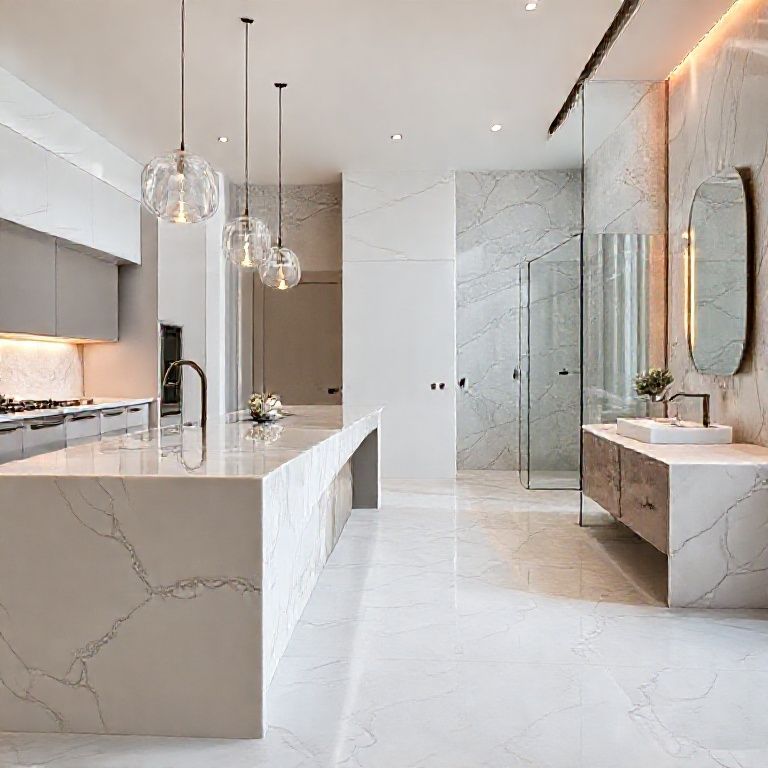
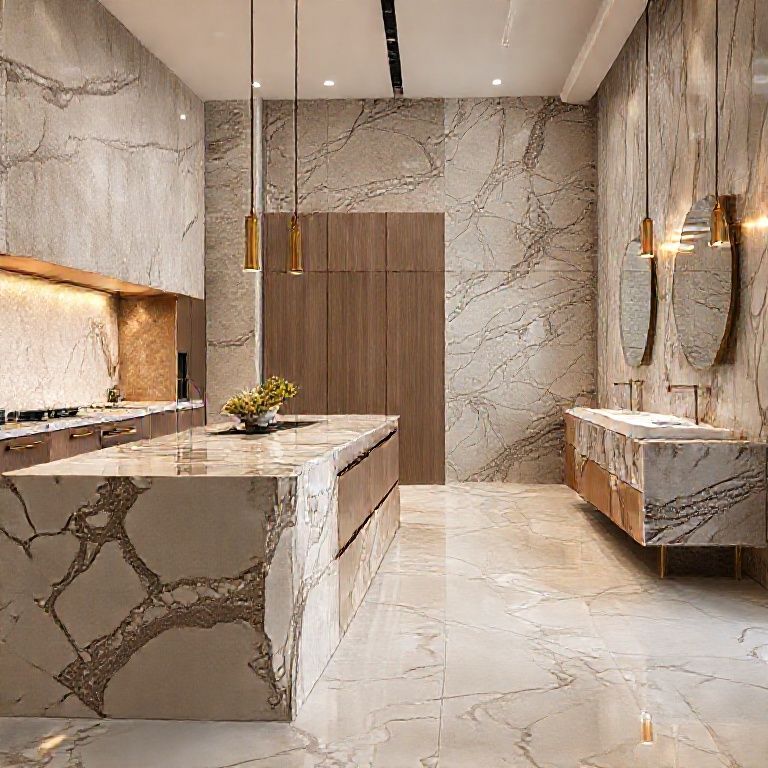
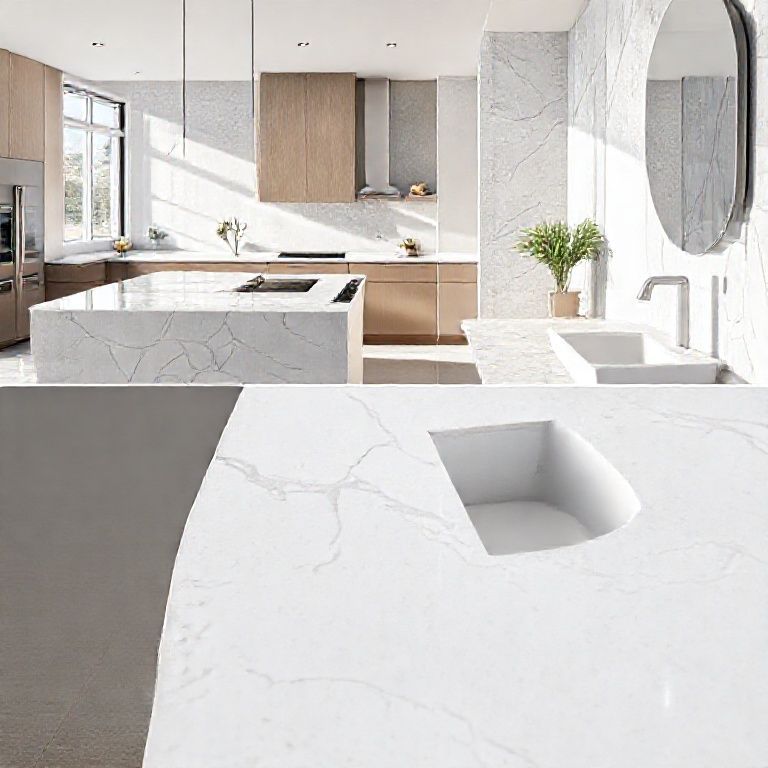
Artificial marble’s primary appeal lies in its versatility and the myriad applications it lends itself to. Its ability to mimic natural stone while offering superior durability makes it an ideal choice for countertops, tabletops, sinks, and decorative elements in both residential and commercial spaces.
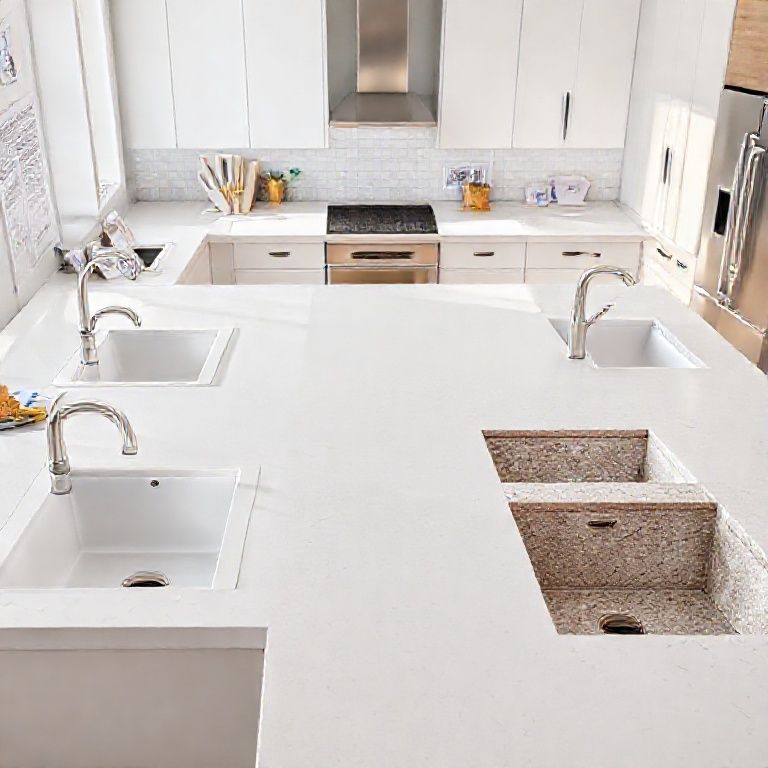
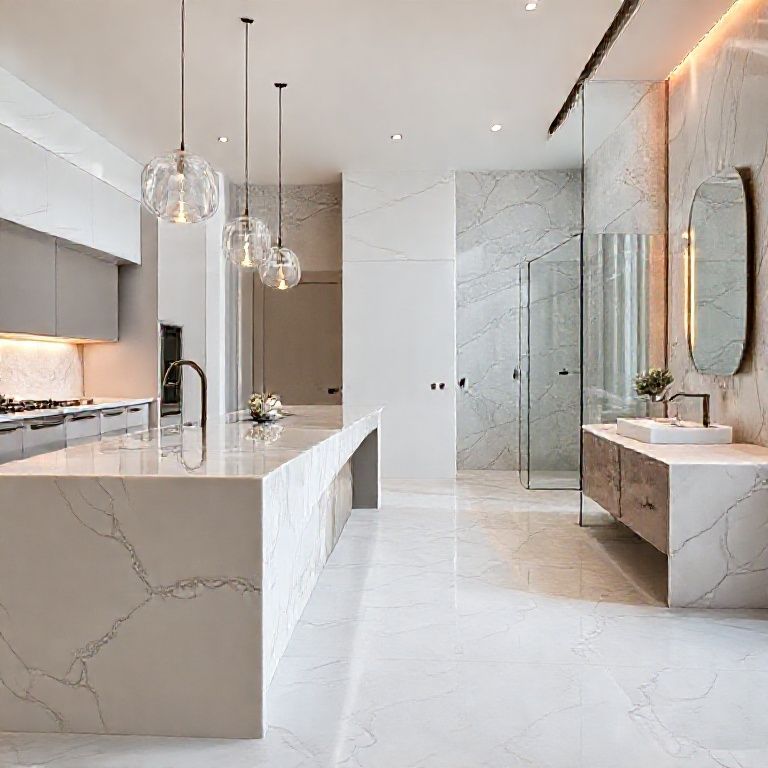
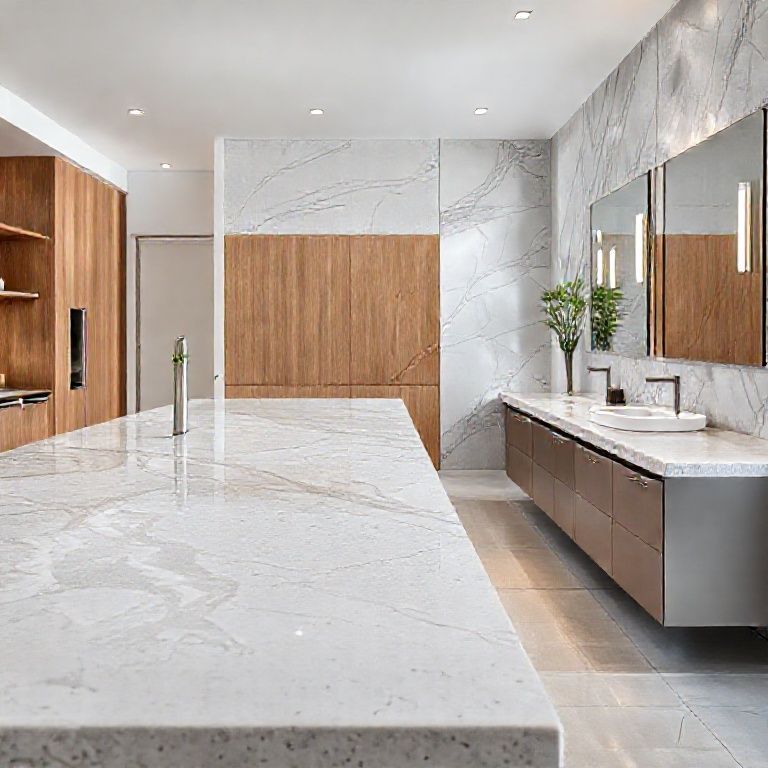
Countertops and Kitchens: Artificial marble countertops are popular in kitchens due to their resistance to stains, scratches, and heat. Unlike natural stone, they do not require sealing to maintain their appearance, simplifying maintenance. Additionally, their durability makes them suitable for high-traffic areas where impact resistance is crucial.
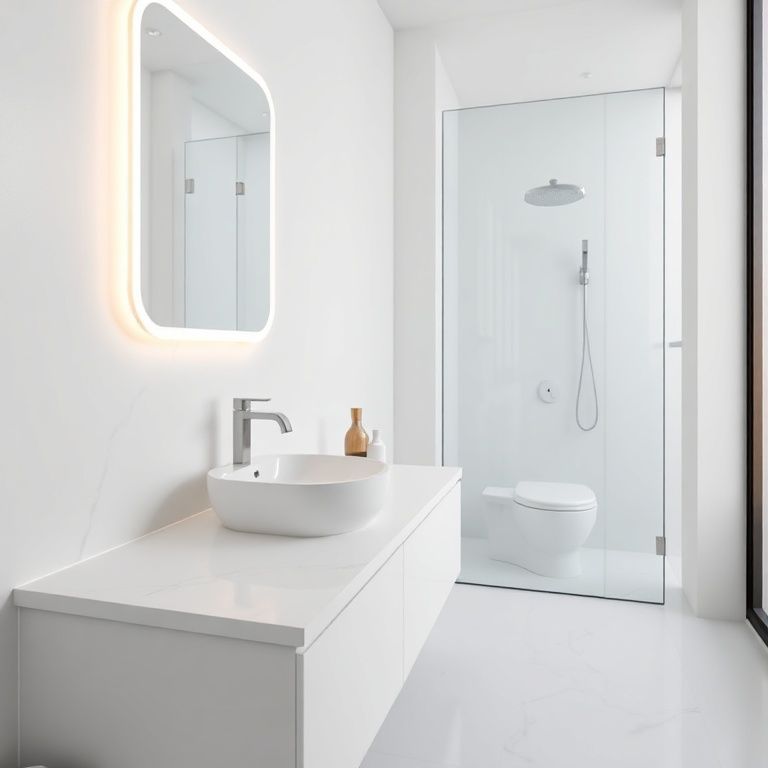
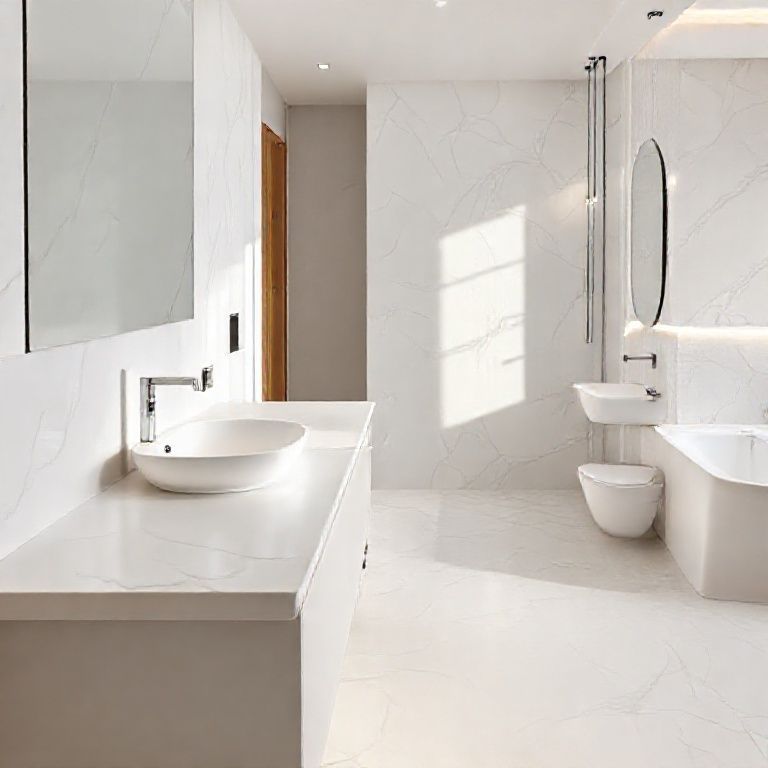
Bathrooms and Vanity Tops: In bathrooms, artificial marble is favored for its clean and sleek appearance. Vanity tops made from artificial marble offer a modern look that is easy to clean and maintain, making them a practical choice for everyday use.
Furniture and Decorative Elements: Artificial marble is also used in furniture, such as bar tops, dining tables, and shelving units. Its aesthetic appeal and durability make it an excellent choice for both functional and decorative pieces. Furthermore, its ability to be molded into various shapes allows for creative and innovative design possibilities.
Sustainability and Future Innovations
As the demand for sustainable and eco-friendly materials grows, artificial marble is positioned to play a significant role in the future of the stone industry. By using a combination of recycled and renewable resources, manufacturers can produce artificial marble that has a lower environmental impact compared to traditional natural stone extraction.
Innovations in the field of composite materials continue to push the boundaries of what artificial marble can achieve. Advances in resin technology and the development of new pigments and additives are leading to products that offer even greater durability, aesthetic versatility, and sustainability.
Conclusion
In conclusion, artificial marble is a testament to the ingenuity and creativity of modern materials science. Its primary components, from resins and pigments to fillers and stabilizers, work together to create a product that rivals the beauty and durability of natural marble while offering unmatched versatility and practicality. As the industry continues to innovate, artificial marble is set to remain a popular choice for those seeking a stunning and sustainable alternative to traditional stone.
Innovations and Advancements in Artificial Marble Manufacturing
Artificial marble has become a cornerstone of modern interior design and construction, offering an aesthetically pleasing and durable alternative to natural stone. As the demand for this versatile material continues to grow, so too does the need for innovation in its production. The manufacturing process of artificial marble is continually evolving, driven by advancements in materials science, technology, and sustainability.
1. Advanced Resin Technology
One of the most significant advancements in artificial marble manufacturing is the development of advanced resin technology. Resins play a critical role in the structure and appearance of artificial marble, and new formulations are being created to enhance its properties.
High-Performance Resins: Modern resins are designed to offer superior bonding strength, impact resistance, and durability. These high-performance resins can withstand extreme conditions, making artificial marble suitable for a wide range of applications. The development of resins that are more resistant to heat, stains, and chemicals has extended the lifespan and usability of artificial marble products.
Eco-Friendly Resins: Sustainability is a key focus in the stone industry, and advancements in resin technology are reflecting this trend. Eco-friendly resins that use less energy and produce fewer emissions during manufacturing are being developed. These resins also reduce the environmental impact of the entire production process, aligning with global efforts to achieve greener manufacturing practices.
2. Cutting-Edge Pigment Formulations
The appearance of artificial marble is largely determined by the pigments and colorants used in its production. Innovations in this area have led to more realistic and varied color options, enhancing the material’s appeal.
Nano-Pigments: Nano-pigments are tiny particles that can be incorporated into the resin to create highly realistic and detailed patterns. These pigments allow for the creation of intricate veining and color gradients that closely mimic the natural appearance of marble. The use of nano-pigments results in a product with superior aesthetic qualities and a more authentic look.
Sustainable Pigments: In line with sustainability goals, new pigment formulations are being developed using natural and recycled materials. These pigments not only provide vibrant colors but also reduce the environmental footprint of the manufacturing process. Manufacturers are exploring ways to use biodegradable and non-toxic pigments to further enhance the eco-friendliness of artificial marble.
3. Enhanced Fillers and Reinforcements
To improve the mechanical properties of artificial marble, manufacturers are experimenting with advanced fillers and reinforcements.
Advanced Fillers: High-quality fillers such as synthetic quartz, alumina, and nano-materials are being used to enhance the strength and durability of artificial marble. These fillers provide a stable and dense base, improving the material’s resistance to wear and impact. The use of advanced fillers also allows for more precise control over the texture and surface finish of the final product.
Reinforcement Materials: The incorporation of advanced reinforcement materials, such as carbon fiber and high-strength polymers, is providing artificial marble with even greater strength and flexibility. These reinforcements help to prevent cracks and fractures, making the material more suitable for high-stress applications.
4. Innovative Manufacturing Techniques
The manufacturing process of artificial marble has seen significant advancements in terms of efficiency, precision, and quality.
Automated Mixing and Curing: Automation has revolutionized the production of artificial marble, allowing for more precise自动化技术在混合和固化过程中的应用提高了生产效率和产品一致性。
先进的自动化设备能够精确控制原材料的比例和混合时间,确保每个批次的产品具有一致的质量。
3D打印技术: 在某些高端应用中,3D打印技术正在被引入以实现复杂的设计和定制化产品。虽然这种技术在人造大理石中的应用仍在发展中,但它有潜力提供更多创新和设计自由。
5. 智能制造与数字化控制
智能制造和数字化控制在人造大理石生产中的应用,使得整个生产过程更加高效和精确。
物联网 (IoT) 和大数据分析: 通过物联网设备和大数据分析,生产线可以实时监控和优化工艺参数。这不仅提高了生产效率,还减少了材料浪费和生产缺陷。
增强现实 (AR) 和虚拟现实 (VR): 在设计和展示阶段,增强现实和虚拟现实技术被用来提供虚拟样品,使客户能够在3D环境中查看和选择产品。这有助于更好地满足客户的个性化需求。
6. 环保和可持续发展
随着环境保护意识的提高,人造大理石的生产商们正在致力于更加环保和可持续的生产方式。
回收利用: 一些工厂正在开发回收和再利用的技术,以减少废弃物。这包括回收和再利用生产过程中产生的废料,以及开发可降解或可回收的包装材料。
低排放技术: 新型低排放的固化技术和设备正在开发,以减少有害气体的排放。这些技术不仅有助于减少对环境的影响,还符合全球对低碳经济的要求。
7. 市场趋势与未来展望
人造大理石市场正在迅速发展,受益于其多样化的应用和优越的性能。
高端市场: 随着高端建筑和室内设计的增长,人造大理石在豪华住宅、高档酒店和公共建筑中的应用越来越广泛。
智能家居: 未来,人造大理石可能会在智能家居领域得到更多应用。例如,智能桌面和可调节光照的厨房台面,这些创新将进一步提升人造大理石的功能性和美观性。
8. 结论
人造大理石的制造工艺和技术正在不断进步,推动着这一材料在建筑和室内设计领域的广泛应用。通过创新的材料配方、先进的制造技术和可持续发展的生产方式,人造大理石正在成为现代建筑和室内设计中不可或缺的重要材料。随着市场需求的不断增加,未来人造大理石的发展前景将更加广阔,其应用将更加多样化和智能化。