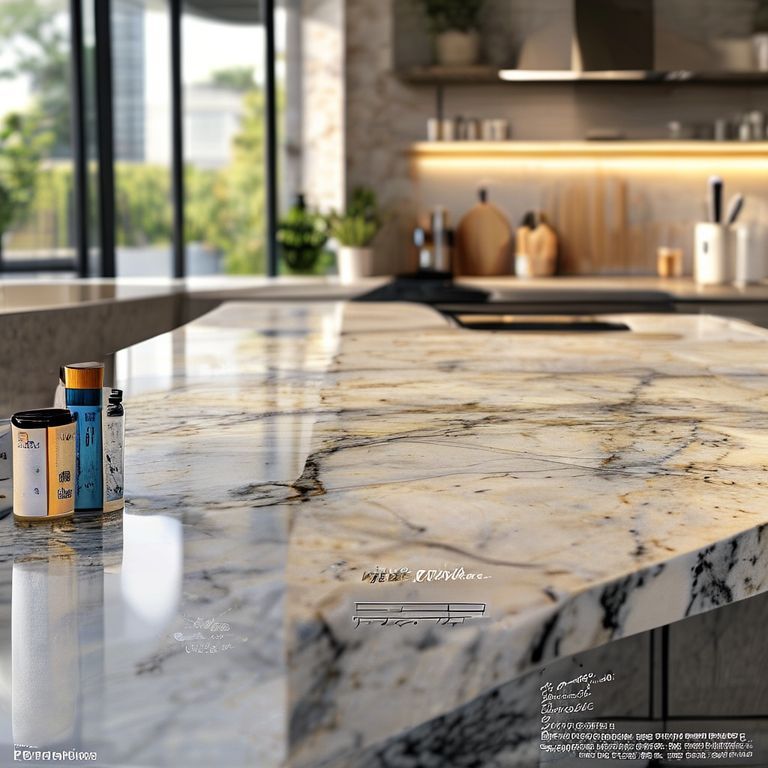
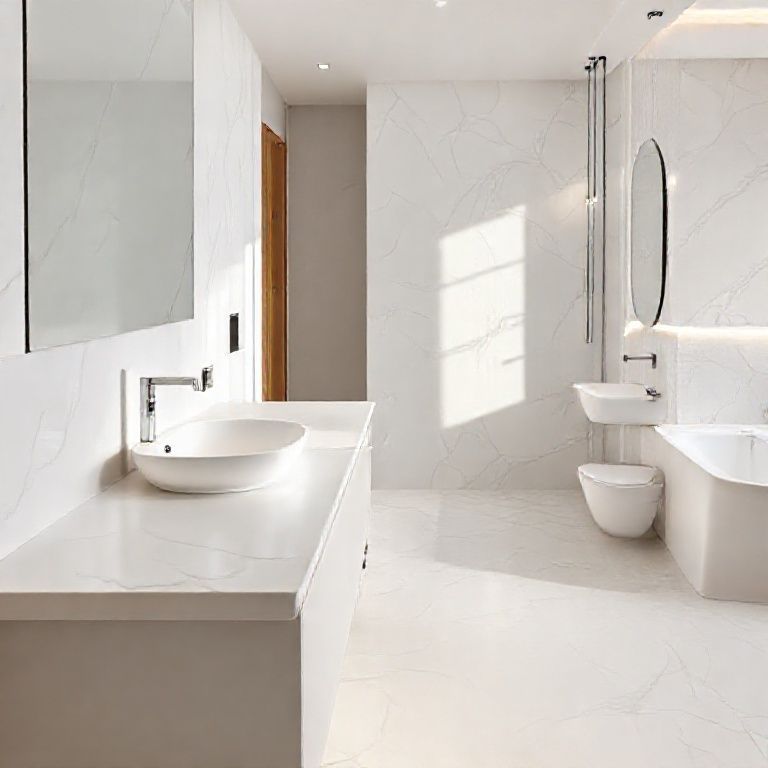
Dive into the fascinating world of 可耐板, an innovative building material that is revolutionizing the construction industry. In this comprehensive article, we explore its unique properties, benefits, and the future potential it holds. Part 1 covers the foundational aspects and current applications, while Part 2 delves deeper into its technological advancements and broader implications for sustainable construction.

Unveiling the Wonders of 可耐板
Introduction to 可耐板
In the ever-evolving world of construction, the search for materials that balance performance, durability, and sustainability is paramount. Enter 可耐板, a groundbreaking material that stands at the forefront of this revolution. Derived from advanced manufacturing processes, 可耐板 (Kénaibǎn) offers a unique blend of strength, flexibility, and eco-friendliness, setting new benchmarks in building technology.
What is 可耐板?
可耐板 is a composite material designed to meet the rigorous demands of modern construction. It combines several advanced polymers and fibers to create a product that excels in both structural integrity and environmental friendliness. The term “可耐板” itself speaks to its resilience and versatility, making it an ideal choice for a wide range of applications.
Key Properties of 可耐板
High Durability: One of the standout features of 可耐板 is its exceptional durability. The material can withstand extreme weather conditions, heavy loads, and prolonged exposure to environmental elements without degrading. This makes it suitable for both indoor and outdoor applications.
Flexibility and Versatility: Unlike traditional building materials that often suffer from brittleness, 可耐板 is incredibly flexible. This property allows architects and builders to create innovative designs that were previously impossible with conventional materials.
Eco-Friendliness: Sustainability is at the heart of 可耐板’s design. The material is manufactured using eco-friendly processes, and its components are often recyclable, reducing the overall carbon footprint of construction projects.
Lightweight: 可耐板 is significantly lighter than many traditional building materials. This reduction in weight not only eases transportation and installation but also contributes to the overall energy efficiency of a building.
Applications of 可耐板
The unique properties of 可耐板 make it suitable for a wide array of applications across different sectors of the construction industry:
Residential Buildings: In residential construction, 可耐板 is used for walls, floors, and roofing. Its flexibility and durability ensure long-lasting, aesthetically pleasing structures that maintain their integrity over time.
Commercial Structures: For commercial buildings, 可耐板 is ideal for facades, partitions, and interior designs. Its ability to withstand heavy foot traffic and environmental stress makes it perfect for high-use areas.
Infrastructure Projects: In large-scale infrastructure projects, such as bridges, tunnels, and highways, 可耐板 provides a durable, lightweight alternative to traditional materials, enhancing both safety and efficiency.
Green Buildings: With the growing emphasis on sustainable construction, 可耐板 aligns perfectly with the principles of green building. Its eco-friendly nature, combined with high performance, makes it an excellent choice for eco-conscious architects and builders.
Technological Advancements
The development of 可耐板 is a testament to the advancements in material science. Engineers and scientists have meticulously designed this material to push the boundaries of what is possible in construction. Here are some of the technological advancements that contribute to the excellence of 可耐板:
Advanced Polymer Blends: The core of 可耐板’s strength lies in its innovative polymer blends. These polymers are engineered to provide superior strength and flexibility, ensuring that the material can be molded into various forms without losing its integrity.
Fiber Reinforcement: To further enhance durability, 可耐板 incorporates fiber reinforcement. These fibers, often made from carbon or glass, add an extra layer of strength and resilience to the material, making it capable of withstanding even the most challenging conditions.
Nanotechnology: The use of nanotechnology in the production of 可耐板 allows for the creation of materials with unprecedented properties. Nanoparticles are embedded within the polymer matrix to improve strength, flexibility, and resistance to environmental factors.
Future Prospects
As we look to the future, the potential applications of 可耐板 continue to expand. The ongoing research and development in material science promise even more innovative uses for this versatile material. Here are some of the future prospects:
Smart Building Materials: The integration of 可耐板 with smart technologies could revolutionize building design and maintenance. For instance, incorporating sensors within the material could allow for real-time monitoring of structural health, leading to proactive maintenance and increased safety.
Renewable Energy Infrastructure: With the global push towards renewable energy, 可耐板 could play a crucial role in the construction of wind turbines, solar panels, and other renewable energy systems. Its durability and lightweight nature would make it an ideal choice for these applications.
Disaster-Resilient Structures: In regions prone to natural disasters, such as earthquakes and hurricanes, 可耐板’s high durability and flexibility could be leveraged to construct buildings that are better equipped to withstand such events.
Conclusion
可耐板 represents a significant leap forward in the field of building materials. Its unique combination of durability, flexibility, and eco-friendliness makes it a standout choice for modern construction. As we continue to explore and innovate, the potential applications and benefits of 可耐板 will undoubtedly expand, paving the way for a more sustainable and resilient future in construction.
The Broader Implications and Sustainable Future of 可耐板
The Role of 可耐板 in Sustainable Construction
As the world grapples with the challenges of climate change and resource depletion, sustainable construction has become more important than ever. 可耐板 plays a pivotal role in this transition, offering a material that aligns perfectly with the principles of sustainability. Let’s delve deeper into how 可耐板 contributes to a more sustainable future.
Reducing Environmental Impact
Lower Carbon Footprint: The production of 可耐板 is designed to minimize its carbon footprint. By utilizing recycled materials and eco-friendly manufacturing processes, the environmental impact of producing this material is significantly reduced.
Energy Efficiency: Buildings constructed with 可耐板 are often more energy-efficient. The material’s lightweight nature reduces the amount of energy needed for transportation and installation. Additionally, its durability ensures that buildings require less maintenance, further reducing the need for energy over time.
Waste Reduction: 可耐板’s components are often recyclable, which means that at the end of its life cycle, it can be repurposed or recycled, reducing waste and the demand for virgin materials.
Enhancing Building Performance
Thermal Insulation: One of the remarkable properties of 可耐板 is its excellent thermal insulation. This feature helps buildings maintain a stable internal temperature, reducing the need for heating and cooling systems. Consequently, this leads to lower energy consumption and lower utility costs.
Acoustic Insulation: In addition to thermal insulation, 可耐板 also provides excellent acoustic insulation. This helps in creating quieter and more comfortable indoor environments, which is particularly beneficial for residential and commercial buildings.
Moisture Resistance: 可耐板 is highly resistant to moisture, which makes it ideal for use in humid or wet environments. This resistance helps in preventing mold, mildew, and other moisture-related issues, thereby enhancing the longevity and healthiness of the building.
Economic Benefits
Cost Efficiency: Although the initial cost of 可耐板 may be higher than traditional materials, the long-term benefits often outweigh the upfront investment. The material’s durability and low maintenance requirements result in significant cost savings over the lifespan of the building.
Faster Construction Times: The flexibility and ease of installation of 可耐板 can lead to faster construction times. This not only reduces labor costs but also minimizes the disruption caused to the surrounding community during the building process.
Regulatory and Market Trends
The adoption of sustainable building materials like 可耐板 is increasingly influenced by regulatory and market trends. Governments around the world are implementing stricter regulations to promote sustainable construction practices. Here’s how 可耐板 fits into these trends:
Regulatory Compliance: Many regions are implementing building codes and standards that require the use of sustainable materials. 可耐板’s eco-friendly properties make it compliant with these regulations, helping builders meet the necessary criteria for new construction projects.
Market Demand: There is a growing market demand for sustainable building solutions. As more consumers and businesses prioritize environmental responsibility, the demand for materials like 可耐板 is expected to rise. This shift in market trends is driving further innovation and investment in this field.
Innovations and Future Trends
The future of 可耐板 is bright, with ongoing innovations and research promising even more applications and benefits. Here are some trends and innovations on the horizon:
Integration with Smart Technologies: As mentioned earlier, integrating 可耐板 with smart technologies could lead to smarter buildings that can self-monitor and adjust to environmental changes. This could include advanced insulation, self-healing materials, and real-time structural health monitoring.
Biodegradable Options: Researchers are exploring ways to make 可耐板 more environmentally friendly by developingbiodegradable versions. These materials would decompose naturally after their useful life, reducing long-term environmental impact. This innovation could further enhance 可耐板’s appeal in the sustainable construction market.
Advanced Recycling Techniques: As recycling technologies improve, the ability to reclaim and reuse 可耐板 components will become more efficient. This could lead to a closed-loop system where the material can be recycled multiple times without losing its properties.
Case Studies and Real-World Applications
To understand the real-world impact of 可耐板, let’s look at some case studies and applications where this material has been successfully implemented.
Residential Buildings: Green Homes: In several eco-friendly residential projects, 可耐板 has been used to construct walls, roofs, and flooring. Its excellent thermal and acoustic insulation properties have helped create homes that are not only energy-efficient but also comfortable and healthy for occupants. Cost Savings: Homeowners have reported significant savings on utility bills due to the energy-efficient nature of 可耐板. The material’s durability has also minimized the need for costly repairs and maintenance. Commercial Structures: Office Buildings: 可耐板 has been used in the construction of modern office buildings, where its flexibility and durability have allowed for innovative designs and layouts. The material’s lightweight nature has facilitated easier installation and reduced construction time. Retail Spaces: In retail environments, 可耐板’s versatility has been leveraged to create dynamic and adaptable spaces. Its resistance to wear and tear makes it ideal for high-traffic areas like storefronts and interior partitions. Infrastructure Projects: Bridges and Tunnels: In large-scale infrastructure projects, 可耐板’s strength and durability have made it an excellent choice for constructing bridges and tunnels. Its ability to withstand harsh environmental conditions ensures long-lasting structures. Roads and Highways: For road and highway construction, 可耐板 provides a durable and low-maintenance surface that can handle heavy traffic loads while maintaining structural integrity.
Challenges and Considerations
While 可耐板 offers numerous benefits, there are some challenges and considerations to keep in mind:
Cost: The initial cost of 可耐板 is higher compared to traditional materials. However, the long-term savings in terms of maintenance, energy efficiency, and durability often justify the upfront investment.
Availability: As a relatively new material, the availability of 可耐板 might be limited in some regions. However, as demand grows, production capabilities are likely to expand.
Regulatory Approval: In some countries, new building materials undergo rigorous testing and regulatory approval processes. Ensuring that 可耐板 meets all necessary standards is crucial for its adoption in various projects.
Installation Expertise: Given its unique properties, the installation of 可耐板 might require specialized skills. Ensuring that contractors are trained and experienced in working with this material is essential for optimal results.
Conclusion
可耐板 represents a significant advancement in building materials, offering a combination of durability, flexibility, and sustainability that traditional materials cannot match. Its applications span across residential, commercial, and infrastructure projects, promising long-term benefits in terms of energy efficiency, cost savings, and reduced environmental impact.
As the construction industry continues to evolve, the adoption of innovative materials like 可耐板 will play a crucial role in shaping a more sustainable and resilient future. The ongoing research and development in this field promise even more exciting possibilities, making 可耐板 a material to watch in the years to come. By embracing this revolutionary material, the industry can take significant steps towards achieving its sustainability goals and building a better world for future generations.