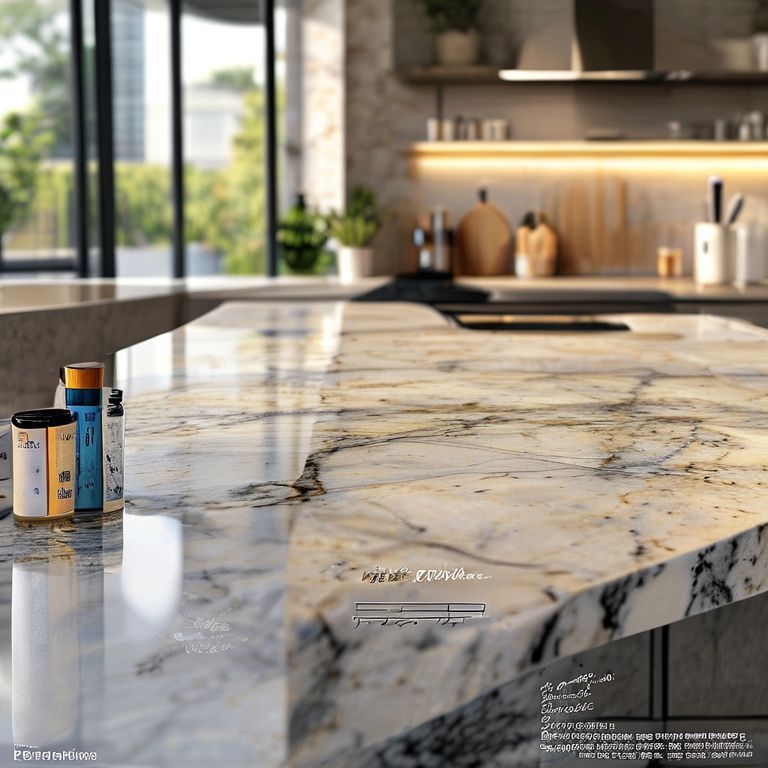
The Grand Debate: Who Holds the Throne – Artificial Marble vs. Natural Marble
Introduction:
In the realm of luxury and elegance, marble has long held a revered position. This timeless material graces homes, offices, and public spaces around the globe. However, the choice between artificial marble and natural marble often sparks a lively debate among homeowners, designers, and architects. To navigate this fascinating comparison, let’s delve into the nuances of both options, uncovering their distinct qualities, benefits, and drawbacks.

Understanding Artificial Marble:
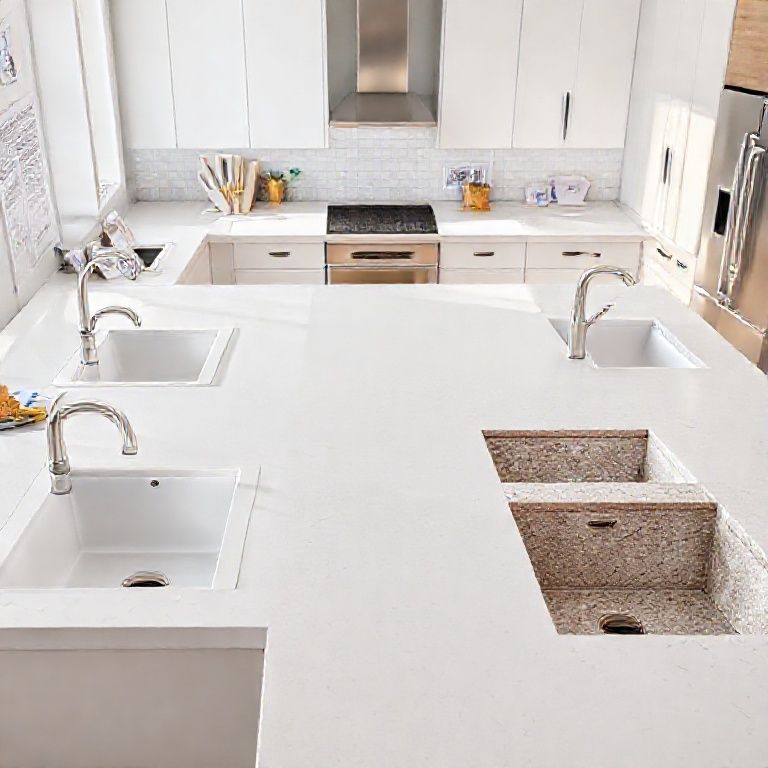
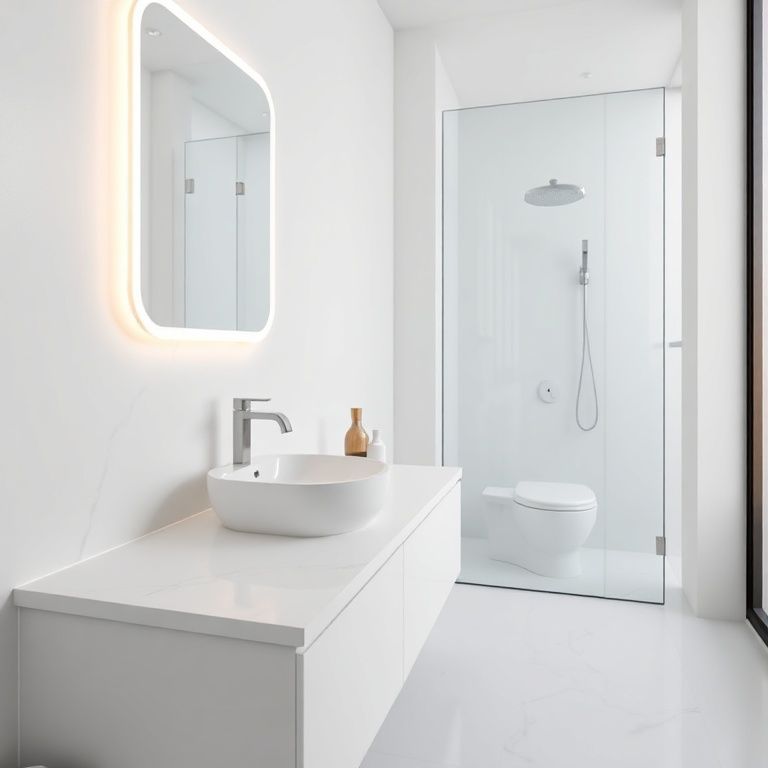
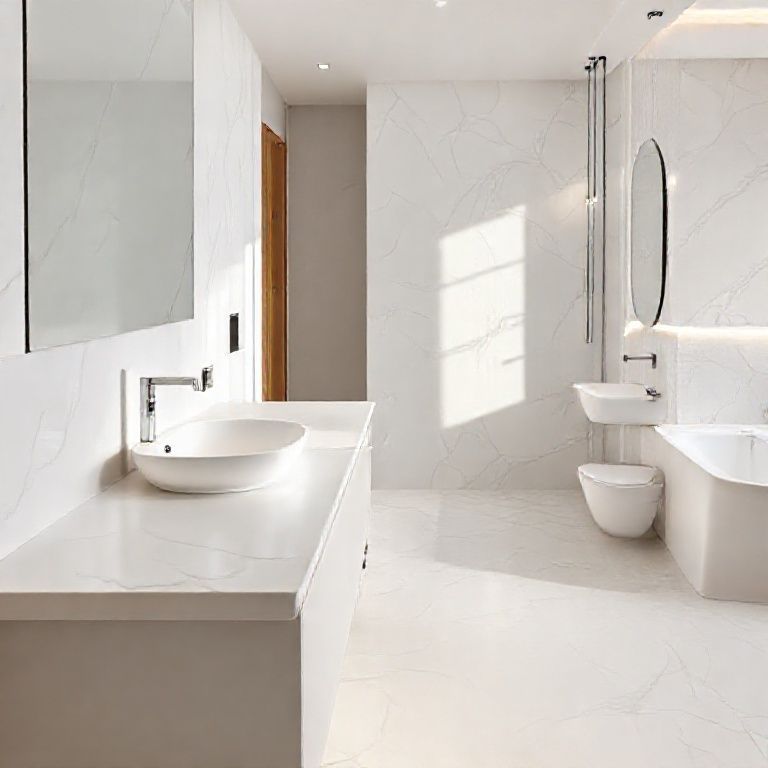
Artificial marble, also known as engineered or synthetic marble, is a composite material made from a combination of quartz, resin, and other minerals. This material is meticulously crafted in a factory setting, allowing for a consistent and uniform product.
Advantages of Artificial Marble:
Consistency and Design Flexibility: Artificial marble is produced in a controlled environment, ensuring uniformity in color, texture, and thickness. This consistency allows designers to achieve precise, intricate designs that are not possible with natural marble. Durability and Strength: Engineered to be tough and durable, artificial marble is less susceptible to stains, scratches, and chips compared to natural marble. It also has a higher compressive strength, making it ideal for high-traffic areas. Cost-Effectiveness: One of the most significant advantages of artificial marble is its cost-effectiveness. The manufacturing process is more economical than producing natural marble, which translates to lower prices for consumers. Environmentally Friendly: Artificial marble is a more sustainable option compared to natural marble. It does not require the extensive quarrying and transportation processes associated with natural stone, thereby reducing the environmental footprint.
Challenges of Artificial Marble:
Despite its many benefits, artificial marble does have some limitations:
Aesthetic Limitations: While artificial marble can mimic the look of natural marble, it lacks the unique, natural beauty found in genuine stone. The patterns and colors can appear uniform and less organic. Heat Resistance: Artificial marble is not as heat-resistant as natural marble. It can still crack under direct, intense heat, although it generally handles everyday cooking heat better than natural marble. Maintenance: Although artificial marble is more durable than natural marble, it still requires regular cleaning and maintenance to maintain its appearance. Over time, it can show signs of wear, though it typically lasts longer than natural marble.
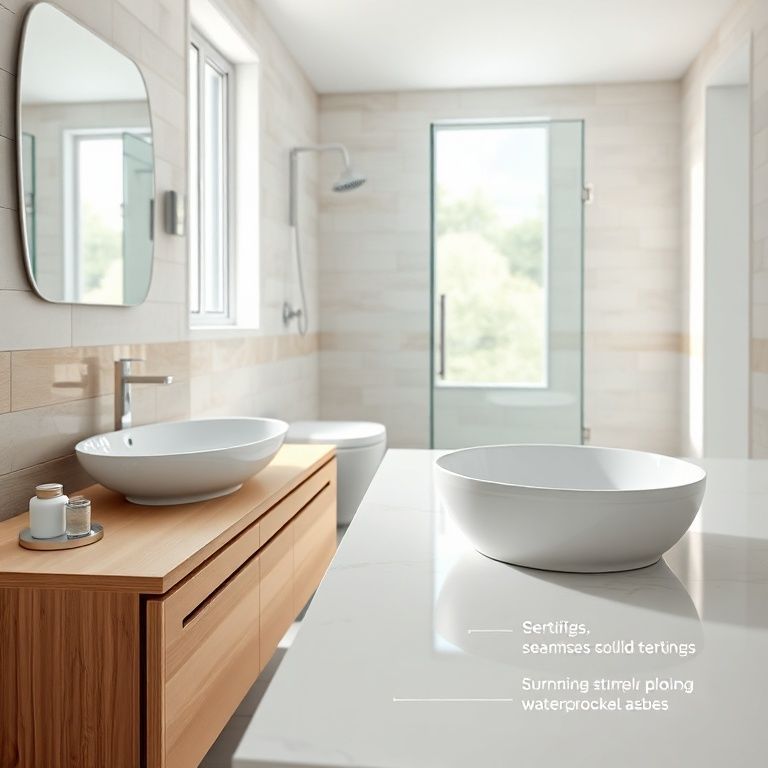
Understanding Natural Marble:
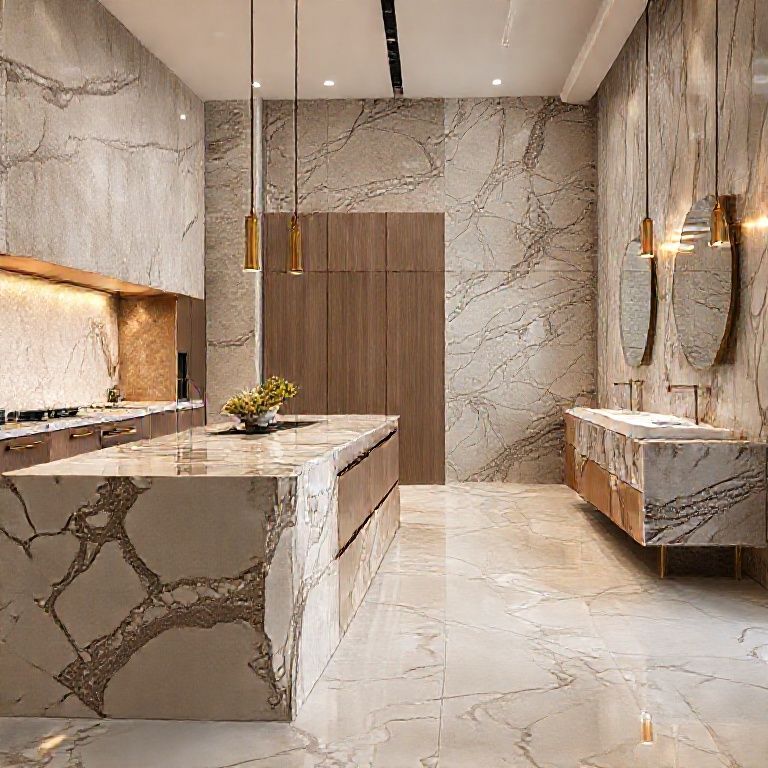
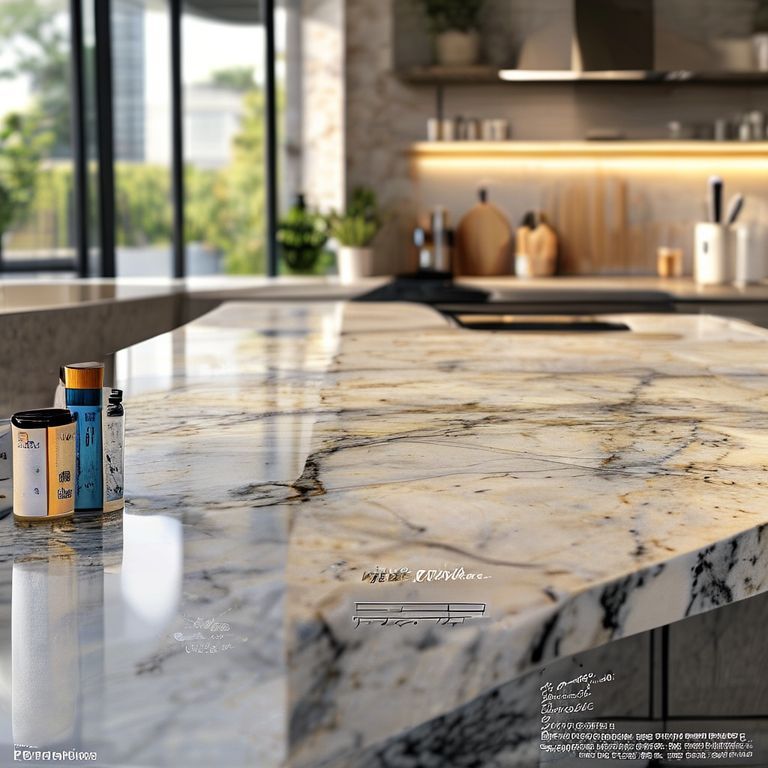
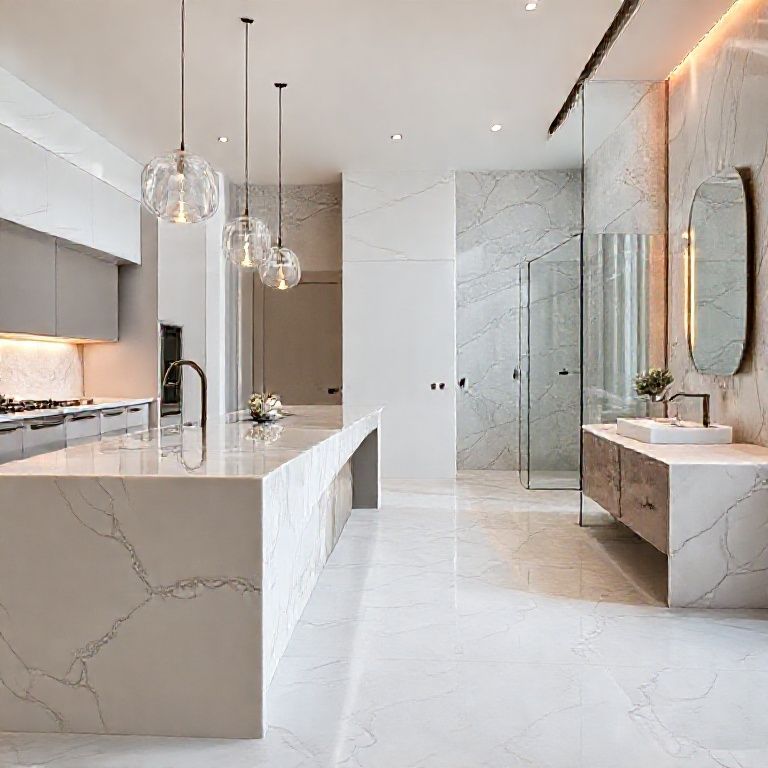
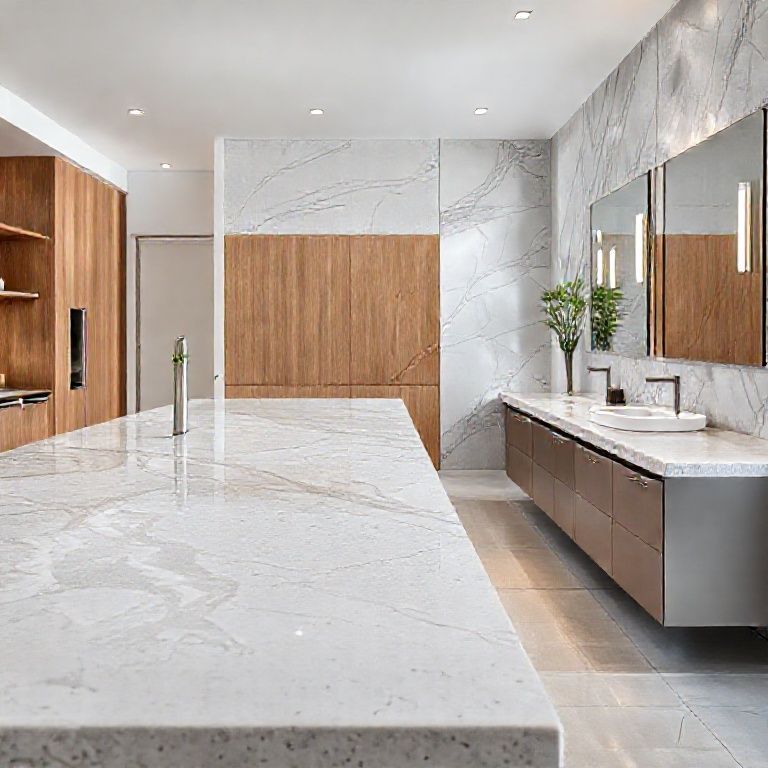
Natural marble, a metamorphic rock formed from limestone, offers a rich tapestry of colors, patterns, and textures that are unmatched in their uniqueness. Each piece of natural marble is distinct, making it a highly sought-after material for luxury applications.
Advantages of Natural Marble:
Unmatched Aesthetic Appeal: The most compelling allure of natural marble lies in its visual charm. The unique veining and color variations create a natural, organic beauty that artificial marble can never replicate. This makes natural marble a timeless choice for those seeking a luxurious, authentic look. Durability and Longevity: When properly cared for, natural marble can last for generations. Its hardness makes it highly resistant to scratches and stains, and its durability ensures it remains a stunning centerpiece for years to come. Versatility: Natural marble’s versatility allows it to be used in various applications, from countertops and tiles to flooring and sculptures. Its ability to blend seamlessly into different design styles makes it a versatile choice for both residential and commercial spaces.
Challenges of Natural Marble:
However, natural marble is not without its drawbacks:
Cost: The beauty and uniqueness of natural marble come at a price. It is significantly more expensive than artificial marble due to its natural formation and the costs associated with mining, transportation, and craftsmanship. Maintenance: Natural marble requires diligent care to maintain its pristine appearance. It is prone to staining and etching from acids, so it needs regular cleaning and sealing to prevent damage. Variability: The natural and unique characteristics of marble mean that each piece is different. This variability can be a challenge for those looking for uniformity in design and can affect the overall cost and design planning.
Conclusion of
In the grand debate between artificial marble and natural marble, both options offer unique advantages and challenges. Artificial marble stands out for its consistency, durability, and cost-effectiveness, making it an excellent choice for those seeking a reliable and affordable material. On the other hand, natural marble captivates with its unmatched aesthetic appeal, versatility, and longevity, making it the preferred choice for those who value authenticity and luxury.
In the next part, we will further explore the installation, maintenance, and overall value of both artificial and natural marble, providing a comprehensive guide to help you make an informed decision for your next project.
The Grand Debate: Who Holds the Throne – Artificial Marble vs. Natural Marble
Installation and Design Considerations:
Installation:
Artificial Marble: Installing artificial marble is generally straightforward and can be performed by professionals or DIY enthusiasts with basic tools. Its uniformity and consistent thickness make it easier to cut, shape, and fit into various spaces without the need for extensive adjustments. Additionally, artificial marble can be used with various adhesives and installation techniques, providing flexibility in design. Natural Marble: The installation of natural marble can be more complex due to its variable thickness and the need for precise cutting to match the unique patterns of each piece. Professional installation is often recommended to ensure that the marble fits perfectly and maintains its aesthetic appeal. Natural marble also requires careful consideration during installation to account for expansion and contraction, which can occur with changes in temperature and humidity.
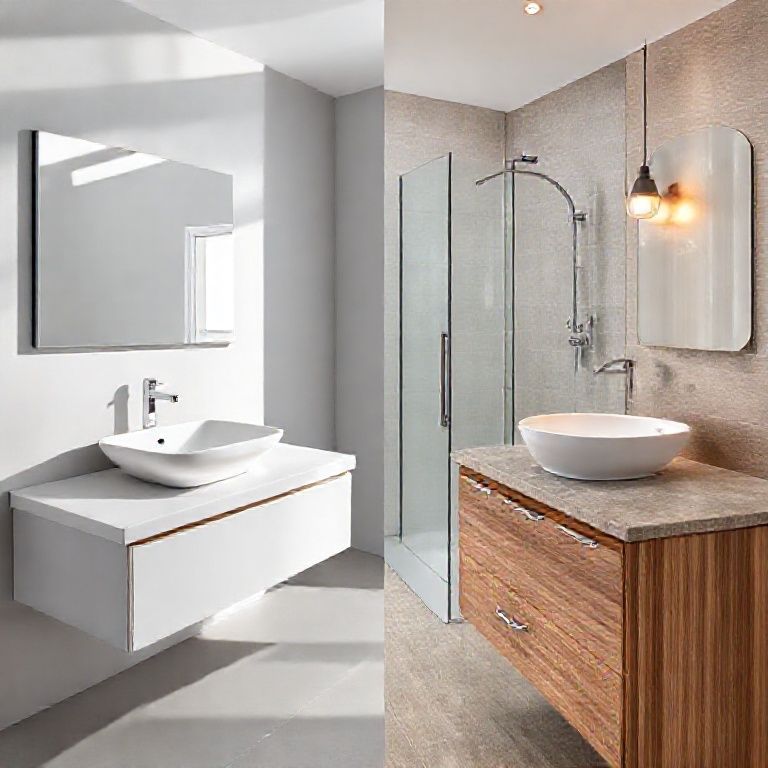
Design Considerations:
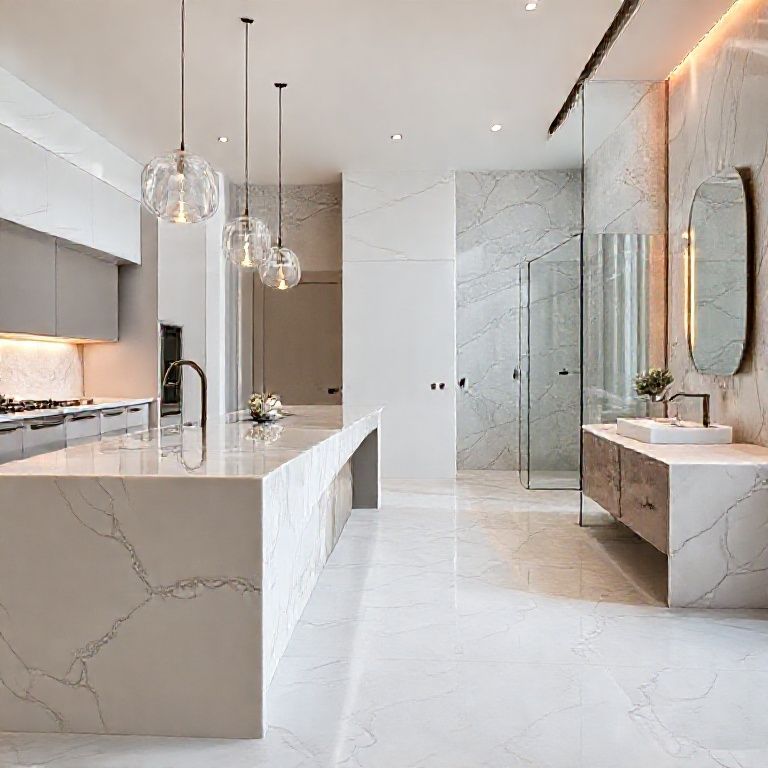
Artificial Marble: Artificial marble’s consistency allows for innovative and intricate designs that can mimic the look of natural marble. It is perfect for custom countertops, sinks, and other surfaces where precise design and uniformity are crucial. Designers can create bold, large-scale patterns and shapes that would be challenging to achieve with natural marble. Natural Marble: The unique and natural beauty of natural marble makes it ideal for classic, timeless designs that reflect elegance and sophistication. It is often used in high-end settings such as luxury bathrooms, dining rooms, and reception areas where its natural veining and color variations can create a striking focal point. Natural marble’s beauty is often best showcased through simple, clean lines and minimalistic designs.
Maintenance:
Artificial Marble:
Ease of Cleaning: One of the significant advantages of artificial marble is its ease of cleaning. It does not require frequent sealing or special maintenance routines. A simple wipe with a mild soap and water solution is usually sufficient to keep it looking pristine. Stain Resistance: While artificial marble is less prone to stains than natural marble, it is not completely immune. It is important to avoid prolonged exposure to acidic substances and to clean up spills promptly to prevent any potential staining.
Natural Marble:
Regular Maintenance: Natural marble requires more diligent care to maintain its beauty and longevity. It is essential to clean natural marble regularly with a soft cloth and a marble-specific cleaner to avoid etching and staining. Additionally, natural marble needs to be sealed periodically to protect its surface from acids and other harsh substances. Stain and Scratch Resistance: Natural marble is more susceptible to stains and scratches compared to artificial marble. To maintain its appearance, it is important to use cutting boards, coasters, and other protective measures to prevent damage.
Value and Longevity:
Cost and Investment:
Artificial Marble: Artificial marble is a cost-effective choice for those looking to achieve a marble-like appearance without the high price tag. It offers a significant cost advantage over natural marble, making it an attractive option for budget-conscious homeowners and businesses. Natural Marble: The cost of natural marble is reflective of its rarity and the intricate processes required to extract and shape it. While it represents a significant investment, many view it as a worthwhile expense for its beauty and timeless elegance.
Longevity and Durability:
Artificial Marble: Although artificial marble is more durable than many other synthetic materials, it is not as long-lasting as natural marble. However, its durability is sufficient for everyday use in most residential and commercial settings. With proper care, artificial marble can last for many years. Natural Marble: Natural marble is renowned for its durability and longevity. When properly maintained, it can last for generations, retaining its beauty and structural integrity over time. Its resistance to scratches and stains makes it a lasting choice for those who value long-term investment in beauty and durability.
Conclusion of
The debate between artificial marble and natural marble ultimately boils down to personal preference, budget, and specific project requirements. Artificial marble offers a便捷、经济和设计上的灵活性,是许多人在选择地板、厨房台面或浴室装修材料时的首选。
它不仅在外观上能够很好地模仿天然大理石,而且在耐用性和维护上有明显的优势。因此,对于那些追求性价比和简便安装的人来说,人造大理石无疑是一个非常实用的选择。
对于那些注重质量、独特性和天然美感的人来说,天然大理石依然是首选。天然大理石的每一块石材都是独一无二的,拥有独特的纹理和色彩,能够为空间带来一种高雅和奢华的氛围。虽然天然大理石的价格较高,但它的美感和耐用性能够让人们感受到一种自然的魅力和永恒的价值。
在做出最终选择时,还需要考虑以下几个方面:
使用场所:不同的环境对材料的要求可能不同。比如,厨房台面需要耐油污和耐热,而浴室墙面可能需要防水性能好的材料。
维护成本:虽然人造大理石的日常维护较为简单,但天然大理石需要定期进行保养,以防止污渍和划痕。了解这些细节有助于做出更符合预算和使用需求的选择。
环保性:现代人越来越关注环保问题,选择环保材料也是一个重要的考量。人造大理石在生产过程中可能会使用一些化学成分,而天然大理石则更加环保,但其开采和加工过程也需要注意对环境的影响。
风格和设计:天然大理石能够提供无与伦比的自然美感,适合传统和高端设计风格。而人造大理石则在现代简约设计中表现出色。
人造大理石和天然大理石各有优缺点,关键在于根据具体的需求和预算来选择最适合的材料。无论选择哪一种,都应充分考虑其在使用环境中的表现,以确保最终效果达到预期的效果。