Understanding Artificial Marble Radiation
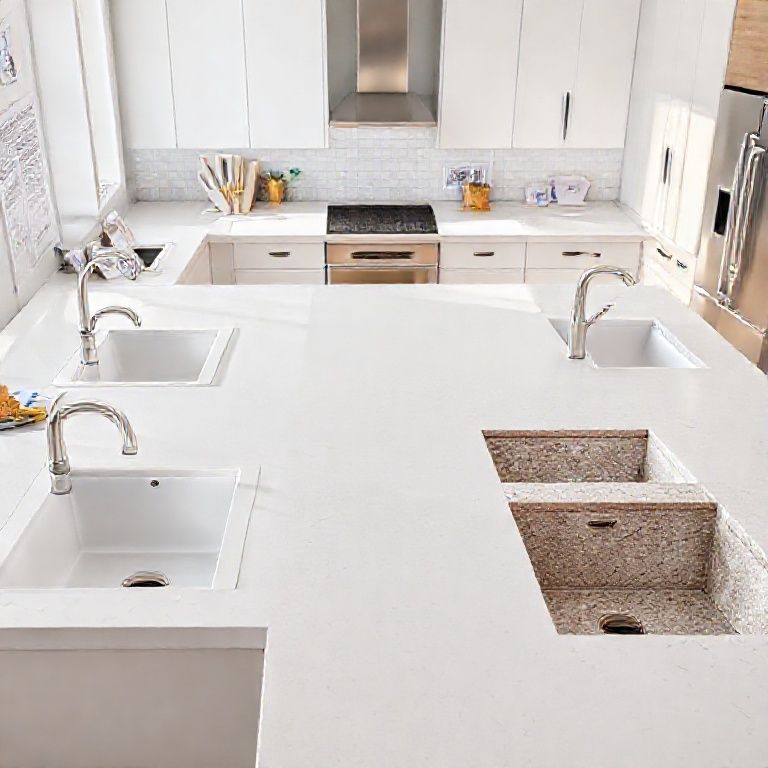
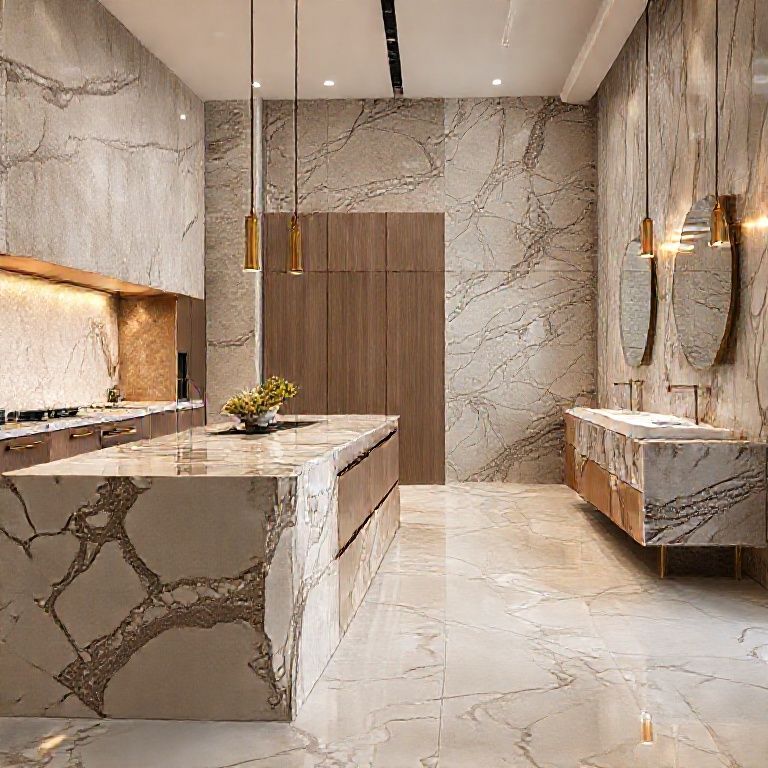
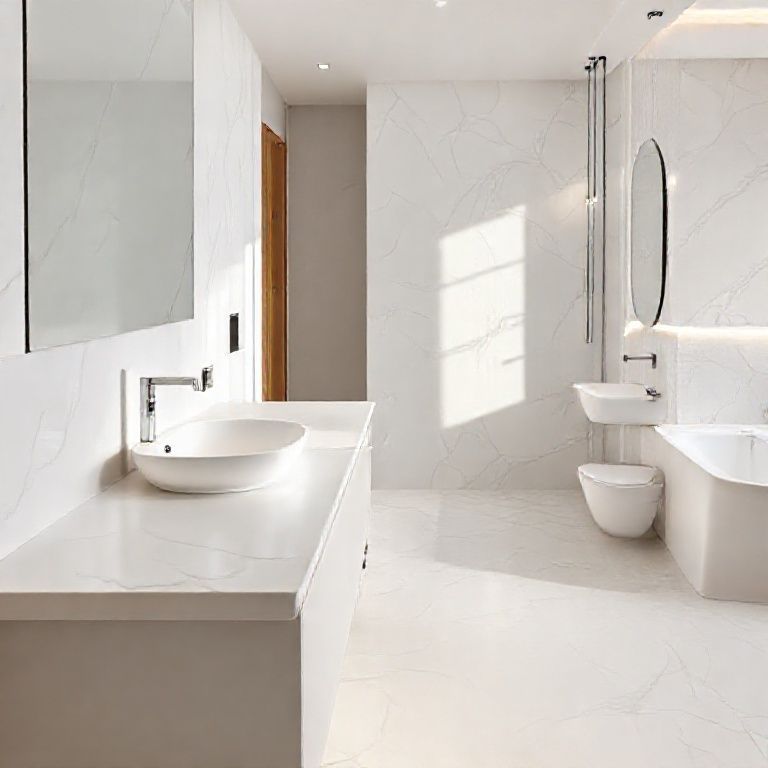
Artificial marble, also known as composite stone, is a popular choice for countertops, sinks, and other surfaces in both residential and commercial settings due to its durability, low maintenance, and aesthetic appeal. However, concerns have been raised about whether artificial marble radiation could pose a threat to human health. This first part will explore the science behind this phenomenon, the materials used in its production, and the potential risks associated with prolonged exposure.

The Science Behind Artificial Marble Radiation
Artificial marble is created by combining natural stones such as calcite, marble, limestone, or dolomite with resins, pigments, and other binding agents. This mixture is then compressed and cured under high pressure and temperature to form a solid, stone-like material. While the end product appears to be a natural stone, it is fundamentally different in composition and manufacturing process.
One of the main concerns with artificial marble is the potential for radiation. This often stems from the use of specific resins and pigments, some of which may contain radioactive elements. The primary fear is that these materials could emit low levels of radiation over time, which could potentially be absorbed by the human body.
Materials and Their Potential Risks
The materials used in artificial marble can vary widely based on manufacturer and specific product. Some of the common components include:
Calcium Carbonate: Often sourced from natural marble, limestone, or dolomite. It is generally considered non-toxic. Resins: Used to bind the stone particles together, some resins can be derived from petroleum and may contain trace amounts of radioactive materials. Pigments: These can include various minerals, some of which might contain trace radioactive elements.
While the concentrations of radioactive elements in these materials are typically low, prolonged exposure to any form of radiation can raise health concerns. The primary risks associated with radiation exposure include an increased likelihood of cancer, damage to cellular DNA, and other long-term health effects.
Detecting Radiation in Artificial Marble
Detecting radiation in artificial marble is not straightforward. Unlike naturally occurring radioactive materials, the radiation from artificial marble is often very low and may not be detectable through standard methods. However, some specialized laboratories are equipped to measure the levels of radiation emitted by these materials.

Practical Implications
For most people, the risk of radiation exposure from artificial marble is minimal. However, certain groups may be more vulnerable. These include:
Individuals with pre-existing health conditions: Those with compromised immune systems or other health issues may be more susceptible to the effects of radiation. Workers in manufacturing: People who work in the production of artificial marble might be exposed to higher levels of radiation due to the nature of their work. Residents in homes with extensive use: Those who live in homes where artificial marble is used extensively might have higher cumulative exposure.
Preventive Measures
If you are concerned about radiation exposure from artificial marble, there are several steps you can take to minimize potential risks:

Choose Reputable Brands: Opt for artificial marble products from manufacturers that provide detailed information about their materials and manufacturing processes. Ventilation: Ensure that your home or workspace is well-ventilated to disperse any airborne particles that might be released. Regular Cleaning: Clean artificial marble surfaces regularly to prevent the buildup of dust and particles that could potentially contain trace radioactive elements.
By understanding the materials and potential risks associated with artificial marble, you can make informed decisions to protect your health and well-being.
Mitigating Risks: How to Protect Yourself from Artificial Marble Radiation
While the risks associated with artificial marble radiation are generally low, it’s always wise to take precautions to ensure your health and safety. This part will provide practical advice on how to mitigate potential risks, including selecting safer alternatives, improving home safety, and staying informed about ongoing research and innovations.
Selecting Safer Alternatives
When choosing materials for your home or workspace, it’s important to opt for products that are less likely to pose radiation risks. Here are some alternatives to artificial marble that may be safer:
Natural Stone: Materials such as granite, quartzite, and slate are natural stones that do not involve the same manufacturing processes as artificial marble and are not likely to emit radiation. Ethical Composites: Some companies produce composite stones that use non-toxic resins and pigments and undergo rigorous testing to ensure low radiation levels. Bamboo: A rapidly renewable resource that provides a durable, beautiful alternative to both artificial and natural stone.
Improving Home Safety
Even with the best materials, there are steps you can take to minimize potential radiation exposure:
Ventilation: Proper ventilation is key to reducing the concentration of any airborne particles, including those that might contain trace radioactive elements. Ensure that your home is well-ventilated, especially in areas where artificial marble is used extensively. Regular Cleaning: Clean artificial marble surfaces regularly to prevent the buildup of dust and particles. Use a soft cloth or non-abrasive cleaner to avoid scratching the surface, which could release more particles into the air. Use Protective Equipment: If you work with artificial marble, use protective equipment such as gloves and masks to reduce direct contact and inhalation of any particles. Monitor Indoor Air Quality: Consider using air purifiers or indoor air quality monitors to keep track of any potential pollutants, including those from artificial marble.
Staying Informed About Ongoing Research
Scientific research is continually evolving, and new findings about artificial marble radiation may emerge. Keeping up-to-date with the latest studies can help you make informed decisions:
Subscribe to Scientific Journals: Follow reputable scientific journals and publications that focus on material safety and health impacts. Consult Health Organizations: Organizations such as the World Health Organization (WHO) and the Environmental Protection Agency (EPA) provide guidelines and updates on potential health risks from various materials. Participate in Forums: Join online forums and communities where experts and consumers discuss the latest research and practical advice on artificial marble and related materials.
Innovations in Material Safety
Technological advancements are paving the way for safer materials and improved manufacturing processes:
Advanced Detection Methods: New technologies are being developed to more accurately detect and measure radiation levels in materials. Non-Toxic Formulations: Researchers are working on creating composite stones with non-toxic formulations that still offer the durability and aesthetic appeal of traditional materials. Sustainable Practices: Innovations in sustainable practices aim to reduce the environmental impact of material production while maintaining safety standards.
Making Informed Choices
Ultimately, the key to mitigating the risks associated with artificial marble radiation lies in making informed choices:
Research Products Thoroughly: Before selecting any material, research its composition, manufacturing process, and potential health impacts. Prioritize Health: When possible, opt for materials that are known to be non-toxic and undergo rigorous safety testing. Consult Professionals: If you have concerns about existing installations, consult with professionals who can provide assessments and recommendations.
By taking these proactive steps, you can create a safer environment and protect your health from potential radiation exposure associated with artificial marble.
In conclusion, while the risks associated with artificial marble radiation are generally low, understanding the materials and potential health impacts is crucial. By choosing safer alternatives, improving home safety, and staying informed about ongoing research, you can make well-informed decisions to protect your health and well-being.