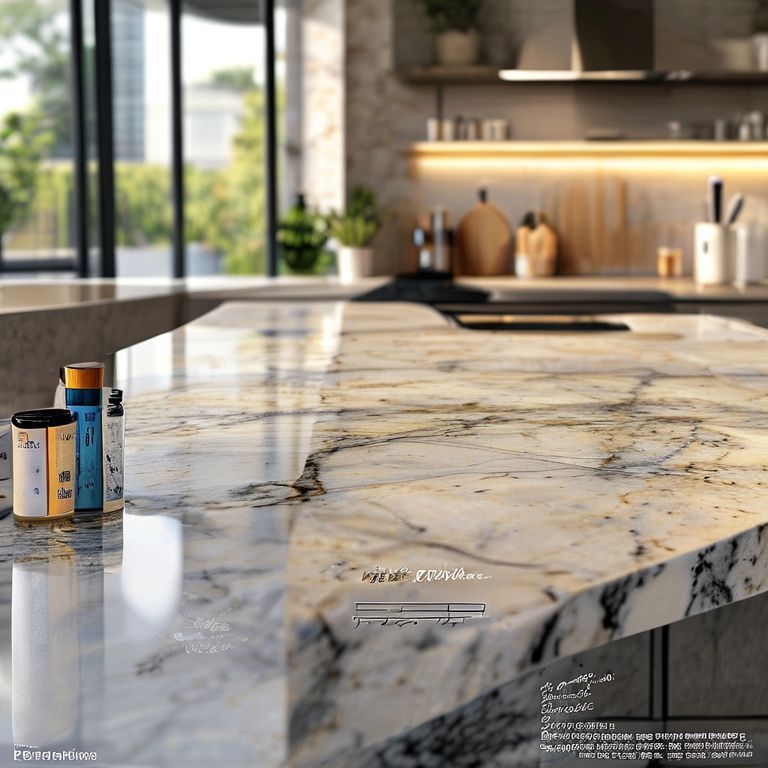
The Unseen Challenges of Engineered Marble
${part1}
In the realm of home and office design, engineered marble stands out as a popular choice for countertops, wall cladding, and other interior features. This material, which combines natural marble dust with resins, promises a stone-like appearance at a fraction of the cost. However, while engineered marble is celebrated for its affordability and durability, it’s crucial to explore its hidden costs and drawbacks. This first part delves into these often-overlooked disadvantages, offering a balanced perspective for informed decision-making.

Chemical Sensitivity and Staining Issues
One of the most significant drawbacks of engineered marble is its susceptibility to staining and chemical damage. While natural marble can withstand minor spills, engineered versions can suffer more severe impacts. Unlike solid stone, the resin binders in engineered marble can break down when exposed to certain acidic substances such as lemon juice, vinegar, and even some cleaning agents. This makes it essential to use only specialized cleaners and to avoid placing acidic foods directly on surfaces made from engineered marble.
Water Absorption and Maintenance
Although engineered marble is marketed as a low-maintenance material, it still requires careful handling to avoid water absorption. The porous nature of the resin binders can cause water to seep into the material, leading to discoloration and potential mold growth. This necessitates frequent cleaning and the use of sealants, which can add to the overall maintenance burden. Unlike natural marble, which develops a natural patina and becomes more resistant to stains over time, engineered marble may require frequent resealing to maintain its appearance.
Limited Aesthetic Versatility
While engineered marble is designed to mimic the look of natural marble, it often falls short in capturing the full spectrum of stone’s natural beauty. The color and veining in engineered marble are achieved through synthetic processes, which can result in a less organic, sometimes even uniform appearance. This lack of natural variability can be a drawback for those seeking the unique and authentic beauty of natural marble. Additionally, the manufacturing process for engineered marble can lead to inconsistencies in color and texture, which may not match perfectly across different pieces.
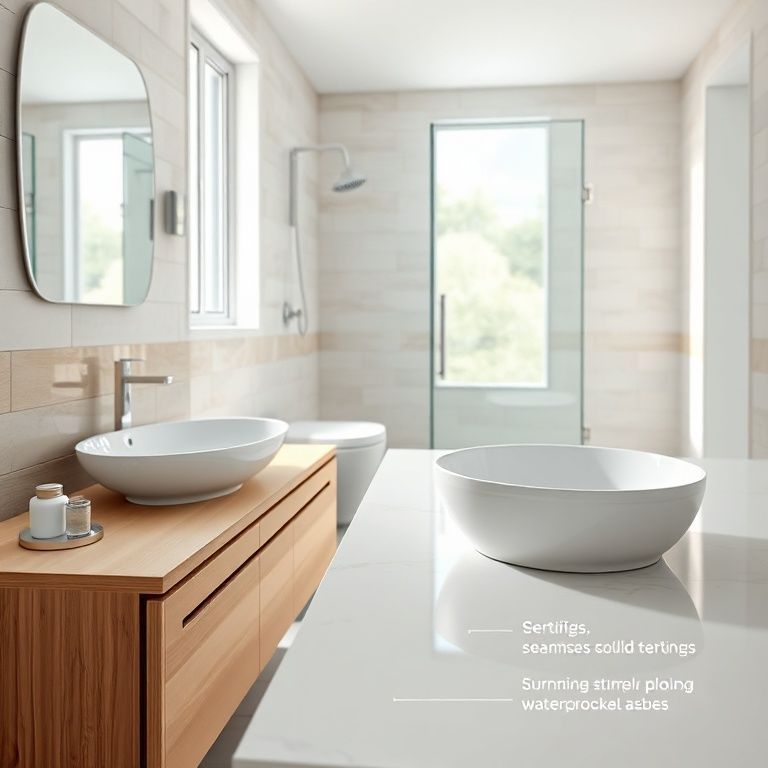
Cost Implications Over Time
The initial cost savings of engineered marble are tempting, but the long-term financial implications may not be as favorable. The need for frequent cleaning, resealing, and potential repairs can lead to additional costs. For instance, if a piece of engineered marble becomes scratched or stained, it may not be as easy to repair as natural stone, potentially requiring the replacement of the entire piece. This can be particularly costly when dealing with large installations or custom designs.
Environmental Concerns
The production of engineered marble involves the use of resins and other synthetic materials, which can raise environmental concerns. The manufacturing process can release harmful chemicals into the environment, and the disposal of engineered marble at the end of its life cycle may not be as straightforward as that of natural stone. The environmental impact of producing and disposing of synthetic materials should be considered, especially for environmentally conscious consumers.
Durability Limitations
Although engineered marble is marketed as a durable material, it does not match the long-term durability of natural marble in all scenarios. While it is more resistant to scratches than some other synthetic materials, it can still suffer from scratches, chips, and impact damage. Over time, the surface can wear down, losing its polished appearance and requiring refinishing. In high-traffic areas, the durability of engineered marble may not hold up as well as one might hope, leading to the need for more frequent maintenance and possible replacement.
Installation and Craftsmanship
The installation of engineered marble can also pose challenges. Unlike natural marble, which can be worked with by skilled artisans to create intricate designs and custom pieces, engineered marble is typically produced in standardized sizes and shapes. This can limit the ability to create bespoke designs and may not offer the same level of craftsmanship. Additionally, the installation process can be more complex due to the need for precise fitting and sealing, which requires more expertise and time.
Conclusion
Engineered marble offers undeniable benefits in terms of cost and availability, but it also comes with a range of drawbacks that should not be overlooked. From chemical sensitivity and maintenance requirements to environmental concerns and durability limitations, the full picture of engineered marble’s disadvantages paints a complex picture. In the next part, we will continue to explore these hidden costs and offer insights into alternative materials that might better suit your design and sustainability goals.
Alternatives and Full Spectrum View on Engineered Marble
${part2}
In the previous part, we examined the various drawbacks of engineered marble, shedding light on its chemical sensitivity, maintenance challenges, and other hidden costs. Now, we delve deeper into the world of engineered marble, providing a comprehensive view of its limitations and exploring alternative materials that may offer more durable, aesthetically pleasing, and environmentally friendly options for your home and office decor.
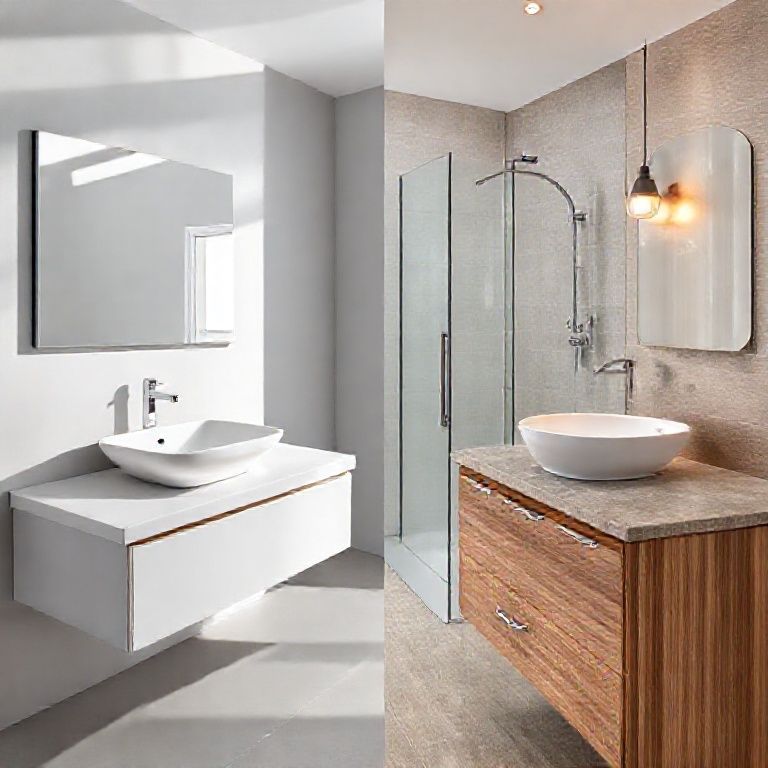
Alternatives to Engineered Marble
Given the drawbacks of engineered marble, many homeowners and designers are looking for better alternatives. Here are some of the most promising options:
Natural Marble
Natural marble remains the gold standard for luxury and authenticity. Despite its higher cost, natural marble offers unparalleled beauty, durability, and a unique character that engineered marble cannot replicate. While it requires more maintenance, its natural beauty and resistance to staining make it a worthwhile investment for those who value true stone.
Granite
Granite is another excellent alternative to engineered marble. Known for its durability and resistance to stains, granite offers a wide range of colors and patterns. Unlike engineered marble, granite is a solid stone, which means it doesn’t require sealing and has a longer lifespan. Its high durability makes it ideal for high-traffic areas, although it does require regular sealing to maintain its appearance.
Quartz Countertops
Quartz countertops are a popular alternative to both engineered marble and natural stone. Made from 90% quartz and 10% resin, quartz is incredibly durable, resistant to stains, and virtually maintenance-free. It offers a wide array of colors and patterns, allowing for a high degree of customization. While quartz is more expensive than engineered marble, its low maintenance and durability make it a cost-effective choice over time.
Comparative Durability and Maintenance
When comparing the durability and maintenance requirements of engineered marble to its alternatives, it becomes clear that natural stone and advanced synthetic materials like quartz offer significant advantages. Natural marble and granite both have natural resistance to stains and scratches, requiring less frequent maintenance compared to engineered marble. Quartz, on the other hand, offers unmatched durability and requires minimal upkeep, making it a practical choice for busy households and commercial spaces.
Aesthetic Versatility and Customization
One of the main appeals of engineered marble is its ability to mimic the look of natural stone. However, natural stone provides a level of aesthetic versatility and customization that engineered marble cannot match. Natural marble, granite, and even quartz can be tailored to fit unique design needs, offering a range of textures, colors, and finishes that are difficult to replicate with engineered materials. This versatility allows for more creative freedom in interior design, catering to a variety of tastes and styles.
Environmental Impact
The environmental impact of engineered marble, including the production and disposal of synthetic materials, is a significant concern. Natural stone and quartz offer more sustainable alternatives. Natural marble and granite are mined responsibly, with many suppliers adhering to strict environmental standards. Quartz, while involving some synthetic processes, is made from natural quartz and resin, making it a more eco-friendly option compared to the chemicals used in engineered marble production. Additionally, natural stone has a longer lifespan, reducing the need for frequent replacement and disposal issues.
Long-Term Cost Considerations
While engineered marble is often marketed as a cost-effective alternative, the long-term costs can be surprisingly high due to its maintenance and replacement needs. Natural stone and quartz, although more expensive upfront, offer significant savings over time. The durability of natural marble and granite, along with the low maintenance of quartz, means fewer repairs and replacements, resulting in lower lifetime costs. For those considering the long-term value of their investment, these alternatives may prove to be more economical.
Conclusion
Engineered marble has its place in the world of interior design, offering affordability and versatility that make it a popular choice for many. However, the hidden costs and drawbacks, such as chemical sensitivity, maintenance requirements, and environmental concerns, cannot be ignored. By exploring alternatives like natural marble, granite, and quartz, homeowners and designers can make more informed decisions that balance aesthetics, durability, and sustainability. While engineered marble may seem like a cost-effective solution, the long-term benefits of natural and advanced synthetic materials often outweigh the initial savings, providing a more durable, beautiful, and environmentally friendly option for your space.
This comprehensive two-part article aims to provide a balanced view of the advantages and disadvantages of engineered marble, encouraging readers to make well-informed decisions based on their specific needs and values.