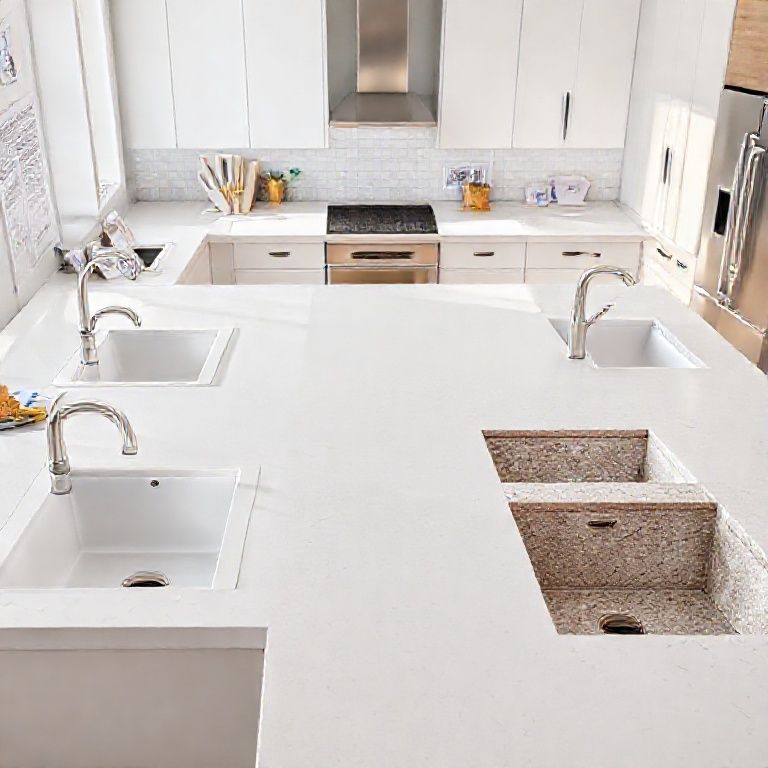
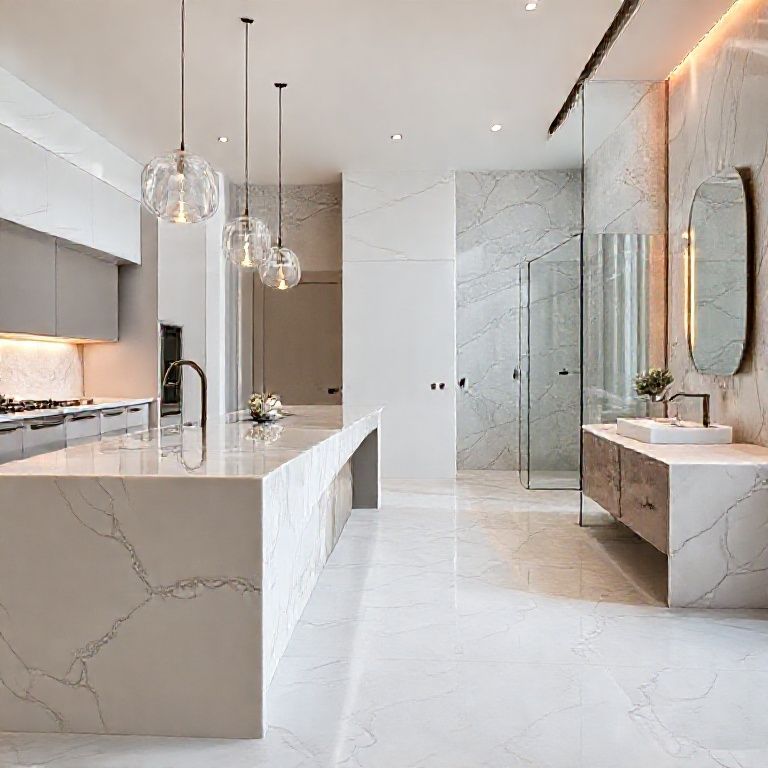
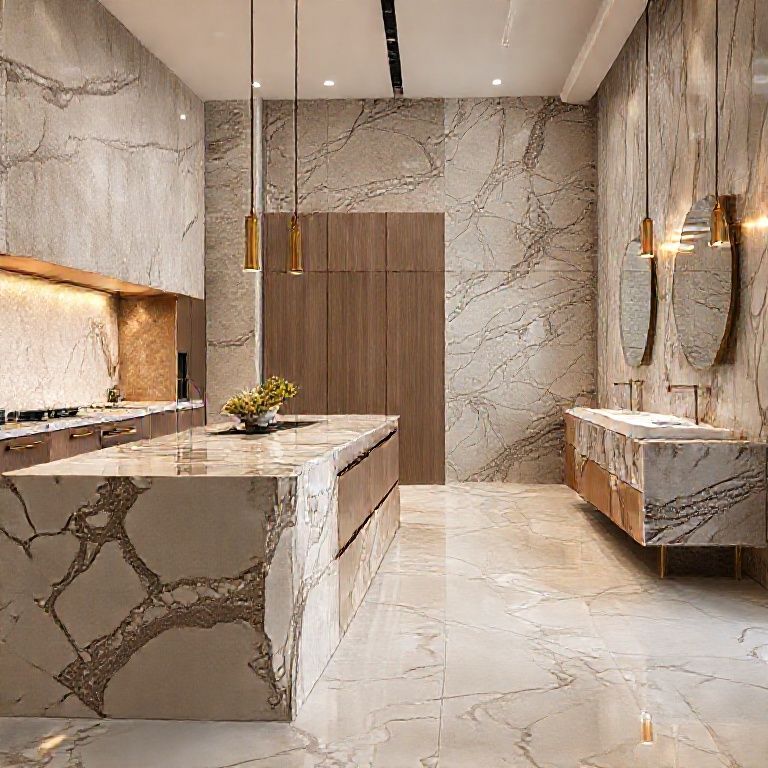
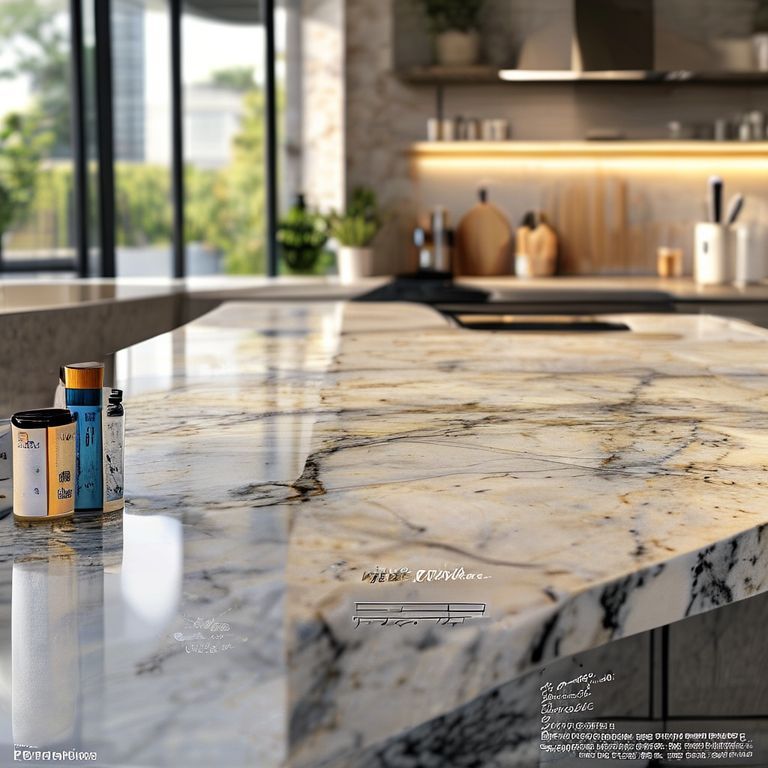
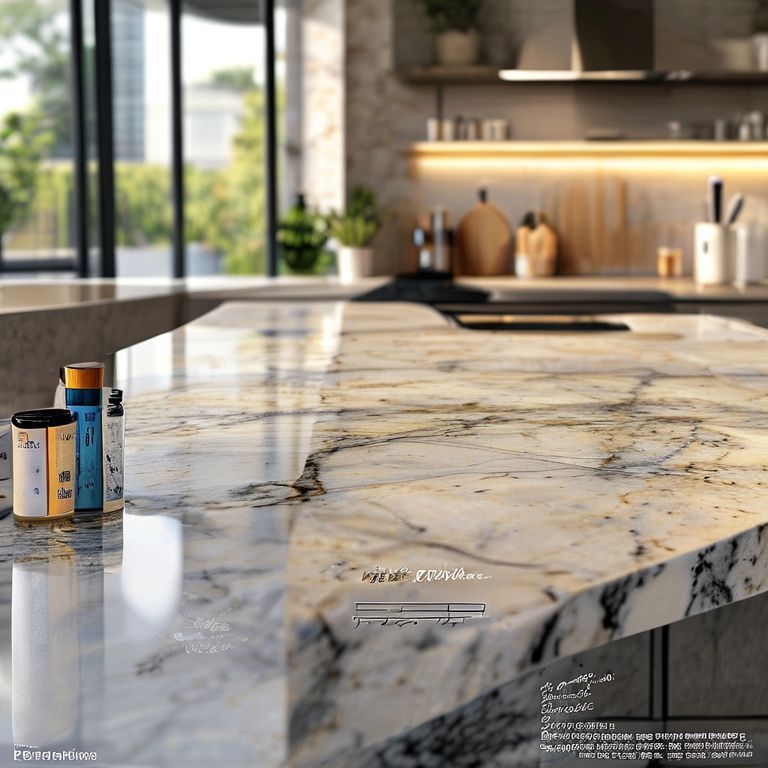
In today’s modern world, artificial marble has become a popular choice for countertops, tabletops, and other household items due to its aesthetic appeal and durability. However, recent concerns have been raised about the potential health risks associated with artificial marble. This article delves into the various aspects of artificial marble, examining its composition, the potential health hazards it may pose, and what you can do to safeguard your health.

artificial marble, health risks, countertops, chemical exposure, safety, toxicity, non-toxic alternatives, health hazards, human health
The Composition and Potential Health Hazards of Artificial Marble
Introduction Artificial marble has surged in popularity over the past decade due to its striking appearance and cost-effectiveness compared to natural marble. This synthetic material is primarily composed of various minerals, resins, and dyes. While it offers a luxurious look at a fraction of the price, questions have been raised about its safety for human health. This article will explore the composition of artificial marble and the potential health hazards it may pose.
Understanding Artificial Marble Artificial marble, also known as engineered stone, is a composite material made from natural stone powders (like quartz, calcite, and mica) combined with resins. These resins are typically made from melamine or polyurethane, and dyes are used to achieve the marble’s characteristic veining and color. Despite its name, artificial marble does not contain any actual marble.
Chemical Composition and Toxicity One of the main concerns about artificial marble is its chemical composition. The resins and dyes used in its manufacture can contain hazardous substances. For instance, melamine-based resins can release formaldehyde, a known carcinogen, into the air over time. Polyurethane resins, while generally less harmful, can still release volatile organic compounds (VOCs) that contribute to indoor air pollution.
These chemicals can pose significant health risks. Formaldehyde exposure has been linked to respiratory issues, skin irritation, and eye irritation. Prolonged exposure can lead to more severe health problems, including cancer. VOCs, on the other hand, can cause headaches, dizziness, and nausea, and may contribute to long-term health issues such as liver and kidney damage.
Health Risks Associated with Artificial Marble The risks associated with artificial marble are not confined to its chemical composition. There are other potential health hazards to consider:
Dust and Particles: During installation and maintenance, artificial marble can release fine dust particles into the air. These particles can be inhaled, leading to respiratory problems such as asthma and chronic obstructive pulmonary disease (COPD).
Microbial Growth: Despite its durability, artificial marble is not entirely immune to microbial growth. Bacteria and mold can develop in the seams and joints, especially in damp environments. This can lead to allergic reactions and respiratory infections.
Heat and Burn Hazards: Artificial marble can become extremely hot, especially when exposed to direct sunlight. This can result in burns and scalds, posing a particular risk in areas like kitchens and outdoor spaces.
Signs You May Be Exposed Exposure to the harmful substances in artificial marble can manifest in several ways. Common symptoms include:
Respiratory issues such as coughing, wheezing, and shortness of breath Skin irritation, including rashes and itchiness Eye irritation and redness Headaches and dizziness
If you experience any of these symptoms and have artificial marble in your home, it may be worth investigating further.
Conclusion While artificial marble offers many advantages in terms of aesthetics and cost, its composition and potential health hazards cannot be ignored. The resins and dyes used in its production can release harmful chemicals into the air and environment. The dust, microbial growth, and heat hazards further compound the risks. Understanding these dangers is crucial for making informed decisions about the materials we use in our homes.
Mitigating Risks and Exploring Safer Alternatives
Introduction Having explored the composition and potential health hazards of artificial marble, it is essential to discuss ways to mitigate these risks and explore safer alternatives. This second part will delve into practical measures to reduce exposure to harmful substances and examine non-toxic alternatives that can offer both beauty and safety.
Mitigating Health Risks There are several steps you can take to minimize the health risks associated with artificial marble:
Proper Ventilation Ensure your home is well-ventilated, especially during installation and maintenance of artificial marble surfaces. Open windows and use exhaust fans to disperse harmful fumes and dust particles. Use of Masks and Protective Gear When working with artificial marble, use appropriate protective gear such as masks, gloves, and goggles to prevent inhalation and skin contact with dust and chemicals. Cleaning and Maintenance Regularly clean artificial marble surfaces to minimize dust accumulation. Use appropriate cleaning agents that are safe for this type of surface. Avoid using harsh chemicals that can damage the material or release additional VOCs. Avoiding Direct Heat Exposure Be cautious with the placement of artificial marble in areas exposed to direct sunlight or high heat. Use trivets or heat-resistant pads to protect the surface from hot pots, pans, and other heat sources.
Exploring Safer Alternatives For those concerned about the potential health hazards of artificial marble, there are several safer alternatives available:
Natural Stone Natural stone such as granite, quartzite, and travertine offers a beautiful, durable, and generally safer option. While it may come at a higher cost, natural stone is less likely to release harmful chemicals into the air. Solid Surface Materials Solid surface materials like Corian, Corian Plus, and Solid Surface are made from acrylic resins and are designed to be non-toxic and durable. These materials do not contain the same resins and dyes found in artificial marble, making them a safer choice. Bamboo Composites Bamboo composites are another eco-friendly option. Made from bamboo fibers and resin, these surfaces are durable, sustainable, and free from harmful chemicals. Silicone Countertops Silicone countertops offer a unique, flexible, and non-toxic alternative. They are easy to clean and maintain and do not pose the same health risks as artificial marble.
Comparing the Alternatives When choosing a safer alternative, consider the following factors:
Durability: Natural stone and solid surface materials are highly durable and long-lasting. Aesthetic Appeal: Many alternatives offer a wide range of colors and patterns to match your decor. Maintenance: Some alternatives, like silicone, are easier to maintain than others. Cost: Alternatives like natural stone may be more expensive upfront, but they offer long-term durability and potential cost savings over time.
Conclusion While artificial marble has its advantages, the potential health risks it poses cannot be overlooked. By understanding the hazards and taking practical steps to mitigate these risks, you can make informed choices to protect your health. Exploring safer alternatives such as natural stone, solid surface materials, bamboo composites, and silicone countertops can provide both beauty and safety in your home. Making these informed decisions can help you create a healthier living environment for yourself and your loved ones.