Part 1
The Composition and Manufacturing of Artificial Marble
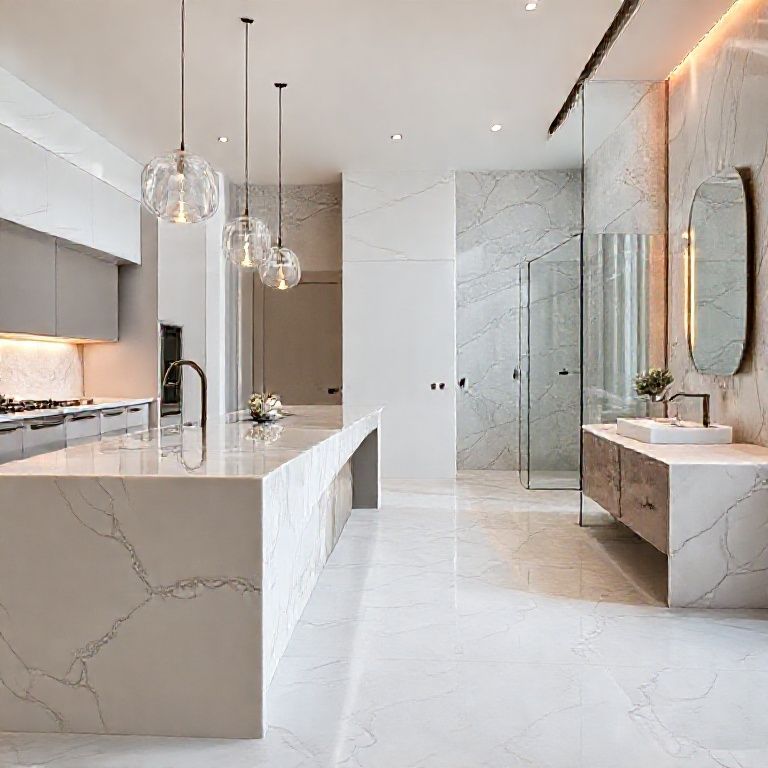
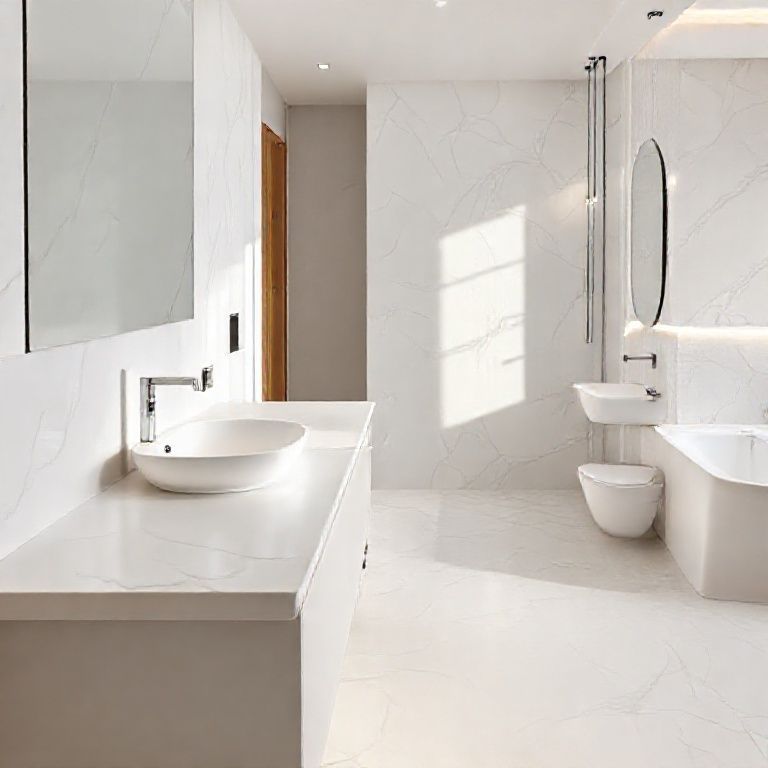
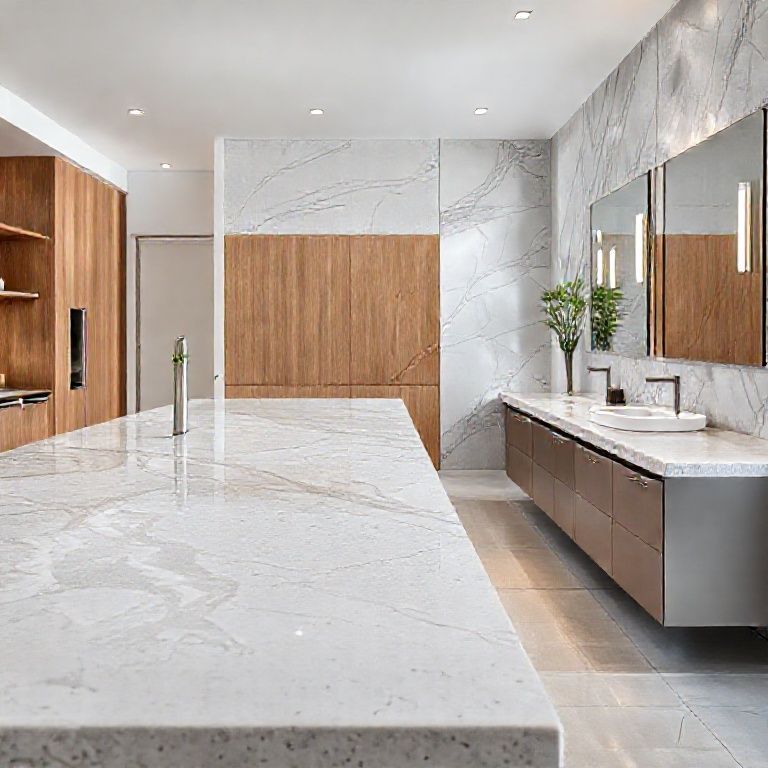
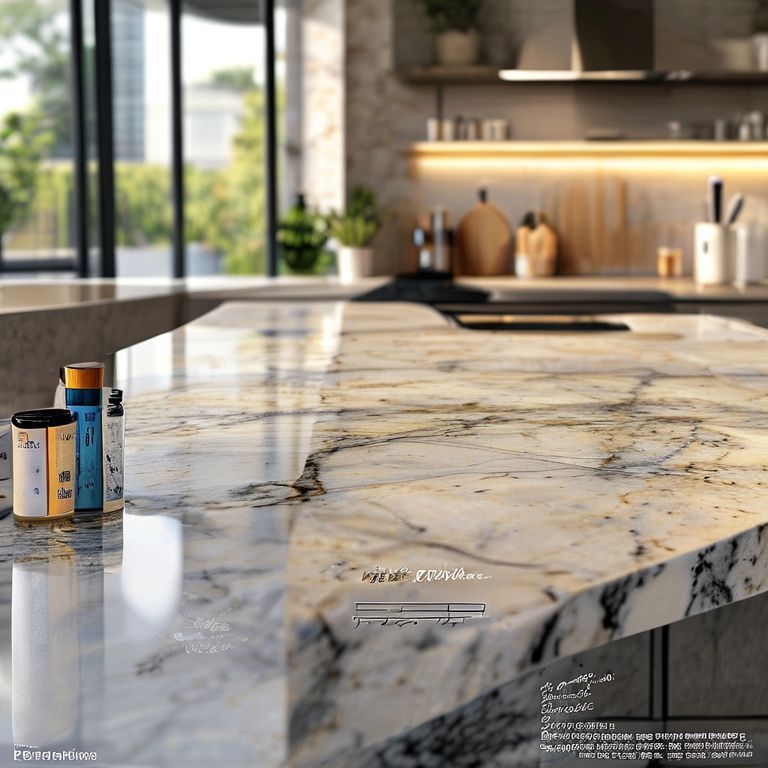
Artificial marble, often referred to as cultured stone, is a composite material designed to mimic the appearance of natural marble. Typically composed of a mixture of calcium carbonate, resins, pigments, and other additives, this material is engineered to offer durability, aesthetic appeal, and ease of maintenance. Unlike natural stone, artificial marble does not come from a single quarry; instead, it is manufactured in factories where raw materials are meticulously blended and cured.

The production process involves several stages. Initially, the base materials are mixed and heated to create a homogeneous blend. The mixture is then poured into molds, where it is subjected to high pressure and temperature to achieve the desired density and strength. Once cured, the material is cut, polished, and finished to resemble natural marble.
While artificial marble boasts many advantages, including its resistance to scratches and stains, it also poses some hidden dangers that could impact human health. Let’s explore these potential risks in greater detail.
Chemical Composition and Health Implications
Artificial marble contains several chemical components that could pose health risks. Calcium carbonate, the primary ingredient, is generally recognized as safe for use in construction materials. However, other constituents like resins, pigments, and preservatives may not be as benign.
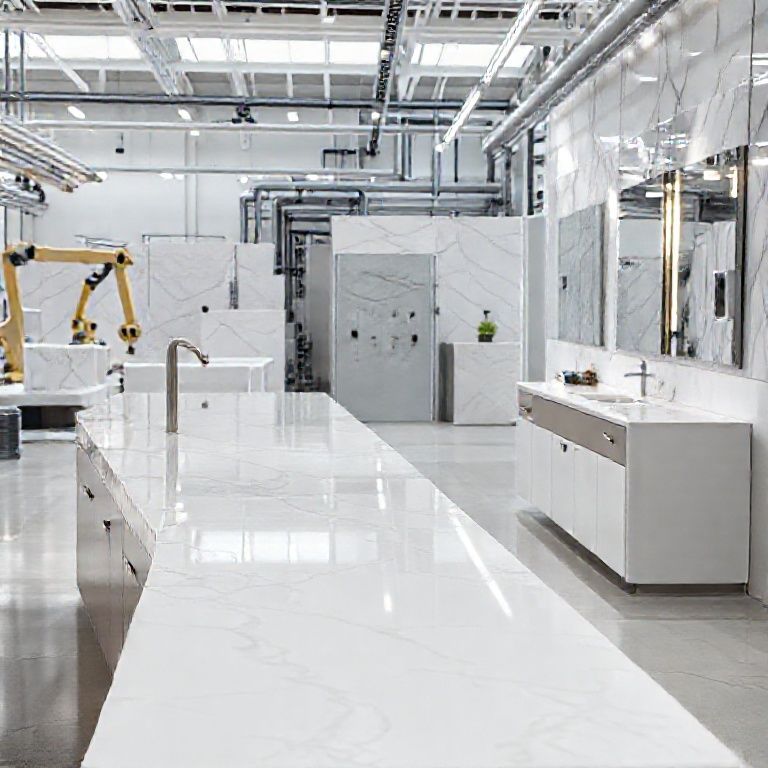
Resins and Adhesives: The resins used in artificial marble are often synthetic polymers that can emit volatile organic compounds (VOCs). VOCs include formaldehyde and phenol, which are known to cause respiratory irritation, headaches, and other health issues when emitted in large quantities. Prolonged exposure can lead to more serious conditions such as allergic reactions, eye irritation, and even long-term effects on the respiratory system.
Pigments and Fillers: The pigments used to color artificial marble can include heavy metals like lead, cadmium, and chromium. These metals are toxic and can leach into the surrounding environment, including indoor air and water. Once inhaled or ingested, they can cause a range of health problems, from skin and respiratory irritation to more severe issues like organ damage and cancer.
Manufacturing Byproducts: During the curing process, artificial marble releases various byproducts, including formaldehyde and other aldehydes. These chemicals can contribute to poor indoor air quality, leading to symptoms such as dizziness, nausea, and respiratory distress.
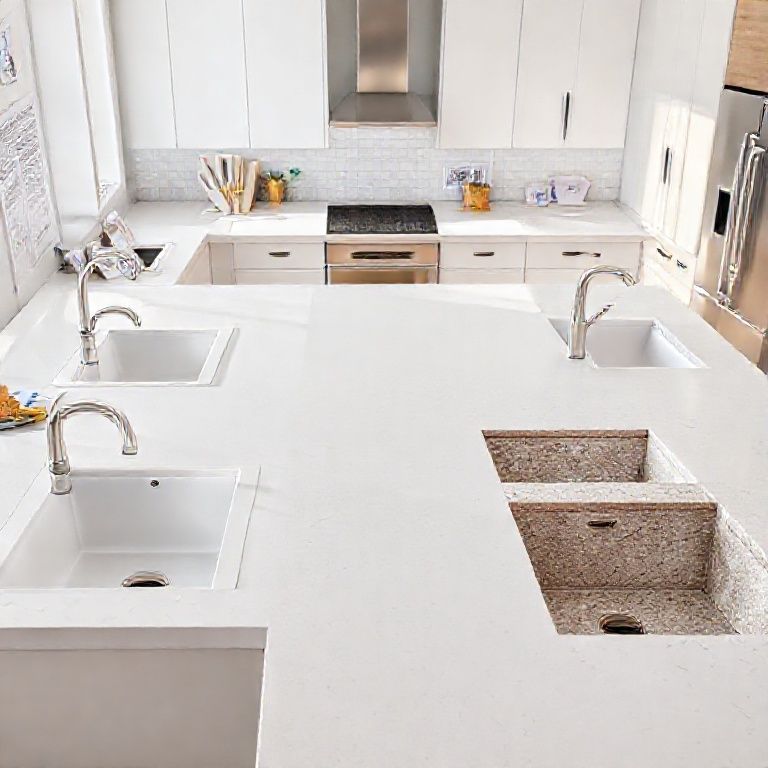
Environmental Impact and Human Health Connection
The environmental impact of artificial marble production is significant, particularly in terms of chemical waste and emissions. Factories that manufacture artificial marble often release pollutants into the air and water, contributing to environmental degradation and, by extension, human health risks.
Water contamination from heavy metals used in the pigmentation process can affect local communities, especially in areas where manufacturing facilities are located. These contaminants can enter the water supply, posing long-term health risks such as developmental issues, cancer, and reproductive problems.
Indoor Air Quality Concerns
The installation and use of artificial marble in homes and offices can significantly affect indoor air quality. When artificial marble is cut, polished, and installed, it releases dust and particulate matter that can become airborne. This dust contains not only calcium carbonate but also harmful chemicals like resins, adhesives, and pigments.
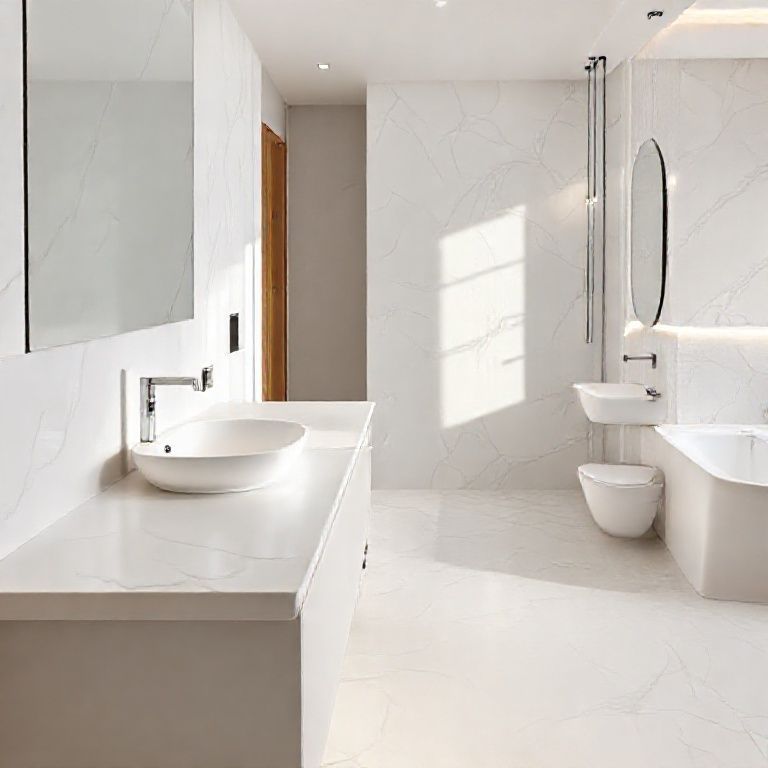
When inhaled, these particles can lead to respiratory issues such as asthma, bronchitis, and other chronic respiratory conditions. Furthermore, the volatile organic compounds emitted during manufacturing and use can contribute to the formation of indoor smog, which can exacerbate existing respiratory conditions and cause new health issues.
Respiratory Issues and Long-Term Health Effects
One of the most pressing concerns associated with artificial marble is its impact on respiratory health. The dust and fumes generated during the installation and maintenance of artificial marble surfaces can lead to acute respiratory problems, especially in individuals with pre-existing conditions such as asthma or allergies.
Long-term exposure to the chemicals in artificial marble has been linked to more severe health issues. Studies have shown that prolonged inhalation of VOCs and particulate matter can lead to chronic respiratory diseases, including chronic obstructive pulmonary disease (COPD) and lung cancer. Additionally, the heavy metals in the pigments can accumulate in the body over time, leading to organ damage and other systemic health problems.
Case Studies and Expert Opinions
Several case studies have highlighted the health risks associated with artificial marble. For instance, a study conducted in a factory that produces artificial marble found elevated levels of VOCs and heavy metals in the air, leading to respiratory issues among workers. Another study examining indoor air quality in homes with artificial marble countertops reported higher levels of particulate matter and formaldehyde compared to homes with natural stone.
Experts in environmental health and occupational safety emphasize the importance of proper ventilation and protective measures when working with artificial marble. They recommend using personal protective equipment (PPE) such as masks and respirators to minimize exposure to dust and fumes. Additionally, they advise regular cleaning and maintenance to reduce the accumulation of dust and particulate matter in indoor environments.
Mitigation Strategies
To mitigate the health risks associated with artificial marble, several strategies can be employed:
Proper Ventilation: Ensuring adequate ventilation in areas where artificial marble is installed can help disperse airborne particles and reduce exposure to harmful chemicals.
Use of Protective Gear: Workers and homeowners should use appropriate PPE, including masks, gloves, and goggles, to protect against dust and chemical exposure during installation and maintenance.
Regular Cleaning: Regular cleaning of artificial marble surfaces can help reduce the accumulation of dust and particulate matter, minimizing the risk of respiratory issues.
Professional Installation: Hiring professional installers who follow best practices for handling and installing artificial marble can help reduce the release of dust and harmful chemicals.
Monitoring Indoor Air Quality: Using air quality monitors to track levels of VOCs and particulate matter can provide valuable data on indoor air quality and help identify potential health risks.
Conclusion
While artificial marble offers many benefits in terms of durability and aesthetic appeal, it is essential to be aware of the potential health risks associated with its use. The chemical composition, manufacturing process, and environmental impact of artificial marble all contribute to its hidden dangers.
By understanding these risks and implementing appropriate mitigation strategies, individuals can minimize their exposure to harmful chemicals and protect their respiratory health. As we continue to explore alternative materials for construction and decoration, it is crucial to balance innovation with safety to ensure the well-being of individuals and communities.