The Composition of Artificial Marble: Unveiling Hidden Ingredients
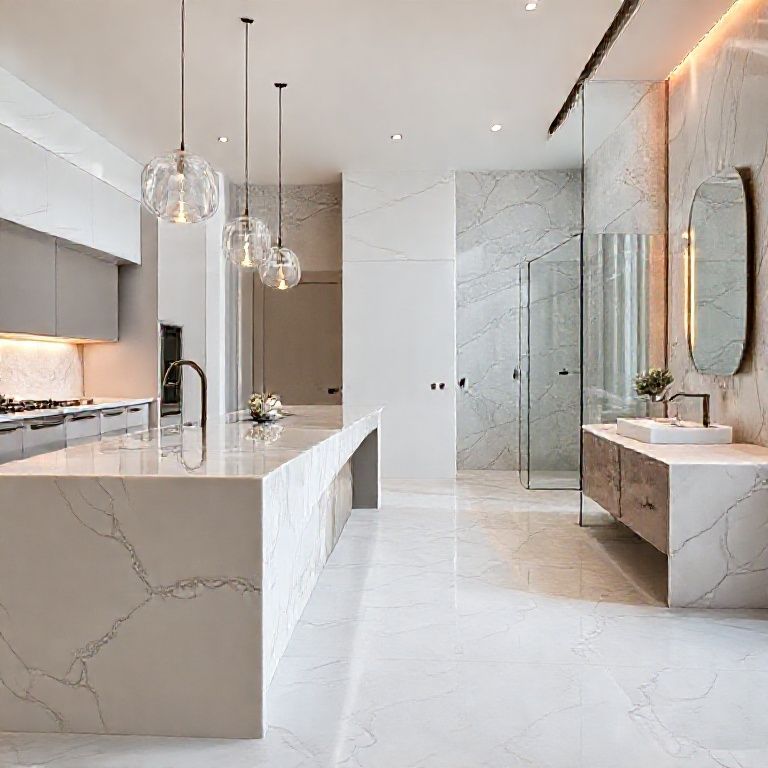
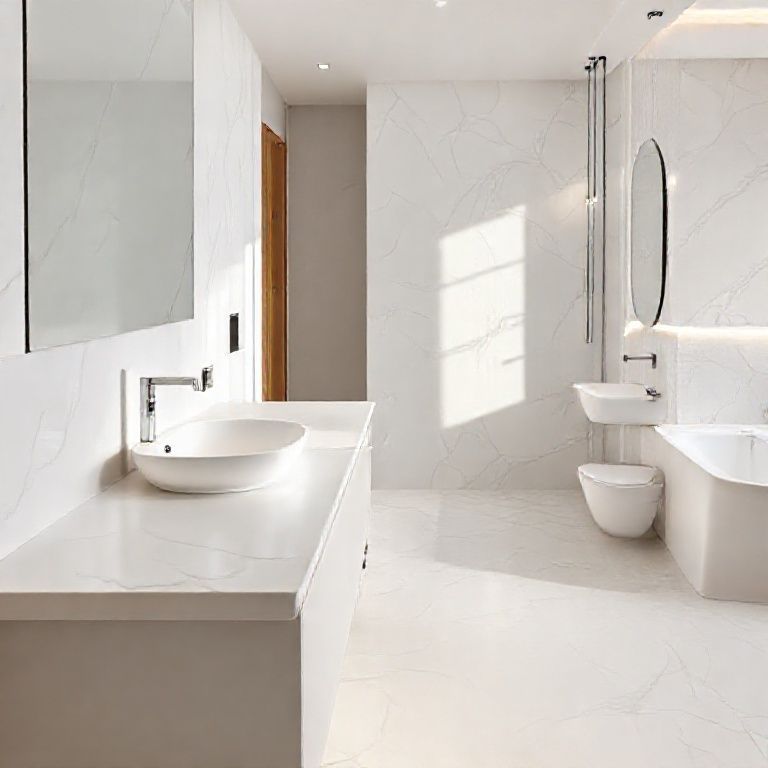
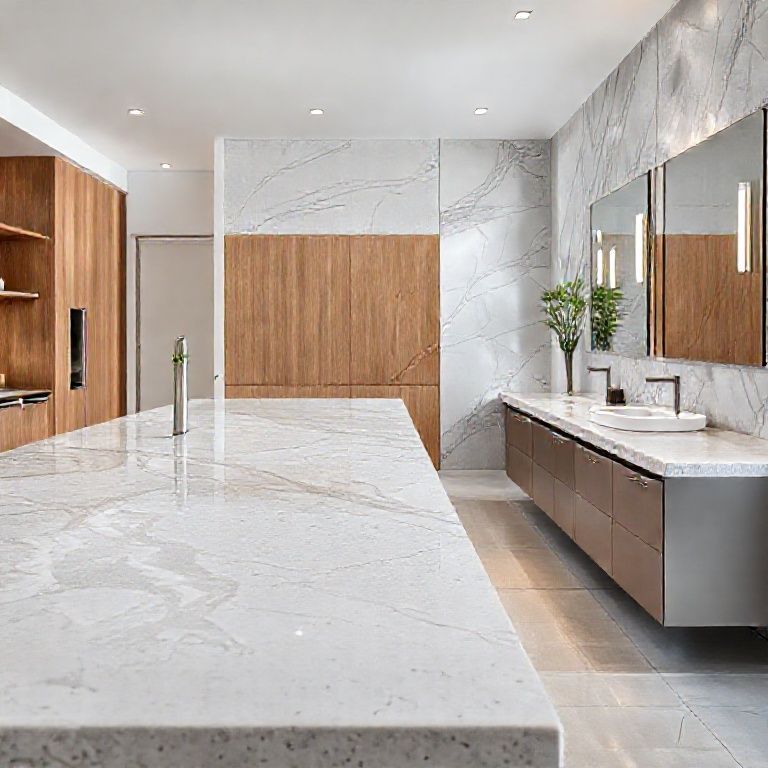
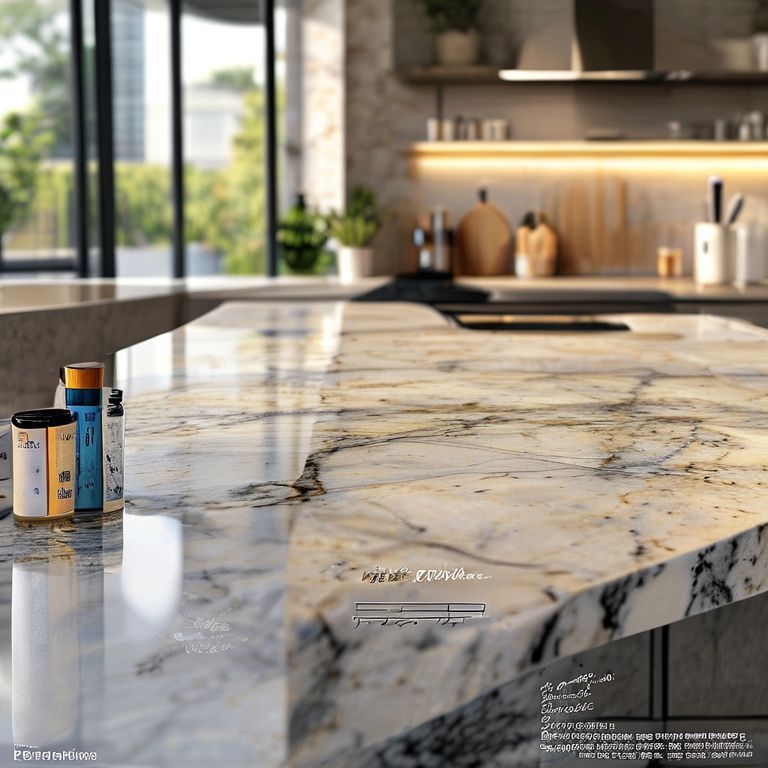
Artificial marble, also known as engineered stone or quartz stone, has become an increasingly popular choice for countertops, tables, and other decorative surfaces due to its durability, aesthetic appeal, and cost-effectiveness. However, beneath its sleek and polished exterior lies a complex composition that may harbor hidden dangers.

The Core Ingredients
Artificial marble is primarily composed of natural minerals such as quartz, mica, calcite, and feldspar, which are ground into fine powders and mixed together. To bind these minerals, a resin, typically made from melamine, is used. This resin hardens under high pressure and temperature, resulting in the creation of a solid, stone-like surface. Other additives such as pigments, dyes, and fillers are often incorporated to achieve the desired color and texture.
Chemical Additives
The manufacturing process involves the use of various chemical additives to enhance the properties of artificial marble. These chemicals include:
Melamine Resin: Melamine is a formaldehyde-based resin that provides strength and durability. However, it has raised concerns due to its potential to release formaldehyde, a known carcinogen, during manufacturing and use.
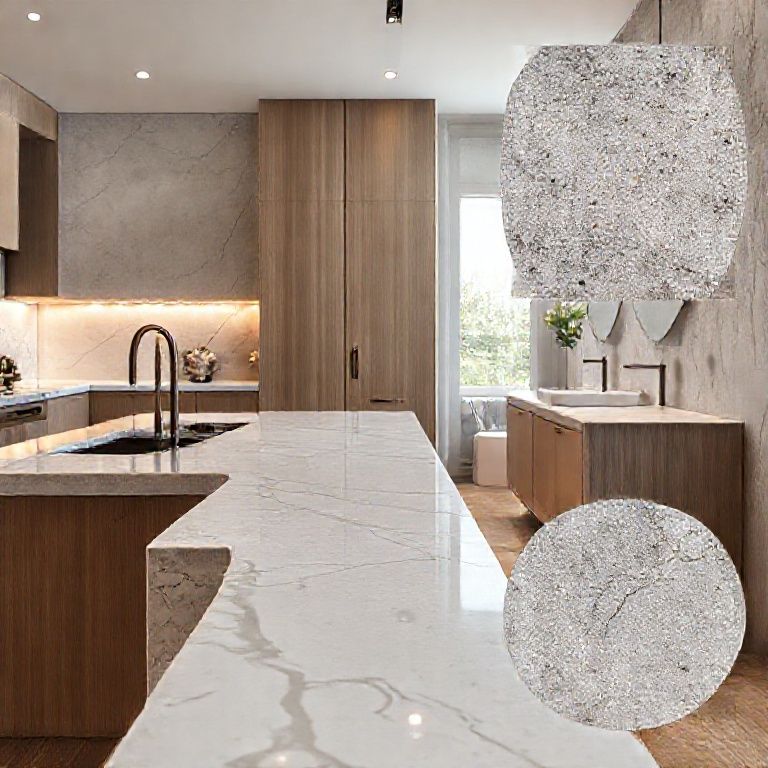
Formaldehyde: Although used in small quantities to create the resin, formaldehyde is a volatile organic compound (VOC) that can off-gas and contribute to indoor air pollution. Prolonged exposure to formaldehyde has been linked to respiratory issues and other health concerns.
Pigments and Dyes: To achieve a wide range of colors, artificial marble often contains synthetic pigments and dyes. These substances can include heavy metals such as lead, chromium, and cadmium, which pose significant health risks if they leach into the environment or are inhaled.
Fillers and Additives: Fillers such as calcium carbonate and talc are used to improve the texture and workability of the material. While generally considered safe, the sourcing and processing of these fillers can sometimes lead to contamination with harmful substances.
Manufacturing Process
The production of artificial marble involves several critical stages, each of which can introduce potential risks. The powdered minerals are mixed with the resin and other additives, then poured into molds and subjected to high pressure and temperature in a process called extrusion or compression molding. After cooling, the material is cut and polished to achieve the desired surface finish.
Environmental Impact
The environmental footprint of artificial marble manufacturing is significant. The extraction and processing of raw materials can lead to habitat destruction, water pollution, and greenhouse gas emissions. Additionally, the off-gassing of chemicals during production and use contributes to environmental degradation and poses risks to both human health and wildlife.
Health Risks Associated with Artificial Marble
While artificial marble offers a range of benefits, its composition and manufacturing process can pose significant health risks. It is crucial to understand these potential dangers to make informed decisions about its use in your home or workplace.
Formaldehyde Emissions
One of the most concerning components of artificial marble is the potential for formaldehyde emissions. Formaldehyde is a volatile organic compound (VOC) that can off-gas from the resin used to bind the minerals in the material. Even though the manufacturing process involves curing the material at high temperatures to eliminate excess formaldehyde, trace amounts can still be released during installation, use, and over time.
Health Implications
Prolonged exposure to formaldehyde has been linked to a variety of health issues, including:
Respiratory Problems: Inhalation of formaldehyde can irritate the respiratory tract, leading to symptoms such as coughing, wheezing, and shortness of breath. Chronic exposure may contribute to the development of asthma and other respiratory conditions.
Allergic Reactions: Some individuals may develop allergic reactions to formaldehyde, resulting in skin irritation, rashes, and other symptoms. These reactions can be exacerbated by prolonged or repeated exposure.
Carcinogenic Risks: Formaldehyde is classified as a human carcinogen by the International Agency for Research on Cancer (IARC). It has been linked to an increased risk of nasopharyngeal cancer, leukemia, and other malignancies. Although the levels of formaldehyde emitted from artificial marble are typically low, the potential risk cannot be entirely dismissed.
Heavy Metals and Toxicity
The pigments and dyes used in artificial marble can contain heavy metals such as lead, chromium, and cadmium. These metals can pose significant health risks if they leach into the environment or are inhaled during manufacturing, installation, or use.
Health Implications
Exposure to heavy metals can lead to a variety of health problems, including:
Neurological Effects: Lead exposure, in particular, can have severe neurological effects, especially in children. It can lead to cognitive impairment, behavioral problems, and developmental delays.
Kidney and Liver Damage: Heavy metals such as cadmium and chromium can accumulate in the kidneys and liver, leading to organ dysfunction and long-term health issues.
Carcinogenic Risks: Some heavy metals, like chromium and cadmium, are classified as carcinogenic and have been linked to an increased risk of cancer.
Indoor Air Quality
The off-gassing of chemicals from artificial marble can significantly impact indoor air quality. VOCs released during production, installation, and use can contribute to a range of health problems, particularly in poorly ventilated spaces.
Mitigation Strategies
To mitigate the health risks associated with artificial marble, several strategies can be employed:
Proper Ventilation: Ensuring adequate ventilation during installation and use can help reduce the concentration of off-gassed chemicals in indoor environments.
Use of Low-VOC Products: Opt for artificial marble products that are manufactured using low-VOC resins and pigments to minimize chemical emissions.
Regular Cleaning: Regular cleaning of surfaces can help reduce the accumulation of dust and chemicals, minimizing exposure.
Monitoring Air Quality: Using air quality monitors can help detect elevated levels of VOCs and other pollutants, allowing for timely intervention.
Alternative Materials
For those concerned about the health risks associated with artificial marble, several alternative materials offer comparable aesthetic and functional benefits while posing fewer health risks.
Natural Stone: Materials such as granite, marble, and travertine are composed entirely of natural minerals and do not require the use of resins or synthetic chemicals. While they may be more expensive and less durable than artificial marble, they offer a safer option.
Sustainable Alternatives: Options like bamboo and recycled glass composites provide durable, aesthetically pleasing surfaces without the chemical additives found in artificial marble.
Conclusion
Artificial marble offers numerous advantages in terms of cost, durability, and design flexibility. However, its composition and manufacturing process can pose significant health risks due to the presence of formaldehyde, heavy metals, and other chemicals. Understanding these potential dangers is essential for making informed choices about its use in your home or workplace.
By considering alternative materials and employing mitigation strategies, you can reduce the health risks associated with artificial marble and create a safer, healthier environment. In the next part, we will explore further insights into the environmental impact of artificial marble and how to make sustainable choices for your interior design needs.