${part1}
The Hidden Dangers of Artificial Marble: Unveiling the Impact on Human Health
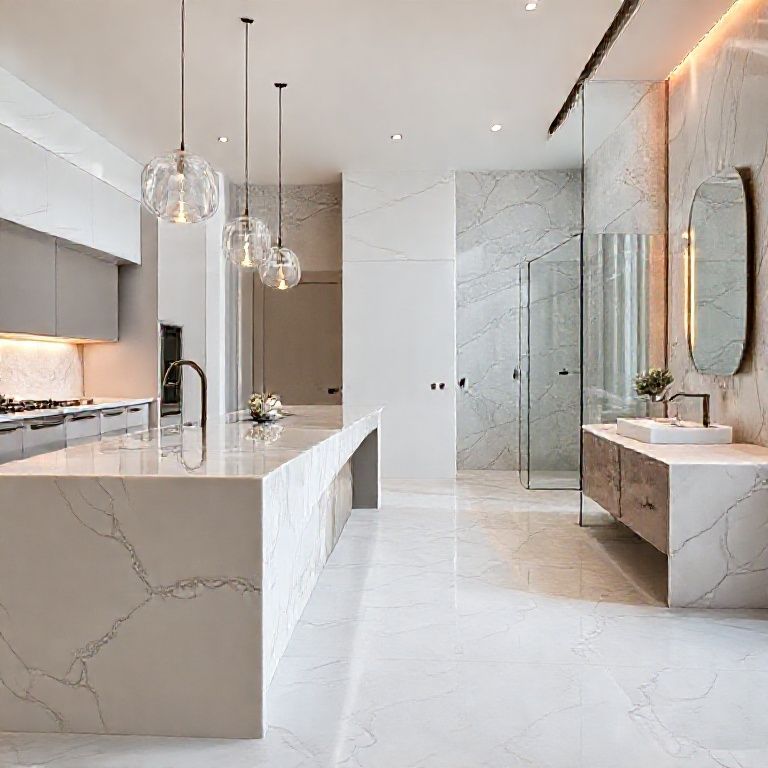
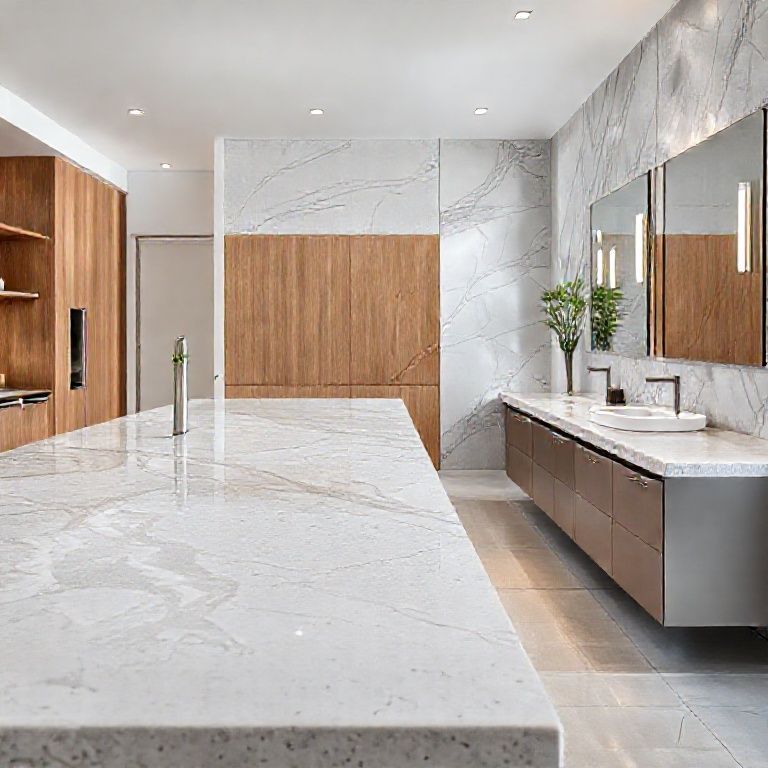
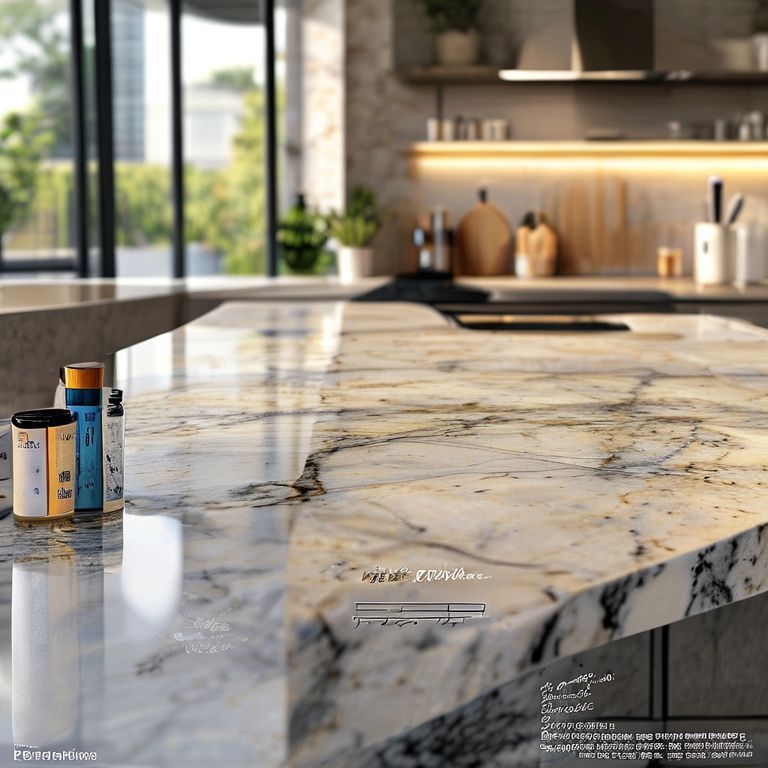
Artificial marble, a synthetic material crafted from resins and minerals, has surged in popularity due to its cost-effectiveness and aesthetic appeal. Often mistaken for natural stone, this composite material is widely used in countertops, sinks, and other household fixtures. While its appearance may mimic the beauty of natural marble, what lies beneath the surface could pose significant risks to human health. In this first part of our exploration, we will unravel the science behind artificial marble, its chemical composition, and the potential health risks associated with its use.

Understanding Artificial Marble
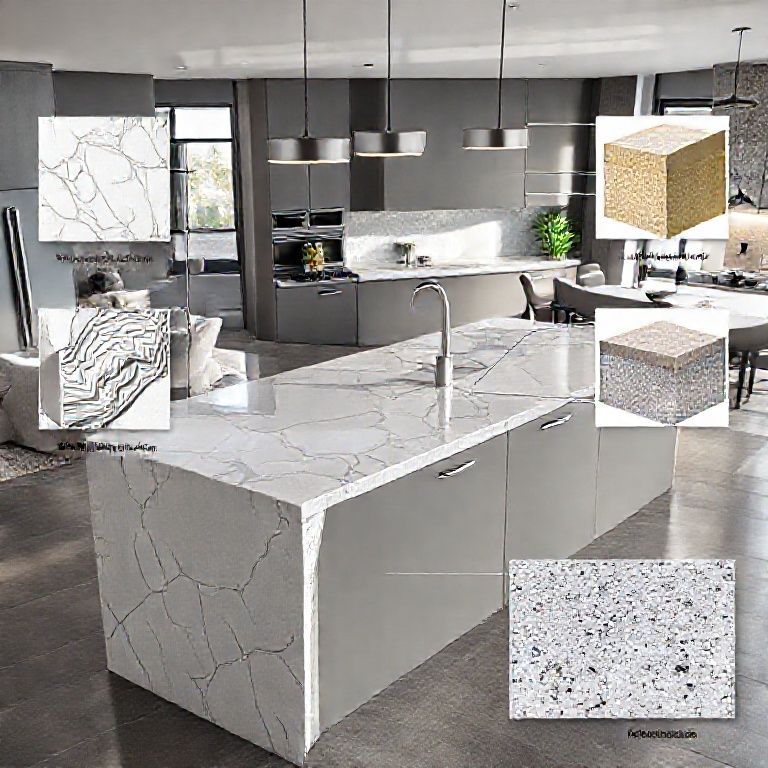
Artificial marble, also known as cultured marble or quartz, is a composite material created by combining acrylic resins with minerals such as calcite and dolomite. The mixture is then poured into molds and left to cure, forming a solid, stone-like surface. This material is celebrated for its durability, resistance to stains, and aesthetic versatility, making it a favorite choice for kitchens, bathrooms, and other spaces where natural stone might not be feasible.
The Chemical Composition of Artificial Marble
Artificial marble’s primary components include:
Acrylic Resins: These form the base of the material and give it its strength and flexibility. Calcium Carbonate: This mineral provides the marble-like appearance and adds to the material’s durability. Colorants and Pigments: These are added to achieve the desired visual effects, ranging from classic marble veins to more modern, abstract designs.
While the material itself is inert in its cured state, the production process involves various chemicals that may pose health risks.
Health Risks of Artificial Marble
Emissions and Indoor Air Quality
One of the primary concerns with artificial marble lies in its production process. During manufacturing, volatile organic compounds (VOCs) are released, which can include:
Formaldehyde: A known carcinogen, formaldehyde is used in the production process and can be emitted during curing. Benzene: Another VOC, benzene, is sometimes used in resins and can pose significant health risks.
These chemicals can evaporate into the air, contributing to indoor air pollution. Prolonged exposure to high levels of VOCs can lead to:
Respiratory Issues: Breathing in formaldehyde and benzene can irritate the respiratory system, leading to coughing, wheezing, and shortness of breath. Headaches and Dizziness: VOCs can cause symptoms like headaches, dizziness, and fatigue. Long-term Health Risks: Chronic exposure to these chemicals can increase the risk of developing serious health conditions, including cancer.
Skin Irritation
Handling artificial marble during installation or maintenance can lead to direct skin contact with its components. This may cause:
Dermatitis: Prolonged exposure to resins and other chemicals can result in skin irritation and dermatitis. Allergic Reactions: Some individuals may experience allergic reactions to specific components in the material.
Safety Measures and Alternatives
To mitigate the risks associated with artificial marble, it is crucial to take appropriate safety measures during installation and maintenance. Here are some recommendations:
Ventilation: Ensure proper ventilation in areas where artificial marble is used to minimize VOC exposure. Personal Protective Equipment (PPE): Use gloves, masks, and other PPE when working with artificial marble to reduce direct contact and inhalation of harmful chemicals. Quality Products: Opt for high-quality, low-VOC artificial marble products to minimize exposure to harmful chemicals.
For those concerned about the potential health risks, exploring alternative materials such as natural stone or low-VOC alternatives may be a safer choice. Natural stone, while more expensive, offers a range of benefits, including:
Natural Durability: Stone countertops are known for their longevity and resistance to stains. Minimal Chemical Emissions: Natural stone does not release VOCs, providing a safer option for indoor air quality.
In the next part of our exploration, we will further discuss the long-term health effects of artificial marble, the regulatory landscape, and additional safety measures to protect your health and well-being.
${part2}
The Hidden Dangers of Artificial Marble: Unveiling the Impact on Human Health
Continuing our deep dive into the world of artificial marble, this second part focuses on the long-term health effects, regulatory measures, and additional safety strategies to protect your health. We will also explore the broader implications of using artificial marble in indoor environments and discuss how to make informed decisions to safeguard your well-being.
Long-Term Health Effects
Chronic Exposure and Health Risks
Prolonged exposure to the chemicals released by artificial marble can lead to chronic health issues. Some of the potential long-term effects include:
Respiratory Diseases: Continuous inhalation of VOCs can contribute to the development of chronic respiratory diseases, including asthma and chronic obstructive pulmonary disease (COPD). Cancer: Long-term exposure to formaldehyde and benzene is linked to an increased risk of developing various cancers, including leukemia and nasopharyngeal cancer. Neurological Effects: Some studies suggest that chronic exposure to VOCs can affect cognitive function and increase the risk of neurological disorders.
Regulatory Measures and Standards
While there are no specific regulations targeting artificial marble itself, various guidelines and standards help ensure safer production and use of the material:
VOC Limits: Some countries have established limits on VOC emissions from synthetic materials. These limits aim to reduce the release of harmful chemicals into the environment and indoor air. Certification Programs: Look for artificial marble products that are certified by recognized standards organizations, such as the GREENGUARD Gold Certification, which ensures low emissions of VOCs.
Additional Safety Measures
To further protect your health when using artificial marble, consider the following additional safety measures:
Regular Cleaning: Keep surfaces clean to minimize the buildup of dust and chemicals that can contribute to indoor air pollution. Air Purification: Use air purifiers equipped with HEPA filters to capture airborne particles and improve indoor air quality. Monitoring Indoor Air Quality: Regularly check indoor air quality with air quality monitors to detect and address any potential issues early.
Making Informed Decisions
When deciding whether to use artificial marble in your home, it is essential to weigh the benefits against the potential health risks. Here are some tips for making informed decisions:
Research Products: Look for reputable brands that prioritize safety and transparency in their manufacturing processes. Consult Professionals: Seek advice from professionals who can provide guidance on selecting and maintaining artificial marble safely. Consider Alternatives: Explore other materials, such as natural stone or low-VOC alternatives, to find a balance between aesthetics and health.
The Broader Implications
The use of artificial marble extends beyond individual homes and affects broader environmental and health concerns. Here are some broader implications to consider:
Environmental Impact: The production and disposal of artificial marble involve the use of chemicals that can have environmental consequences, including water and soil pollution. Public Health: Widespread use of artificial marble can contribute to public health issues if adequate safety measures are not in place. This highlights the importance of regulatory oversight and public awareness.
Conclusion
In conclusion, while artificial marble offers aesthetic and practical benefits, it is essential to be aware of its potential health risks. By understanding the chemical composition, emissions, and long-term health effects associated with this material, you can make informed decisions to protect your health and well-being. Implementing safety measures and exploring alternatives can help mitigate these risks, ensuring a safer and healthier living environment.