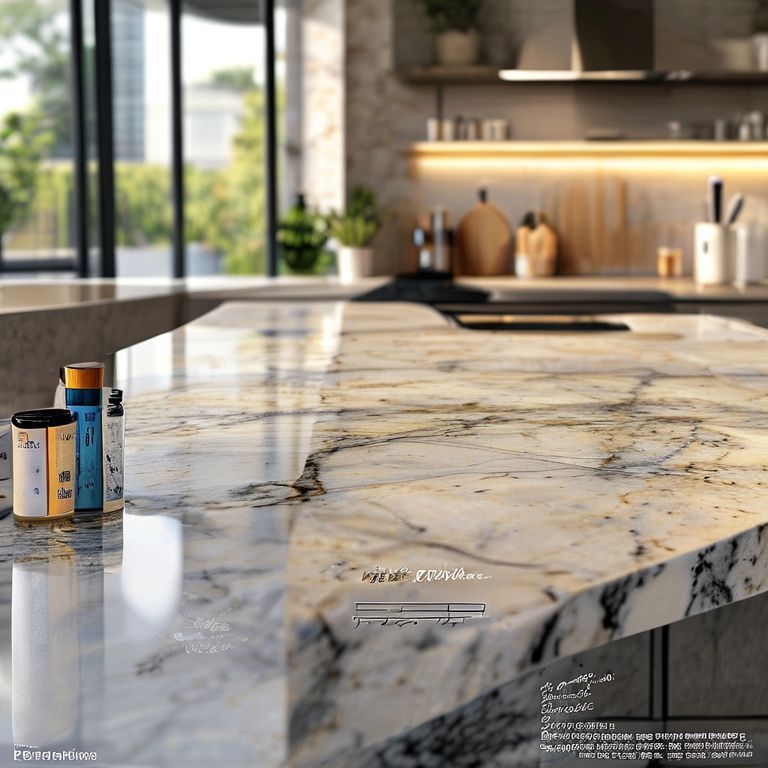
The Hidden Dangers of Artificial Marble: Unveiling the Truth
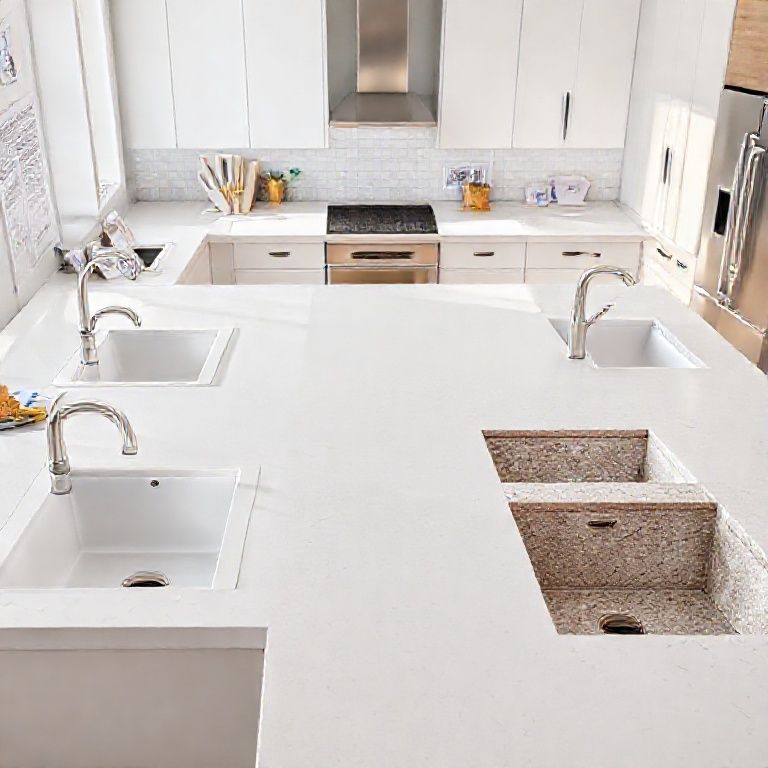
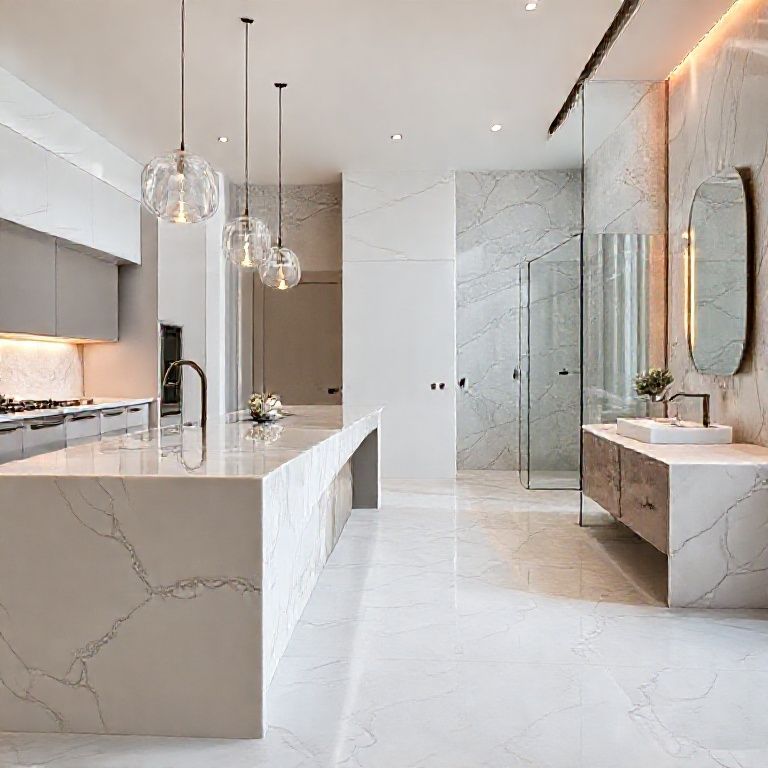
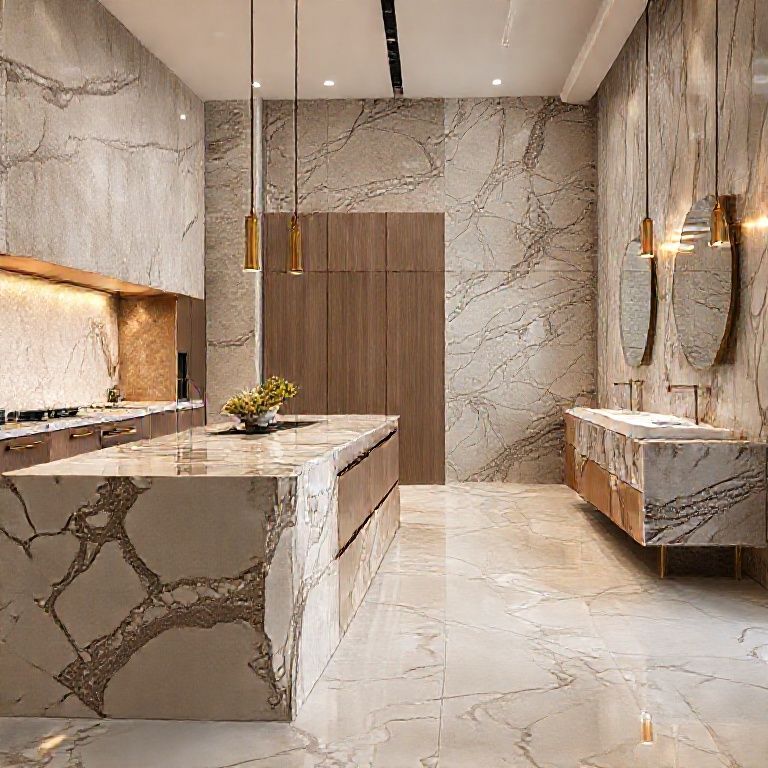
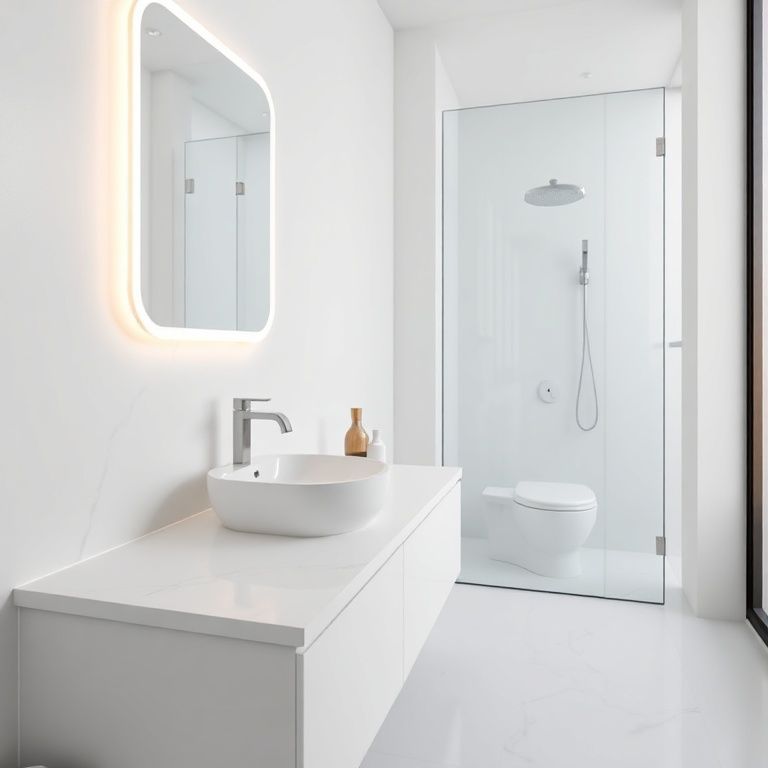
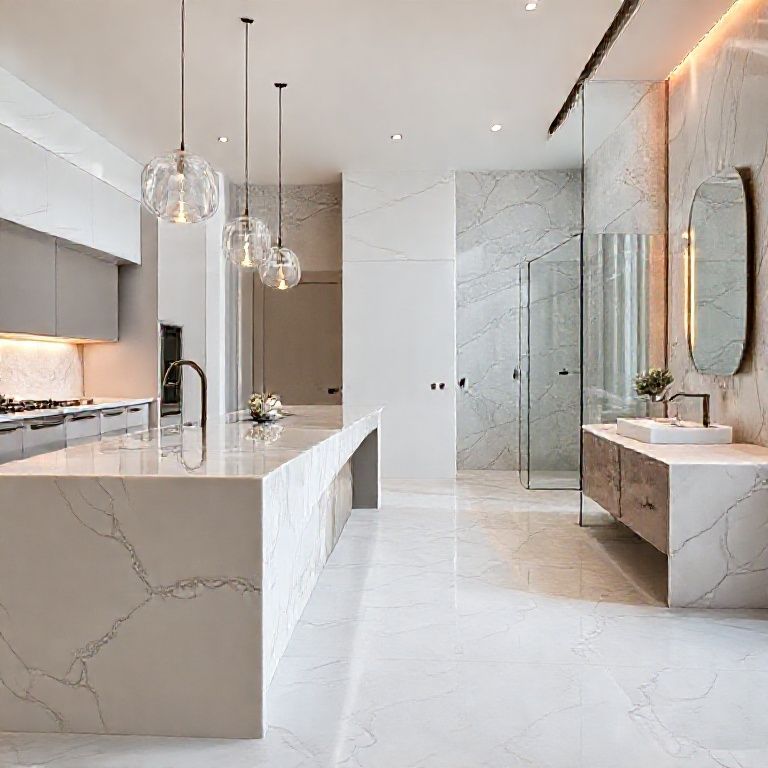
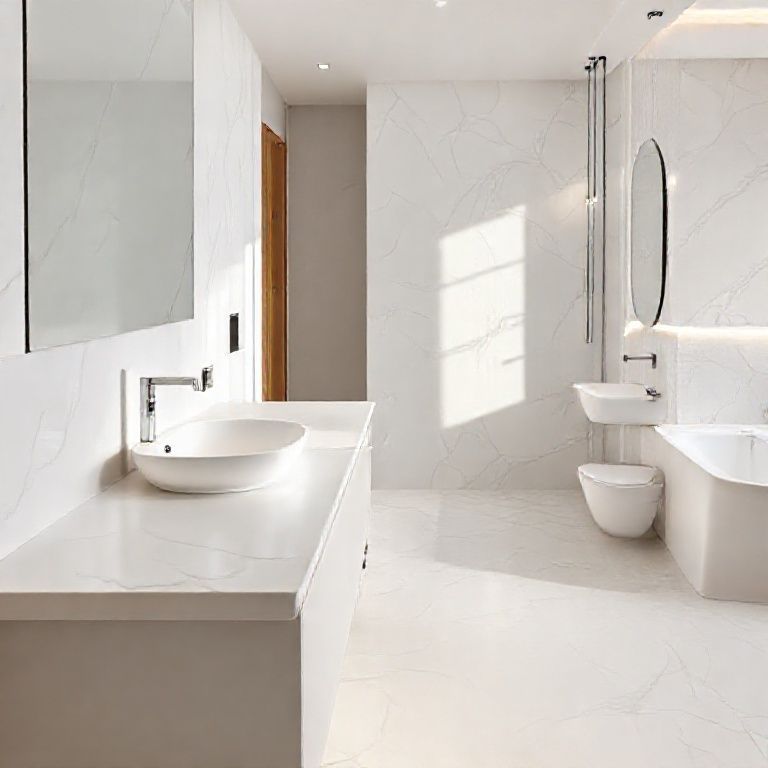
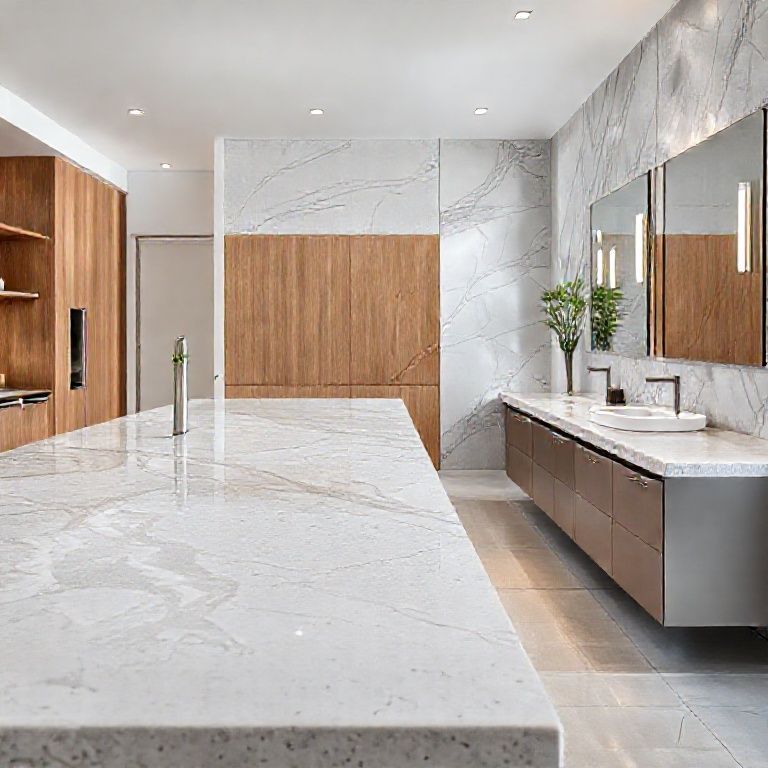
Artificial marble, often lauded for its aesthetic appeal and durability, has become a popular choice in modern home and commercial design. However, beneath this shiny veneer lies a complex web of potential dangers that many are unaware of. This article aims to dissect the myriad issues associated with artificial marble, focusing on its health implications, environmental impact, and the often-overlooked toxic chemicals it contains.

Health Implications of Artificial Marble
While artificial marble, also known as engineered stone, is designed to mimic the look and feel of natural marble, it is fundamentally different in composition. This difference can pose significant health risks, particularly when it comes to the release of harmful chemicals during its manufacturing process and use.
Toxic Chemical Release
One of the primary concerns with artificial marble is the release of volatile organic compounds (VOCs). These chemicals are used in the manufacturing process to bind the stone’s components together. When exposed to heat or moisture, these compounds can volatilize and off-gas into the surrounding environment. Prolonged exposure to VOCs can lead to a variety of health problems, including:
Respiratory Issues: VOCs can irritate the respiratory system, leading to conditions such as asthma, bronchitis, and other chronic respiratory diseases. Neurological Effects: Some VOCs are neurotoxins, which can cause headaches, dizziness, and even long-term damage to the nervous system. Skin Irritation: Direct contact with artificial marble surfaces can cause skin irritation or allergic reactions, particularly in sensitive individuals.
Micro-Cuttings and Bacteria
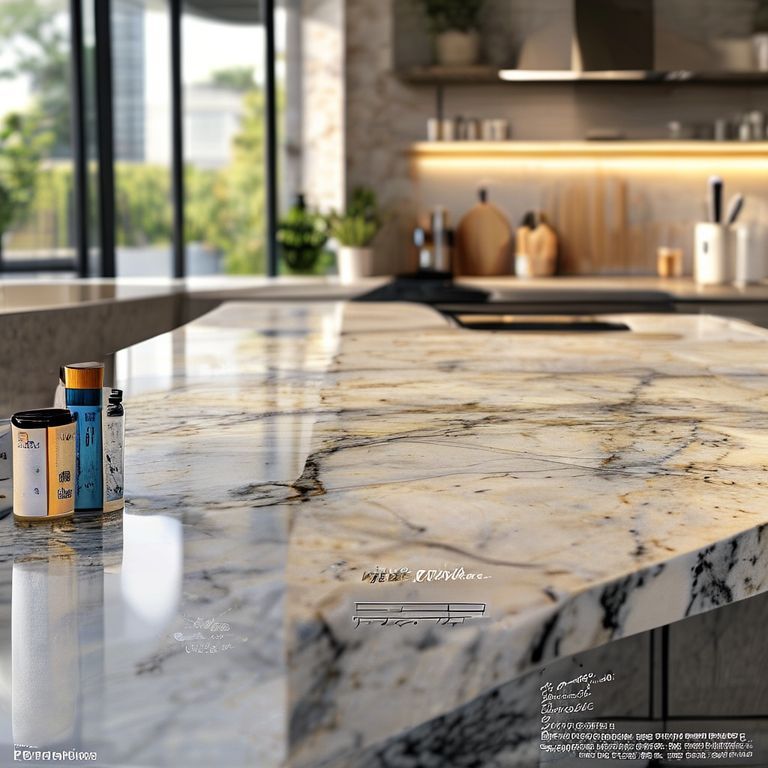
Another health concern with artificial marble is the presence of micro-cuttings, tiny shards that can become embedded in the surface. These micro-cuttings can harbor bacteria and other pathogens, posing a risk of infection. Unlike natural stone, which can be thoroughly sanitized, artificial marble’s porous nature makes it challenging to maintain a sterile environment, increasing the likelihood of bacterial growth.
Environmental Impact of Artificial Marble
The environmental footprint of artificial marble is another significant area of concern. From the extraction of raw materials to the manufacturing process, each stage carries its own set of ecological implications.
Resource Depletion
Artificial marble is typically made from a mixture of quartz, resin, and other additives. Quartz, while abundant, requires significant energy and resources to extract. This process often involves the use of harmful chemicals and machinery, leading to habitat destruction and increased carbon emissions.
Manufacturing Waste
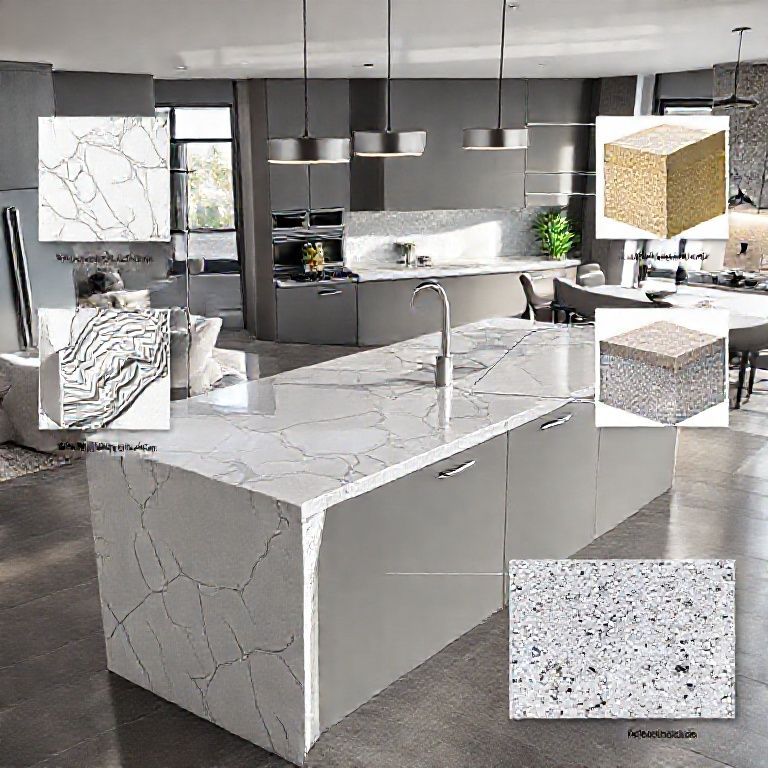
The manufacturing process of artificial marble generates a considerable amount of waste. The production lines often cut and shape the material, resulting in significant amounts of leftover pieces that go to waste. Additionally, the chemicals used in the process can lead to environmental contamination if not properly managed.
End-of-Life Disposal
Disposal of artificial marble presents another environmental challenge. Unlike natural stone, which can often be recycled or repurposed, artificial marble is not biodegradable and can contribute to landfill waste. Its non-recyclable nature means that once it reaches the end of its life, it remains in landfills for hundreds of years, contributing to environmental pollution.
The Chemical Composition of Artificial Marble
To fully understand the risks associated with artificial marble, it’s essential to look into the specific chemicals used in its production. These chemicals are not benign; they play a crucial role in shaping the material but also carry significant health and environmental risks.
Common Chemicals
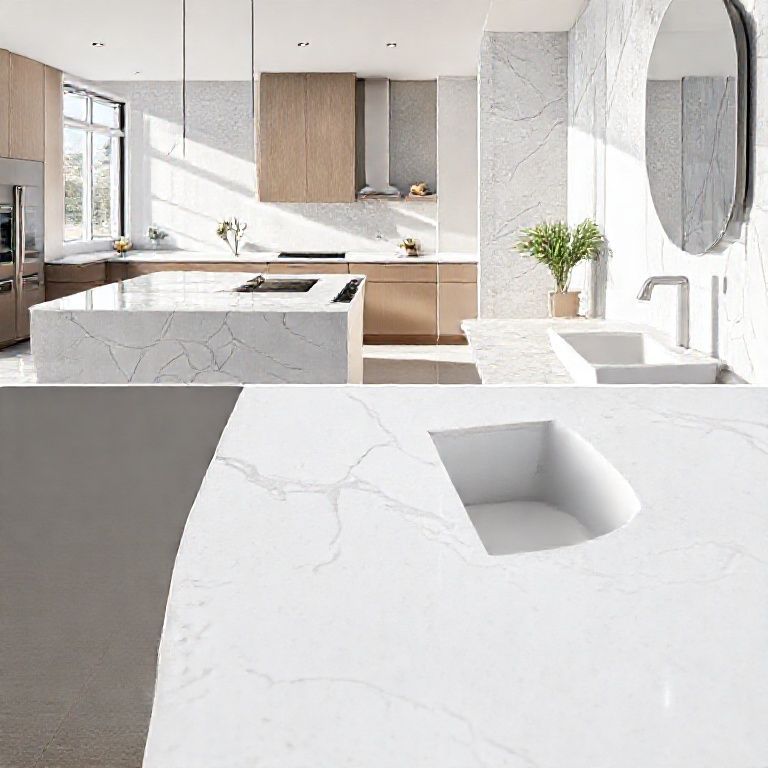
Formaldehyde: A key ingredient in the resin used to bind artificial marble, formaldehyde is a known carcinogen. It is linked to various health issues, including respiratory problems and cancer. Phenol: Another chemical used in the manufacturing process, phenol is toxic and can cause severe health problems upon exposure. Benzene: Although less commonly used today due to its hazardous nature, benzene is another chemical that can be found in some artificial marble products. It is a known carcinogen and can lead to blood disorders and cancer.
Long-Term Health Risks
The long-term exposure to these chemicals is particularly concerning. While the immediate effects might be manageable, the cumulative exposure can lead to chronic health issues. It’s essential to consider that these chemicals do not dissipate over time but remain embedded in the material, posing continuous risks to anyone in contact with the artificial marble.
Alternatives to Artificial Marble
Given the array of potential dangers associated with artificial marble, it’s worth considering safer alternatives that offer similar aesthetic benefits without the inherent risks.
Natural Stone
Natural stone, including marble, granite, and quartzite, provides a durable and beautiful surface without the toxic chemicals associated with artificial marble. While natural stone requires more maintenance and can be prone to scratches, it does not release harmful VOCs or harbor bacteria.
Sustainable Alternatives
Several sustainable alternatives to artificial marble have emerged. These include:
Recycled Stone: Using recycled natural stone can provide a durable and beautiful surface while minimizing environmental impact. Eco-Friendly Synthetic Stone: New developments in synthetic materials are creating eco-friendly alternatives that mimic the look of marble without the associated health and environmental risks.
Conclusion
Artificial marble, while popular for its aesthetic appeal and perceived durability, comes with a host of hidden dangers that should not be overlooked. From the release of toxic chemicals and the risk of micro-cuttings harboring bacteria to the significant environmental impact of its production and disposal, the risks associated with artificial marble are substantial. As awareness grows, it’s crucial to consider safer alternatives that offer similar beauty and longevity without the underlying health and environmental concerns. In the next part of this series, we will continue to explore these alternatives in more detail and discuss how to make informed choices when selecting materials for your home or commercial space.
The Hidden Dangers of Artificial Marble: Unveiling the Truth
Continuing from where we left off, this second part delves deeper into the alternatives to artificial marble and explores the broader implications of its use on public health and the environment. We will also discuss the ways to mitigate the risks associated with artificial marble and what steps can be taken to make more sustainable choices in interior design.
Safer Alternatives to Artificial Marble
When considering alternatives to artificial marble, it’s essential to weigh both the aesthetic and practical benefits. Here are some of the most promising alternatives that offer durability, beauty, and safety.
Natural Stone
Natural stone, such as marble, granite, and quartzite, has been used for centuries due to its timeless beauty and durability. While natural stone requires more maintenance and is more susceptible to scratches than artificial marble, it comes with several significant advantages:
No Toxic Emissions: Unlike artificial marble, natural stone does not release harmful VOCs, making it a safer choice for indoor environments. Biodegradability: Natural stone is biodegradable, meaning it can be recycled or repurposed at the end of its life, reducing environmental impact. Durability: Natural stone is highly durable and can withstand significant wear and tear, making it an excellent long-term investment.
Recycled and Sustainable Materials
The use of recycled and sustainable materials has gained traction as an eco-friendly alternative to artificial marble. These materials offer several benefits:
Reduced Environmental Impact: Using recycled materials significantly reduces the demand for raw materials and the associated environmental impact of extraction and processing. Unique Aesthetic: Recycled materials can offer a unique and artistic aesthetic that artificial marble cannot replicate. Durability: Many recycled materials are designed to be as durable as traditional artificial marble, providing a long-lasting and aesthetically pleasing surface.
Mitigating the Risks of Artificial Marble
If you have already chosen or are considering using artificial marble, there are steps you can take to mitigate the associated risks.
Proper Ventilation
One of the most effective ways to reduce the risk of harmful chemical exposure from artificial marble is to ensure proper ventilation in the space where it is installed. This can help to disperse VOCs and reduce their concentration, minimizing potential health risks.
Regular Cleaning
Regular cleaning of artificial marble surfaces can help to reduce the buildup of bacteria and other pathogens. Using appropriate cleaning agents that are safe for the material can help maintain its integrity and reduce the risk of chemical exposure.
Choosing High-Quality Products
When selecting artificial marble, it’s crucial to choose high-quality products from reputable manufacturers. High-quality products are less likely to release harmful chemicals and offer better durability, reducing the overall risk.
The Broader Implications of Artificial Marble Use
The use of artificial marble extends beyond individual health and environmental concerns; it also has broader implications for public health and environmental sustainability.
Public Health
The widespread use of artificial marble in homes, offices, and public spaces can lead to a cumulative exposure to harmful chemicals, posing a risk to public health. Ensuring that safer alternatives are available and promoting awareness of the risks associated with artificial marble can help mitigate these public health concerns.
Environmental Sustainability
The production and disposal of artificial marble have significant environmental implications. By choosing sustainable alternatives and promoting responsible manufacturing practices, we can reduce the environmental footprint of interior design and construction.
Making Informed Choices
When当然,我们可以继续探讨关于人造大理石的更多信息,特别是如何在选择和使用这种材料时做出更明智的决定。
材料科学与人造大理石
人造大理石通常由多种成分组成,包括石英、树脂、颜料和其他添加剂。这些材料通过高温高压工艺粘合在一起,形成一种坚硬、美观且易于维护的表面。这种复杂的化学组成也是其潜在危害的来源。
安全认证与标准
在选择人造大理石时,查看产品是否通过了相关安全认证和标准是非常重要的。例如,欧洲的“欧盟指令”(EU Directive)对有害物质的含量有严格的规定,确保材料在使用过程中不会对人体健康造成危害。类似的标准也在其他国家和地区逐渐被引入。
实际应用中的注意事项
安装与维护
专业安装:确保由专业人员进行安装,以避免材料在使用过程中出现裂缝或其他问题,这些问题可能会加速有害物质的释放。 定期清洁:使用适当的清洁剂进行清洁,避免使用过多的化学品,这些化学品可能会与人造大理石中的成分反应,进而释放有害物质。
使用环境
避免高温:人造大理石在高温环境下可能会释放更多的有害物质,因此在烹饪或热水设备附近应谨慎使用。 防止化学品接触:避免在人造大理石表面长时间接触强酸、强碱或其他化学品,这些化学品可能会破坏表面的结构,从而释放有害物质。
未来趋势
随着环保意识的增强,未来可能会有更多关于人造大理石的研究和改进。例如,开发更环保、更安全的人造大理石材料,或者通过技术手段减少其潜在的健康风险。市场上将有更多关于人造大理石健康风险的透明信息,帮助消费者做出更明智的选择。
结论
尽管人造大理石在现代建筑和装修中广泛使用,但其潜在的健康风险不容忽视。通过选择高质量的产品、遵循正确的安装和维护方法,以及保持对材料的安全使用意识,我们可以在享受其美观和耐用性的最大限度地减少健康风险。