The Hidden Dangers of Artificial Marble: What You Need to Know
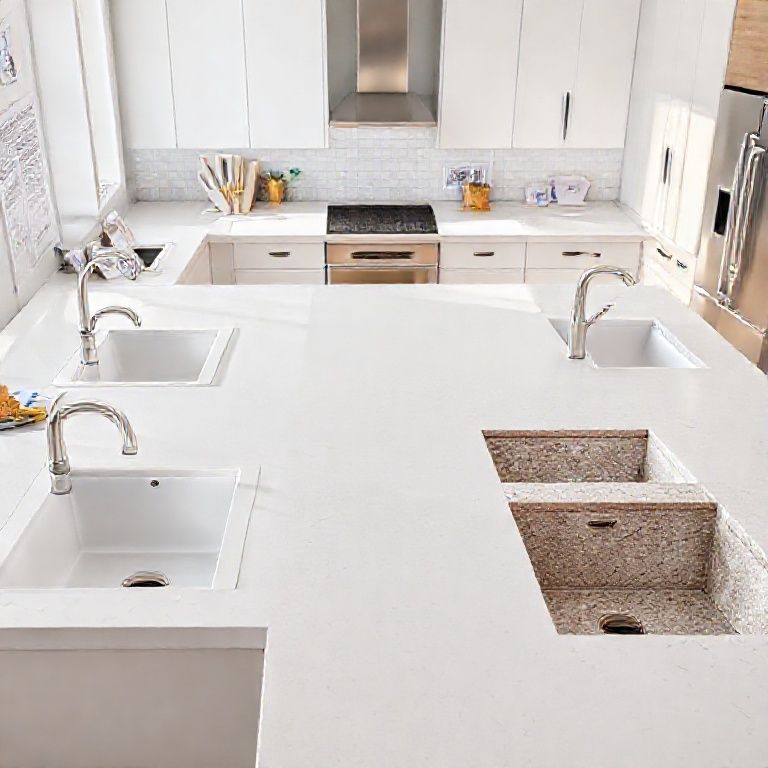
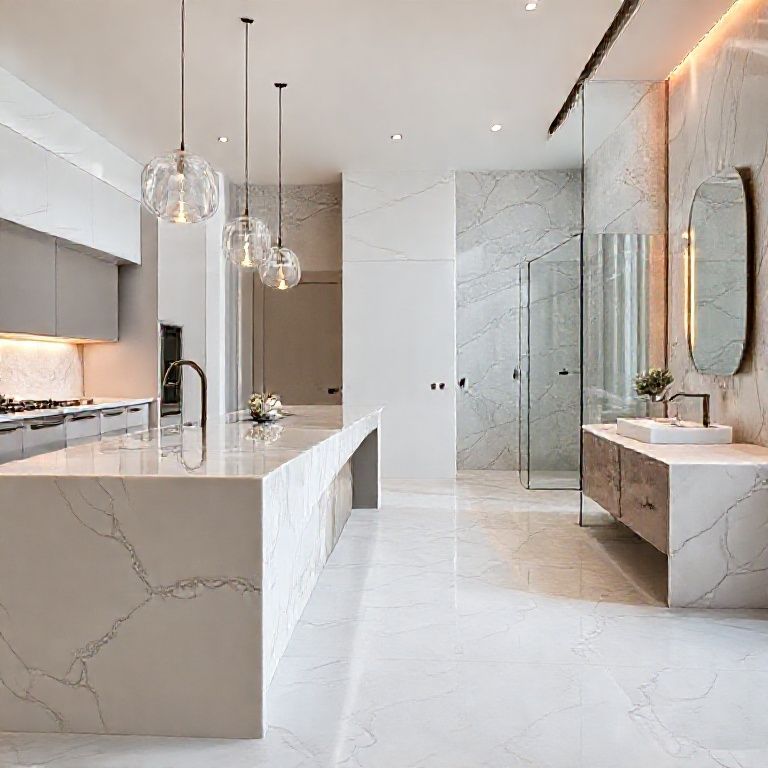
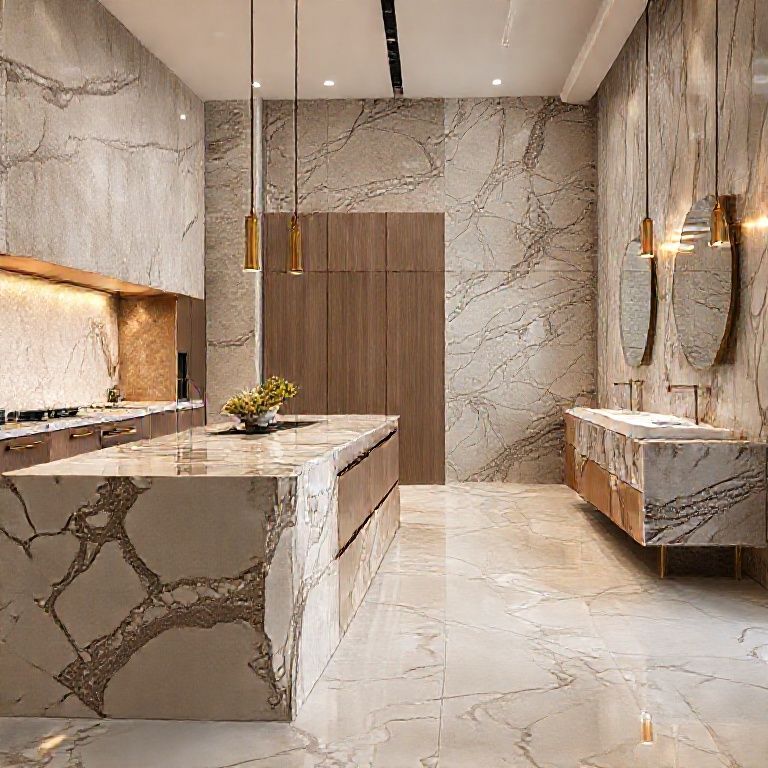
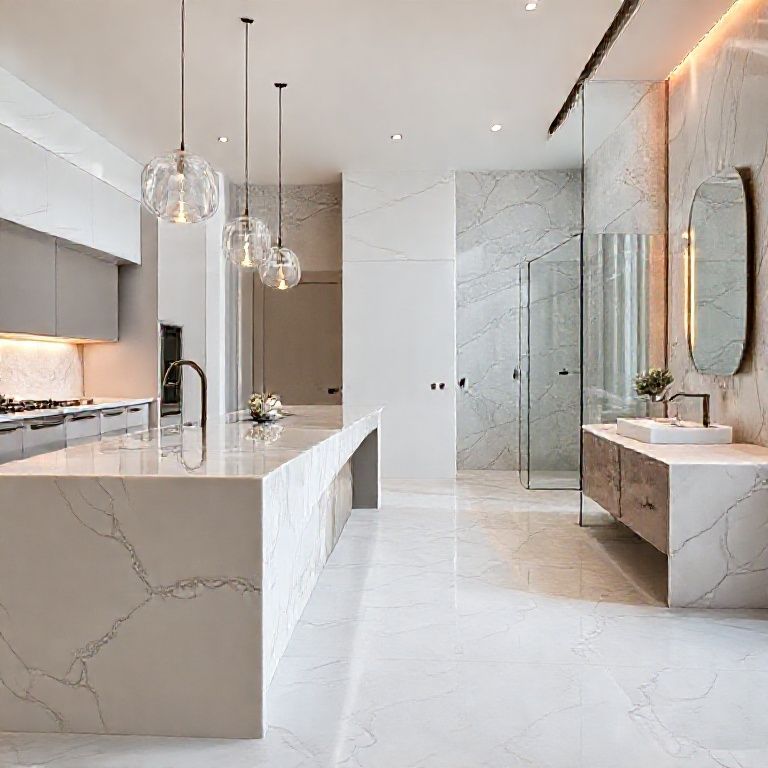
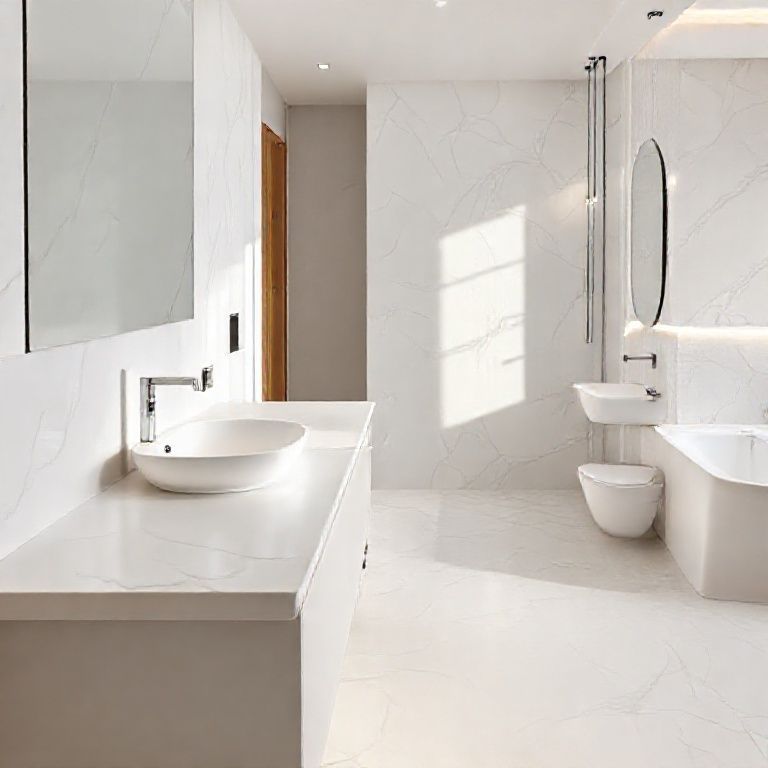
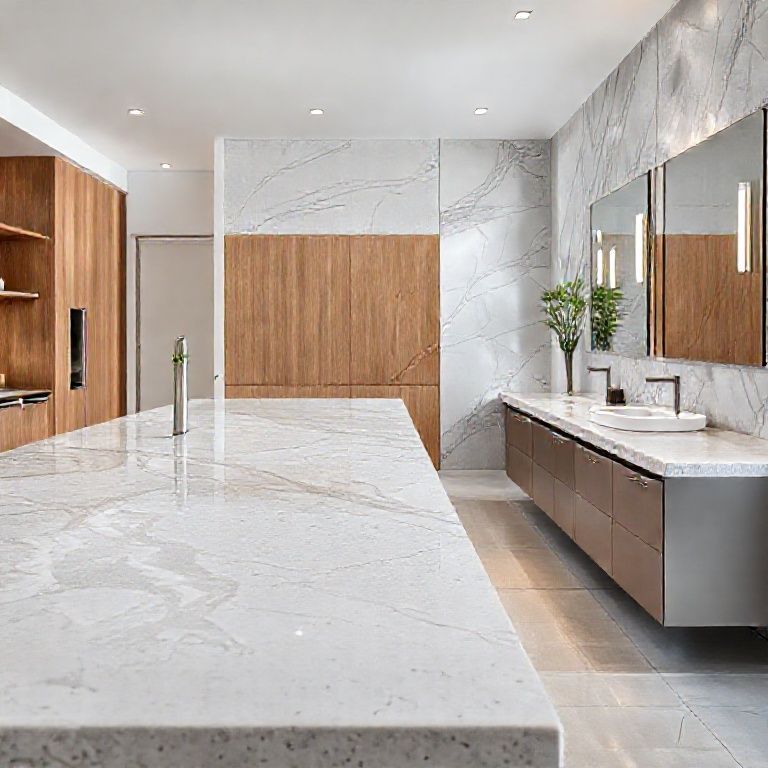
Artificial marble, also known as cultured marble or quartz, has gained immense popularity over the past few decades as a cost-effective alternative to natural stone. With its stunning appearance and lower price tag, it has become a favored choice for countertops, sinks, and other interior design elements. However, beneath this alluring facade lies a complex web of potential risks and hidden dangers that many are unaware of.

The Composition of Artificial Marble
To understand the potential hazards of artificial marble, it’s crucial to first grasp its composition. Artificial marble is primarily made from a mixture of minerals, resins, and pigments. The base material often includes alabaster, calcite, or dolomite, which are bound together with a resin binder. To achieve the characteristic marble-like appearance, colorants and dyes are added. While the result is an aesthetically pleasing and durable surface, the combination of these materials can pose significant risks to human health.
Chemical Exposure and Indoor Air Quality
One of the most significant concerns with artificial marble is the potential for chemical exposure. During the manufacturing process, various chemicals are used to bind the mineral particles together, including styrene, phenol, and formaldehyde. These chemicals can off-gas, releasing volatile organic compounds (VOCs) into the air. VOCs are known to cause a range of health problems, from mild irritation to more severe respiratory and neurological issues.
For instance, formaldehyde, a common ingredient in artificial marble, is a known carcinogen. It can cause headaches, dizziness, and respiratory problems. Prolonged exposure can lead to more severe health consequences, including an increased risk of cancer. Moreover, the resin used in the production of artificial marble can release styrene, which is linked to eye, nose, and throat irritation, as well as more severe health effects with long-term exposure.
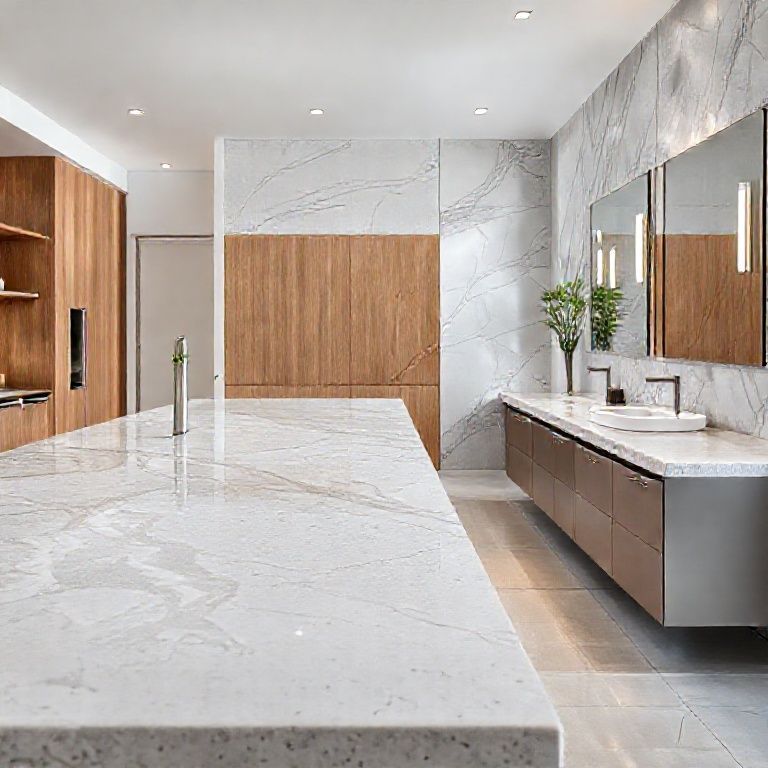
Potential Health Hazards
The health risks associated with artificial marble extend beyond chemical exposure. When installed and used, artificial marble surfaces can sometimes crack or chip, exposing the underlying resin. This resin can flake off and become airborne, posing an inhalation risk. Furthermore, during installation and maintenance, workers and users may come into direct contact with the material, leading to skin irritation or allergic reactions.
The pigments used in artificial marble also contribute to the health concerns. Many of these dyes contain heavy metals like lead and chromium, which can leach into the water or soil when the material deteriorates. Chronic exposure to these metals can lead to a host of health problems, including kidney damage, neurological disorders, and even cancer.
Safety Concerns in Different Environments
Artificial marble’s risks are not uniform across all environments. In homes, especially those with poor ventilation, the off-gassing of VOCs can significantly impact indoor air quality. This is particularly concerning in smaller spaces where the concentration of these chemicals can build up more rapidly. Children and individuals with pre-existing health conditions are particularly vulnerable to the adverse effects of poor indoor air quality.
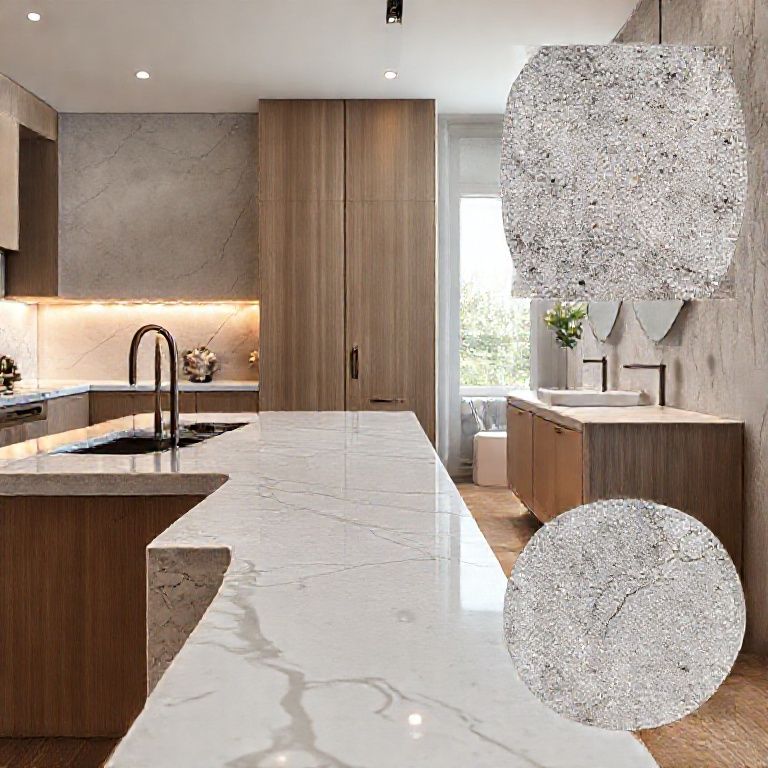
In commercial settings, such as offices and restaurants, the use of artificial marble on countertops, sinks, and other surfaces can pose similar risks. The continuous exposure to these chemicals can lead to chronic health issues for employees and patrons alike. Moreover, the maintenance of these surfaces requires the use of cleaning agents that can further introduce harmful chemicals into the environment.
Environmental Impact
Beyond the direct health implications, the environmental impact of artificial marble production is another critical concern. The extraction of raw materials like alabaster and dolomite can lead to significant environmental degradation, including habitat destruction and water pollution. Furthermore, the production process involves the use of energy-intensive methods, contributing to greenhouse gas emissions and climate change.
Conclusion of Part 1
In conclusion, while artificial marble offers an appealing and affordable alternative to natural stone, its hidden dangers cannot be overlooked. The chemical composition, potential for chemical exposure, and associated health risks make it a material that warrants careful consideration. In the next part of this article, we will delve deeper into the long-term effects of artificial marble, compare it with natural stone alternatives, and provide actionable tips for safer usage and maintenance. Stay tuned for a comprehensive look at how to mitigate the risks associated with this popular yet problematic material.
The Hidden Dangers of Artificial Marble: What You Need to Know
Long-Term Effects of Artificial Marble
In the second part of this comprehensive exploration, we will examine the long-term effects of artificial marble on human health and the environment. Understanding these impacts is essential for making informed decisions about the use of this material in your home or workplace.
Chronic Health Effects
The chronic health effects of artificial marble are a significant concern, particularly for individuals exposed to it over extended periods. The continuous off-gassing of VOCs can lead to persistent respiratory problems, including asthma and chronic obstructive pulmonary disease (COPD). These conditions can significantly reduce the quality of life and lead to increased healthcare costs.
Moreover, the inhalation of resin particles and other chemicals can cause long-term damage to the respiratory system. Studies have shown that prolonged exposure to these particles can lead to chronic bronchitis and other severe respiratory diseases. Additionally, the chemicals used in artificial marble production have been linked to neurological disorders, including memory loss, cognitive decline, and even depression.
Impact on Vulnerable Populations
Certain populations are more vulnerable to the health risks associated with artificial marble. Children, the elderly, and individuals with pre-existing health conditions are particularly at risk. Children’s developing bodies are more susceptible to the harmful effects of chemicals, and prolonged exposure can lead to developmental delays and other long-term health issues. The elderly may experience exacerbated health problems due to their already compromised health status.
Comparing Artificial Marble with Natural Stone Alternatives
When considering the long-term effects of artificial marble, it’s important to compare it with natural stone alternatives, such as granite, limestone, and quartzite. Natural stones are composed of minerals that do not off-gas harmful chemicals. Granite, for example, is a durable and long-lasting material that has been used for centuries without the associated chemical risks.
Quartz, on the other hand, is a natural stone that has gained popularity as an alternative to artificial marble. It is composed of silica, making it highly durable and resistant to stains and scratches. Unlike artificial marble, quartz does not release harmful chemicals and is a safer option for both health and the environment.
Environmental Considerations
The environmental impact of artificial marble production is another critical aspect to consider. The extraction of raw materials for artificial marble can lead to significant environmental degradation. Mining for alabaster, calcite, and dolomite often results in habitat destruction, water pollution, and soil erosion. The production process also consumes large amounts of water and energy, contributing to environmental degradation and climate change.
In contrast, natural stone alternatives typically have a lower environmental impact. Granite, for example, is a naturally occurring material that does not require extensive processing. Limestone, too, is a durable and low-impact option. The extraction and processing of these natural stones have less impact on the environment compared to the production of artificial marble.
Actionable Tips for Safer Usage and Maintenance
Given the potential risks associated with artificial marble, it’s essential to take steps to minimize these dangers. Here are some actionable tips for safer usage and maintenance:
Ventilation: Ensure proper ventilation in areas where artificial marble is used. Open windows and use exhaust fans to help reduce the concentration of VOCs in the air.
Quality Products: Choose high-quality artificial marble products that use safer chemicals and have lower VOC emissions. Look for products that have been certified for low emissions.
Regular Cleaning: Clean artificial marble surfaces regularly to prevent the build-up of dust and particles that can become airborne. Use mild, non-abrasive cleaners to avoid damaging the surface.
Avoiding Heat Sources: Keep artificial marble surfaces away from direct heat sources, such as stoves and radiators, to prevent cracking and the release of harmful chemicals.
Professional Installation: Ensure that artificial marble is installed by a professional to minimize the risk of cracks and chips that could expose the underlying resin.
Health Monitoring: If you are particularly concerned about the health risks, consider regular health check-ups to monitor for any potential symptoms of chemical exposure.
Conclusion of Part 2
In conclusion, while artificial marble offers aesthetic and economic benefits, its long-term health and environmental risks cannot be ignored. By understanding the chronic health effects, comparing it with natural stone alternatives, and implementing safer usage and maintenance practices, you can mitigate the potential dangers associated with this popular material. Making informed decisions about the materials you use in your home or workplace is crucial for protecting both your health and the environment. Stay informed and prioritize safety to ensure a healthier, safer living and working space.