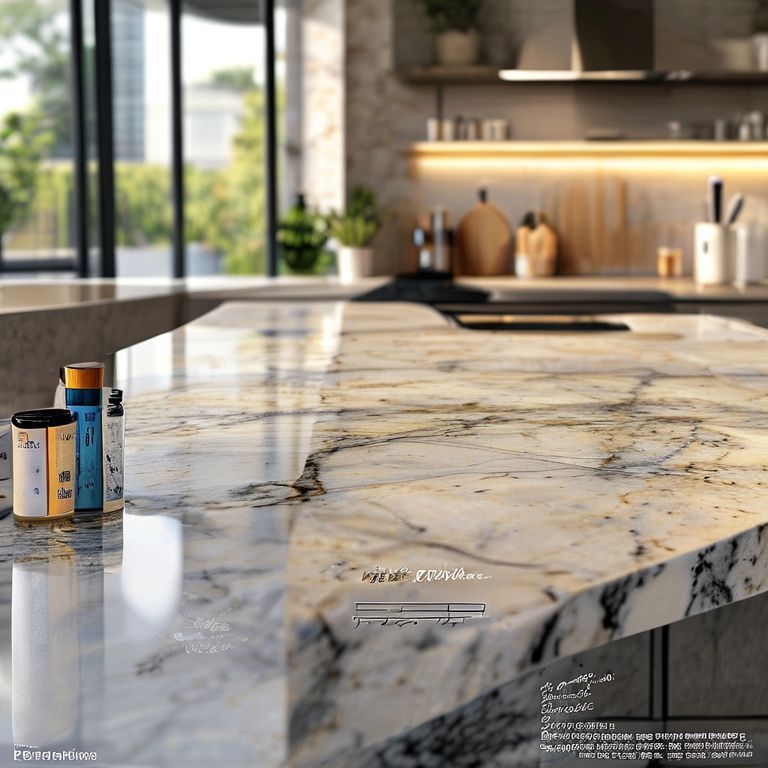
The Hidden Dangers of Artificial Marble: What You Need to Know for Your Health
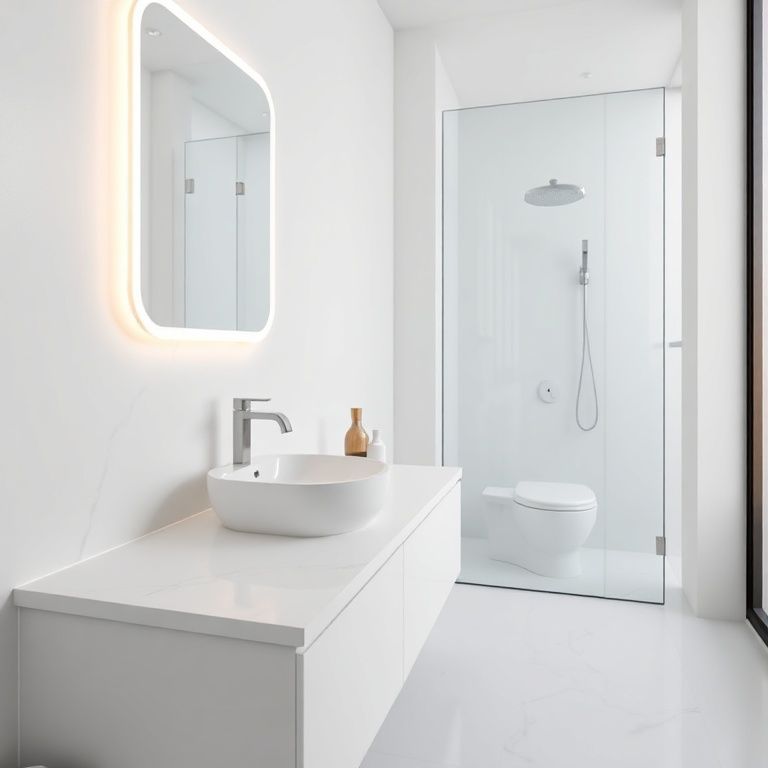
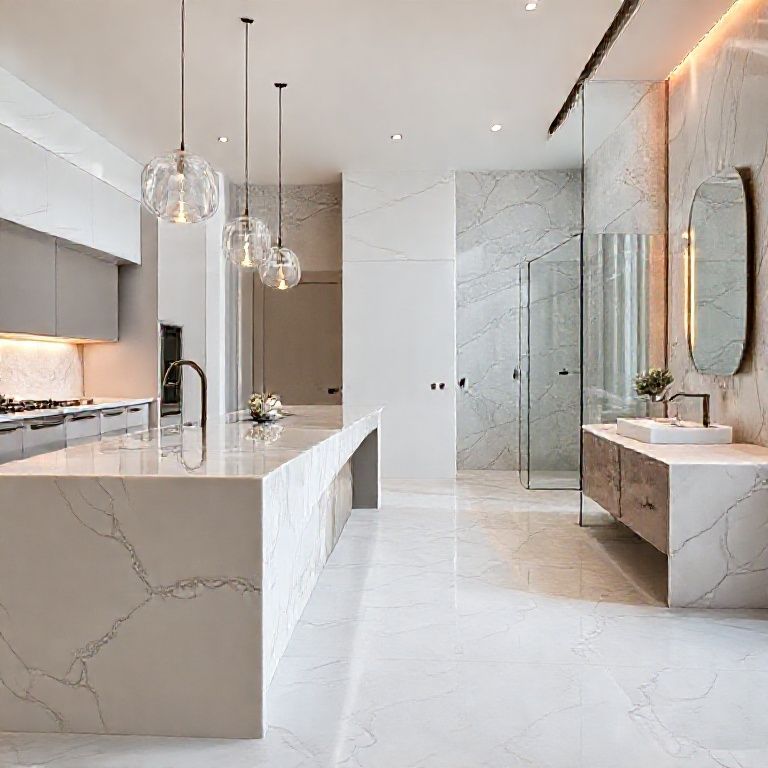
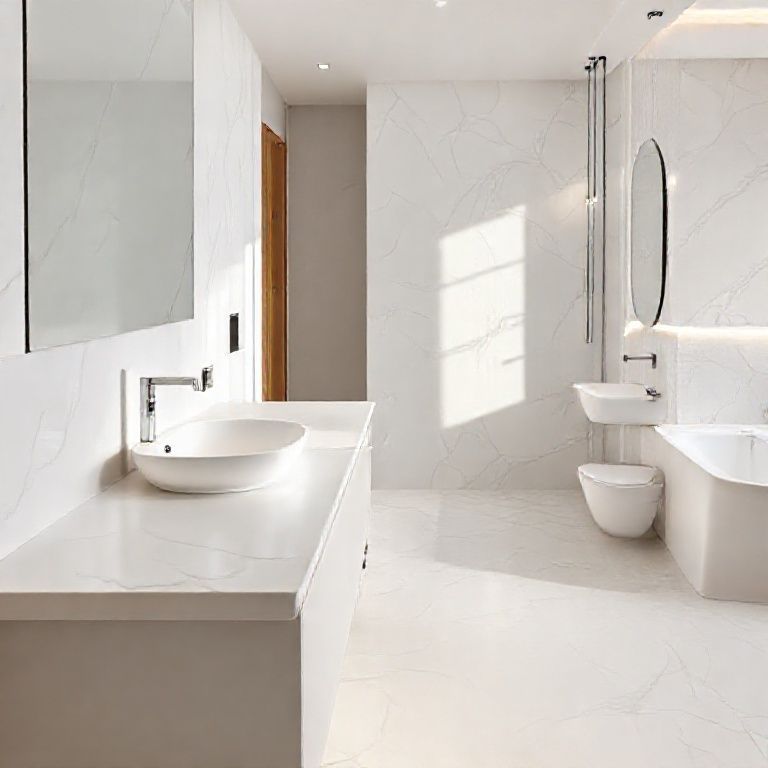
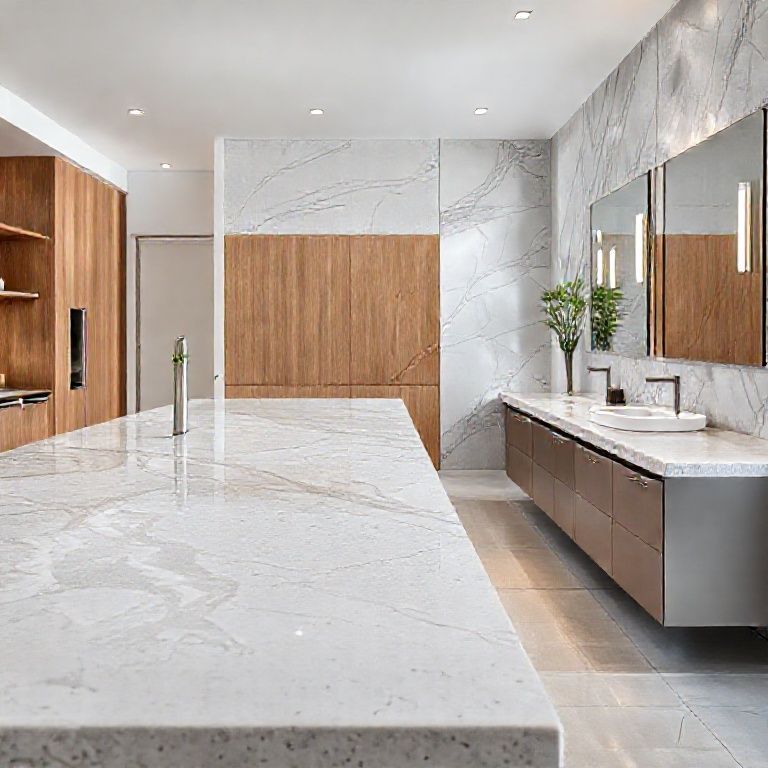
Artificial marble, often hailed for its aesthetic appeal and durability, has become a popular choice for countertops and interior design elements. However, beneath its sleek and polished surface lies a potential threat to human health that many are unaware of. This first part of our exploration into the hazards of artificial marble will focus on its composition, the chemicals it contains, and the initial signs of health risks.

Composition and Chemical Content
Artificial marble, also known as synthetic stone, is primarily composed of a mixture of minerals, resins, and other additives. The process of creating this material involves high-pressure and high-temperature conditions, resulting in a solid surface that mimics the appearance of natural marble. However, this intricate mixture includes a variety of chemicals that are often harmful to human health.
Key components of artificial marble include:
Calcium carbonate: A common mineral used as a filler. Polyvinyl acetate (PVA): A type of resin that acts as a binder. Silicon carbide: A strong abrasive material used in the polishing process. Various dyes and pigments: To achieve the desired color and aesthetic.
While the surface of artificial marble is smooth and inert, the materials used in its creation can pose significant risks. These chemicals can emit volatile organic compounds (VOCs) during manufacturing and even after installation, leading to indoor air pollution.
Initial Signs of Health Risks
Exposure to the chemicals in artificial marble can result in a variety of health issues, many of which manifest initially in subtle yet concerning ways. These signs often go unnoticed until they become more severe, making it crucial to be aware of them.
Respiratory Issues: The release of VOCs can lead to respiratory problems, including headaches, dizziness, and irritation of the respiratory tract. Individuals with pre-existing conditions like asthma may experience exacerbated symptoms.
Skin Irritation: Direct contact with artificial marble can cause skin irritation, particularly for those with sensitive skin or allergies. Symptoms may include redness, itching, and even rashes.
Headaches and Dizziness: Prolonged exposure to VOCs can result in persistent headaches and dizziness, which may be mistaken for other causes but are often linked to chemical exposure.
Eye Irritation: Fumes and particles from artificial marble can lead to eye irritation, including redness, watering, and discomfort.
Indoor Air Quality Concerns
One of the most significant risks associated with artificial marble is its impact on indoor air quality. During installation and for some time afterward, the material can release harmful chemicals into the air. These VOCs can contribute to poor indoor air quality, which has been linked to a range of health problems, including:
Sick Building Syndrome: A condition characterized by a variety of nonspecific health effects in the occupants of a building, such as headaches, fatigue, and respiratory issues. Long-term Health Problems: Prolonged exposure to low levels of VOCs can lead to chronic health problems, including respiratory diseases and even cancer in some cases.
Mitigation Strategies
While the risks associated with artificial marble are significant, there are steps you can take to mitigate potential health hazards:
Proper Ventilation: Ensure that the area where artificial marble is installed is well-ventilated during and after installation. This can help to disperse VOCs and improve indoor air quality.
Choose Low-VOC Products: Opt for artificial marble products that are labeled as low-VOC or VOC-free. These products contain fewer harmful chemicals and are generally safer for indoor use.
Professional Installation: Have the installation done by professionals who are trained in handling and installing synthetic stone. Proper installation techniques can help to minimize the release of harmful chemicals.
Regular Cleaning: Maintain regular cleaning routines to reduce the amount of dust and particles that can accumulate on the surface of artificial marble, which may contain residual chemicals.
In the next part of our series, we will delve deeper into specific health risks associated with artificial marble, including long-term effects, and provide more detailed guidance on how to protect yourself and your family from these hidden dangers.
The Long-term Health Risks of Artificial Marble: What You Need to Know for Your Health
In the first part of our exploration into the health risks associated with artificial marble, we covered its composition, initial signs of health risks, and strategies for mitigating these dangers. In this second part, we will delve deeper into the long-term health risks posed by artificial marble and provide more detailed guidance on how to protect yourself and your family from these hidden hazards.
Long-term Health Risks
The long-term exposure to the chemicals in artificial marble can lead to serious health issues that may not become apparent until years later. Here, we will explore some of the more severe and long-term health risks associated with artificial marble.
Respiratory Diseases Chronic Respiratory Issues: Prolonged exposure to VOCs can lead to chronic respiratory problems, including asthma, bronchitis, and other lung diseases. These conditions can significantly reduce the quality of life and may require long-term medical management. Lung Cancer: Some studies suggest a link between long-term exposure to certain VOCs and an increased risk of lung cancer. While the evidence is not conclusive, it is a serious concern that warrants attention. Neurological Effects Cognitive Impairment: Long-term exposure to VOCs has been associated with cognitive impairments, including memory loss, difficulty concentrating, and other neurological deficits. These effects can be particularly concerning for children and developing brains. Mood Disorders: Some research indicates a potential link between chronic exposure to VOCs and mood disorders such as depression and anxiety. Reproductive Health Fertility Issues: There is some evidence to suggest that exposure to certain chemicals in artificial marble may impact reproductive health, potentially leading to fertility issues in both men and women. Birth Defects: While the evidence is still emerging, there are concerns about the potential for harmful chemicals to impact fetal development, leading to birth defects and other long-term health issues. Kidney and Liver Damage Liver Toxicity: Certain chemicals used in the manufacturing of artificial marble can cause liver toxicity. Over time, this can lead to chronic liver disease and other serious health problems. Kidney Damage: Prolonged exposure to harmful chemicals can also impact kidney function, leading to chronic kidney disease and other related health issues.
Preventive Measures
To protect yourself and your family from the long-term health risks associated with artificial marble, it is essential to take proactive steps:
Reduce Exposure Avoid Installation: If possible, avoid having artificial marble installed in your home. Opt for safer alternatives such as natural stone or high-quality, low-VOC materials. Limit Use: If you have artificial marble in your home, limit your exposure by minimizing time spent in areas where it is installed and avoiding direct contact. Improve Indoor Air Quality Air Purifiers: Use air purifiers with HEPA filters to improve indoor air quality and reduce the concentration of harmful chemicals. Activated Charcoal: Activated charcoal can help to absorb VOCs and improve air quality in areas with artificial marble installations. Regular Maintenance Clean Surfaces: Regularly clean artificial marble surfaces to reduce dust and particles that can harbor harmful chemicals. Use mild cleaning agents and avoid abrasive materials that can damage the surface. Monitor Air Quality: Use air quality monitors to track levels of VOCs and other harmful pollutants in your home. Health Monitoring Regular Check-ups: Regularly visit your healthcare provider to monitor for any signs of health issues that may be linked to exposure to harmful chemicals. Symptom Tracking: Keep track of any new or persistent symptoms, including respiratory issues, skin irritation, and neurological symptoms, and discuss them with your healthcare provider.
Regulatory Standards and Certifications
To ensure that you are making informed decisions, it is important to look for products that meet regulatory standards and certifications. Here are some guidelines to follow:
Look for Certifications GREENGUARD Gold: This certification indicates that the product meets strict indoor air quality standards, containing fewer harmful chemicals. EPA Safer Choice: Products with this label meet the Environmental Protection Agency’s criteria for safer chemicals and reduced environmental impact. Check for VOC Limits California Air Resources Board (CARB): Products that comply with CARB standards are required to meet specific limits on VOC content, making them safer for indoor use. ISO 14001: Certification that indicates the product complies with international standards for environmental management. Research Brands Transparency: Choose brands that are transparent about their materials and manufacturing processes. Look for detailed information about the chemicals used in their products. Reputation: Research the reputation of the brand and read reviews from other consumers to ensure that they have a history of producing safe, high-quality products.
Conclusion
4. 环保和健康认证
选择环保和健康认证的人造大理石是一个非常重要的步骤。这些认证能够保证材料的安全性,减少对人体健康的潜在危害。
GREENGUARD Gold认证:这是一个全球知名的认证,表示材料在制造过程中仅释放极少量的有害化学物质。这对于家庭环境尤其重要,因为这些材料在室内空气质量方面表现出色。
EPA Safer Choice:这个认证标明材料符合美国环保署的标准,使用了较少的有害化学物质,对健康和环境都更友好。
5. 正确维护和清洁
即使选择了最优质的人造大理石,正确的维护和清洁也是确保其安全性的关键。
避免使用酸性清洁剂:人造大理石不能使用含有酸性成分的清洁剂,这会导致材料表面的损害。应使用中性清洁剂和软布进行日常清洁。
及时清理溢出物:油污和其他溢出物在人造大理石表面停留过久,可能会导致永久性污渍,因此及时清理非常重要。
6. 安装和施工
专业安装:确保人造大理石由专业人员安装,以避免出现缝隙和密封不良的问题。这不仅可以延长材料的使用寿命,还能防止化学物质渗漏。
使用优质密封剂:安装时使用优质的建筑密封剂,以确保缝隙和接缝处的密封性能,防止有害物质渗漏。
7. 长期健康影响
监测健康症状:如果在使用人造大理石后出现持续的头痛、呼吸困难、皮肤瘙痒等症状,应立即咨询医生,并考虑是否需要减少对该材料的接触。
儿童和宠物的安全:确保家中的人造大理石不会直接接触儿童和宠物,尤其是在清洁和维护时,防止误食有害物质。
8. 替代材料
如果你对人造大理石的健康风险仍有顾虑,可以考虑以下一些替代材料:
天然石材:如大理石、花岗岩和石灰岩,尽管成本较高,但它们的化学成分更为纯净,对健康的风险相对较低。
竹材或再生木材:这些材料环保,不含有害化学物质,且易于维护和清洁。
人造大理石作为一种现代化的装饰材料,有其独特的优势,但在选择和使用时,了解其潜在的健康风险并采取相应的预防措施,是确保家庭健康的关键。希望这些信息能帮助你做出更明智的选择。