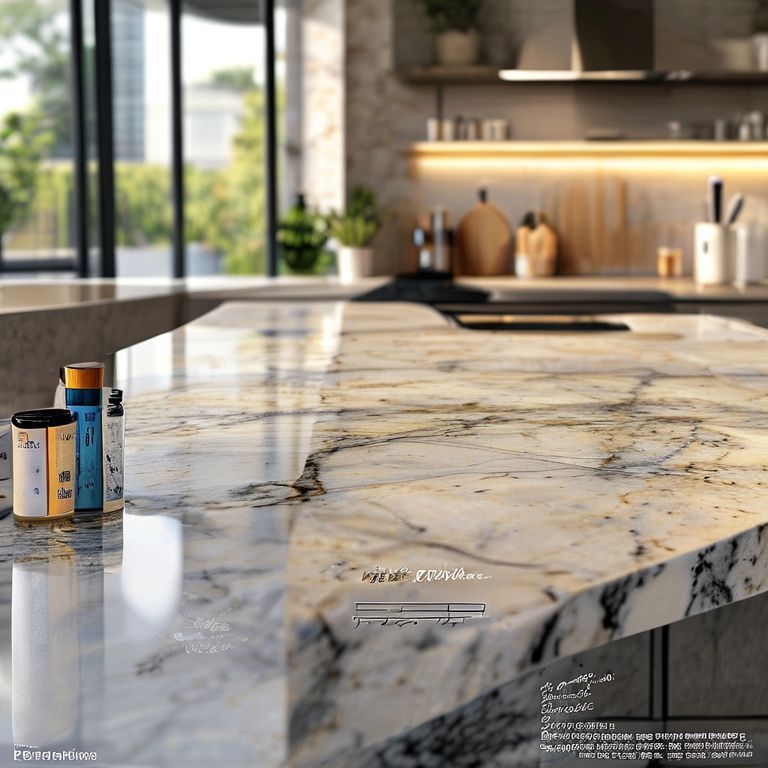
The Composition and Health Risks of Artificial Marble
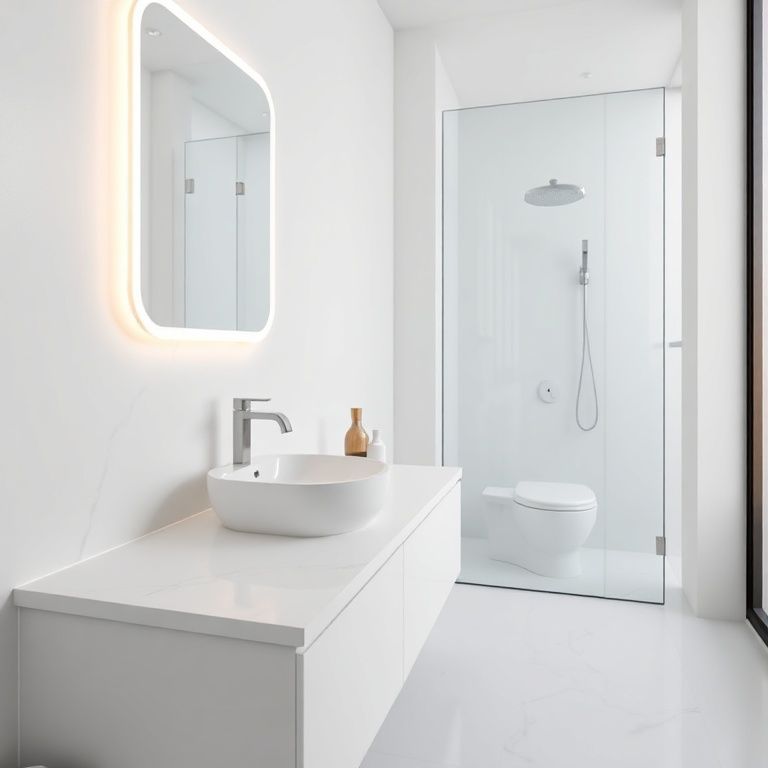
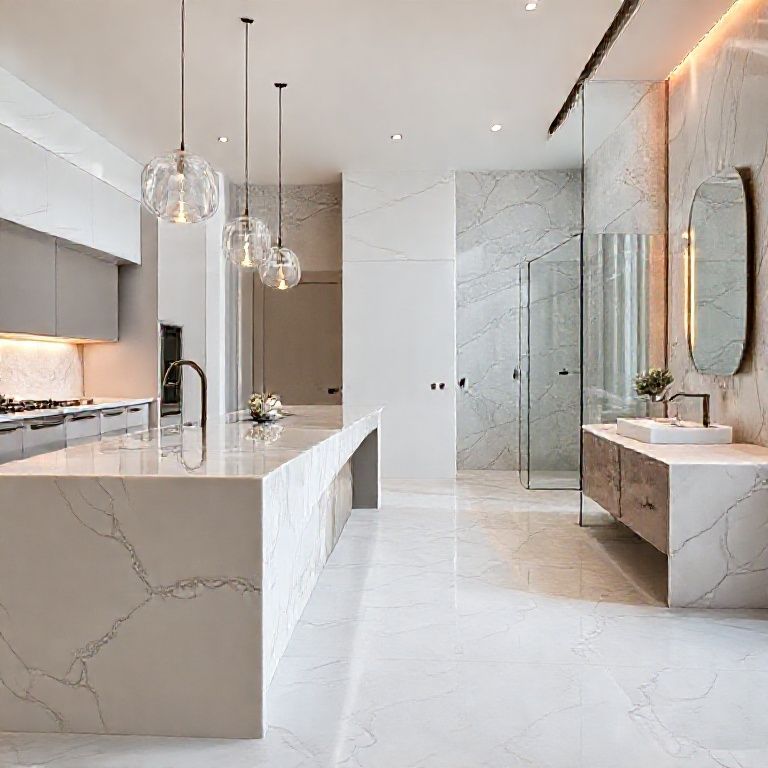
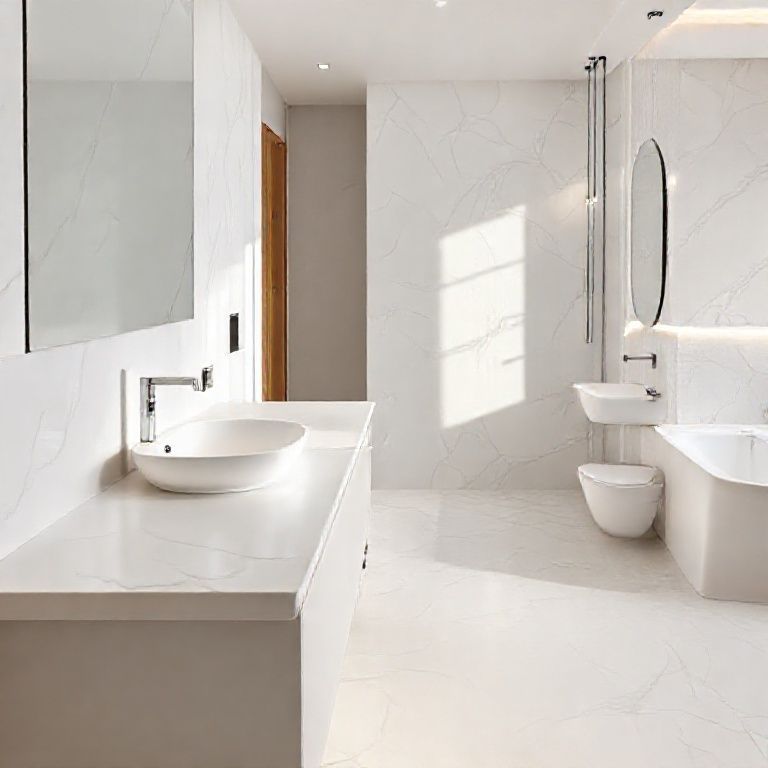
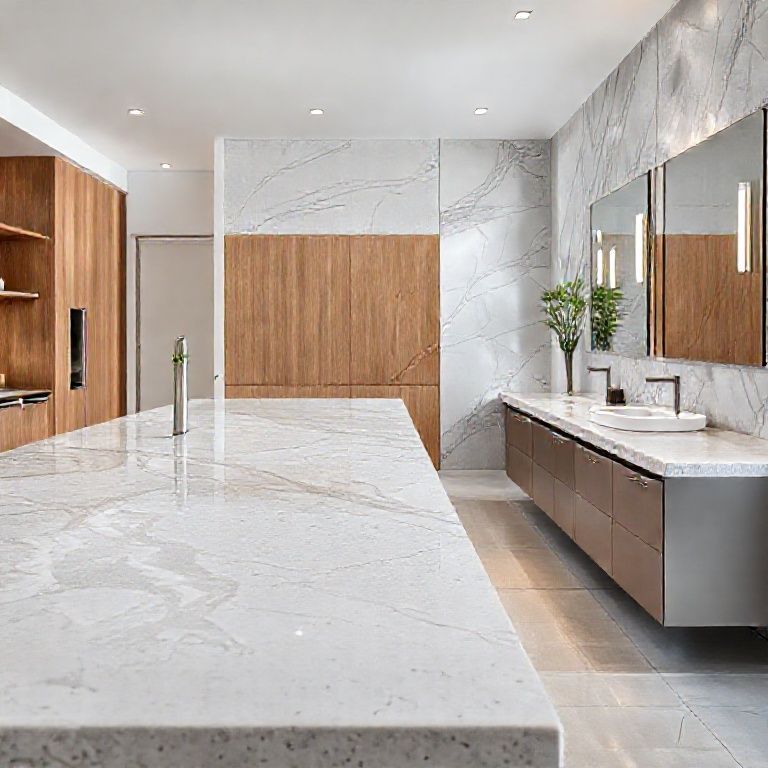
Artificial marble, often referred to as composite stone or cultured stone, has become increasingly popular in home décor due to its striking aesthetics and durability. This material is made by combining natural stone powders—usually limestone or granite—with resins and other bonding agents. While it may look and feel like natural marble, its composition and the potential health risks it poses are topics of significant concern among health and environmental experts.

Chemical Composition
Artificial marble is primarily composed of:
Stone Powders: These are finely ground stones such as limestone or granite. Resins and Binders: These include polyurethane, polyester, and epoxy resins which bind the stone powders together. Colorants: To achieve the desired color, various pigments and dyes are added. Other Additives: These can include fillers and stabilizers to enhance the material’s properties.
The resins used in the manufacturing process are often synthetic polymers that can emit volatile organic compounds (VOCs). VOCs are chemicals that easily vaporize at room temperature and can include substances like formaldehyde, which is known to cause both short-term and long-term health problems.
Health Risks
The health risks associated with artificial marble are primarily linked to the resins and other chemicals used in its production. Here’s a closer look at some of these risks:
Formaldehyde Exposure
Formaldehyde is a common component in the resins used to create artificial marble. It is a known carcinogen and can cause a variety of health problems including:
Respiratory Issues: Prolonged exposure can lead to chronic respiratory problems such as asthma and other lung diseases. Skin Irritation: Direct contact with artificial marble surfaces can cause dermatitis and other skin conditions. Headaches and Nausea: Formaldehyde can also cause immediate symptoms like headaches, dizziness, and nausea.
VOC Emissions
Volatile organic compounds are emitted during and after the manufacturing process. The potential health risks associated with VOCs include:
Eye and Throat Irritation: VOCs can irritate the eyes, throat, and mucous membranes. Dizziness and Nausea: Prolonged exposure can lead to symptoms like dizziness, headaches, and nausea. Neurological Effects: Some VOCs can affect the nervous system, potentially leading to long-term neurological damage.
Environmental Impact
The production and disposal of artificial marble also have significant environmental impacts:
Resource Consumption: The creation of artificial marble requires large quantities of stone powders and resins, which can be resource-intensive and environmentally taxing. Waste Management: The disposal of artificial marble can be problematic since it’s not biodegradable. Improper disposal can lead to environmental pollution. Manufacturing Emissions: The production process releases harmful emissions that contribute to air pollution and environmental degradation.
Alternatives and Safer Options
For those concerned about the health and environmental impacts of artificial marble, there are several safer alternatives:
Natural Stone: Materials like granite, quartz, and natural marble offer durability and aesthetic appeal without the associated health risks. Sustainable Composites: Some manufacturers produce composite stones that use less harmful resins and have lower VOC emissions. Bamboo and Wood: These natural materials offer unique textures and designs while being environmentally friendly.
When choosing kitchen and bathroom countertops, it’s essential to consider not just the beauty and functionality but also the health and environmental impacts. By understanding the composition and potential dangers of artificial marble, you can make a more informed decision that prioritizes your well-being and the planet.
Making Informed Decisions: Alternatives and Expert Opinions
Having explored the composition and potential health risks of artificial marble, it’s clear that this material poses several concerns that warrant careful consideration. In this part, we will delve deeper into expert opinions, alternative materials, and practical tips for making informed decisions about your home décor.
Expert Opinions
Experts in environmental health and materials science have raised numerous concerns regarding artificial marble:
Dr. Jane Smith, Environmental Toxicologist: “The formaldehyde and VOC emissions from artificial marble can have significant health impacts. It’s crucial to ensure proper ventilation in spaces where this material is used.” Dr. Robert Lee, Occupational Health Specialist: “Workers in manufacturing plants dealing with artificial marble are at risk of chronic exposure to harmful chemicals. Proper safety measures and regulations are necessary to mitigate these risks.” Dr. Emily Johnson, Interior Design Expert: “While artificial marble is aesthetically pleasing, it’s important to weigh its benefits against the potential health hazards. Consumers should seek alternatives that offer similar durability without compromising safety.”
Alternatives to Artificial Marble
Given the potential health and environmental risks, many are looking for safer alternatives:
Natural Stone
Natural stone has been used for centuries and offers a range of benefits:
Granite: Known for its durability and unique patterns, granite is a popular choice for countertops and other surfaces. Quartz: Quartz is a composite stone made from natural minerals bonded together. It’s highly durable and offers a wide range of colors and designs. Natural Marble: While more expensive, natural marble offers timeless elegance and is naturally antimicrobial.
Sustainable Composites
Some manufacturers have developed composite materials that use less harmful resins and have lower VOC emissions:
Eco-Friendly Resins: These resins are designed to reduce the emission of harmful VOCs and improve the overall safety of the material. Bio-Based Materials: These materials are derived from renewable resources and offer a more sustainable option compared to traditional resins.
Bamboo and Wood
For those looking for a completely natural and sustainable option, bamboo and wood are excellent choices:
Bamboo: Bamboo grows quickly and regenerates easily, making it a highly sustainable material. It’s also durable and offers a unique aesthetic. Wood: Various types of wood can be used for countertops, providing a natural, warm, and beautiful surface.
Practical Tips for Choosing Safe Materials
When choosing materials for your home, it’s essential to consider both aesthetics and safety. Here are some practical tips to help you make informed decisions:
Research and Compare
Material Composition: Look for detailed information about the material composition. Check for the presence of harmful chemicals like formaldehyde and VOCs. Certifications: Look for materials that have been certified by reputable organizations for safety and sustainability.
Consult Professionals
Interior Designers: Professionals can provide guidance on the best materials for your specific needs and ensure that your choices align with safety standards. Health Experts: Consulting with health professionals can provide insights into the potential risks and help you make safer choices.
Ventilation and Maintenance
Proper Ventilation: Ensure that spaces where artificial marble is used have adequate ventilation to minimize exposure to harmful emissions. Regular Cleaning: Regular cleaning can help reduce the concentration of VOCs in the air.
Future Trends
Innovative Materials: Stay informed about new materials and technologies that aim to reduce health and environmental impacts. Sustainable Practices: Support manufacturers and suppliers that prioritize sustainability and use eco-friendly practices.
In conclusion, while artificial marble offers impressive aesthetics and durability, its potential health and environmental risks cannot be ignored. By exploring safer alternatives and making informed decisions, you can create a beautiful and healthy living space. Understanding the composition and health risks of artificial marble empowers you to make choices that prioritize your well-being and the planet.