Unveiling the Health Hazards of Artificial Marble
Artificial marble has surged in popularity over the years, especially in the realm of home renovation and interior design. Known for its stunning aesthetics, durability, and relatively lower cost compared to natural stone, it appears to be an ideal choice for many. However, beneath this glossy surface lies a spectrum of potential health hazards that many consumers are unaware of. In this first part, we will delve into the health risks associated with artificial marble, shedding light on why it’s crucial to reconsider this seemingly perfect material.

What is Artificial Marble?
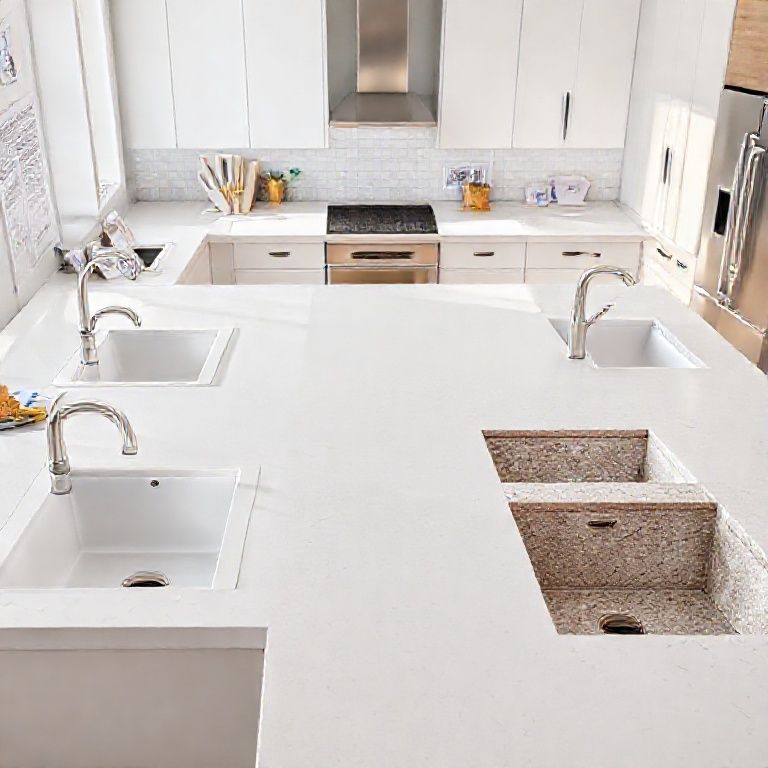
Artificial marble, also known as cultured marble or synthetic marble, is a composite material made primarily from a combination of resins, minerals, and pigments. It is often marketed as an eco-friendly and cost-effective alternative to natural stone. The process of creating artificial marble involves mixing and heating these materials until they bond together, forming a solid block that can be cut and shaped into various designs.
Common Health Risks
1. Formaldehyde Emissions
One of the most significant health risks associated with artificial marble is the release of formaldehyde. Formaldehyde is a volatile organic compound (VOC) used in the manufacturing process to bind the resins and minerals together. When exposed to heat, light, or moisture, formaldehyde can leach out of the artificial marble surface, leading to indoor air pollution.
Formaldehyde is a known carcinogen and can cause a range of acute and chronic health issues. Short-term exposure can lead to symptoms such as headaches, dizziness, and irritation of the eyes, nose, and throat. Long-term exposure has been linked to more severe health problems, including respiratory issues, skin allergies, and increased risk of cancer.
2. Heavy Metal Contamination
Artificial marble often contains heavy metals such as lead, cadmium, and chromium. These metals can seep into the material over time, especially if the product is not manufactured with high-quality standards. Heavy metal contamination poses a significant health risk, particularly to children and pregnant women.
Lead, for instance, is a neurotoxin that can cause developmental delays and cognitive impairments in children. Cadmium exposure can lead to kidney damage and bone fractures, while chromium can cause respiratory problems and skin irritations. The leaching of these metals into water and surfaces can create a hazardous environment, posing long-term health risks.
3. Respiratory Issues
The dust and particles generated during the cutting, drilling, or sanding of artificial marble can lead to respiratory problems. These particles often contain a mixture of resins, minerals, and potentially harmful chemicals. Inhaling these particles can cause respiratory irritation, exacerbating conditions like asthma and bronchitis.
Workers who handle artificial marble on a regular basis are at a higher risk, but homeowners and occupants of buildings with artificial marble installations are not exempt. Proper ventilation and protective equipment are essential to mitigate these risks.
4. Allergic Reactions
Some individuals may experience allergic reactions to the chemicals and additives used in artificial marble. These reactions can manifest as skin irritation, rashes, and other allergic symptoms. Given that artificial marble contains a variety of synthetic compounds, it can be a significant allergen for sensitive individuals.
5. Chemical Interactions
The chemicals used in artificial marble can interact with other household products, potentially leading to the release of hazardous fumes. For instance, the interaction between acidic cleaners and artificial marble can cause the release of toxic gases. This is a critical consideration for households with members who are prone to chemical sensitivities or respiratory issues.

Conclusion
While artificial marble offers numerous aesthetic and practical advantages, it is imperative to recognize the potential health hazards associated with its use. Formaldehyde emissions, heavy metal contamination, respiratory issues, allergic reactions, and chemical interactions all contribute to a concerning picture. As we move forward in the next part of this series, we will explore the environmental impact of artificial marble, further highlighting the need for informed decision-making in home renovation and design.
The Environmental Impact of Artificial Marble
Artificial marble, despite its widespread use and perceived benefits, presents significant environmental concerns that are often overlooked. In this second part, we will delve into the environmental impact of artificial marble, from its production process to its disposal, and compare it to more sustainable alternatives. Understanding these aspects is crucial for making environmentally conscious decisions in home renovation and design.
The Production Process
1. Resource Extraction
The production of artificial marble involves the extraction of various raw materials, including resins, minerals, and pigments. These materials often come from non-renewable sources, contributing to resource depletion. The extraction process can also lead to habitat destruction, pollution, and environmental degradation.
For instance, the production of resins typically involves petrochemicals, which are derived from finite fossil fuels. The extraction and processing of these materials contribute to greenhouse gas emissions, air and water pollution, and the depletion of non-renewable resources.
2. Energy Consumption
The manufacturing process of artificial marble is energy-intensive. It requires significant amounts of heat, pressure, and chemical treatments to bond the materials together. This high energy demand translates to substantial carbon emissions, contributing to the overall environmental footprint of the material.
3. Chemical Use
The production of artificial marble involves the use of numerous chemicals, including formaldehyde, which is a key component in the bonding process. The manufacturing facilities must adhere to strict regulations to manage the release of these chemicals into the environment. However, spills, leaks, and improper disposal can lead to significant environmental contamination.
Disposal and Recycling Challenges
1. Non-Biodegradability
Artificial marble is a non-biodegradable material. Unlike natural stone, which can decompose over time, artificial marble does not break down naturally. This means that when it reaches the end of its life cycle, it does not decompose, posing a challenge for waste management.
2. Recycling Difficulties
Recycling artificial marble is complex and not widely available. The composite nature of the material, with its mixture of resins, minerals, and pigments, makes it difficult to separate and recycle effectively. Most waste from artificial marble ends up in landfills, where it remains for hundreds of years, contributing to long-term environmental pollution.
3. Landfill Impact
When artificial marble is disposed of in landfills, it can leach harmful chemicals into the soil and groundwater. The release of formaldehyde, heavy metals, and other toxic substances can contaminate the environment, posing risks to both human health and wildlife.
Environmental Benefits of Natural Stone
1. Sustainability
Natural stone, such as marble, granite, and quartzite, is a more sustainable option compared to artificial marble. These materials are naturally occurring and can be sourced responsibly, ensuring that the extraction process has minimal impact on the environment.
2. Longevity and Durability
Natural stone is known for its durability and longevity. When properly maintained, natural stone countertops can last for decades, reducing the need for frequent replacements and minimizing waste.
3. Recyclability
Natural stone is more easily recyclable compared to artificial marble. The process of recycling natural stone is straightforward, as it involves breaking down the material into smaller pieces that can be reused in various applications.
4. Biodegradability
Unlike artificial marble, natural stone is biodegradable. At the end of its life cycle, natural stone can decompose naturally, reducing its environmental impact and contributing to a more sustainable lifecycle.
Alternatives to Artificial Marble
1. Sustainable Materials
There are several sustainable alternatives to artificial marble that offer both aesthetic appeal and environmental benefits. These include:
Recycled Stone: Made from recycled natural stone, this material offers a sustainable option that reduces waste and the demand for new raw materials. Cork: A renewable resource, cork is a durable and attractive alternative that has a low environmental impact. Bamboo: Known for its rapid growth and renewability, bamboo is a popular choice for eco-conscious consumers. Recycled Plastics: Some companies are developing countertops from recycled plastics, offering a sustainable option with a lower environmental footprint.
2. Eco-Friendly Practices
Choosing products that adhere to eco-friendly practices can significantly reduce the environmental impact. Look for materials that are:
Low in VOCs: Products with low volatile organic compound emissions contribute less to indoor air pollution. Cradle-to-Grave Certification: Materials that are certified for their entire lifecycle, from production to disposal, provide assurance of minimal environmental impact.
Conclusion
1. 循环经济
循环经济是一种旨在通过再利用、修复和再制造来延长产品生命周期的经济模式。这种模式的核心在于减少资源消耗和废物产生,从而降低对环境的影响。
再制造与修复:通过修复旧产品,我们可以减少对新资源的需求,同时降低废物处理成本。 回收利用:鼓励回收利用废旧材料,例如金属、玻璃、塑料等,这不仅可以减少原材料的开采,还能减少废物处理的压力。 设计为循环:设计产品时考虑其在生命周期结束后的处理方式,如易拆解、易回收等,这样可以大大简化回收和再利用过程。
2. 可再生能源
传统的化石燃料(如煤、石油和天然气)是不可再生资源,其使用对环境有严重影响。因此,转向可再生能源是应对气候变化和能源危机的重要途径。
太阳能:通过太阳能电池板将太阳光转化为电能,是最广泛应用的可再生能源之一。 风能:风力涡轮机可以将风能转化为电能,是另一种重要的可再生能源。 水力发电:利用水力转化为电能,是最早被利用的可再生能源之一。 生物能:通过生物质燃料(如农作物残余物、动物粪便等)来生产能源。
3. 碳中和
碳中和是指通过减少温室气体排放和吸收等方式,将人为排放的二氧化碳达到零的目标。实现碳中和需要多方面的努力:
减少排放:通过提高能源效率、转向可再生能源等方式减少温室气体排放。 碳捕集与封存(CCS):通过技术手段捕集工业过程中产生的二氧化碳并将其封存于地下,以避免其进入大气。 碳汇:通过植树造林和保护现有森林等方式,增加自然界中吸收二氧化碳的能力。
4. 废物管理
有效的废物管理是实现可持续发展的重要一环。
减少废物产生:通过改进生产工艺、推广节能减排技术等方式,减少废物产生。 回收再利用:建立完善的回收体系,使废物得到再利用,减少废物填埋和焚烧。 堆肥:将有机废物(如厨房垃圾)进行堆肥处理,转化为有机肥料,用于农业生产。
5. 水资源管理
水资源管理是保障人类健康和生态系统稳定的重要方面。
节约用水:通过技术改进和生活习惯改变,减少水的浪费。 污水处理:建设和完善污水处理设施,确保废水达标排放。 水资源保护:保护河流、湖泊和地下水资源,防止水体污染。
6. 政策与法规
政策和法规在推动可持续发展中起着至关重要的作用。
环保法规:制定和实施严格的环境保护法规,限制污染排放,鼓励可再生能源的使用。 激励措施:通过财政补贴、税收优惠等激励措施,鼓励企业和个人采取环保行动。 国际合作:全球环境问题需要国际社会共同应对,通过国际协议和合作,推动全球环境保护事业。