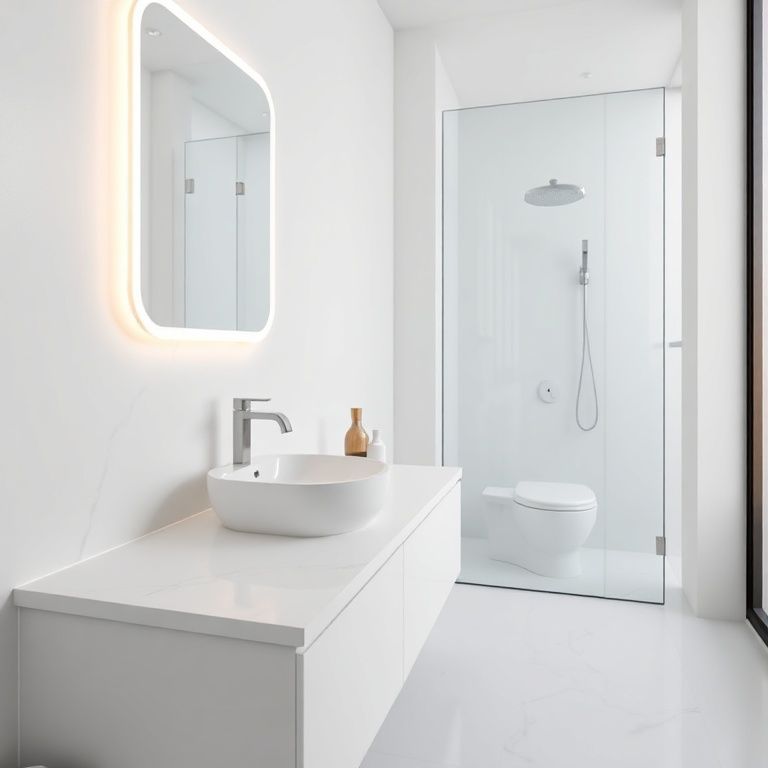
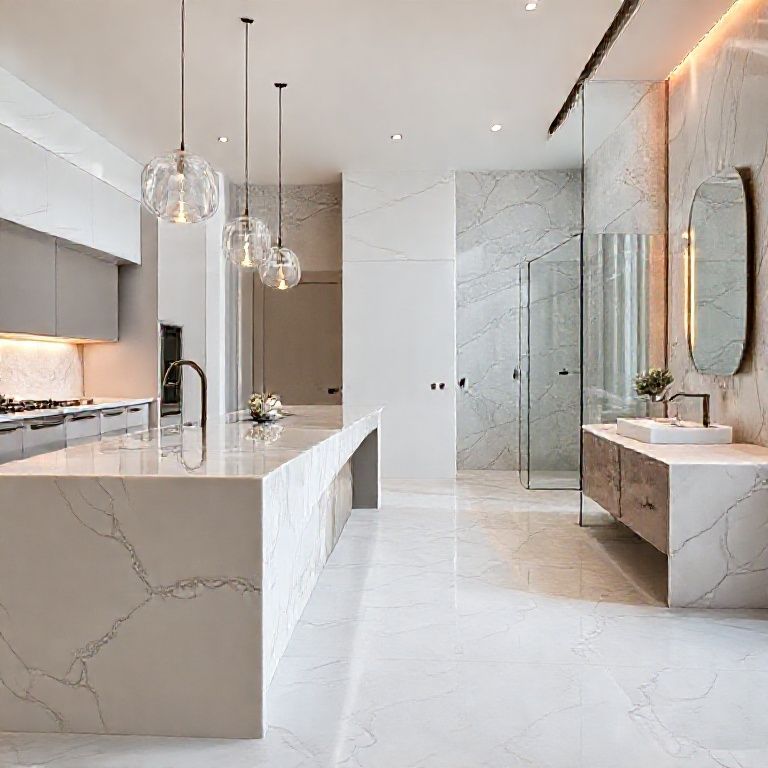
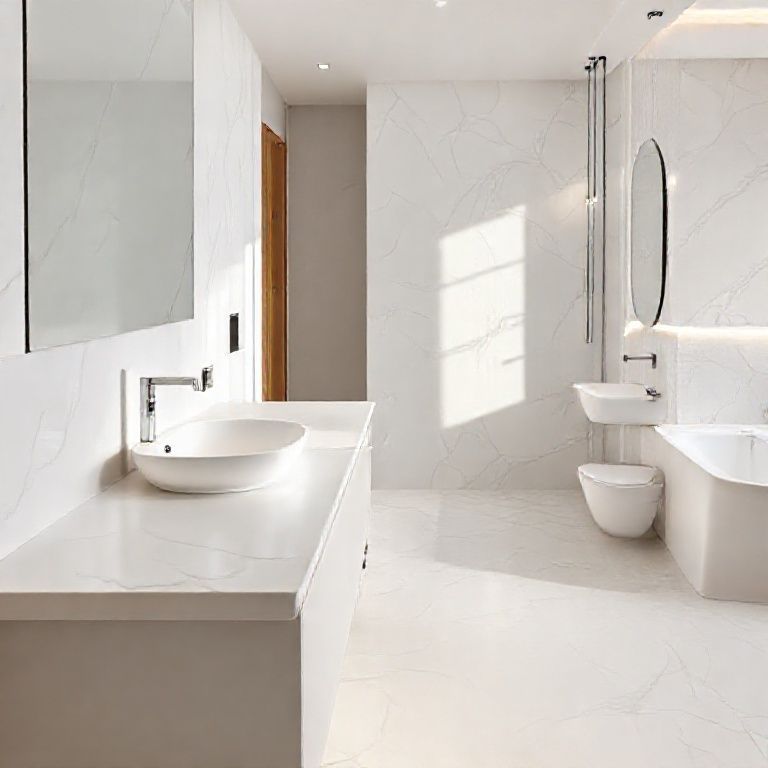
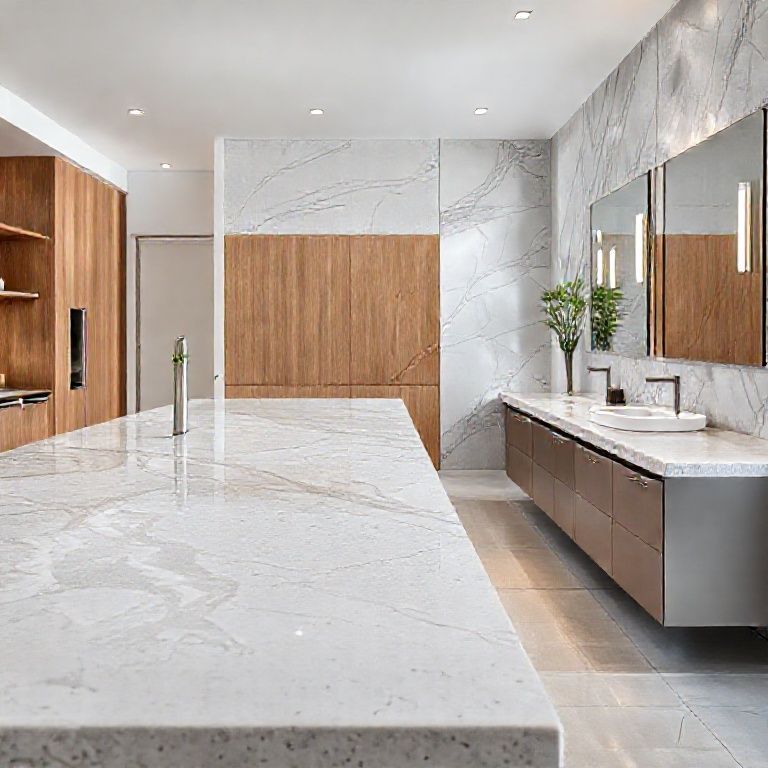
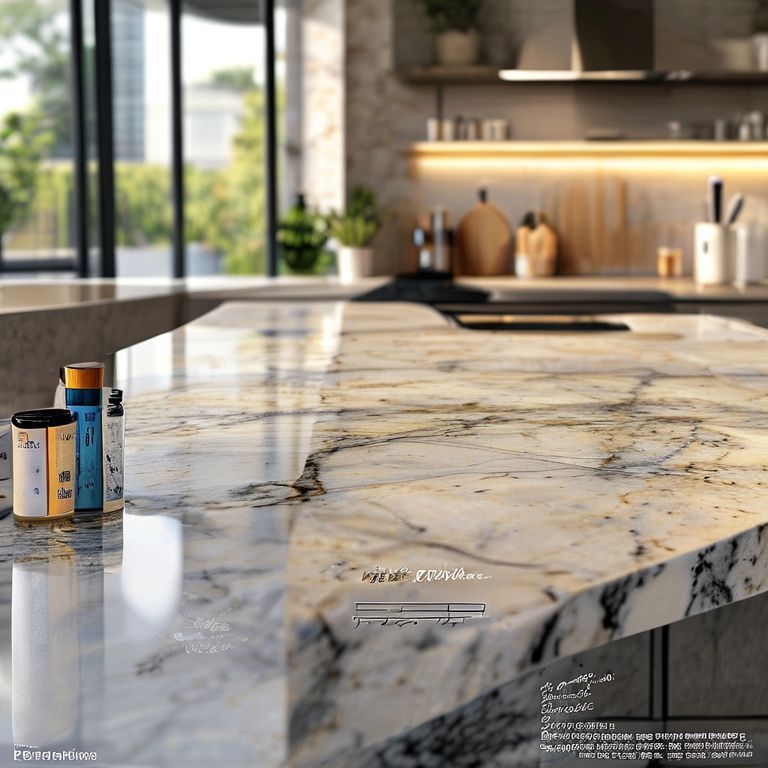
In this comprehensive exploration, we delve into the often-overlooked health risks associated with artificial marble. From its composition to its potential impact on human health, we’ll uncover why it’s best to steer clear. Join us as we demystify the myths and unveil the truth behind artificial marble.

artificial marble, health risks, human health, safety concerns, artificial stone, chemical composition, toxins, indoor air quality, environmental impact, synthetic stone, countertop dangers
The Composition and Health Concerns of Artificial Marble
Introduction to Artificial Marble
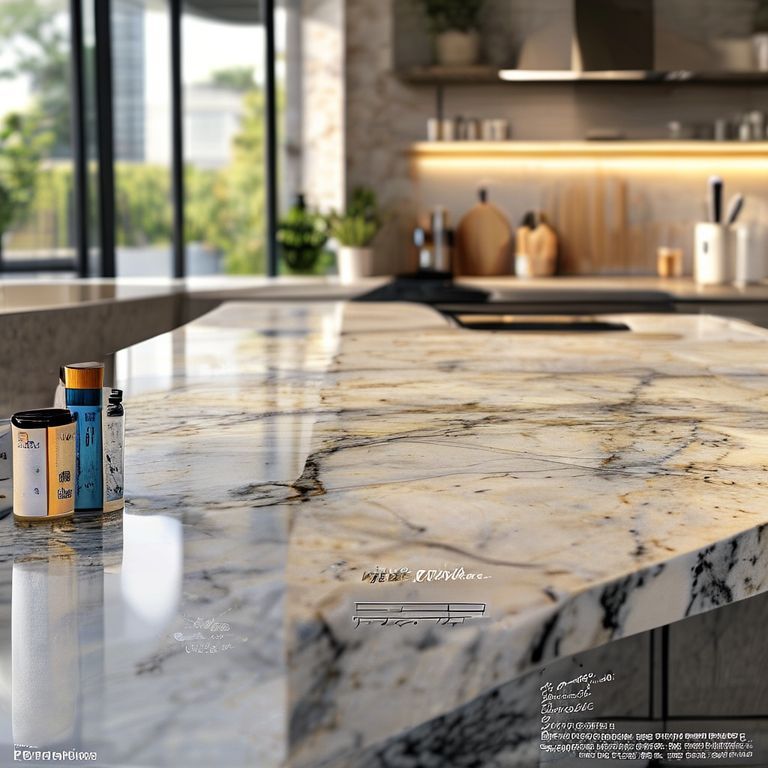
Artificial marble, often referred to as engineered stone or synthetic marble, has gained popularity in recent years due to its aesthetic appeal and durability. Its polished surface resembles the natural beauty of marble, making it a favored choice for countertops, sinks, and other decorative elements in homes and commercial spaces. However, beneath its alluring surface lies a potential threat to human health.
What is Artificial Marble Made Of?
Artificial marble is primarily composed of a combination of minerals, bonding agents, and pigments. The base material typically includes quartz, limestone, and other mineral powders that are fused together using high pressure and temperature. These ingredients are then bonded with resins or other synthetic polymers to form a stone-like surface. Despite its stone-like appearance, artificial marble is not a natural stone but a composite material.
The Chemical Makeup and Potential Toxins
One of the primary concerns with artificial marble is its chemical composition. The bonding agents used to fuse the mineral particles can release various chemicals into the surrounding environment. Some of these chemicals may include volatile organic compounds (VOCs), such as benzene, toluene, and formaldehyde. These substances are known to have adverse effects on human health.
Volatile Organic Compounds (VOCs)
VOCs are released during the manufacturing process and can linger in the air, contributing to indoor air pollution. Prolonged exposure to VOCs can lead to respiratory issues, headaches, dizziness, and in some cases, more severe health problems like liver and kidney damage. For individuals with pre-existing respiratory conditions, the effects can be particularly detrimental.
Heavy Metals
The minerals used in artificial marble may also contain trace amounts of heavy metals such as lead, arsenic, and cadmium. While these metals are present in small quantities, they can still pose a risk, especially when the material is cut, polished, or subjected to wear and tear. Over time, these metals can leach into surfaces and even water sources, raising concerns about long-term health effects.
Formaldehyde
Formaldehyde is a common component in the resins used to bond the minerals in artificial marble. It is a known carcinogen and can cause a range of health issues, including respiratory problems and skin irritation. Formaldehyde exposure is particularly concerning for individuals with sensitive respiratory systems or allergies.
Environmental Impact
Beyond the direct health risks to humans, the production and use of artificial marble also have environmental implications. The manufacturing process for artificial marble is energy-intensive and often involves the use of hazardous chemicals. The release of VOCs during production contributes to air pollution and can have a detrimental effect on the environment.
Additionally, the disposal of artificial marble at the end of its life cycle poses challenges. Unlike natural stone, which can often be recycled or repurposed, artificial marble is more difficult to recycle. This means that it contributes to landfill waste, further exacerbating environmental concerns.
Why You Should Avoid Artificial Marble
Given the potential health risks and environmental impact associated with artificial marble, it is essential to consider alternative materials that are both safer and more sustainable. Here are several reasons why you should avoid using artificial marble:
Health Risks: The release of VOCs, heavy metals, and formaldehyde can pose significant health risks, particularly for those with respiratory issues or allergies.
Indoor Air Quality: Poor indoor air quality is a growing concern in modern living spaces. Artificial marble can contribute to this problem by releasing harmful chemicals into the air.
Long-term Exposure: Continuous exposure to the chemicals in artificial marble can lead to chronic health problems, making it a less desirable choice for long-term use.
Environmental Impact: The production and disposal of artificial marble have negative effects on the environment, including air pollution and increased landfill waste.
Alternatives to Artificial Marble
For those seeking the aesthetic benefits of marble without the associated risks, there are several safer alternatives available:
Natural Marble: While it comes with its own set of maintenance challenges, natural marble is a durable and beautiful material that does not pose the same health risks as artificial marble.
Quartz Countertops: Quartz is a popular alternative to both natural and artificial marble. It is made from 93% quartz crystal and is known for its durability, low maintenance, and resistance to stains and scratches.
Granite: Another natural stone option, granite is highly durable and offers a variety of colors and patterns. It is also relatively low in VOCs compared to artificial materials.
Slate: Slate is a natural stone that is both durable and aesthetically pleasing. It is a good choice for those looking to avoid the potential health risks associated with artificial marble.
Long-Term Health Implications and Sustainable Choices
Long-Term Health Implications of Artificial Marble
The potential health risks associated with artificial marble extend beyond immediate exposure. Chronic exposure to the chemicals released by artificial marble can lead to a range of long-term health problems. Here’s a closer look at how prolonged contact with this material can impact your health.
Respiratory Issues
One of the most significant long-term health implications of artificial marble is respiratory issues. The VOCs released during manufacturing and over time can irritate the respiratory system, leading to conditions such as asthma, bronchitis, and other chronic respiratory diseases. This is particularly concerning for individuals who spend a lot of time in spaces where artificial marble is used, such as homes, offices, and schools.
Cancerous Substances
Certain chemicals used in the production of artificial marble, such as formaldehyde, are known carcinogens. Chronic exposure to these substances increases the risk of developing cancer. This risk is compounded by the fact that many people are exposed to these chemicals over extended periods, often without being aware of the danger.
Neurological Effects
Long-term exposure to the chemicals in artificial marble can also have neurological effects. Studies have linked prolonged exposure to VOCs with cognitive impairments, memory loss, and other neurological disorders. This is particularly concerning for children, whose developing brains are more susceptible to the harmful effects of these chemicals.
Hormonal Disruption
Some of the chemicals in artificial marble can act as endocrine disruptors, interfering with the body’s hormonal system. This can lead to a range of health issues, including reproductive problems, developmental disorders, and metabolic syndrome.
Sustainable and Safer Alternatives
In light of the long-term health risks associated with artificial marble, it’s important to explore sustainable and safer alternatives. Here are some options that not only protect your health but also have a lower environmental impact:
Natural Stone
Natural stone, such as marble, granite, and slate, is a sustainable choice that offers both durability and beauty. While natural stone requires more maintenance than some synthetic alternatives, it does not pose the same health risks and has a lower environmental impact.
Quartz Countertops
Quartz is a highly durable and low-maintenance material that offers a wide range of colors and patterns. It is made from 93% quartz crystal, making it virtually free of VOCs. Quartz countertops are also resistant to stains, scratches, and bacteria, making them an excellent choice for kitchens and bathrooms.
Sustainable Wood
For those who prefer a natural look, sustainable wood is an excellent alternative. Wood is a renewable resource when sourced responsibly, and it does not release harmful chemicals into the environment. While wood can be more susceptible to scratches and stains, it can be treated and maintained to ensure longevity.
Eco-Friendly Composites
There are also eco-friendly composites available that combine the durability of stone with the aesthetics of wood. These materials are made from sustainable sources and are free of harmful chemicals, making them a safer and more environmentally friendly choice.
The Role of Awareness and Education
Raising awareness about the health risks associated with artificial marble is crucial in promoting safer and more sustainable choices. Education can empower individuals to make informed decisions about the materials they use in their homes and workplaces.
Informed Choices
Understanding the potential health risks of artificial marble can help individuals make informed choices when selecting materials for their living spaces. By opting for natural stone, quartz, or other eco-friendly alternatives, individuals can protect their health and contribute to a healthier environment.
Advocacy for Safer Materials
Advocating for safer materials in construction and interior design is another important step. By supporting policies and practices that prioritize health and sustainability, we can create a safer and more sustainable future for everyone.
Research and Development
Finally, continued research and development in the field of material science can lead to the creation of safer and more sustainable alternatives. By investing in research, we can discover new materials that offer the best of both worlds – durability, beauty, and health.
Conclusion
The allure of artificial marble’s polished surface often overshadows the potential health risks associated with its use. From the release of volatile organic compounds to the presence of heavy metals and formaldehyde, artificial marble poses significant dangers to human health. Chronic exposure to these chemicals can lead to respiratory issues, cancer, neurological effects, and hormonal disruption.
健康管理和预防措施
在选择材料之前,我们可以采取一些措施来减少与人造大理石可能带来的健康风险。
通风和空气净化
为了减少人造大理石释放的有害化学物质,确保良好的通风非常重要。安装高效空气净化器,特别是那些具备活性炭过滤功能的设备,可以有效去除空气中的有害化学物质。
定期检测
在家中或工作环境中使用人造大理石材料时,定期进行空气质量检测,可以帮助及时发现和控制有害物质的浓度。
使用保护垫
在切割或加工人造大理石时,使用专门的保护垫和工具,可以减少粉尘和化学物质的释放。使用防护手套和口罩也是必要的。
环保和可持续发展
除了对健康的关注,环保和可持续发展也是我们应当考虑的重点。
选择可再生材料
选择由可再生资源制成的材料,例如可再生木材或其他环保材料,可以减少对环境的负面影响。
减少浪费
在使用建筑材料时,尽量精确测量和裁剪,以减少材料浪费。这不仅有助于环境,还能降低成本。
回收和再利用
尽量选择那些能够回收和再利用的材料。这样可以减少废弃物的产生,并降低新材料的生产对环境的影响。
法规和标准
建筑和室内设计行业逐渐认识到健康和环境问题的重要性,相关法规和标准也在逐步完善。
建筑法规
许多国家和地区已经开始制定并严格执行建筑材料的安全标准,这些标准旨在减少有害物质的释放。例如,欧盟的REACH法规就对化学物质的使用和管理提出了严格要求。
环保认证
选择那些通过环保认证的材料,如FSC(森林管理委员会)认证的木材或Cradle to Cradle认证的材料,可以确保所选材料在生产、使用和废弃过程中对环境的影响最小。
第三方检测
选择经过第三方检测和认证的材料,可以确保其在使用过程中不会对人体健康和环境造成伤害。
未来展望
随着科技的进步和环境意识的提高,未来建筑材料的发展方向将更加趋向于环保和健康。
创新材料
新型环保材料的研发将不断推进,这些材料不仅美观耐用,而且对人体和环境无害。例如,一些研究正在开发可生物降解的材料,这些材料在使用寿命结束后可以自然分解,不会对环境造成污染。
智能监测
智能家居技术的发展也将有助于实时监测室内空气质量,并根据检测结果调整通风系统和空气净化器的工作状态,从而保持室内环境的健康。
教育和宣传
教育和宣传在推动健康和环保材料使用方面也扮演着重要角色。通过提高公众对建筑材料健康影响的认识,我们可以共同努力,创造一个更加安全、健康和可持续的生活环境。