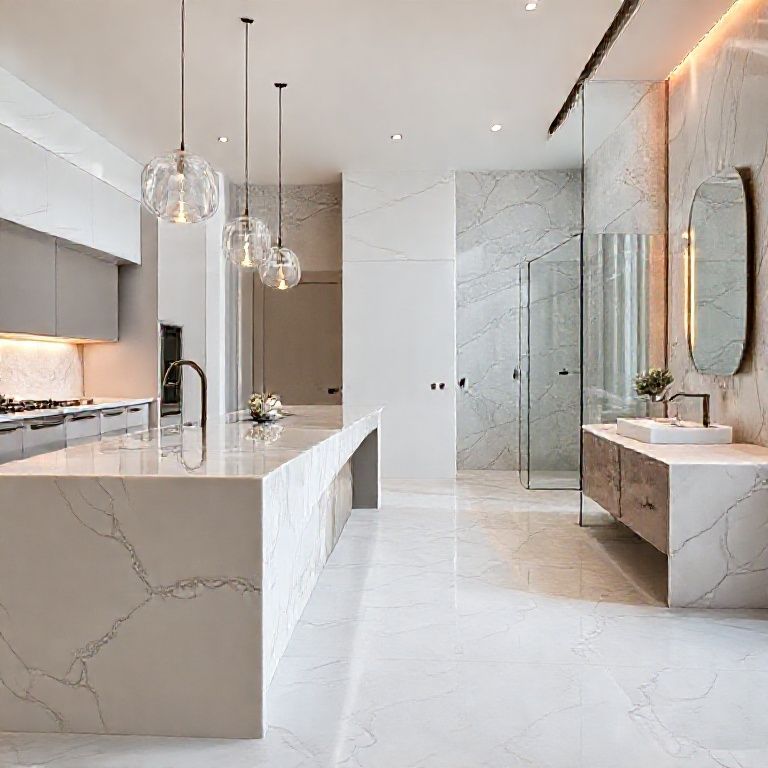
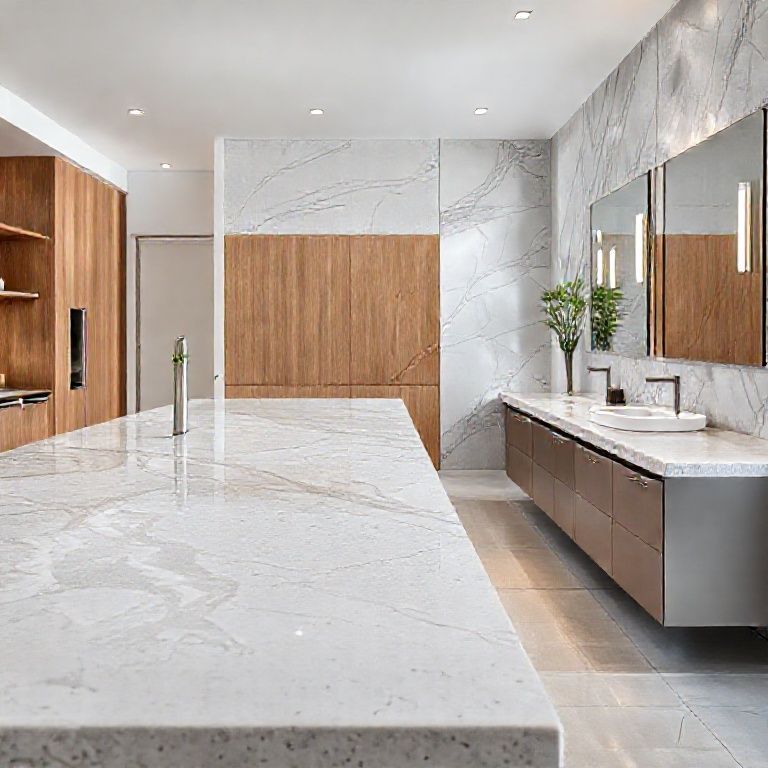
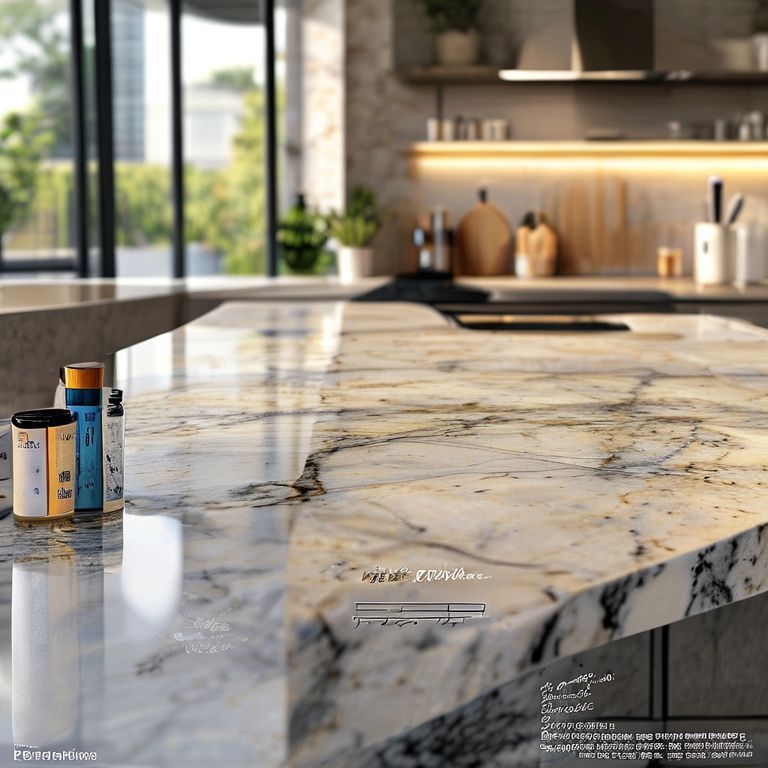
Unveiling the Health Hazards of Artificial Stone
Introduction: Artificial stone, often hailed for its durability and aesthetic appeal, has become a popular choice for countertops, sinks, and other surfaces in homes and workplaces. However, beneath this sleek exterior lies a series of potential health hazards that many users are unaware of. In this first part of our two-part series, we will explore the various health risks associated with artificial stone, shedding light on why it may not be as harmless as it seems.

1. Chemical Composition and Toxicity: Artificial stone is primarily composed of quartz aggregates bonded together using resins, often containing formaldehyde, phenol, and other volatile organic compounds (VOCs). These chemicals are used during the manufacturing process to bind the stone together and provide its characteristic strength.
Formaldehyde Exposure: Formaldehyde is a known carcinogen and a potent allergen. It can cause respiratory problems, skin irritation, and is linked to various forms of cancer. When artificial stone is cut, polished, or otherwise disturbed, it releases formaldehyde into the air. Prolonged exposure to this chemical can lead to chronic health issues, including leukemia and nasopharyngeal cancer.
Phenol and Other Hazardous Substances: Phenol, another chemical used in the bonding process, is also toxic. It can lead to skin burns, respiratory problems, and is harmful if ingested. The release of phenol into the environment and human body through artificial stone is another significant concern.
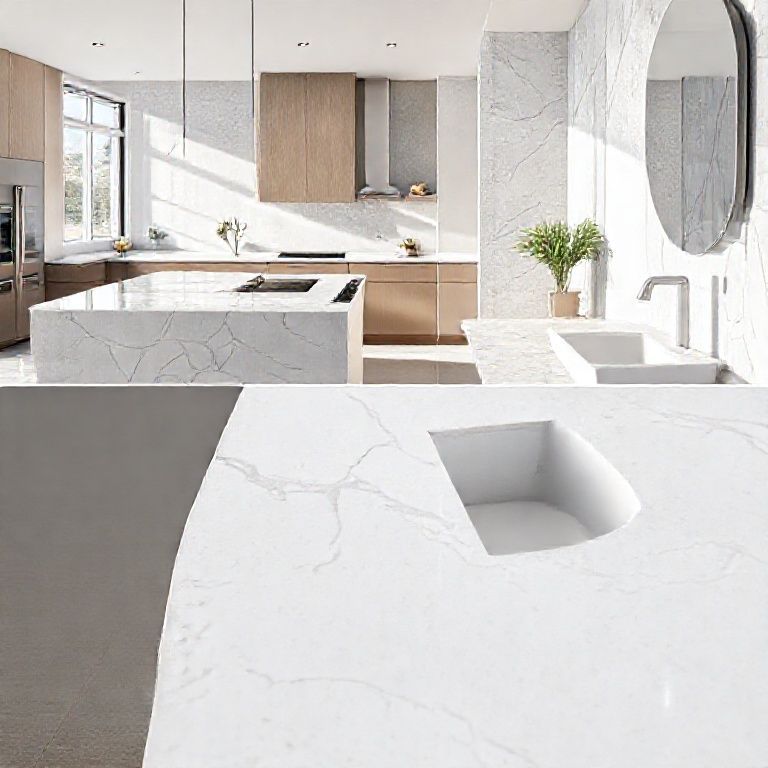
2. Respiratory Issues: The dust generated from cutting, sanding, or polishing artificial stone contains tiny particles of quartz, which can be inhaled. Quartz dust is a known cause of silicosis, a severe lung disease that can lead to chronic respiratory problems and even death. Workers in industries that handle artificial stone are particularly at risk, but homeowners and users are not exempt from potential harm.
3. Skin and Eye Irritation: Direct contact with artificial stone dust and its chemical components can cause skin and eye irritation. The fine particles can penetrate the skin, leading to dermatitis and other skin conditions. Moreover, exposure to the eyes can result in severe irritation, redness, and potential long-term damage.
4. Indoor Air Quality: Artificial stone is not a static material; it emits chemicals over time, contributing to indoor air pollution. Poor indoor air quality can exacerbate respiratory conditions, cause headaches, dizziness, and other symptoms of chemical exposure. Over time, the accumulation of VOCs in indoor spaces can lead to a toxic environment that poses long-term health risks.
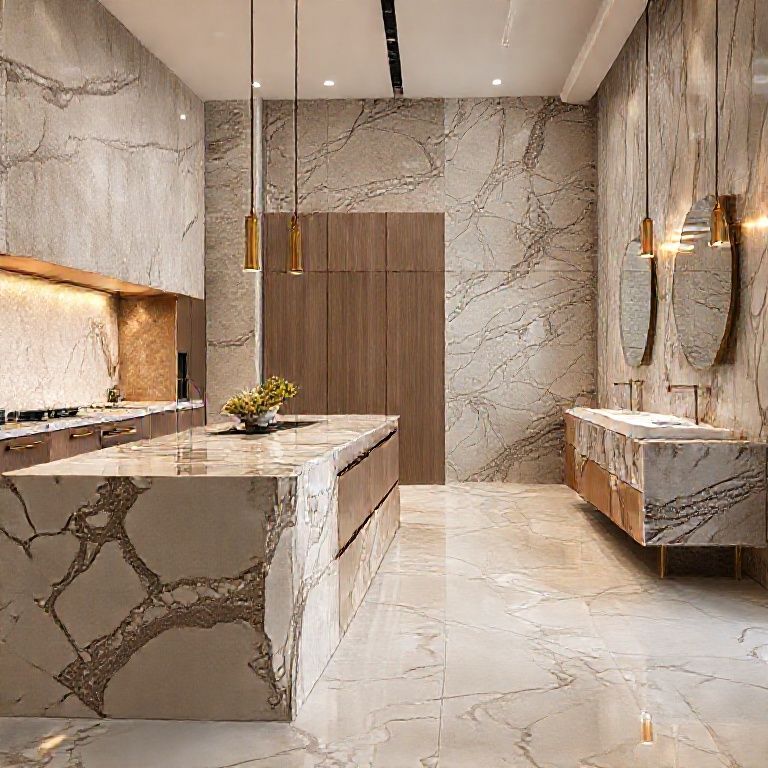
5. Long-term Health Effects: While immediate exposure to artificial stone dust and chemicals can cause acute health issues, long-term exposure poses even greater risks. Chronic exposure to formaldehyde and other hazardous substances can lead to serious health conditions such as cancer, respiratory diseases, and organ damage. The latency period for many of these diseases means that individuals may not realize the harm until years after initial exposure.
Conclusion: The health risks associated with artificial stone are significant and multifaceted. From the release of toxic chemicals to the potential for respiratory and skin issues, the dangers of this material extend far beyond its aesthetic appeal. In the next part of this series, we will explore the environmental impact of artificial stone and discuss viable alternatives that may offer a safer and more sustainable option for your home and workspace.
Environmental Impact and Safer Alternatives
Introduction: Artificial stone, despite its widespread use, poses significant environmental challenges. In this second part of our series, we will examine the environmental impact of artificial stone and explore safer, more sustainable alternatives. By understanding these factors, you can make more informed decisions that benefit both your health and the planet.
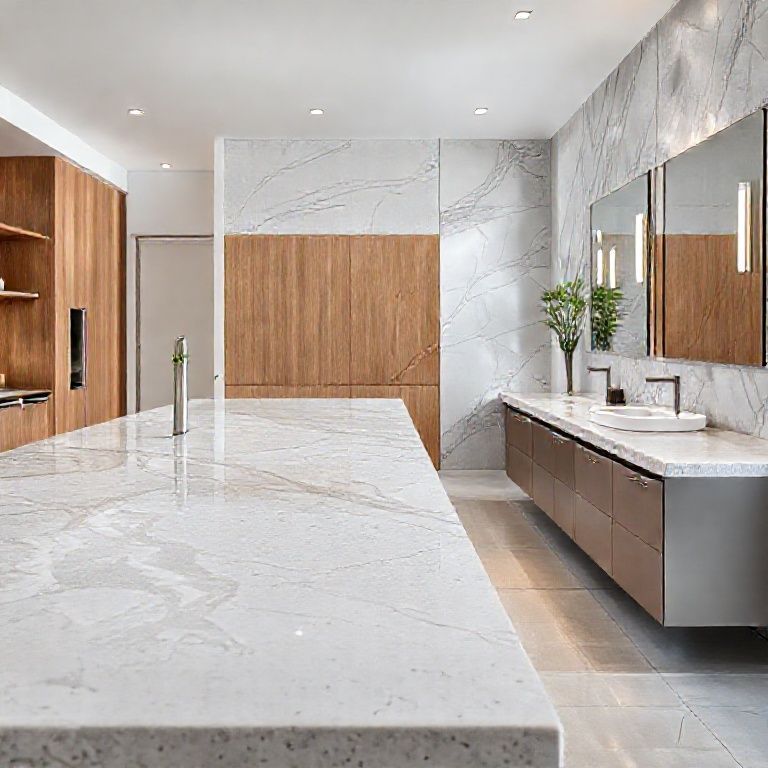
1. Manufacturing Process: The production of artificial stone involves several environmentally harmful processes. The bonding agents used, such as resins and adhesives, often contain hazardous chemicals that are not only harmful to human health but also detrimental to the environment.
Chemical Waste: The manufacturing process generates significant chemical waste, which often ends up in landfills or is improperly disposed of in water systems. This waste can leach into the soil and water, leading to contamination and long-term ecological damage.
Energy Consumption: The production of artificial stone requires substantial energy, primarily from non-renewable sources. This high energy consumption contributes to greenhouse gas emissions and exacerbates climate change.
2. Resource Depletion: Artificial stone relies on quartz and other raw materials that are extracted from the earth. While quartz is abundant, the extraction process is not without its environmental costs.
Mining Impact: The mining of quartz and other materials disrupts local ecosystems, leading to habitat destruction, soil erosion, and water pollution. The extraction process often involves the use of harmful chemicals, further degrading the environment.
Sustainable Resource Use: Unlike natural stone, which can be harvested more sustainably, the demand for artificial stone leads to increased mining activities, which are often conducted in environmentally sensitive areas.
3. End-of-Life Disposal: The disposal of artificial stone at the end of its life cycle poses additional environmental challenges. Unlike natural stone, which can often be recycled or repurposed, artificial stone is not biodegradable.
Landfill Contribution: When artificial stone is discarded, it ends up in landfills, where it can take hundreds of years to decompose. The release of trapped chemicals into the landfill can further contaminate the environment.
Recycling Challenges: Recycling artificial stone is not economically feasible or widely practiced. The complex composition of artificial stone makes it difficult to separate and recycle effectively, leading to increased waste.
4. Comparative Sustainability: When considering the environmental impact of artificial stone, it is essential to compare it with more sustainable alternatives.
Natural Stone: Natural stone, such as granite, marble, and limestone, offers a more sustainable option. While mining is still required, the environmental impact can be mitigated through responsible mining practices and the use of renewable resources.
Sustainable Alternatives: There are several sustainable alternatives to artificial stone that offer durability and beauty without the associated risks. These include:
Recycled Stone: Stone that is reclaimed from demolished buildings or other sources can be repurposed into new countertops and surfaces.
Eco-Friendly Composites: Newer materials, such as recycled glass and other composites, offer a blend of durability and sustainability. These materials are often manufactured with lower environmental impact and can be designed to mimic the appearance of stone.
Bamboo and Wood: Bamboo and sustainably sourced wood can provide beautiful, durable surfaces with a much lower environmental footprint. These materials are renewable and can be harvested without significant ecological disruption.
5. Making Informed Choices: Understanding the environmental and health risks of artificial stone empowers you to make more informed choices about your home and workspace.
Research and Education: Take the time to research the materials you are considering. Understanding the manufacturing processes, environmental impacts, and health risks can help you make better decisions.
Consult Experts: When in doubt, consult with experts in sustainable materials and health professionals. They can provide guidance on the safest and most environmentally friendly options.
Support Sustainable Practices: Choose materials that are produced and sourced in a way that minimizes environmental impact and promotes sustainability.
Conclusion: The environmental impact of artificial stone is significant, from the harmful chemicals used in its production to the waste generated during its disposal. By exploring sustainable alternatives, such as natural stone and eco-friendly composites, you can make choices that benefit both your health and the planet. In a world where sustainability is becoming increasingly important, making informed decisions about the materials we use is crucial for a healthier and more sustainable future.
By understanding the hidden dangers of artificial stone, both in terms of health hazards and environmental impact, you can make more informed decisions that prioritize your well-being and the health of our planet.