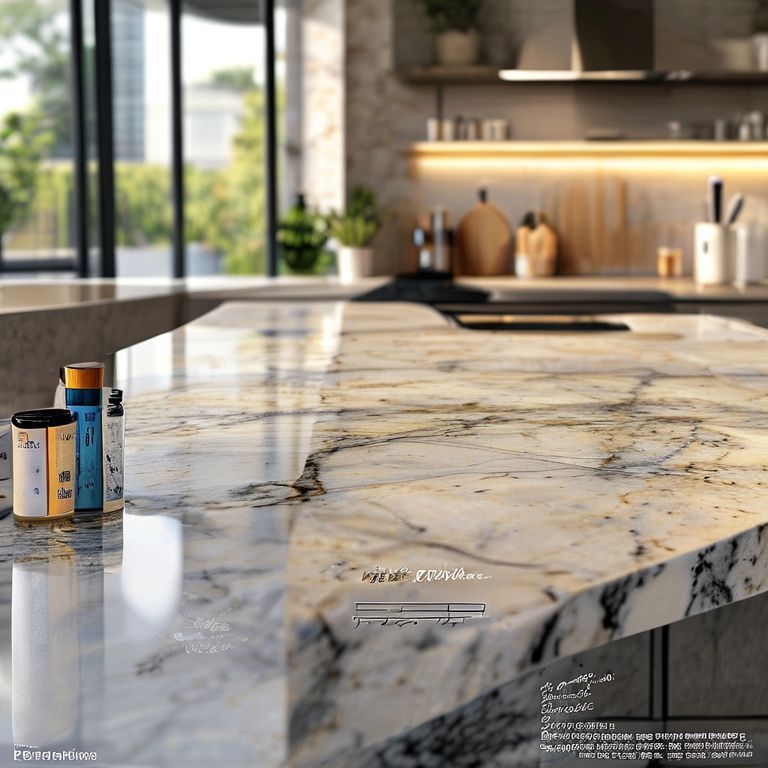
Unveiling the Synthetic Marble Mystery
In the modern world of interior design, synthetic marble has emerged as a favored choice for its aesthetic appeal and durability. Often heralded as a cost-effective alternative to natural stone, synthetic marble is used extensively in countertops, sinks, and decorative elements. However, beneath its shiny veneer lies a spectrum of concerns that warrant closer scrutiny. In this first part of our exploration, we will delve into the composition, production processes, and potential health risks associated with synthetic marble.

Composition and Production Processes
Synthetic marble is primarily composed of a mixture of mineral fillers, resins, and pigments that are meticulously combined to replicate the look of natural marble. The process begins with the selection of high-quality mineral fillers such as calcite, talc, and dolomite, which are then blended with polymer resins and dyes to create a composite material. This mixture is subjected to high pressure and temperature to form a solid block that mimics the intricate veining and patterns found in natural marble.
While this manufacturing process results in a product that is visually striking and relatively inexpensive, it also introduces potential risks. The use of resins and dyes in synthetic marble raises questions about the types of chemicals involved and their potential impact on both the environment and human health.
Chemical Exposure and Indoor Air Quality
One of the most significant concerns with synthetic marble is the release of volatile organic compounds (VOCs). During the manufacturing and installation process, these compounds can off-gas into the surrounding air, contributing to indoor air quality issues. VOCs are known to have various adverse health effects, ranging from mild irritation to more severe respiratory problems and even long-term effects like cancer.
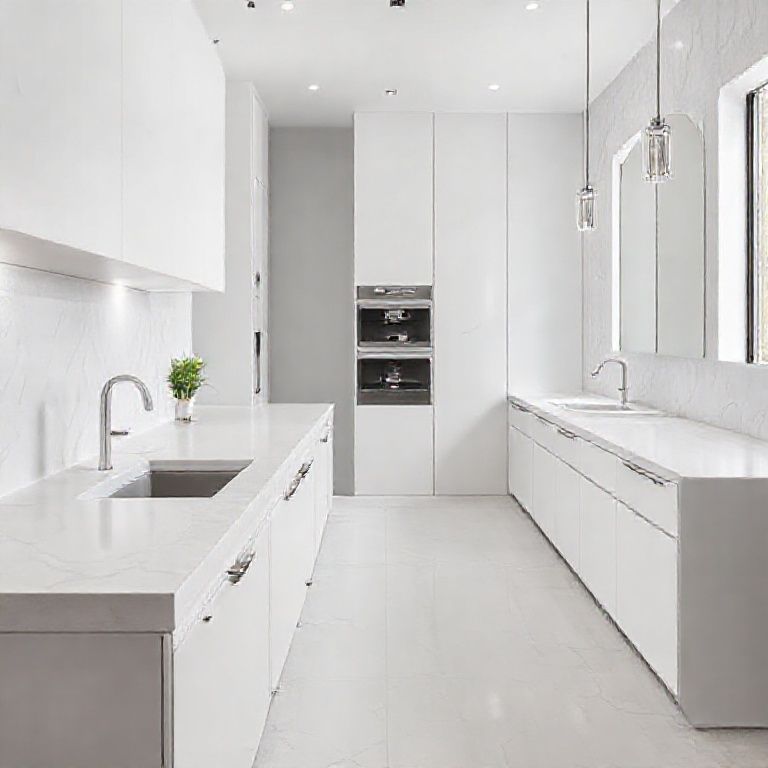
The primary sources of VOCs in synthetic marble include the resins used to bind the mineral fillers and the dyes that provide its color. These chemicals can volatilize during the curing process and remain in the air for extended periods, posing a continuous exposure risk to occupants.
Health Risks
The health risks associated with synthetic marble are multifaceted. Let’s break down some of the primary concerns:
Respiratory Issues: VOCs released from synthetic marble can irritate the respiratory tract, leading to symptoms such as coughing, wheezing, and shortness of breath. Prolonged exposure may exacerbate pre-existing conditions like asthma.
Skin Reactions: Direct contact with synthetic marble surfaces can cause skin irritation, especially in individuals with sensitive skin or allergies. The chemicals in the resins and dyes can lead to dermatitis or other skin conditions.
Carcinogenic Potential: Some of the chemicals used in synthetic marble production are classified as potential carcinogens. Long-term exposure to these substances may increase the risk of developing cancer, although more research is needed to establish definitive links.
Developmental and Reproductive Toxicity: Emerging studies suggest that certain VOCs may have developmental and reproductive effects. Pregnant women, in particular, may want to consider the potential risks associated with prolonged exposure to synthetic marble.
Regulatory Oversight and Safety Standards
Given these concerns, it’s important to understand the regulatory framework surrounding synthetic marble. While there are no specific regulations solely targeting synthetic marble, it falls under broader guidelines for construction materials and indoor air quality. Agencies like the Environmental Protection Agency (EPA) in the United States and the European Chemicals Agency (ECHA) in Europe set guidelines for VOC emissions and other hazardous substances in building materials.
Manufacturers of synthetic marble are increasingly adopting safety standards to mitigate these risks. Look for products that are certified by recognized organizations such as GREENGUARD or Cradle to Cradle, which indicate lower levels of VOCs and a commitment to safer production practices.
Conclusion of Part 1
While synthetic marble offers undeniable aesthetic benefits and practical advantages in terms of cost and maintenance, it’s crucial to weigh these against the potential health and environmental risks. Understanding the composition and production processes, along with the associated chemical exposures, provides a clearer picture of what you are bringing into your home. In the next part, we will further explore alternative materials, safer practices, and how to make informed choices to ensure a healthier living environment.
Safer Alternatives and Practical Strategies
As we continue our examination of synthetic marble, it’s imperative to explore safer alternatives and practical strategies for mitigating its potential hazards. This second part will focus on natural stone options, safer installation practices, and methods to enhance indoor air quality, providing you with the knowledge to make informed decisions that prioritize your health and well-being.
Natural Stone Alternatives
Natural stone has long been revered for its timeless beauty and durability. Unlike synthetic marble, natural stone is formed over millions of years through geological processes, resulting in a unique and organic material that offers both aesthetic and health benefits.
Marble: Genuine marble is composed of calcite and is renowned for its elegant veining and texture. While it can be more expensive than synthetic alternatives, it is a durable and natural material that does not emit harmful chemicals. Marble is also hypoallergenic and easy to clean, making it a superior choice for those concerned about indoor air quality.
Granite: Granite is a robust and versatile stone that comes in a variety of colors and patterns. It is formed from a mixture of quartz, feldspar, and mica, and is celebrated for its strength and longevity. Like marble, granite does not contain the synthetic chemicals found in synthetic marble, making it a healthier option.
Quartzite: Quartzite is a metamorphic rock that combines the durability of granite with the aesthetic appeal of marble. It is composed mainly of silica and is resistant to stains and scratches, offering a beautiful and long-lasting surface. Importantly, quartzite does not emit harmful VOCs.
Safer Installation Practices
When choosing to install natural stone, there are several practices you can follow to ensure a safer and more environmentally friendly process:
Choose Certified Suppliers: Opt for suppliers that adhere to strict safety standards and provide materials that are certified for low VOC emissions. Certifications like GREENGUARD Gold indicate that the products meet stringent environmental and health criteria.
Proper Ventilation: During installation, ensure that the work area is well-ventilated to minimize the buildup of any airborne particles or fumes. Opening windows and using exhaust fans can help disperse any emissions.
Protective Equipment: Always use protective gear such as masks, gloves, and goggles during installation to safeguard against any potential exposure to dust or chemicals.
Post-Installation Cleaning: After installation, thoroughly clean the surface with water and mild soap to remove any residual particles or chemicals. Avoid using harsh cleaners that could introduce additional pollutants.
Improving Indoor Air Quality
Improving indoor air quality is crucial for maintaining a healthy living environment, especially when using synthetic marble. Here are several strategies to enhance air quality:
Air Purifiers: Invest in high-quality air purifiers with HEPA filters to capture fine particles and reduce indoor pollutants. Place purifiers in areas where synthetic marble is used to maximize their effectiveness.
Ventilation: Ensure that your home has adequate ventilation. Regularly open windows to allow fresh air to circulate, especially during and after installation of synthetic marble.
Plants: Incorporate indoor plants that are known to improve air quality by absorbing pollutants. Plants like spider plants, peace lilies, and snake plants can help filter out harmful substances from the air.
Humidifiers: Maintain indoor humidity levels between 30-50% to prevent the buildup of dust and allergens. Dry air can exacerbate indoor air quality issues, so a humidifier can be a useful addition.
Deodorizers: Use natural deodorizers like essential oil diffusers or baking soda to neutralize odors without introducing additional chemicals into the air.
Conclusion of Part 2
By understanding the potential hazards of synthetic marble and exploring safer alternatives and practices, you can make informed decisions that prioritize both the beauty and health of your home. Natural stone offers a more environmentally friendly and safer option, while mindful installation practices and strategies to improve indoor air quality can mitigate any residual risks associated with synthetic materials. Ultimately, creating a sanctuary of health and well-being starts with the materials you choose and the care you take in their installation and maintenance.
In conclusion, while synthetic marble has its advantages, being aware of its potential risks and taking proactive measures to minimize exposure can help ensure a healthier living environment. By opting for natural stone and employing safer practices, you can enjoy the beauty and durability of high-quality materials without compromising your health.