The Hidden Downside of Cheap Marble: Unveiling the Truth Behind Cost-Effective Choices
When it comes to interior design, marble is often the material of choice for those seeking to add a touch of opulence and sophistication. Its natural beauty, coupled with a timeless appeal, makes it a popular choice for countertops, flooring, and decorative elements. However, in the quest to find cost-effective solutions, many are tempted to opt for cheaper alternatives, which can often lead to unforeseen consequences. Here, we explore the hidden downsides of choosing cheap marble, unraveling the truth behind these seemingly cost-effective choices.

A Question of Quality
One of the primary concerns with cheap marble is its quality. Marble is a natural stone, and its appearance can vary widely depending on its source and processing. When you choose low-cost marble, you’re often compromising on the quality of the stone itself. This can manifest in several ways:
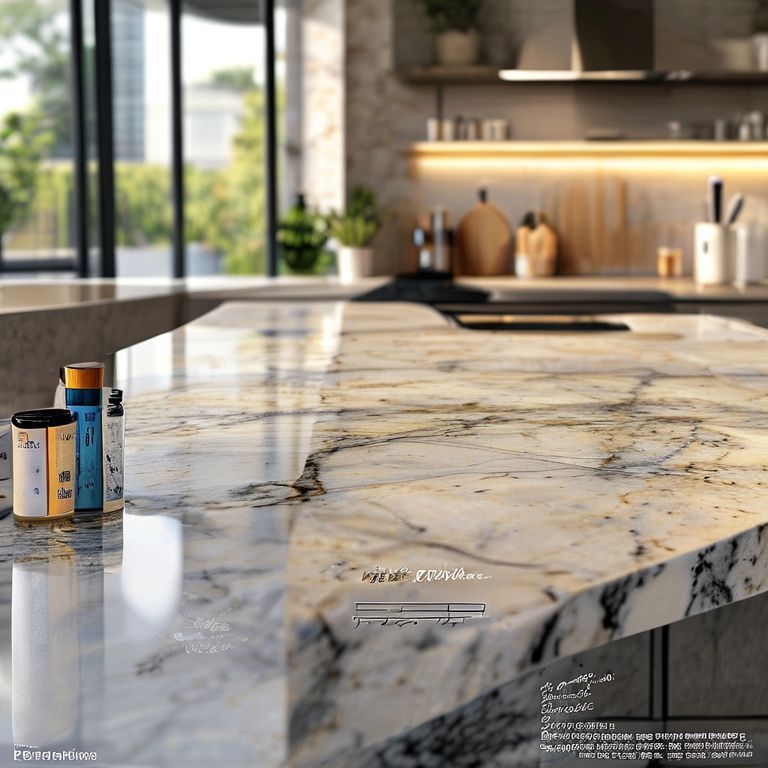
Inconsistent Appearance: Cheap marble often has inconsistent veining and color variations, making it less visually appealing. The natural beauty of marble lies in its unique patterns and colors, which are often lost in cheaper imitations.
Lower Density: Quality marble is denser and more uniform, which contributes to its durability. Cheaper versions tend to be less dense, making them more prone to scratches, chips, and other forms of damage.
Durability Concerns
While durability is a critical factor in any material chosen for interior design, cheap marble often falls short in this area. Here’s why:
Increased Wear and Tear: Due to its lower density and inconsistent quality, cheap marble is more susceptible to wear and tear. Daily use can lead to visible scratches and chips, which can detract from the overall aesthetic of your space.
Ease of Damage: The surface of cheap marble is less resistant to impacts, making it more prone to damage from everyday activities. This can be particularly problematic in high-traffic areas where durability is paramount.
Maintenance Challenges
Marble, regardless of its cost, requires careful maintenance to maintain its beauty and longevity. However, the maintenance needs of cheap marble can be particularly demanding:
Stains and Residue: Cheap marble is often more porous, meaning it can absorb stains and residues more easily. This makes cleaning and maintenance more challenging, as spills and stains can become permanent without proper care.
Etching: Over time, cheap marble can suffer from etching, where the surface becomes dull and pitted due to improper cleaning and maintenance. This not only affects the appearance but also the structural integrity of the marble.
Environmental and Ethical Considerations
Choosing cheaper materials often comes with additional environmental and ethical implications:
Sustainable Practices: Higher-quality marble is typically sourced from more sustainable quarries that follow environmentally friendly practices. Cheap marble, on the other hand, may come from less regulated sources, which can have a detrimental impact on the environment.
Ethical Sourcing: The marble industry can sometimes be associated with unethical labor practices. Opting for cheaper marble may inadvertently support suppliers who do not adhere to fair labor standards, making it essential to research the sourcing of your materials.
Alternatives to Cheap Marble
While the allure of cost-effective solutions is strong, it’s important to consider alternatives that balance affordability with quality:
Synthetic Stone: A viable alternative to marble is synthetic stone, which can offer the aesthetic appeal of marble at a lower cost while maintaining durability and low maintenance requirements.
Engineered Stone: Engineered stone combines the best qualities of natural stone with the affordability of synthetic materials. It’s a durable, low-maintenance option that can mimic the look of marble without the high price tag.
Conclusion
In the world of interior design, the choice between cheap marble and higher-quality alternatives can significantly impact the overall aesthetic and longevity of your space. While the temptation to opt for cost-effective solutions is understandable, the hidden downsides of cheap marble often outweigh the initial savings. From durability and maintenance challenges to environmental and ethical concerns, it’s clear that investing in quality can offer long-term benefits that far exceed the upfront cost.
The Hidden Downside of Cheap Marble: Unveiling the Truth Behind Cost-Effective Choices
Continuing our exploration into the hidden downsides of choosing cheap marble, this second part delves deeper into the long-term implications and practical considerations that come with cost-cutting on marble. By understanding these factors, you can make more informed decisions that enhance both the beauty and functionality of your interior spaces.
Long-Term Cost Implications
One of the most significant downsides of opting for cheap marble is the long-term cost implications. While the initial savings might seem attractive, the hidden expenses often associated with cheaper materials can add up quickly:
Repair and Replacement Costs: Due to its lower durability, cheap marble will likely require more frequent repairs or replacement. This not only involves the cost of the materials but also the labor involved in making the repairs, which can be substantial.
Renovation Costs: Over time, the wear and tear on cheap marble can necessitate more extensive renovations. This could mean removing and replacing entire sections of marble, leading to higher costs and inconvenience.
Aesthetic Limitations
The aesthetic appeal of marble is a major factor in its popularity, but cheap marble often falls short in this department:
Inconsistent Patterns: As mentioned earlier, cheap marble tends to have inconsistent veining and color variations. This can lead to an uneven appearance that detracts from the overall design of your space.
Uniformity Issues: High-quality marble offers a level of uniformity that cheap alternatives lack. This inconsistency can create visual discrepancies, especially in large installations, where the imperfections become more noticeable.
Surface and Texture Issues
The surface and texture of marble play a crucial role in its functionality and aesthetic appeal. Cheap marble often suffers from several surface and texture issues:
Porosity: Cheap marble is more porous, which means it can absorb liquids and stains more easily. This not only makes it more challenging to clean but can also lead to permanent damage over time.
Surface Finish: The surface finish of cheap marble is often less refined. This can result in a rough or uneven texture, which may look unsightly and can harbor dirt and grime more easily.
Chemical Resistance
Another critical factor to consider is the chemical resistance of marble:
Etching and Discoloration: Cheap marble is less resistant to acids and other chemicals commonly found in household cleaners and cooking. This can lead to etching and discoloration, further reducing the marble’s aesthetic appeal and structural integrity.
Long-Term Damage: Over time, the repeated application of chemicals to cheap marble can cause long-term damage, making it more prone to deterioration and requiring more frequent maintenance or replacement.
Maintenance and Cleaning
Maintaining and cleaning marble, regardless of its cost, is essential to preserving its beauty and longevity. However, cheap marble often requires more meticulous care:
Specialized Cleaning Products: Due to its porous nature, cheap marble may require specialized cleaning products to avoid etching and discoloration. This adds an extra layer of complexity to the cleaning process.
Frequent Cleaning: The porous nature of cheap marble means it will likely need more frequent cleaning to prevent stains and residues from becoming permanent. This can become a time-consuming and frustrating task.
Environmental Impact
The environmental impact of your choices in interior design is increasingly important, and cheap marble often has a less favorable footprint:
Waste Generation: The production and disposal of cheap marble can generate significant waste. This includes not only the marble itself but also the additional materials and labor required for repairs and replacements.
Resource Extraction: The extraction of lower-quality marble often involves more extensive and less regulated quarrying practices, which can have a detrimental impact on local ecosystems and communities.
Making Informed Choices
In light of these considerations, it’s crucial to make informed choices when selecting materials for your interior design projects. Here are some steps to help you navigate the complexities of choosing marble:
Research Quality Sources: Invest time in researching marble suppliers who adhere to high-quality standards and sustainable practices. This can help ensure that you’re getting a product that offers both beauty and durability.
Consider Alternatives: Explore alternatives such as synthetic and engineered stones, which can offer the aesthetic appeal of marble without the associated downsides of cheap natural stone.
Consult with Professionals: Working with experienced interior designers or architects can provide valuable insights into the best materials for your specific needs. They can help you make informed decisions that balance cost, quality, and aesthetics.
Conclusion
The allure of cheap marble is understandable, especially in the quest for cost-effective solutions. However, the hidden downsides of choosing low-quality marble can lead to significant long-term costs, aesthetic limitations, and maintenance challenges. By understanding these factors and making informed choices, you can create beautiful, durable, and functional interior spaces that stand the test of time. Investing in quality,继续探讨如何在选择和使用大理石时做出更明智的决定,可以从以下几个方面入手:
1. 了解大理石的类型和特性: 不同种类的大理石在质量、耐用性和美观性上有很大的差异。例如,白色卡拉拉大理石因其高耐刮擦性和美观性而广受欢迎,而红色桑卡拉大理石则因其独特的红色花纹和高耐候性而备受青睐。了解这些特性可以帮助你选择最适合你需求和预算的大理石。
2. 考虑预算与性价比: 在决定采购大理石时,要综合考虑预算和性价比。虽然便宜的大理石看似成本更低,但它们可能在长期使用中需要更频繁的维护和更多的维修,这实际上可能导致更高的总成本。因此,平衡短期和长期的开支是非常重要的。
3. 检查供应商和认证: 选择信誉良好的供应商和制造商非常重要。优质的大理石通常来自知名的采石场,这些采石场采用严格的质量控制和可持续采石方法。检查供应商是否提供认证和保修,以确保你所购买的大理石是高质量的。
4. 了解安装和维护: 优质大理石需要专业的安装和定期的维护。不正确的安装方法可能导致未来的损坏和溢出问题。定期清洁和保养可以延长大理石的使用寿命,防止污渍和损坏。了解这些维护需求可以帮助你预算相关费用。
5. 环保与可持续性: 现代设计越来越注重环保和可持续性。选择经过环保认证的大理石,或者支持可持续采石的品牌,不仅有助于环境,还能为你的项目增添绿色和可持续的标签。
6. 个性化设计: 大理石的自然纹理和颜色可以根据你的设计需求进行个性化定制。无论是定制的台面、地板还是装饰性的墙面,都可以通过专业设计师和工匠的帮助实现你独特的美学愿景。
7. 现场样品和试验: 在最终决定之前,最好能够查看实际的大理石样品,了解其触感、颜色和纹理。一些供应商提供现场样品,可以帮助你在实际环境中评估大理石的外观和质量。
8. 客户评价和案例研究: 查看其他客户的评价和案例研究,可以为你提供更多关于特定大理石品牌或类型的信息。这些真实的反馈可以帮助你做出更有依据的决定。
通过综合考虑这些因素,你将能够更好地评估不同选择的优缺点,从而在选择大理石时做出更明智的决策,确保你的项目既美观又经济实惠。