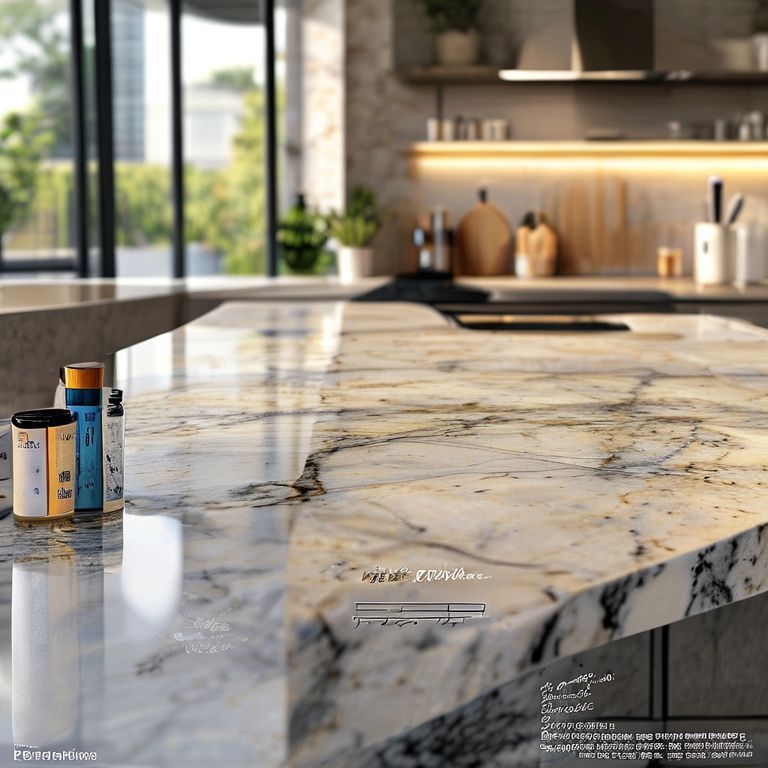
The Hidden Downsides and Hazards of Artificial Marble: Unveiling the Imperfections
In recent years, artificial marble has surged in popularity as a favored material for countertops, sinks, and decorative surfaces in homes and commercial spaces alike. Touted for its aesthetic appeal, durability, and cost-effectiveness, artificial marble appears to be an ideal choice. However, beneath its polished surface lie several hidden downsides and potential hazards that demand a closer examination. This first part of our deep dive will focus on the fundamental flaws and health concerns associated with artificial marble.

1. Compositional Concerns:
Artificial marble, often referred to as cultured stone, is a composite material that typically consists of calcium carbonate, silica, pigments, and a polymer binder. While these ingredients are generally considered safe, the manufacturing process can introduce complications. During production, chemicals such as acrylic resins and pigments are used, which can emit volatile organic compounds (VOCs). These compounds may release harmful fumes, posing risks to both the environment and human health.
2. Potential Chemical Exposure:
When first installed, artificial marble can release chemicals that contribute to indoor air pollution. The VOCs mentioned earlier can cause a variety of adverse health effects, including respiratory issues, headaches, dizziness, and even long-term health problems. These emissions can be particularly problematic in confined spaces or homes with poor ventilation. Over time, as the material cures and hardens, the concentration of VOCs diminishes, but the initial period following installation can be particularly hazardous.
3. Health Risks from Micro-Fragmentation:
Artificial marble, while robust on the surface, can produce micro-fragments when subjected to wear and tear. These tiny particles can become airborne and be inhaled or ingested, leading to respiratory problems and other health issues. Moreover, the surface of artificial marble can harbor bacteria and mold, especially in humid environments, which can further exacerbate health concerns.
4. Surface Imperfections and Maintenance:
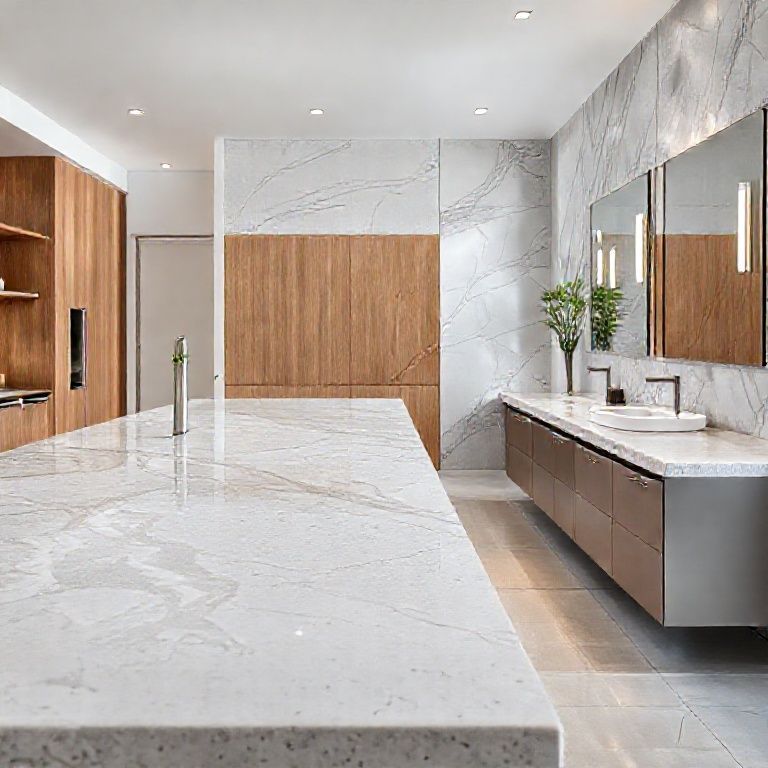
Artificial marble is often lauded for its aesthetic uniformity, but imperfections can arise during the manufacturing process. These may include air bubbles, surface scratches, and uneven coloring. Although these flaws can sometimes be polished out, they might still pose long-term aesthetic and structural concerns. Additionally, maintaining artificial marble requires regular cleaning and specialized products to avoid damage. Failure to adhere to proper maintenance protocols can lead to accelerated wear and degradation.
5. Concerns Regarding Filler Materials:
The filler materials used in artificial marble can also introduce health risks. For instance, some formulations incorporate talc, which has been associated with various health issues, including respiratory problems and potential carcinogenic effects. Additionally, the use of synthetic dyes and pigments can lead to the release of heavy metals, such as lead or cadmium, which are known to be toxic.
6. Allergies and Sensitivities:
For individuals with allergies or sensitivities to certain chemicals, artificial marble can be a significant concern. The composite nature of the material means that various allergens can be embedded within it, which can trigger allergic reactions or other health issues. This is particularly pertinent for those with pre-existing respiratory conditions or skin sensitivities.
7. Impact on Sensitive Populations:
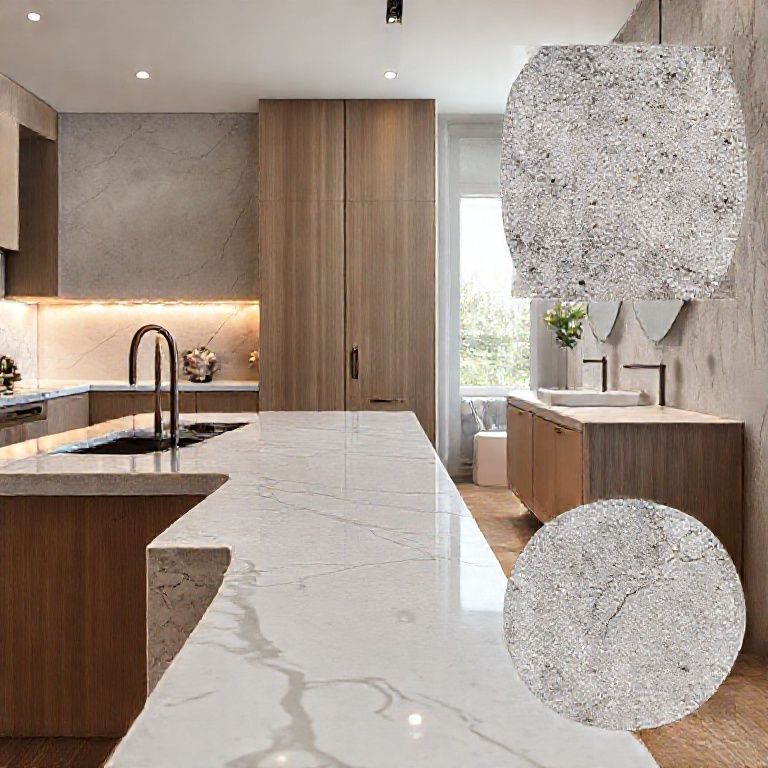
Certain populations, such as children, the elderly, and those with compromised immune systems, are particularly vulnerable to the potential hazards of artificial marble. Children, due to their developing systems, are more susceptible to chemical exposure, while the elderly and immune-compromised may face heightened risks from bacterial growth and other contaminants.
Conclusion:
While artificial marble offers numerous benefits, its hidden downsides and potential hazards cannot be overlooked. From compositional concerns and health risks due to chemical exposure to maintenance challenges and allergenic risks, it is imperative to weigh these factors carefully. In the next part of this series, we will explore the environmental and sustainability issues associated with artificial marble, shedding light on its broader impact on our planet.
The Hidden Downsides and Hazards of Artificial Marble: Environmental and Maintenance Challenges
Having examined the fundamental flaws and health concerns associated with artificial marble in the first part of this series, we now turn our attention to the environmental and maintenance challenges that come with this popular material. This second part will delve deeper into the broader impact of artificial marble on the environment, its sustainability issues, and the long-term maintenance challenges that homeowners and businesses may face.
1. Environmental Impact:
Resource Extraction:
The production of artificial marble involves the extraction of various raw materials, including limestone, silica, and other minerals. This extraction process can have significant environmental repercussions, such as habitat destruction, water pollution, and carbon footprint emissions. The environmental cost of sourcing these materials is substantial and often overlooked.
Manufacturing Emissions:
The manufacturing process of artificial marble generates waste and emissions. The production facilities emit greenhouse gases and other pollutants into the atmosphere. These emissions contribute to global warming and other environmental issues, raising concerns about the sustainability of the material.
Water Usage:
The production of artificial marble requires considerable amounts of water. From the mining of raw materials to the manufacturing process, water is used at various stages, leading to potential water scarcity issues in regions where the material is produced.
2. Sustainability Concerns:
Non-Renewable Resources:
Artificial marble relies on non-renewable resources such as limestone and silica. The depletion of these resources raises questions about the long-term sustainability of the material. As these resources become scarcer, the environmental cost of producing artificial marble is likely to increase.
Energy Consumption:
The manufacturing process of artificial marble is energy-intensive. High energy consumption is required to mix, mold, and cure the material. This energy often comes from non-renewable sources, further exacerbating environmental concerns.
End-of-Life Disposal:
Unlike natural stone, which can often be recycled or repurposed, artificial marble presents challenges at the end of its lifecycle. Disposal of artificial marble typically involves landfills, where it can contribute to long-term waste management issues. The material’s composite nature makes it difficult to recycle, leading to environmental pollution.
3. Maintenance Challenges:
Surface Durability:
While artificial marble is marketed as a durable material, it is not invulnerable. It can scratch, chip, and suffer from surface imperfections. Unlike natural stone, which can often be honed and resurfaced, artificial marble may require professional repair or replacement when damaged. This can be costly and inconvenient.
Cleaning Requirements:
Maintaining the appearance of artificial marble requires regular cleaning and the use of specialized products. Failure to use appropriate cleaners can lead to dullness, discoloration, and accelerated wear. The upkeep can be labor-intensive and may require professional assistance.
Heat and Thermal Issues:
Artificial marble has limited heat resistance compared to natural stone. Prolonged exposure to high temperatures can cause the material to crack or warp. This makes it unsuitable for areas subject to frequent and intense heat, such as under ovens or stovetops in kitchens.
4. Aesthetic and Design Limitations:
Uniformity Issues:
Despite its polished appearance, artificial marble can suffer from uniformity issues. During manufacturing, air bubbles, streaks, and other imperfections can occur. These flaws may require professional intervention to rectify, impacting both the aesthetics and structural integrity of the material.
Design Flexibility:
Artificial marble offers limited design flexibility compared to natural stone. While it can be colored and shaped in various ways, the options are still constrained by the material’s composite nature. Achieving unique design elements or intricate patterns may be challenging.
5. Long-Term Reliability:
Durability Concerns:
While artificial marble is designed to be durable, its long-term reliability can be questionable. Over time, the material may suffer from degradation, especially in high-traffic areas or where it is exposed to harsh chemicals. The lifespan of artificial marble can be shorter than that of natural stone, leading to the need for frequent repairs or replacements.
Warranty Limitations:
Many manufacturers offer warranties on artificial marble products, but these warranties often come with limitations. Issues related to surface imperfections, discoloration, and structural weaknesses may not be covered, leaving consumers to bear the costs of repairs or replacements.
6. Impact on Building Acoustics:
Sound Absorption:
Artificial marble, being a dense composite material, can affect building acoustics. It may absorb sound differently compared to natural stone or other materials, potentially leading to changes in the acoustic properties of a space. This can be particularly relevant in areas where sound quality is important, such as studios, auditoriums, or homes with musical instruments.
Conclusion:
The environmental, sustainability, and maintenance challenges associated with artificial marble cannot be ignored. From resource extraction and manufacturing emissions to the difficulties in recycling and end-of-life disposal, the environmental impact of this material is significant. Additionally, the maintenance and durability concerns highlight the complexities of long-term usage. As we continue to navigate the trade-offs between material choices and environmental responsibility, it is crucial to make informed decisions that consider both immediate and long-term impacts.
In the ever-evolving landscape of material choices, understanding the full spectrum of artificial marble’s downsides and hazards allows us to make more informed decisions, balancing aesthetics, functionality, and sustainability.