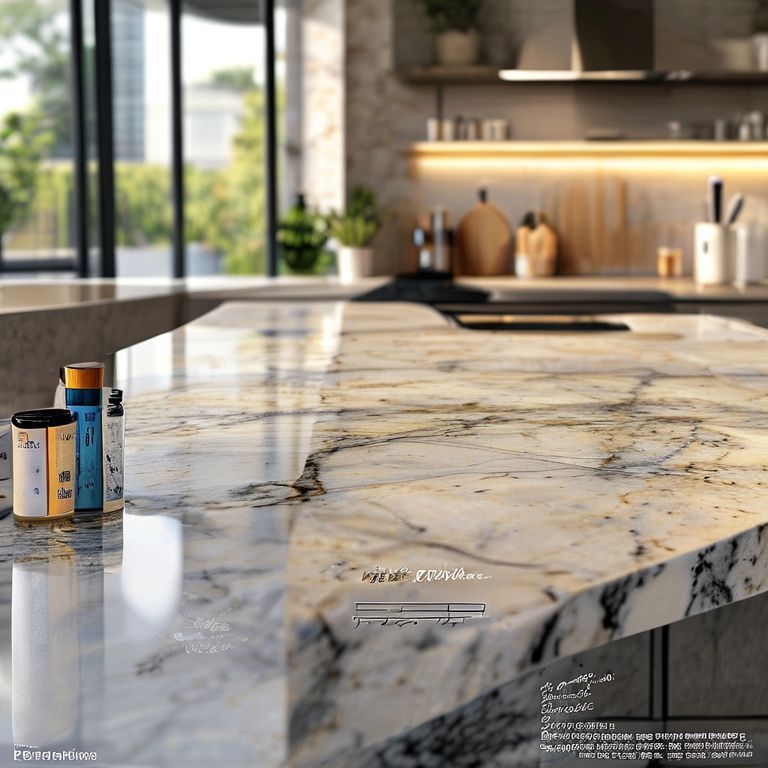
Delve into the lesser-known disadvantages of artificial marble with this comprehensive guide. From durability issues to maintenance challenges, discover the ten major drawbacks of artificial marble in exquisite detail. This article provides an attractive, engaging exploration of why artificial marble might not be the perfect choice for every home.

artificial marble, disadvantages, drawbacks, maintenance, durability, synthetic stone, countertop, kitchen, bathroom, tile, surface, installation
The Hidden Downsides of Artificial Marble: An In-Depth Look
Artificial marble has grown increasingly popular over the years due to its striking appearance, affordability, and versatility. However, like any material, it has its share of downsides that potential buyers might not be fully aware of. In this first part of our detailed exploration, we will uncover the top ten major drawbacks of artificial marble, shedding light on issues that can impact the longevity and maintenance of this synthetic material.
1. Limited Durability:
One of the most significant concerns with artificial marble is its limited durability. Despite its high-gloss finish, artificial marble is not as resilient as natural stone. It can scratch and chip easily, especially when exposed to sharp objects or heavy impacts. Unlike natural marble, which is known for its robustness, artificial marble can show signs of wear much quicker.
2. Sensitivity to Heat:
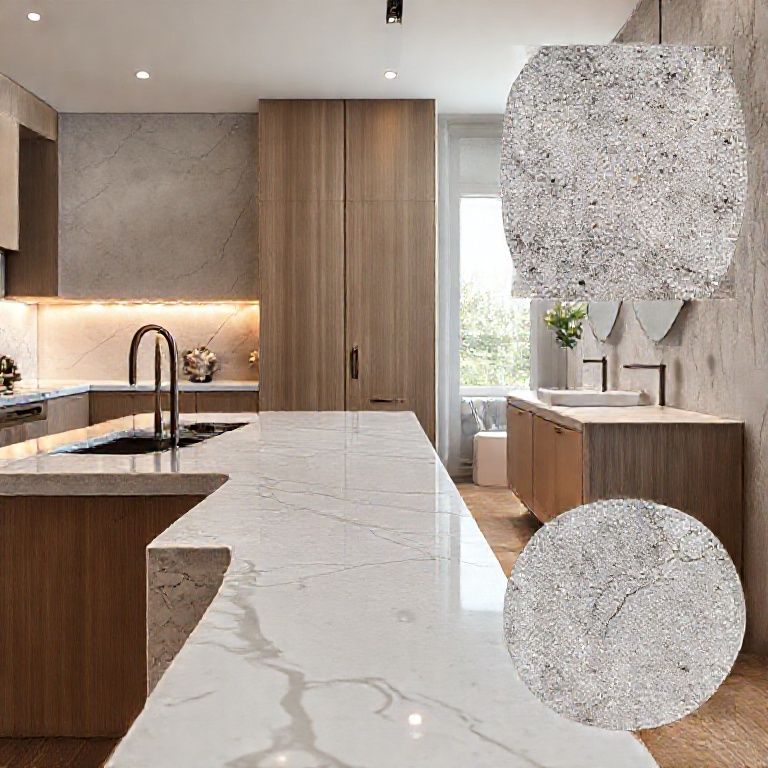
Artificial marble is highly susceptible to heat damage. While it might look great in your kitchen countertop, it can discolor or even crack when exposed to high temperatures. Cooking appliances or hot pots left on the surface can leave permanent marks, making it crucial to use protective pads and avoid placing hot items directly on the surface.
3. Chemical Resistance Issues:
Another major drawback is its limited resistance to chemicals. Many cleaning products contain acids or other chemicals that can etch or discolor artificial marble. This means you need to use specific cleaners designed for this material to avoid damaging the surface. Even regular cleaning agents can leave streaks or dull the finish over time.
4. Water Absorption:
Artificial marble can absorb water, which can lead to staining and deterioration of the material. Unlike natural stone, which is impervious to water, artificial marble needs to be sealed periodically to maintain its appearance and integrity. Failure to do so can result in unsightly water spots and a compromised surface.
5. Color Fading:
The vibrant colors of artificial marble can fade over time due to exposure to UV rays from sunlight. This fading can result in a less appealing appearance, especially in areas that receive a lot of natural light. To prevent this, it’s important to keep artificial marble surfaces covered or to use UV-resistant coatings.
6. Installation Challenges:
Installing artificial marble can be more complex than using natural stone. It requires specific adhesives and techniques to ensure a secure fit. Additionally, it’s often more fragile during installation, meaning extra care is needed to avoid breakage. For those who are not experienced with tile or countertop installation, hiring a professional may be necessary.
7. Inconsistent Quality:
Quality can vary significantly between different manufacturers of artificial marble. Some products might not be as high-quality as others, leading to issues like uneven surfaces or poor color consistency. It’s crucial to do thorough research and possibly get samples before making a large purchase.
8. Environmental Concerns:
The production of artificial marble involves the use of various chemicals and processes that can be harmful to the environment. From manufacturing to disposal, there are several environmental concerns associated with this material. It’s important to consider the full lifecycle impact when choosing artificial marble.
9. High Maintenance Requirements:
Maintaining artificial marble requires more effort than maintaining natural stone. Regular sealing, cleaning with specific products, and avoiding high-heat sources are all necessary to keep it looking its best. For those who prefer low-maintenance options, this might not be the ideal choice.
10. Cost of Repairs:
Repairing artificial marble can be costly and complicated. Chips and cracks may not always be fixable, and in many cases, a full replacement of the damaged section might be necessary. This can add up over time, especially if the material is used in high-traffic areas.
In the next part of this series, we will delve deeper into specific maintenance issues, aesthetic concerns, and alternative options that homeowners should consider when choosing between artificial marble and other materials. Stay tuned for more insights!
The Hidden Downsides of Artificial Marble: An In-Depth Look
In the previous part, we explored some of the major drawbacks of artificial marble. Now, we will dive deeper into the specific issues surrounding maintenance, aesthetic concerns, and alternative options that homeowners should consider when evaluating this material for their homes.
11. Maintenance Issues:
Artificial marble, despite its attractive appearance, demands meticulous maintenance to stay looking new. Here are some specific maintenance challenges:
Sealing Requirements: Regular sealing is essential to protect the surface from water and stains. Depending on the level of exposure, sealing might need to be done every six months to a year. Over time, the sealer can wear off, necessitating reapplication to maintain the surface’s integrity. Cleaning Products: Only specific cleaning agents are safe for artificial marble. Household cleaners often contain harsh chemicals that can damage the surface. Using recommended cleaners can help maintain the finish, but it requires diligence and commitment. Regular Inspections: Homeowners need to regularly inspect artificial marble surfaces for any signs of wear, scratches, or discoloration. Early detection can prevent minor issues from escalating into major problems.
12. Aesthetic Concerns:
While artificial marble comes in a variety of colors and patterns, it does not replicate the natural beauty and uniqueness of real stone. Here are some aesthetic issues to consider:
Uniformity: Artificial marble tends to have a uniform look, which might not appeal to everyone. Unlike natural stone, which offers unique patterns and textures, artificial marble can appear artificial and less organic. Color Fading: As previously mentioned, prolonged exposure to UV rays can cause color fading. This can lead to a less vibrant appearance, especially in areas exposed to sunlight. Choosing UV-resistant coatings can mitigate this issue but adds to the maintenance load. Aging Appearance: Over time, artificial marble can start to look worn or outdated. This is often due to accumulated scratches, stains, and general wear. Unlike natural stone, which can sometimes take on a more rustic charm with age, artificial marble often needs to be replaced when it shows signs of aging.
13. Alternatives to Artificial Marble:
Given the drawbacks, many homeowners might consider alternative materials that offer better durability, aesthetic appeal, and lower maintenance. Here are some popular alternatives:
Natural Marble: Though more expensive, natural marble offers unmatched beauty, durability, and resistance to heat and chemicals. It’s a timeless choice that can add luxury to any space. Granite: Granite is another excellent alternative known for its durability, strength, and resistance to scratches and stains. It’s available in a wide range of colors and patterns, offering both beauty and practicality. Quartz: Quartz countertops are highly durable and resistant to scratches, stains, and heat. They are also low-maintenance, requiring only simple cleaning and no sealing. Their affordability and ease of maintenance make them a popular choice. Slate: Slate is another durable natural stone that offers a unique, textured appearance. It’s relatively low-maintenance and can withstand scratches and stains well.
14. Installation and Removal Complexity:
Artificial marble can be tricky to install and remove due to its brittle nature. Here are some additional points to consider:
Installation: As previously mentioned, installing artificial marble requires specific adhesives and techniques. It’s often best left to professionals to avoid breakage and ensure a proper fit. Removal: Removing artificial marble can be challenging. Unlike natural stone, which can sometimes be chiseled out, artificial marble might require specialized tools to avoid damaging the underlying substrate. Improper removal can lead to costly repairs or the need for a full replacement.
15. Environmental Impact:
The production and disposal of artificial marble have environmental implications that should not be overlooked:
Manufacturing: The production process involves various chemicals and energy-intensive methods that can impact the environment. From sourcing raw materials to manufacturing, there are several stages where environmental concerns can arise. Disposal: Artificial marble is not biodegradable, meaning it can contribute to landfill waste. Proper disposal methods should be followed to minimize environmental impact. Recycling options might be limited, so careful consideration of disposal is necessary.
In conclusion, while artificial marble offers an appealing and cost-effective alternative to natural stone, it’s important to weigh its drawbacks carefully. From durability and maintenance to environmental impact, understanding these issues can help homeowners make informed decisions about their choice of materials. By considering alternatives and the specific maintenance requirements, you can ensure that your choice best suits your needs and preferences.