part1
The Hidden Drawbacks of Artificial Marble: A Comprehensive Look
In the realm of modern interior design, artificial marble, often referred to as synthetic stone, has surged in popularity. Marketed as a cost-effective and aesthetically appealing alternative to natural stone, artificial marble seems like a perfect fit for many homeowners and designers. However, beneath this glossy exterior, there are several disadvantages that are worth considering. In this article, we will explore the lesser-known drawbacks of artificial marble, focusing on its durability, maintenance, environmental impact, and overall cost-effectiveness.

Durability Concerns
Artificial marble, although marketed as a durable material, does not always live up to its promise. Unlike natural stone, which often gains strength and character with age, artificial marble tends to show signs of wear and tear more quickly. Here are some specific issues:
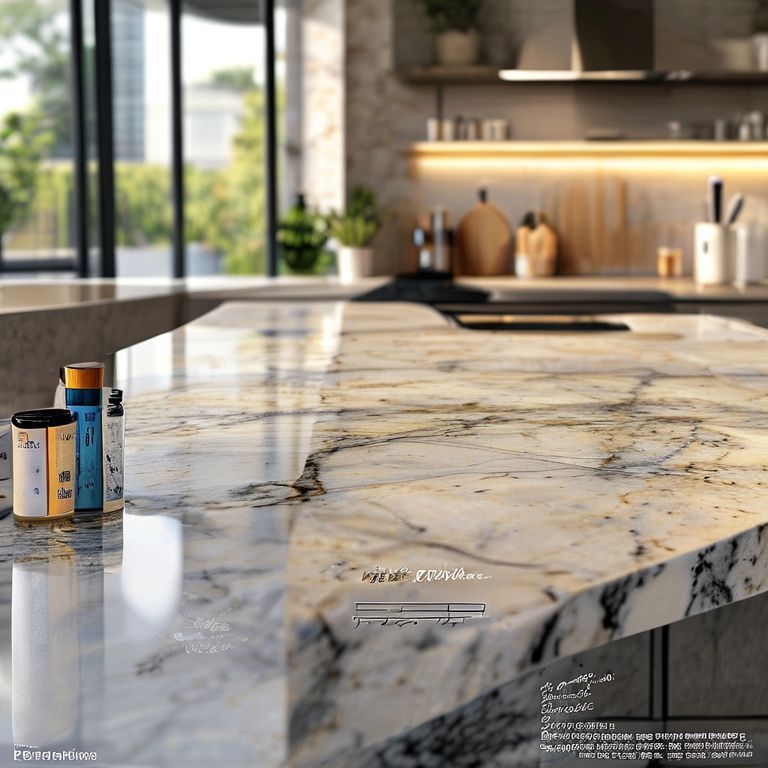
Scratches and Chips: Artificial marble is prone to scratches and chips, particularly if it is not installed with proper care. Unlike natural stone, which has a high resistance to scratches, artificial marble can show visible marks from everyday use. This makes it less suitable for high-traffic areas where durability is paramount.
Aging Appearance: Over time, artificial marble can develop a dull or faded appearance. While natural stone can age beautifully, gaining a unique patina, artificial marble often looks worn and outdated. This can detract from the overall aesthetic of a space.
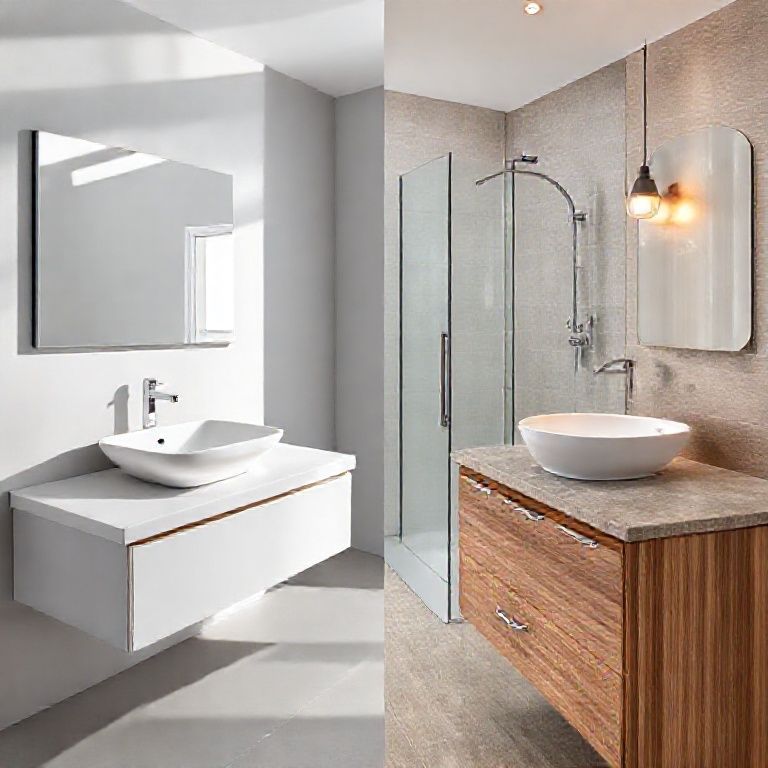
Warping and Cracking: Depending on the quality of the material, artificial marble can suffer from warping and cracking under heat and pressure. This is particularly problematic in kitchens and bathrooms where hot water and steam are common.
Maintenance Issues
Maintaining artificial marble can be more challenging than one might expect. Here are some key maintenance issues that can arise:
Cleaning Difficulties: Cleaning artificial marble requires specific products and techniques. Unlike natural stone, which can often be cleaned with a simple stone cleaner, artificial marble needs specialized cleaners to avoid damage. Additionally, using the wrong cleaner can lead to streaks, spots, and dullness.
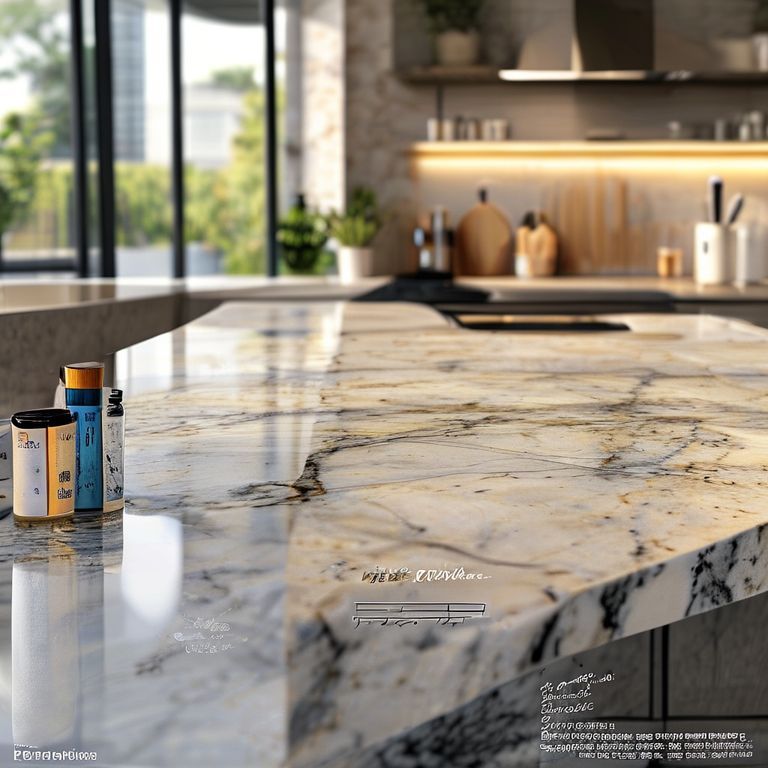
Discoloration: Artificial marble can be susceptible to discoloration from food stains, beverages, and even cleaning agents. Unlike natural stone, which often has a uniform look, artificial marble can develop unsightly stains and marks that are difficult to remove.
Damage from Harsh Chemicals: Exposure to harsh chemicals such as bleach, ammonia, and other strong cleaning agents can cause artificial marble to discolor, crack, or even peel. This makes it essential to avoid using these chemicals when cleaning surfaces made from artificial marble.
Environmental Impact
The production and disposal of artificial marble come with significant environmental costs. Here’s a closer look at the environmental impact of artificial marble:
Manufacturing Process: The manufacturing process for artificial marble involves the use of various chemicals and additives, many of which are harmful to the environment. The production process can release toxic fumes and contribute to air pollution.
Non-Biodegradable: Artificial marble is a non-biodegradable material, meaning it does not break down naturally over time. When it is disposed of, it ends up in landfills, where it can take hundreds of years to decompose. This is a stark contrast to natural stone, which can be recycled or used in other construction projects.
Energy Consumption: The production of artificial marble requires significant energy, contributing to its overall carbon footprint. This is an important factor to consider, especially in the context of sustainability and climate change.
Cost-Effectiveness
While artificial marble is often marketed as a cost-effective alternative to natural stone, the long-term costs can be higher than expected. Here’s why:
Upfront Costs vs. Long-Term Savings: Although the initial cost of artificial marble is often lower than natural stone, the ongoing maintenance and potential need for repairs can add up over time. This can negate the initial savings, making it less cost-effective in the long run.
Replacement Costs: If artificial marble starts to show signs of wear, damage, or discoloration, the cost of replacing it can be significant. Unlike natural stone, which can often be resurfaced or repaired, artificial marble often needs to be completely replaced.
Hidden Costs: The hidden costs of cleaning, maintenance, and potential repairs can add up over time. These costs are often not immediately apparent, making it difficult to accurately assess the true cost-effectiveness of artificial marble.
Conclusion
While artificial marble offers many advantages in terms of aesthetics and initial cost, it is essential to consider its hidden drawbacks. From durability concerns and maintenance issues to environmental impacts and long-term costs, there are several reasons why artificial marble may not be the best choice for every application. By understanding these disadvantages, you can make a more informed decision and choose the best material for your needs.
Stay tuned for part 2, where we will delve deeper into the specific alternatives to artificial marble and how to choose the best material for your interior design projects.
part2
The Hidden Drawbacks of Artificial Marble: A Comprehensive Look
In part one, we explored the various disadvantages of artificial marble, including its durability, maintenance issues, environmental impact, and cost-effectiveness. In this second part, we will delve deeper into specific alternatives to artificial marble and provide guidance on how to choose the best material for your interior design projects. We will also discuss the pros and cons of other popular materials, helping you make an informed decision.
Alternatives to Artificial Marble
When considering alternatives to artificial marble, it’s important to weigh the pros and cons of each option carefully. Here are some popular alternatives:
Natural Stone
Pros:
Durability: Natural stone, such as granite, marble, and quartzite, is known for its durability and resistance to scratches and chips. Aging: Natural stone can develop a unique, beautiful patina over time, enhancing its aesthetic appeal. Sustainability: Many natural stones are recyclable and can be sourced sustainably.
Cons:
Cost: Natural stone can be more expensive than artificial marble. Maintenance: Natural stone requires regular sealing and can be susceptible to stains if not properly maintained. Weight: Natural stone is heavier and may require more extensive preparation and support. Quartz
Pros:
Durability: Quartz is extremely durable and resistant to scratches, chips, and stains. Maintenance: Quartz is easy to clean and does not require sealing. Design Flexibility: Quartz offers a wide range of colors and patterns, allowing for creative design possibilities.
Cons:
Cost: While generally more affordable than natural stone, quartz can still be more expensive than some other alternatives. Weight: Like natural stone, quartz is heavy and requires careful installation. Slate
Pros:
Durability: Slate is highly durable and resistant to scratches and chips. Aesthetic Appeal: Slate has a natural, rustic look that can add character to a space. Sustainability: Slate is a natural, renewable resource.
Cons:
Cost: Slate can be expensive, depending on the quality and type. Maintenance: Slate requires regular maintenance to prevent staining and water damage. Weight: Slate is heavy and requires careful installation.
Choosing the Best Material
When choosing the best material for your interior design project, consider the following factors:
Purpose and Location: Determine where the material will be used and how much traffic it will receive. High-traffic areas may require a more durable material, while low-traffic areas might allow for more aesthetic considerations.
Budget: Set a budget that includes not just the initial cost, but also the long-term maintenance and replacement costs. This will help you choose a material that offers the best value over time.
Maintenance: Consider how much maintenance the material requires. Some materials, like natural stone, need regular sealing and cleaning, while others, like quartz, are low-maintenance.
Aesthetic Appeal: Think about the look you want to achieve. Some materials offer a more natural, rustic aesthetic, while others provide sleek, modern designs.
Sustainability: Consider the environmental impact of the material. Opt for materials that are more sustainable and have a lower carbon footprint.
Conclusion
Artificial marble, while appealing in terms of aesthetics and initial cost, comes with several drawbacks that are important to consider. From durability and maintenance issues to environmental impact and long-term costs, there are many reasons why it may not be the best choice for every application. By exploring alternatives like natural stone, quartz, and slate, and carefully considering factors such as purpose, budget, maintenance, aesthetic appeal, and sustainability, you can make a more informed decision and choose the best material for your interior design projects.
In summary, while artificial marble has its place in the market, it’s essential to weigh all the pros and cons before making a decision. By understanding the hidden drawbacks and exploring alternative options, you can create a space that meets your needs and preferences while ensuring long-term durability and sustainability.
Stay informed and make the best choice for your next project!