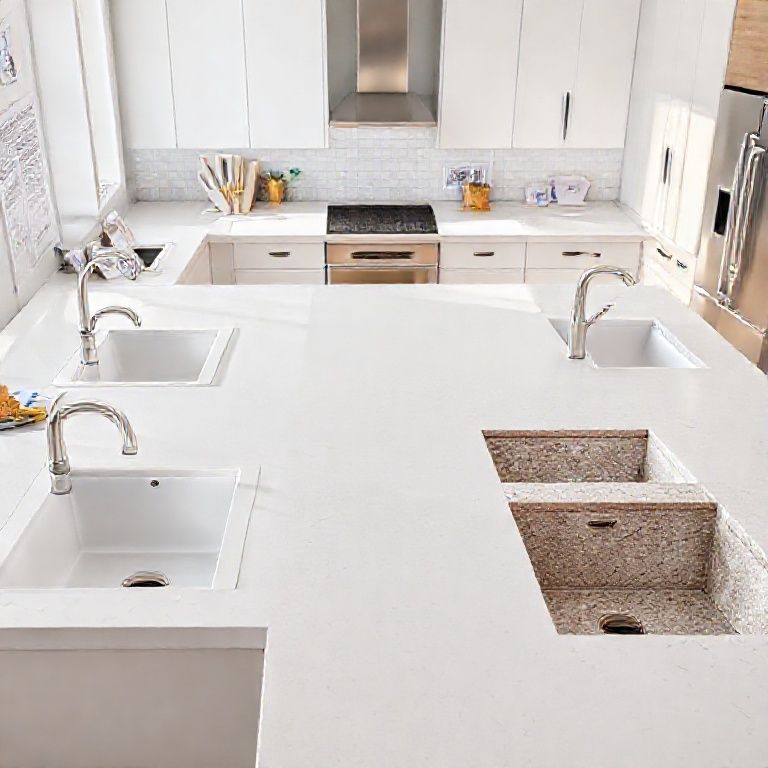
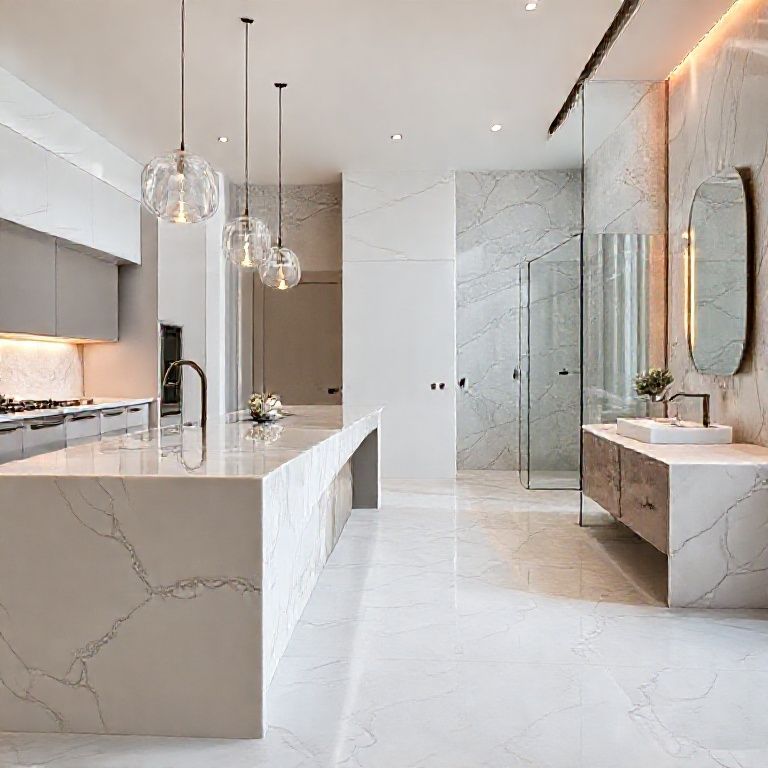
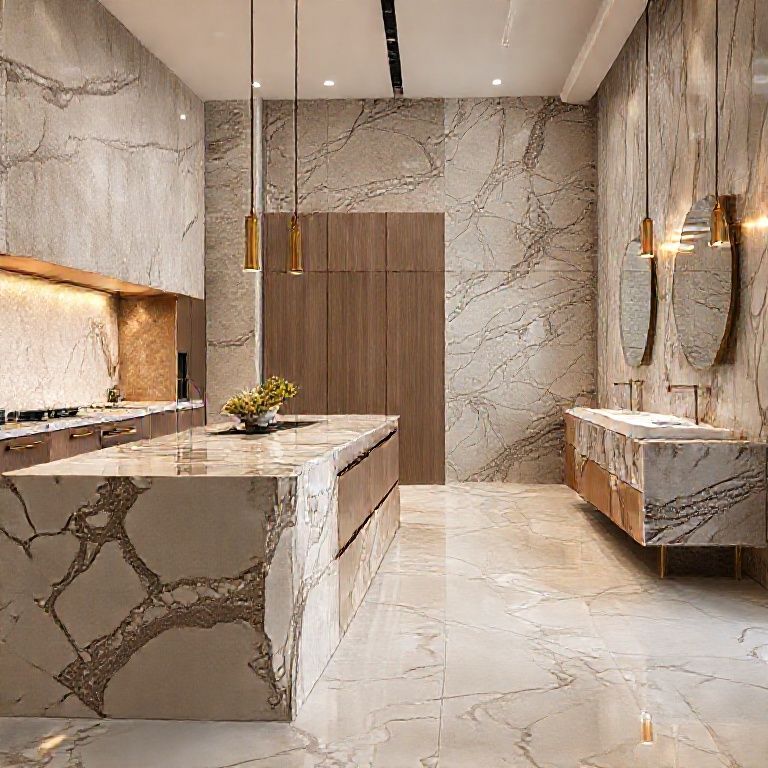
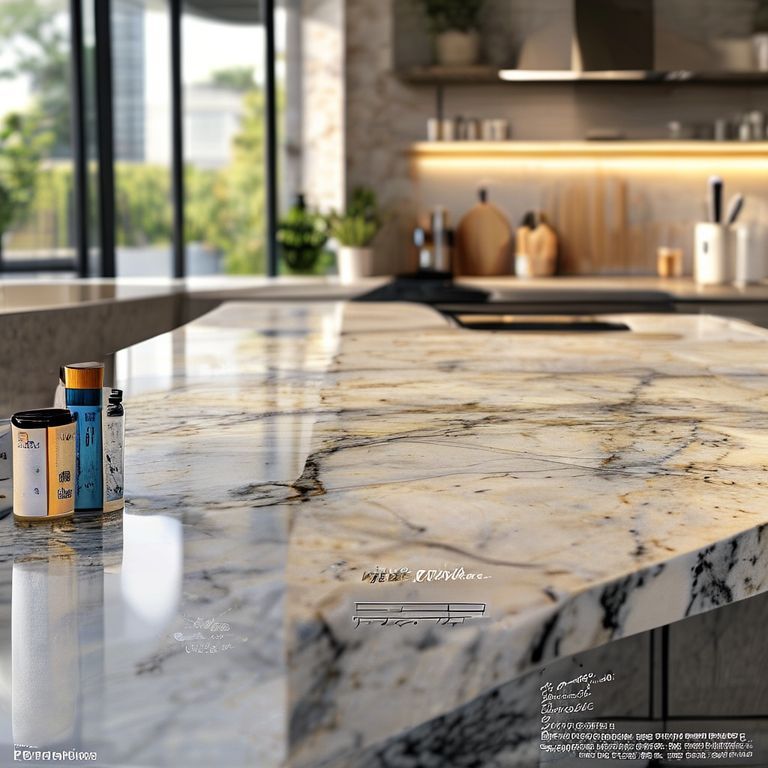
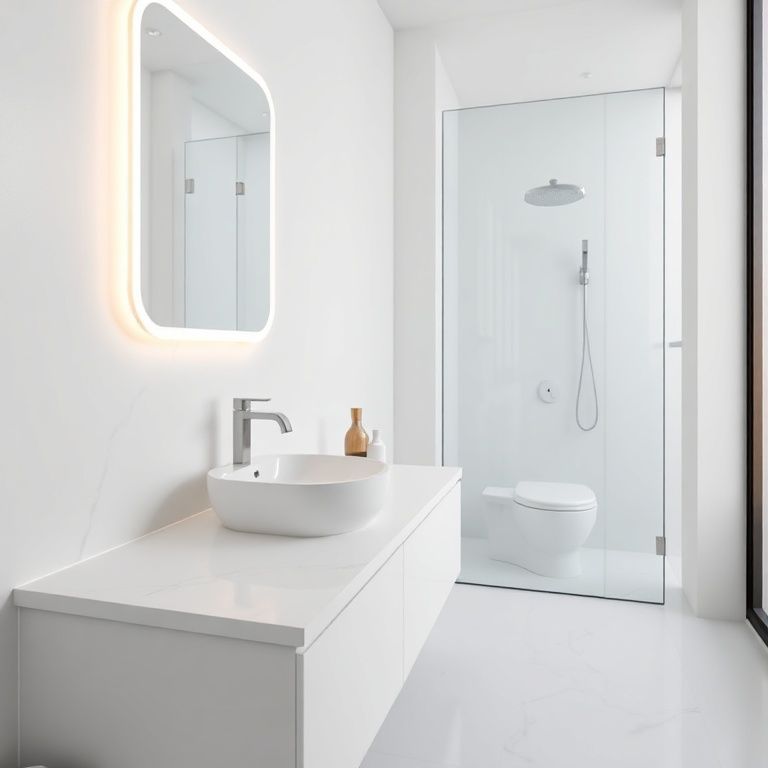
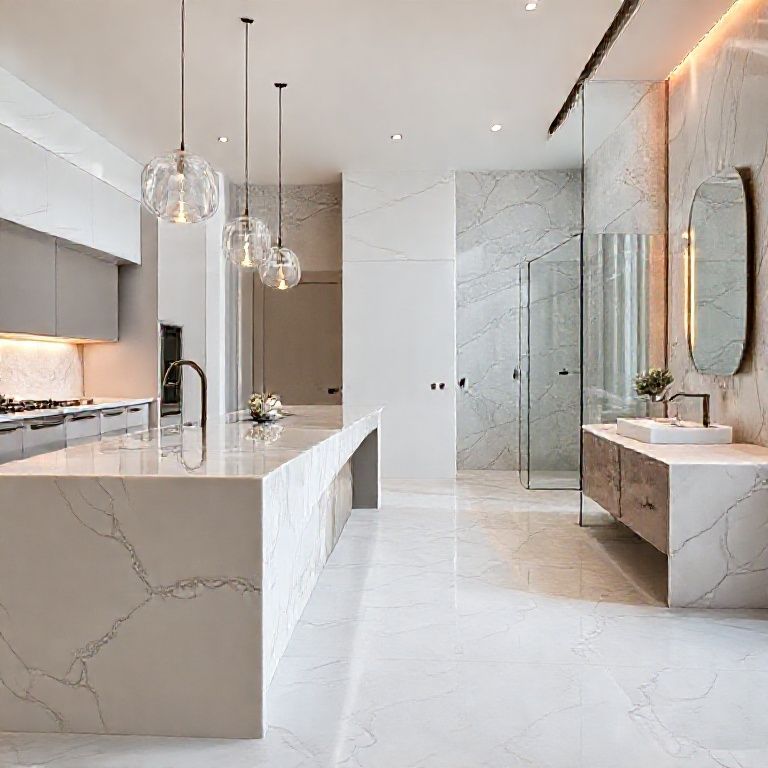
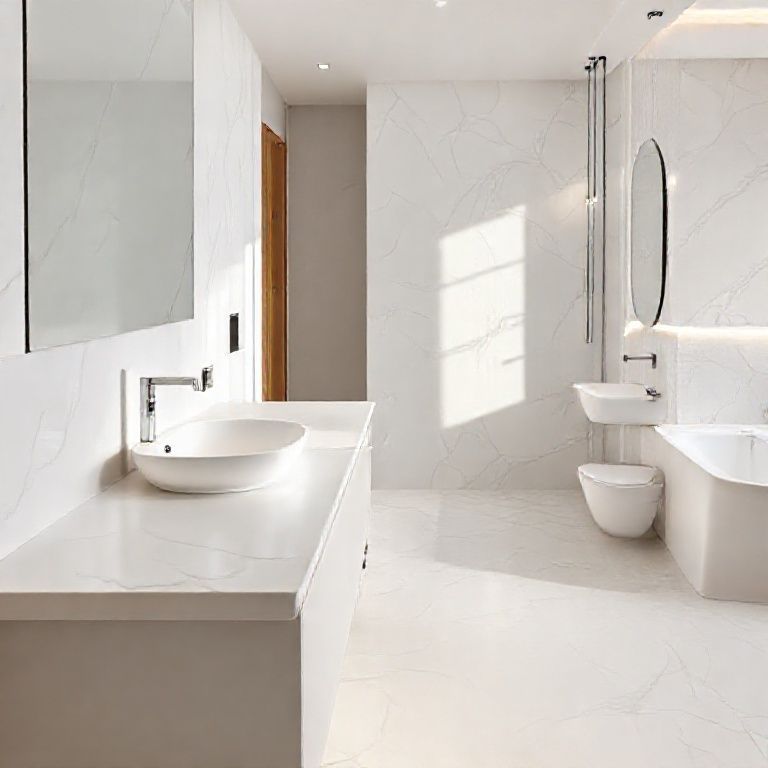
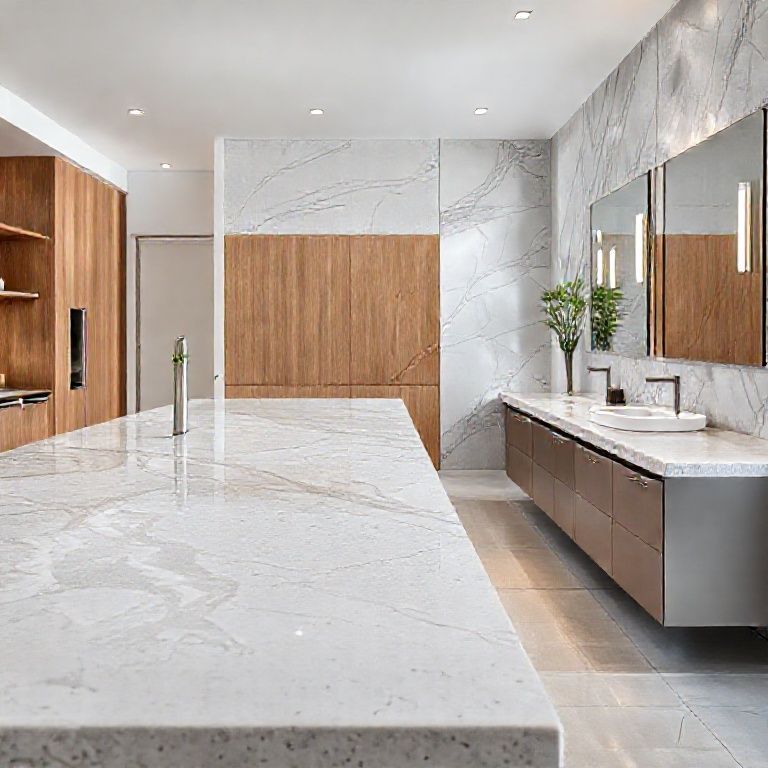
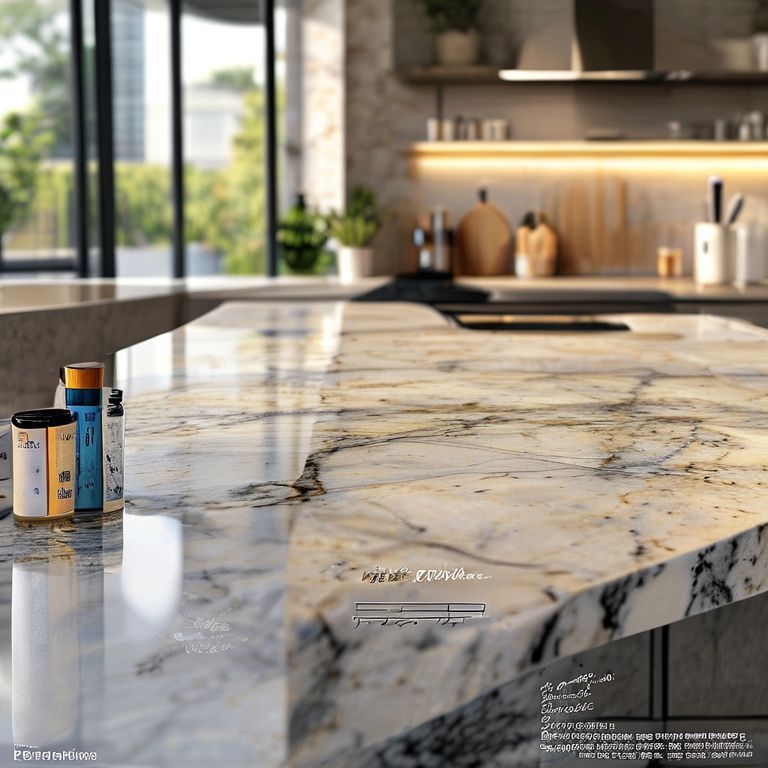
In the world of interior design and construction, synthetic marble, often referred to as artificial stone, has gained immense popularity due to its aesthetic appeal and cost-effectiveness. However, while it might seem like the perfect choice at first glance, there are several hidden drawbacks that demand attention. This article aims to shed light on these often-overlooked issues to help you make an informed decision.

Environmental Concerns
Manufacturing Process
The production of synthetic marble involves a complex manufacturing process that includes the use of various chemicals and energy-intensive methods. This process often results in significant environmental impact. The synthesis of marble typically involves the mixing of quartz, acrylic, and other additives, which are then subjected to high temperatures and pressures. This not only consumes considerable energy but also releases volatile organic compounds (VOCs) into the atmosphere. VOCs are known to contribute to air pollution and have adverse effects on both the environment and human health.
Resource Consumption
Another significant environmental concern is the resource consumption associated with the production of synthetic marble. Unlike natural marble, which is mined from quarries, synthetic marble requires a considerable amount of raw materials to be synthesized. This includes quartz sand, which is abundant but still a finite resource. The extraction and processing of these materials contribute to habitat destruction and depletion of natural resources.
Durability Issues
Scratch and Stain Resistance
One of the most touted benefits of synthetic marble is its resistance to stains and scratches. However, the reality is quite different. While it may be more resistant than natural stone, it is not impervious. Synthetic marble can still be scratched or stained, particularly if exposed to harsh chemicals or abrasive cleaning agents. Unlike natural marble, which develops a patina over time, synthetic marble often requires more aggressive cleaning methods to maintain its appearance, which can lead to further wear and tear.
Long-Term Durability
The longevity of synthetic marble is another point of contention. Natural marble, although susceptible to staining and scratching, has a remarkable durability that comes from its natural composition. Synthetic marble, on the other hand, is a composite material that can degrade over time due to its chemical composition. The bonds between the various components can weaken, leading to cracks and other forms of deterioration. Additionally, synthetic marble may not withstand the test of time as effectively as natural marble, which has been used for centuries in various structures.
Aesthetic Limitations
Uniformity and Customization
While synthetic marble can mimic the appearance of natural marble quite convincingly, it lacks the unique beauty of the natural stone. Each piece of natural marble is unique, with its own set of veins, colors, and textures. Synthetic marble, however, tends to be more uniform. This uniformity can sometimes come across as artificial, lacking the organic charm that natural marble possesses. Moreover, customization options for synthetic marble are limited compared to natural marble. While it can be molded into various shapes and sizes, achieving the same level of intricate detailing as natural marble is challenging.
Aging Appearance
Natural marble ages gracefully, often developing a rich, patina-like appearance that enhances its beauty over time. Synthetic marble, however, does not age in the same way. Instead, it may lose its luster and develop surface imperfections over time. The aging process of synthetic marble can sometimes make it look less appealing, as it may not develop the same kind of character that natural marble does.
Economic Implications
Initial Cost vs. Long-Term Savings
Although synthetic marble is generally more affordable than natural marble, its long-term costs can sometimes be higher. The initial cost savings might be tempting, but synthetic marble often requires more frequent maintenance and potentially more aggressive cleaning methods. Over time, the costs associated with maintaining and repairing synthetic marble can add up, making it less economical in the long run compared to natural marble.
Replacement Costs
In the event of damage or deterioration, synthetic marble may be more expensive to replace than natural marble. Because it is a manufactured product, finding matching pieces can be challenging. This can lead to higher replacement costs and a less seamless finish if repairs are needed. In contrast, natural marble can often be sourced from the same quarry, ensuring that replacement pieces are more readily available and can be seamlessly integrated.
Health Concerns
Chemical Emissions
The production and use of synthetic marble involve the emission of various chemicals, some of which can pose health risks. The manufacturing process often releases VOCs, which can lead to indoor air quality issues. Prolonged exposure to VOCs has been linked to various health problems, including respiratory issues, headaches, and even long-term effects such as liver and kidney damage. While manufacturers often claim that synthetic marble is low in VOCs, the potential for emissions still exists and can be a concern for those sensitive to chemicals.
Toxicity
Some of the materials used in the production of synthetic marble, such as certain types of acrylic and resin, may contain toxic substances. These chemicals can leach into the surrounding environment and potentially pose health risks over time. It is important to consider the safety of these materials, especially in homes with children or individuals with health sensitivities.
Alternatives to Synthetic Marble
Natural Stone
For those looking for a durable, aesthetically pleasing, and environmentally friendly option, natural stone remains the best choice. Materials like granite, limestone, and travertine offer unique beauty and durability. While they may come at a higher initial cost, their long-term durability and natural character often make them a worthwhile investment.
Other Synthetic Alternatives
If synthetic marble is preferred for its cost-effectiveness and design flexibility, there are other synthetic alternatives that may offer a better balance between aesthetics and durability. For example, high-quality engineered stone can provide a more natural look with improved durability compared to traditional synthetic marble. These materials are designed to mimic natural stone while offering better resistance to stains and scratches.
Conclusion
While synthetic marble offers several advantages, it is essential to weigh its drawbacks carefully. From environmental concerns to durability issues, the long-term implications of using synthetic marble can be significant. By understanding these hidden drawbacks, you can make a more informed decision that aligns with your values and long-term goals.
Installation and Maintenance
Installation Complexity
Installing synthetic marble can be more complex than installing natural stone. The process often requires specialized equipment and expertise, which can lead to higher installation costs. Additionally, the bonding process for synthetic marble can be more challenging due to its composite nature. Proper installation is crucial to ensure the longevity and appearance of the material, which can add to the overall cost and effort involved.
Maintenance Requirements
Maintaining synthetic marble can also be more demanding than maintaining natural stone. As mentioned earlier, synthetic marble requires more aggressive cleaning methods to avoid scratches and stains. This often means using specialized cleaners and tools that are designed specifically for synthetic surfaces. Over time, the need for frequent and meticulous maintenance can become a hassle and an additional cost.
Aesthetic and Functional Limitations
Limited Customization
While synthetic marble offers a wide range of colors and patterns, its customization options are still limited compared to natural marble. Achieving intricate designs and unique patterns that natural marble can effortlessly display is often not possible with synthetic marble. This can be a significant drawback for those looking for highly customized and unique designs in their interiors.
Functional Limitations
Synthetic marble is not as functional as natural marble in certain applications. For example, natural marble is highly resistant to heat, making it an excellent choice for kitchen countertops. Synthetic marble, on the other hand, can be more prone to thermal damage and may not handle high heat as well. This can limit its use in areas where temperature fluctuations are common.
Social and Ethical Concerns
Labor Practices
The production of synthetic marble often involves labor practices that raise ethical concerns. The manufacturing plants that produce synthetic marble are frequently located in regions where labor laws may not be stringently enforced. This can lead to poor working conditions, low wages, and other labor-related issues. It is important to consider the ethical implications of supporting a继续探讨社会和伦理问题,特别是在材料生产和供应链方面,可以揭示出更深层次的挑战。
供应链透明度
许多建筑材料,包括人造大理石,的生产涉及复杂的供应链。这些供应链的透明度往往不足。很多时候,消费者和设计师并不了解材料的生产过程,包括采购、加工和运输环节。缺乏透明度使得严重的劳动权利问题、环境破坏以及其他社会问题得以隐藏。
可持续性问题
尽管人造大理石看起来是一种环保的替代品,但其生产过程并不一定如此环保。相比于自然大理石的采石过程,人造大理石的制造需要大量的能源和资源,并且涉及多种化学物质的使用。这些化学物质在生产过程中可能会泄漏,对环境和工人的健康造成潜在威胁。
社会责任
作为建筑和设计行业的一部分,我们有责任考虑我们选择的材料对环境和社会的影响。选择人造大理石可能会带来短期的经济效益,但如果不考虑其整个生命周期的影响,可能会对社会和环境造成长期的负面影响。
如何做出更好的选择
面对这些挑战,我们可以通过多种途径来做出更负责任的选择。
选择可持续材料
寻找可持续和环保的建筑材料是减轻对环境和社会影响的一种有效方式。例如,选择由可再生资源制成的材料或经过认证的可持续材料。一些品牌和供应商致力于减少碳足迹和环境影响,这些选项值得考虑。
支持道德生产
了解和支持那些在生产过程中遵循道德和环保标准的企业非常重要。可以通过选择那些公开其供应链、采用可持续实践并遵守劳动法的公司来支持道德生产。
提高设计师和消费者的意识
设计师和消费者都应该提高对材料选择的意识。通过教育和宣传,使更多人了解材料的生产和使用对环境和社会的影响,从而做出更明智的选择。
结论
尽管人造大理石在外观和经济性方面有其优势,但我们不能忽视其潜在的环境、社会和健康风险。通过选择更可持续和道德的建筑材料,并提高对材料生产过程的认识,我们可以为创造一个更加环保和公平的未来做出贡献。这不仅仅是对材料的选择,更是对我们对地球和人类社会负责的一种表现。
希望这些信息能帮助你更全面地理解人造大理石的弊端,并在做出相关决策时提供有价值的参考。如果你有更多具体问题或需要进一步的信息,欢迎继续提问。