Unveiling the Radiation from Artificial Marble
Artificial marble, a popular choice for countertops, sinks, and other interior design elements, has surged in popularity due to its durability, aesthetic appeal, and cost-effectiveness. However, beneath its attractive exterior lies a hidden concern: radiation. This first part explores the origins, nature, and potential health impacts of radiation emitted by artificial marble.

What is Artificial Marble?
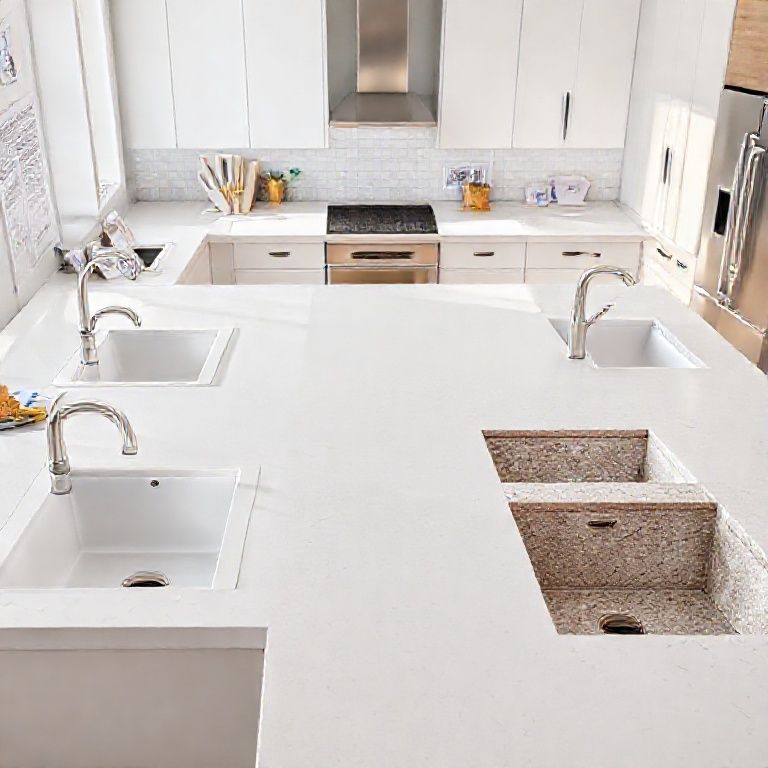
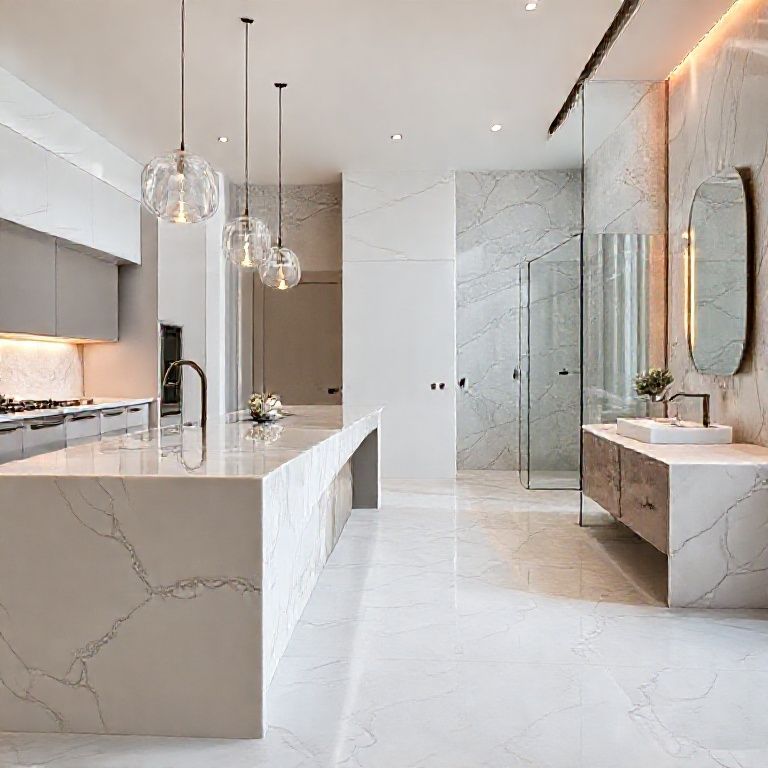
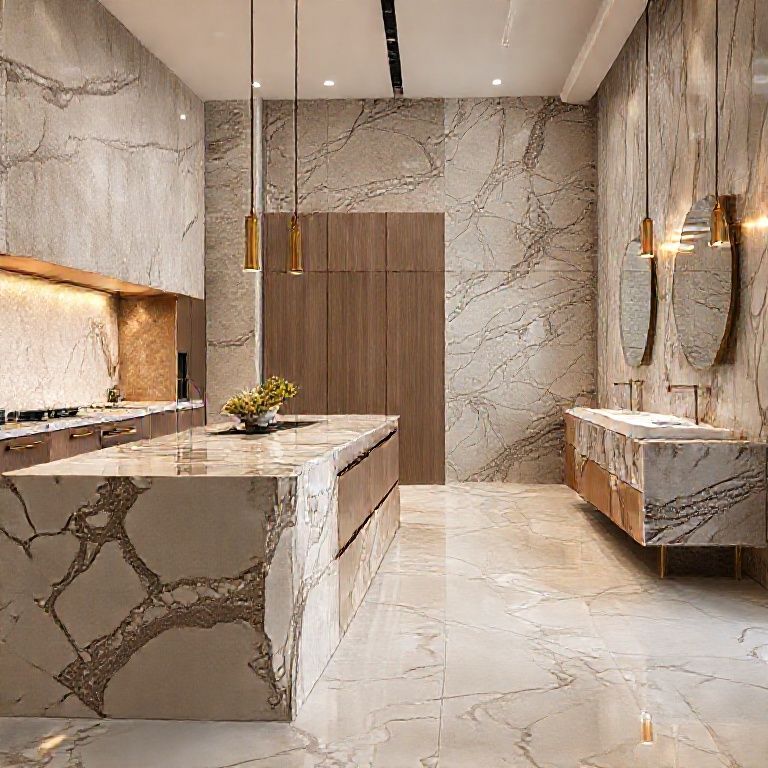
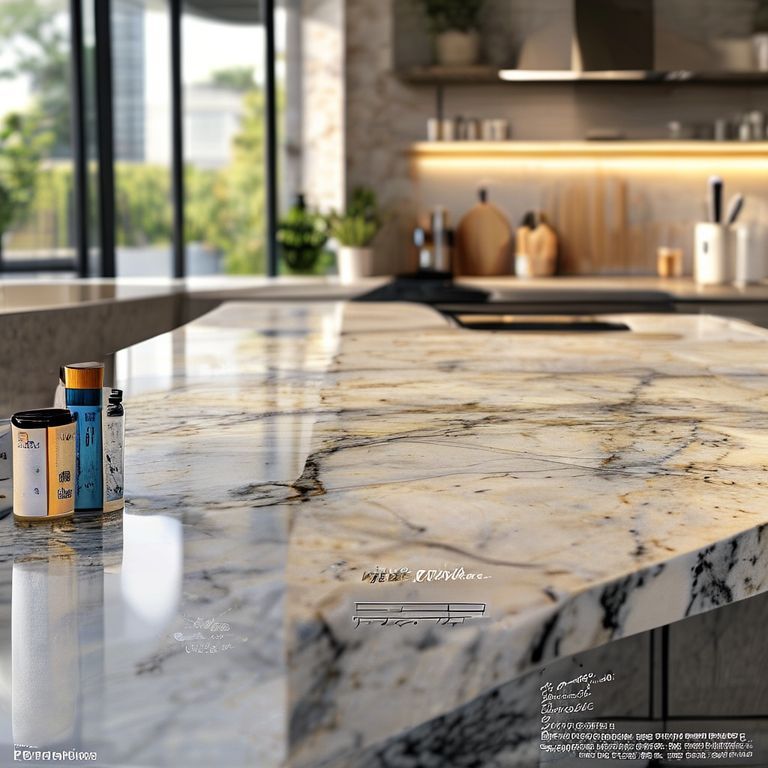
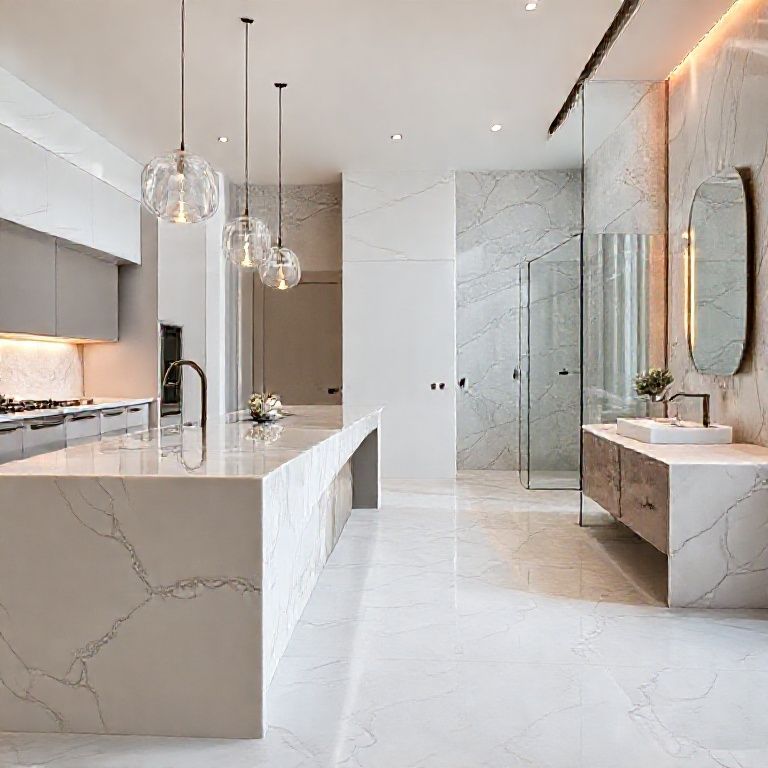
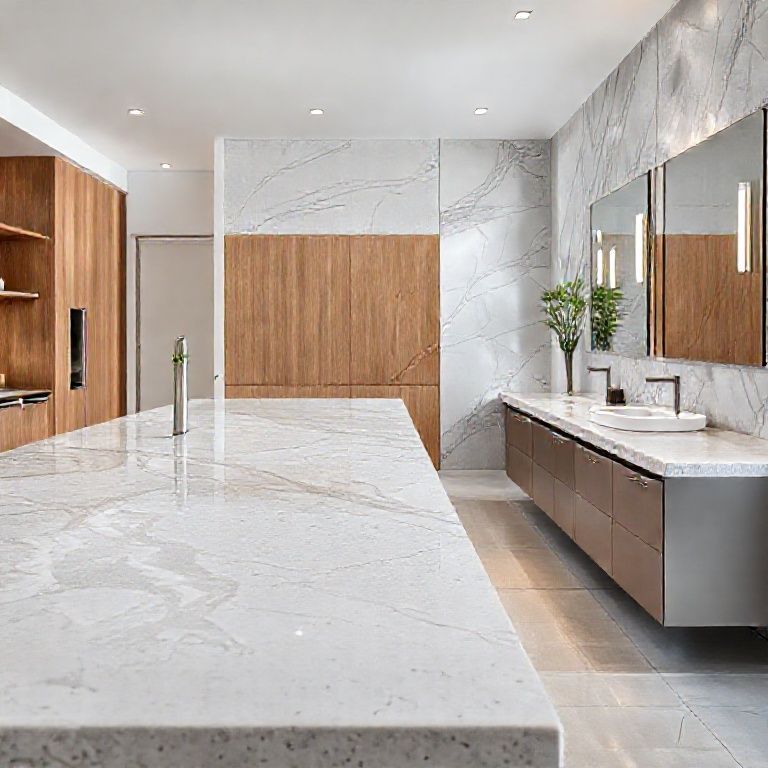
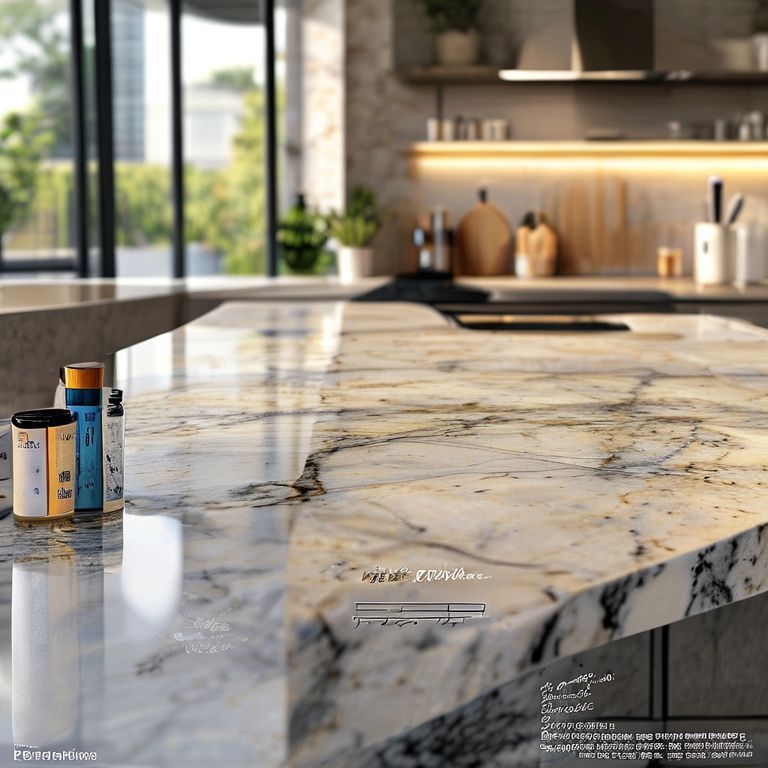
Artificial marble, often referred to as cultured stone, is a composite material made from a mixture of limestone, marble dust, or other minerals bonded together with a polymer resin. This material is engineered to mimic the look of natural marble, offering a luxurious appearance at a fraction of the cost. It’s commonly used in kitchen countertops, bathroom vanities, and decorative elements due to its resistance to scratches, stains, and bacterial growth.
The Source of Radiation
The primary source of radiation from artificial marble is the polymer resin used in its creation. Certain types of resins, especially those containing phthalates and other plasticizers, can emit low levels of radiation. Phthalates are chemicals added to plastics to make them more flexible and durable. While they are generally considered safe in small quantities, the cumulative effect of long-term exposure can raise health concerns.
How Radiation Affects Human Health
Radiation from artificial marble is classified as non-ionizing radiation, which means it does not have enough energy to remove tightly bound electrons from atoms. However, prolonged exposure to any form of radiation, even low levels, can have cumulative effects on the human body. Here’s how radiation from artificial marble can potentially impact your health:

Cellular Damage: Non-ionizing radiation can cause damage to cellular structures, particularly DNA. This damage can lead to mutations that may increase the risk of cancer.
Hormonal Disruption: Some components of the resin used in artificial marble can act as endocrine disruptors, interfering with hormone systems and potentially leading to reproductive and developmental issues.
Respiratory Problems: When artificial marble is cut, polished, or otherwise processed, fine particles and dust can become airborne. Inhalation of these particles can lead to respiratory issues such as asthma, bronchitis, and other chronic lung conditions.
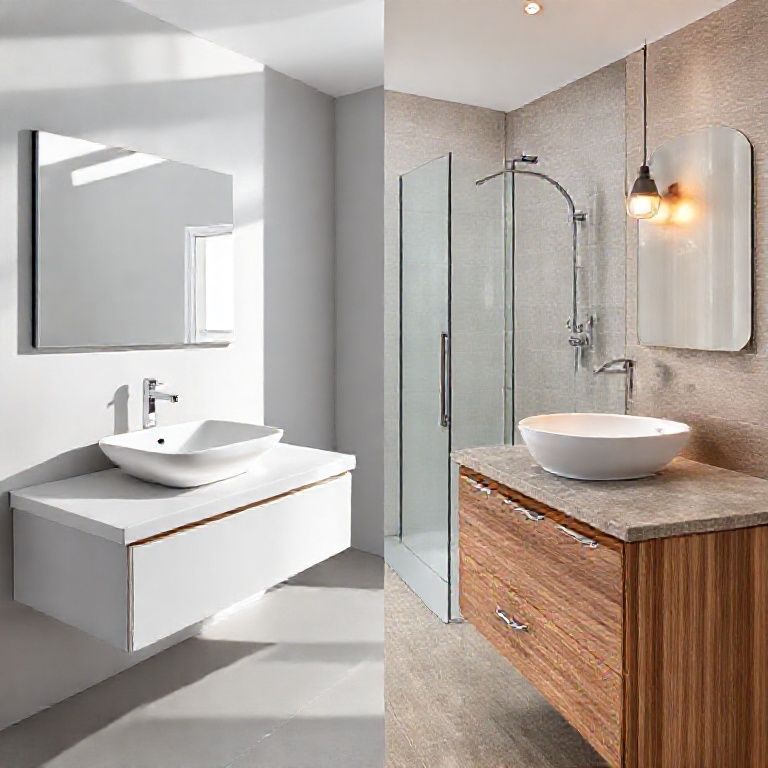
Skin Irritation: Direct contact with artificial marble can cause skin irritation, particularly in individuals with sensitive skin or pre-existing skin conditions.
Assessing the Risks
The risks associated with radiation from artificial marble are generally low, especially when the material is installed and maintained correctly. However, certain groups are more vulnerable to these risks:
Children and Pregnant Women: Due to their developing bodies, children and pregnant women are more susceptible to the harmful effects of radiation and chemical exposure.
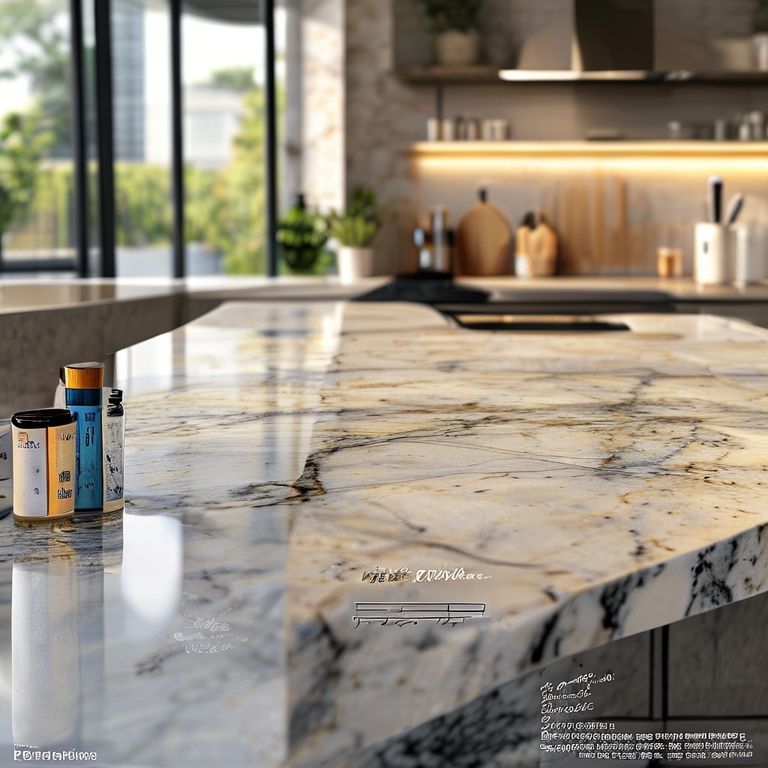
People with Pre-existing Health Conditions: Individuals with respiratory issues or skin conditions may experience exacerbated symptoms from exposure to artificial marble dust and radiation.
Detecting Radiation
Detecting radiation from artificial marble is not straightforward, as it often involves very low levels of emission that are difficult to measure without specialized equipment. However, there are some indicators to be aware of:
Frequent Headaches: Persistent headaches may be a sign of prolonged exposure to radiation or other harmful substances.
Respiratory Issues: Chronic coughing, wheezing, or shortness of breath could indicate exposure to dust and radiation from artificial marble.
Skin Irritation: Persistent rashes or itchiness, particularly in areas of frequent contact with artificial marble, may signal adverse reactions to the material.
Prevention and Safety Measures
While the risks of radiation from artificial marble are generally low, taking preventive measures can further mitigate potential health hazards. Here are some steps you can take:
Choose Low-Emission Materials: Opt for artificial marble with low or no phthalate content. Some manufacturers offer resins with lower radiation levels.
Proper Ventilation: Ensure that the area where artificial marble is installed has good ventilation to reduce the accumulation of dust and other particles.
Regular Cleaning: Regular cleaning of artificial marble surfaces can help minimize dust build-up and reduce inhalation risks.
Protective Gear: When working with artificial marble, use protective gear such as masks, gloves, and goggles to minimize direct contact and inhalation of dust.
Monitor Health Symptoms: Be attentive to any new or persistent health symptoms and consult a healthcare provider if you suspect a connection to your artificial marble installation.
By understanding the potential risks and taking preventive measures, you can enjoy the benefits of artificial marble while minimizing the associated health hazards.
Long-Term Effects and Mitigation Strategies
In this concluding part, we will explore the long-term effects of radiation from artificial marble and delve into comprehensive strategies for mitigating these risks. By understanding the science behind radiation and implementing effective preventive measures, you can make informed decisions to safeguard your health.
Long-Term Health Effects
While the immediate effects of radiation from artificial marble are typically minimal, long-term exposure can pose more significant health risks. Here’s a deeper look at the potential long-term impacts:
Cancer Risk: Prolonged exposure to any form of radiation, even at low levels, can increase the risk of developing cancer. The cumulative effect of radiation over time can lead to cellular mutations that may manifest as malignant growths.
Hormonal Imbalances: Over time, endocrine-disrupting chemicals in the resin can accumulate in the body, leading to hormonal imbalances. This can affect various bodily functions, including reproductive health, metabolism, and immune system response.
Chronic Respiratory Diseases: Long-term inhalation of fine particles and dust from artificial marble can lead to chronic respiratory conditions such as asthma, chronic bronchitis, and other forms of lung disease.
Skin Conditions: Continuous exposure to artificial marble can lead to persistent skin conditions, including dermatitis and eczema, particularly in sensitive individuals.
Scientific Basis for Radiation Concerns
The primary concern with radiation from artificial marble stems from the materials used in its production. Phthalates and other plasticizers are known to emit low levels of radiation when exposed to environmental conditions. Over time, these low levels can accumulate, potentially leading to harmful effects. Additionally, the process of manufacturing and installing artificial marble can release fine particles and dust, which, when inhaled, can contribute to respiratory problems.
Advanced Prevention and Mitigation Strategies
To protect your health from the potential risks of radiation from artificial marble, consider the following advanced prevention and mitigation strategies:
Choose Safer Alternatives: Opt for radiation-free materials such as natural stone (marble, granite, quartz) or other low-emission alternatives. While these may be more expensive, they significantly reduce health risks.
Enhanced Ventilation Systems: Invest in high-efficiency particulate air (HEPA) filters and advanced ventilation systems to improve indoor air quality. These systems can help capture and remove fine particles and dust from the air, reducing inhalation risks.
Regular Professional Cleaning: Hire professional cleaning services that use non-toxic, eco-friendly cleaning agents to maintain artificial marble surfaces. Regular cleaning can help minimize dust build-up and reduce the risk of respiratory issues.
Use Protective Barriers: Install protective barriers such as countertops and vanities made from materials with lower radiation emissions. These barriers can act as a buffer, reducing direct exposure to artificial marble.
Health Monitoring: Regularly monitor your health for any new or persistent symptoms. If you notice any unusual health issues, consult a healthcare provider to determine if they could be related to your environment.
Educate Yourself and Others: Stay informed about the latest research and findings related to radiation from artificial marble. Educate family members and household occupants about the potential risks and preventive measures.
Making Informed Choices
When selecting materials for your home, it’s crucial to make informed choices based on the latest scientific research and health guidelines. Here are some steps to consider:
Research Manufacturers: Look for manufacturers that prioritize safety and transparency. Check for certifications and reviews that attest to low-emission levels and safe production practices.
Consult Experts: Seek advice from healthcare professionals, environmental scientists, and building materials experts. They can provide valuable insights into the safest options available.
DIY Safety Measures: Implement DIY safety measures at home, such as using air purifiers, maintaining clean indoor environments, and avoiding activities that increase dust and radiation exposure.
Conclusion: A Balanced Approach
While the risks associated with radiation from artificial marble are generally low, it’s essential to remain vigilant and proactive in protecting your health. By understanding the science behind radiation, recognizing the potential long-term effects, and implementing effective防护策略,您可以在享受现代化装修带来的美观和便利的最大限度地减少健康风险。
环境监测与调控
空气质量监测
在家中或工作场所安装空气质量监测仪,可以实时了解室内空气中的有害物质浓度。这对于及时发现并解决室内污染问题非常重要。
空气净化器
使用高效空气净化器,特别是配备HEPA滤网和活性炭滤网的设备,可以有效去除空气中的微小颗粒和有害气体。
健康监控
定期体检
定期进行健康检查,特别是对于长期暴露于可能污染环境的人群,如建筑工人、家具加工人员等。及时发现和处理健康问题非常关键。
症状记录
记录任何持续性的健康症状,如头痛、呼吸困难、皮肤问题等。这些信息可以帮助医生更好地诊断潜在的健康问题。
个人防护
使用防护设备
在处理可能涉及高污染物的工作时,佩戴适当的个人防护设备,如口罩、手套、防护眼镜等。
勤洗手
经常洗手,特别是在处理建筑材料或进行手工操作后。这有助于减少有害物质的摄入。
环境改造
通风系统
确保室内通风良好。使用机械通风系统,如新风机,可以有效改善室内空气质量。
植物净化
在室内摆放一些能够吸附有害物质的植物,如吊兰、虎尾兰等。这些植物不仅能美化环境,还能起到一定的空气净化作用。
法律与政策
遵守环保法规
了解并遵守当地有关环境保护和建筑材料使用的法律法规。这些法规通常会对有害物质的使用和排放提出严格要求。
咨询专业意见
在选择和使用建筑材料时,咨询专业人士的意见。他们可以提供关于材料安全性和环保性的专业建议。
教育与宣传
提高环保意识
通过参加环保讲座、阅读相关书籍和文章等方式,提高自身和家人的环保意识。
社区活动
参与或组织社区环保活动,如清理垃圾、植树等,不仅有助于改善社区环境,还能提高大家的环保意识。
通过综合运用这些策略,您可以在享受现代化装修带来的便利的最大限度地保护自己和家人的健康。