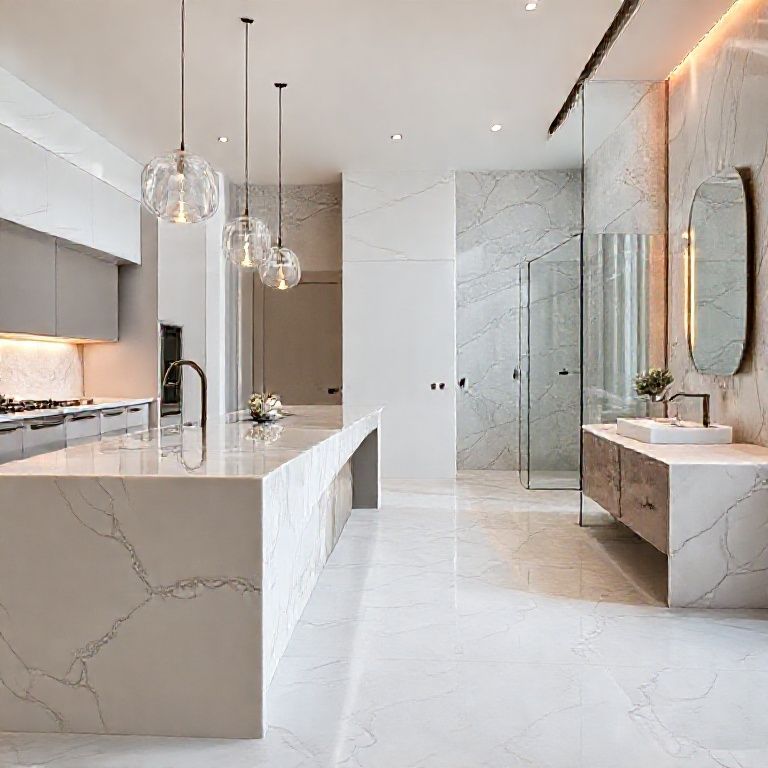
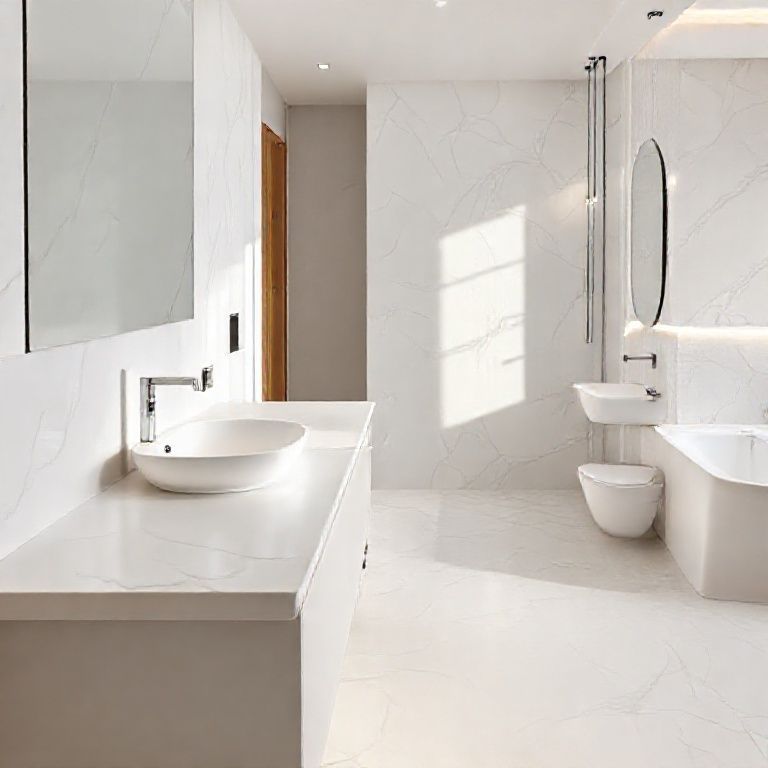
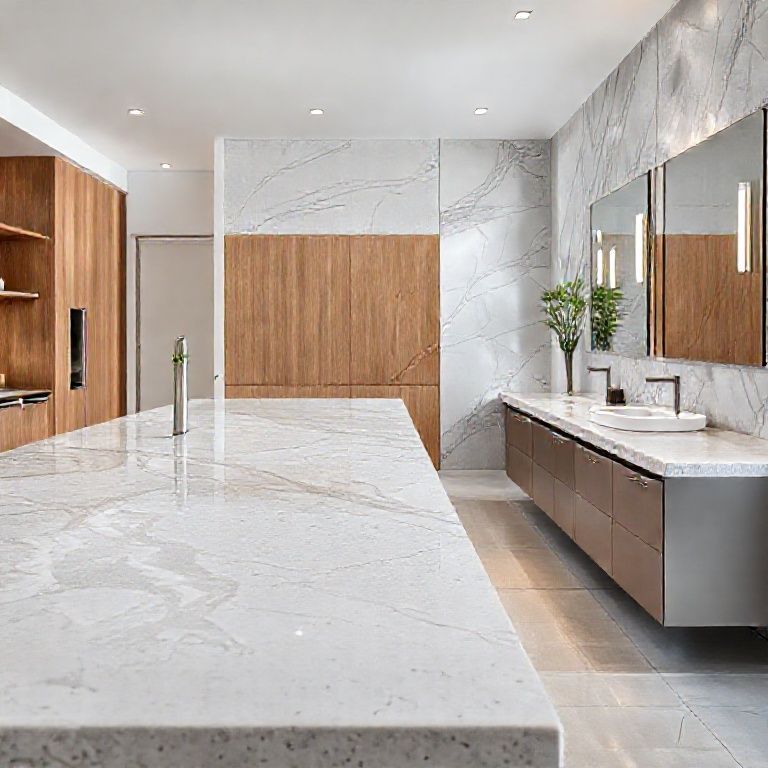
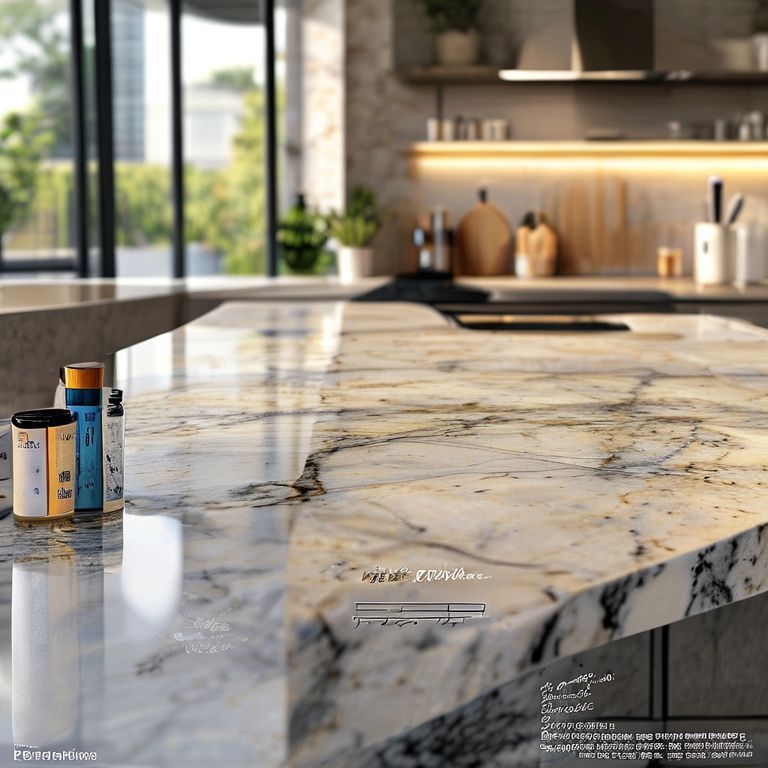
Artificial marble has become a popular choice in both residential and commercial settings due to its durability, aesthetic appeal, and relatively lower cost compared to natural stone. However, as with any material used in our living and working spaces, it’s crucial to understand its potential health impacts. This article aims to shed light on the composition of artificial marble, the chemicals involved, and the potential risks it may pose to our health.

What is Artificial Marble?
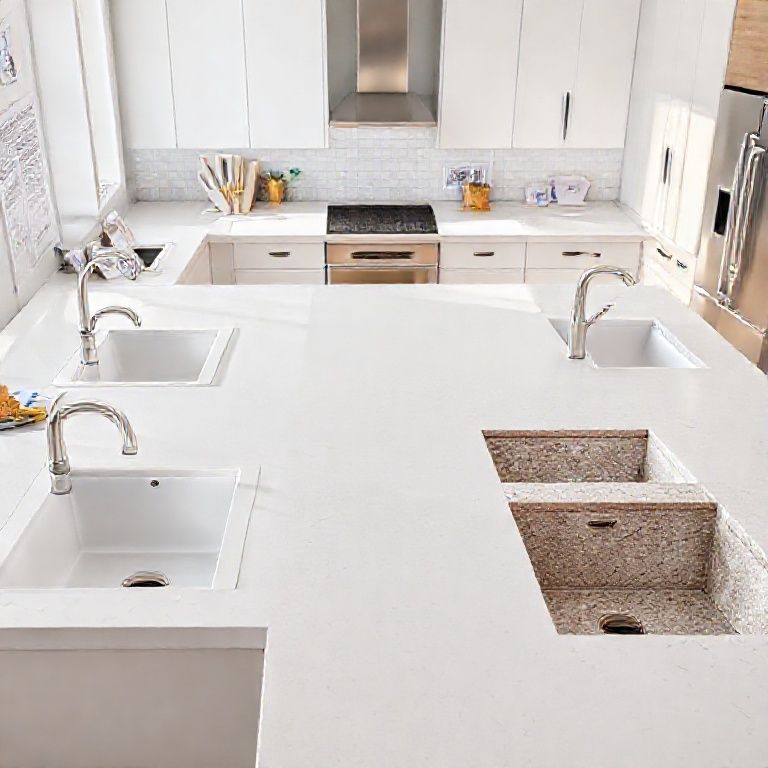
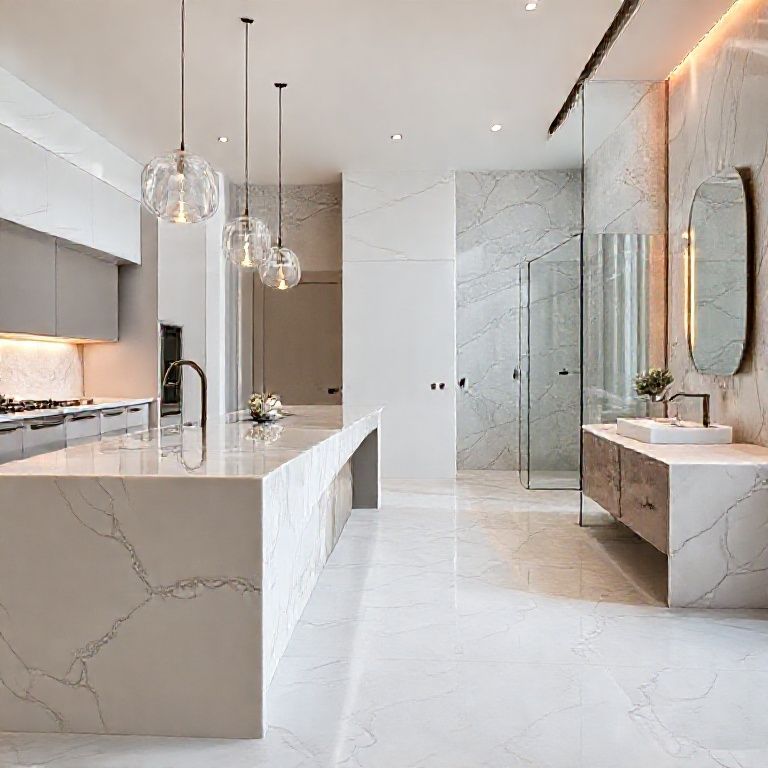
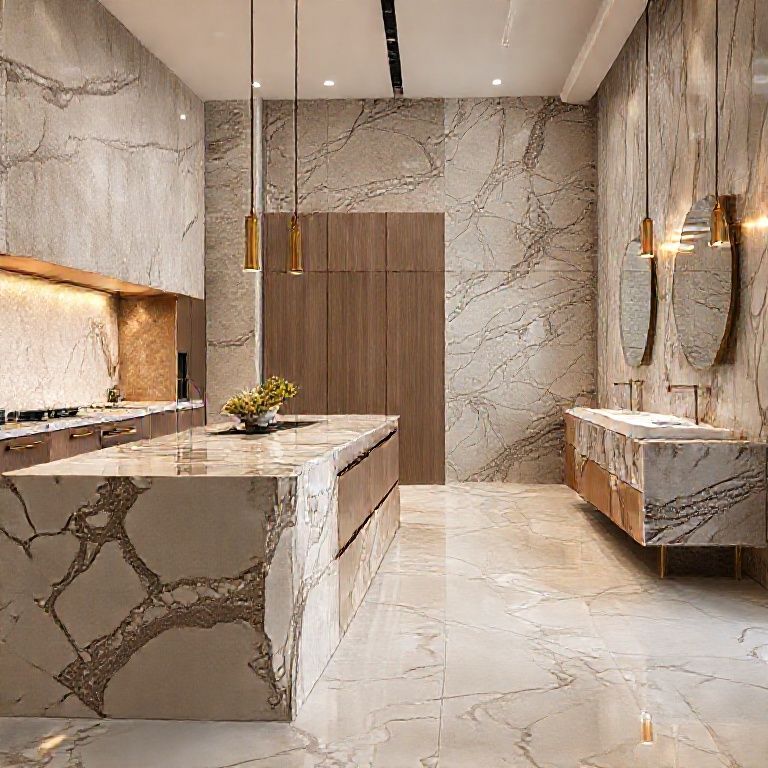
Artificial marble, often referred to as cultured stone, is a composite material made from a combination of stone powders, typically limestone or quartz, bonded together with a resin binder. This synthetic material is engineered to mimic the look and feel of natural marble but without the cost and maintenance issues. It’s widely used for countertops, sinks, and other decorative surfaces in homes and offices.
The Composition of Artificial Marble
Artificial marble is a concoction of various minerals and synthetic resins. The primary components include:
Stone Powders: Limestone, calcite, or quartz. Resin Binders: Polymers such as polyvinyl acetate, polyester, or acrylic resins. Colorants and Additives: Pigments and other additives to achieve the desired color and texture.
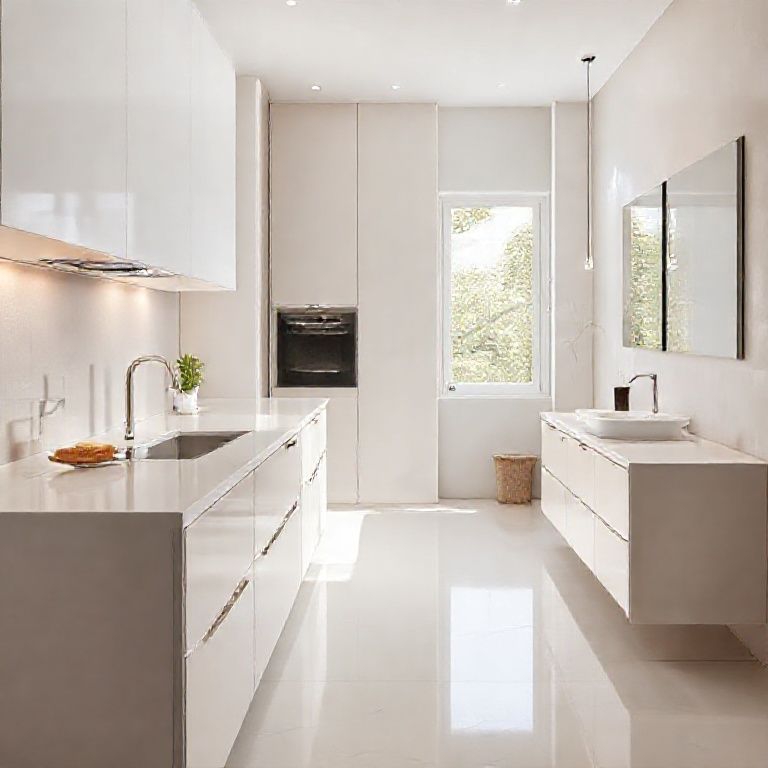
While these components are generally considered safe when manufactured and installed correctly, the manufacturing process can release fumes and dust that might have health implications.
Health Concerns Related to Artificial Marble
Chemical Fumes and Emissions
During the manufacturing and installation of artificial marble, certain chemicals can be released into the air. These may include:
Volatile Organic Compounds (VOCs): These are emitted from the resin binders and can cause respiratory issues, headaches, and irritation of the eyes, nose, and throat. Formaldehyde: Some resins used in artificial marble can release formaldehyde, which is a known carcinogen and can cause various health issues, including respiratory problems and skin irritation.
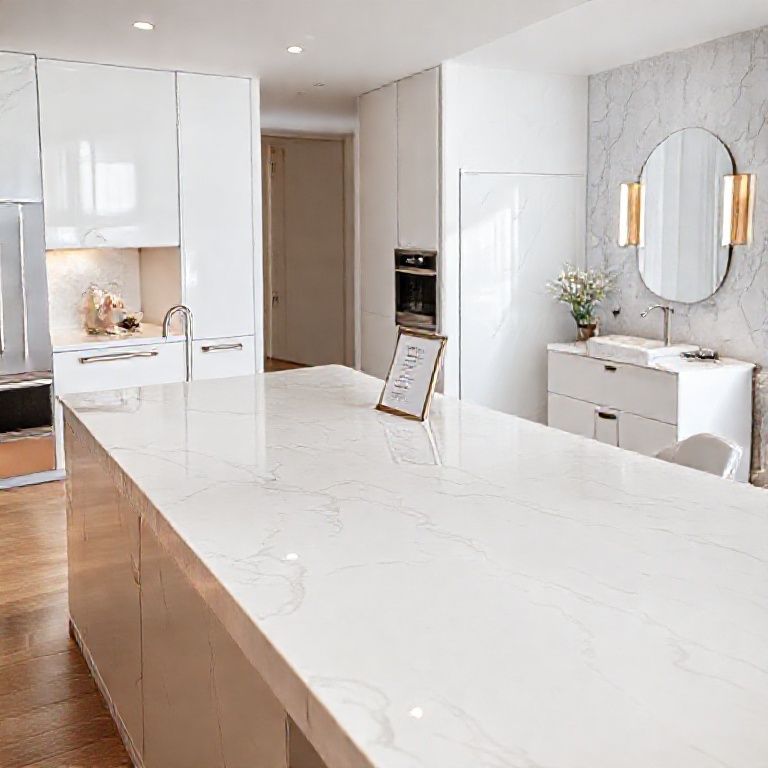
Dust and Particles
The installation process, particularly sawing, drilling, and polishing, generates fine dust particles that can be inhaled. These particles may contain:
Stone Powders: Depending on the type of stone used, these powders could contain silica, which is a known lung irritant and can contribute to respiratory diseases like silicosis. Resin Particles: These can also irritate the respiratory system if inhaled over extended periods.
Long-Term Health Risks
While the immediate effects of exposure to dust and fumes from artificial marble are often short-term, prolonged exposure could lead to chronic health issues. These may include:
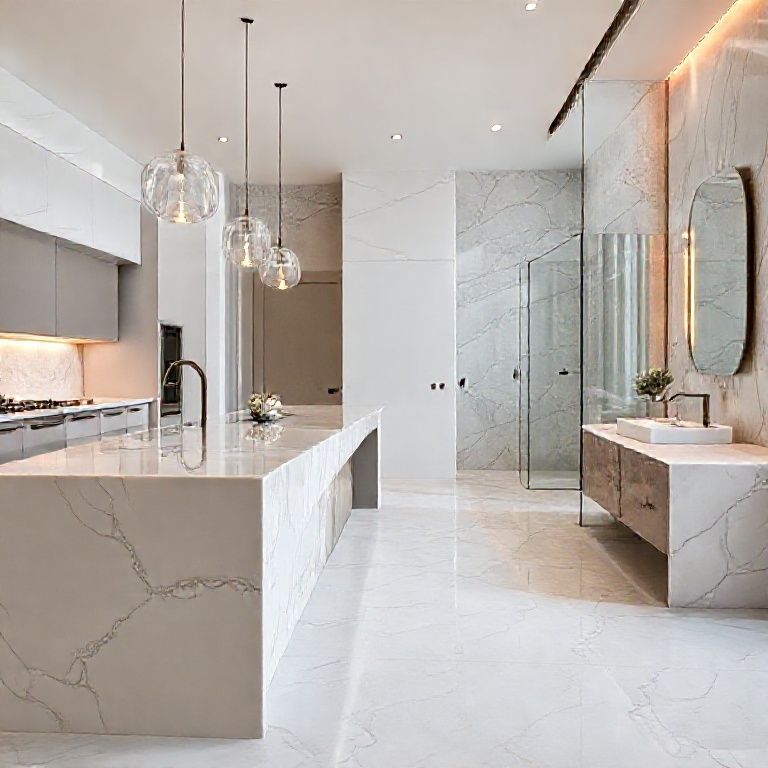
Respiratory Problems: Long-term inhalation of dust and chemicals can lead to chronic bronchitis, reduced lung function, and other respiratory diseases. Dermatological Issues: Continuous contact with dust or chemicals can result in skin irritation, rashes, and other allergic reactions.
Safe Usage Practices
To mitigate the health risks associated with artificial marble, several practices can be adopted:
Proper Ventilation
Ensuring good ventilation during the installation and use of artificial marble can significantly reduce the concentration of airborne chemicals and dust. Open windows, use exhaust fans, and consider air purification systems.
Personal Protective Equipment (PPE)
If you are involved in the installation or maintenance of artificial marble, using PPE such as masks, gloves, and goggles can help protect you from inhaling harmful dust and chemicals.
Quality Control
Choose high-quality artificial marble products from reputable manufacturers. High-quality products are less likely to emit harmful chemicals and contain fewer impurities.
Regular Cleaning
Regular cleaning of surfaces made from artificial marble can help reduce the accumulation of dust and potential chemical residues. Use mild cleaning agents and avoid abrasive materials that could damage the surface and release more dust.
Consult Professionals
Always consult with professionals when installing artificial marble to ensure that it is done correctly. Professionals are trained to handle the material safely and can minimize the risk of exposure to harmful substances.
In the second part of our exploration into the health impacts of artificial marble, we will delve deeper into the specifics of exposure risks, potential health effects, and strategies for minimizing these risks. We will also compare artificial marble to other materials and discuss alternatives that might be safer for health-conscious individuals.
Detailed Exposure Risks
Understanding the specific risks associated with artificial marble involves a closer look at how exposure happens and the potential health effects.
Installation Phase
During the installation phase, workers and nearby individuals are at higher risk of exposure due to the release of dust and fumes:
Dust Generation
Cutting, sawing, and drilling artificial marble can produce fine dust particles that can be inhaled. This is particularly concerning if adequate protective measures are not in place.
Chemical Fumes
The resin binders used in artificial marble release VOCs and other chemicals that can create an unhealthy indoor environment. These fumes can linger for days, especially in poorly ventilated areas.
Usage Phase
Even after installation, there are ongoing risks:
Microbial Growth
Artificial marble, being a composite material, can harbor bacteria, mold, and other microorganisms if not cleaned properly. These can cause respiratory issues and other health problems.
Chemical Leaching
Over time, some chemicals from the resin binders might leach into food and water stored on surfaces made from artificial marble. This could pose long-term health risks.
Health Effects of Prolonged Exposure
Prolonged exposure to the chemicals and dust associated with artificial marble can lead to several health issues:
Respiratory Problems
Long-term inhalation of dust and VOCs can result in chronic respiratory conditions such as asthma, chronic obstructive pulmonary disease (COPD), and reduced lung function.
Dermatological Issues
Continuous contact with dust and chemicals can cause skin irritation, allergic reactions, and rashes. This is particularly problematic for those with pre-existing skin conditions.
Neurological Effects
Some studies suggest that prolonged exposure to VOCs can have neurotoxic effects, potentially leading to headaches, dizziness, and cognitive impairments.
Strategies to Minimize Health Risks
To further mitigate the health risks associated with artificial marble, several strategies can be adopted:
Enhanced Ventilation
Ensure that installation areas are well-ventilated with open windows and exhaust fans. Use air purifiers with HEPA filters to capture fine particles.
Use of Activated Charcoal Filters
Activated charcoal filters can help absorb some of the VOCs released from artificial marble, thereby reducing indoor air pollution.
Regular Professional Cleaning
Hire professional cleaning services to regularly clean artificial marble surfaces. This helps in removing accumulated dust and reducing the risk of microbial growth.
Use of Air-Purifying Devices
Air purifiers and UV light devices can help in reducing airborne particles and killing harmful microorganisms.
Comparing Artificial Marble to Other Materials
To better understand the health impacts of artificial marble, it’s useful to compare it with other materials commonly used in home and office settings.
Natural Stone
Natural stone such as granite and marble does not release VOCs or dust during installation and usage. However, it can be expensive and requires more maintenance.
Quartz Countertops
Quartz countertops are made from 94% quartz and 6% resin. They do not release VOCs or dust, making them a safer alternative to artificial marble. However, they are more prone to scratches and require sealing.
Laminate and Veneer
Laminate and veneer materials can also release VOCs during installation but usually pose fewer health risks once installed. They are cheaper but less durable than natural and synthetic stone.
Safer Alternatives to Artificial Marble
For those concerned about the health impacts of artificial marble, several safer alternatives are available:
Solid Surface Materials
Materials like Corian and Formica are made from acrylic resins and do not release VOCs or dust. They are durable and low-maintenance.
Natural Stone
While more expensive, natural stone offers a durable and aesthetically pleasing option without the associated health risks of artificial marble.
Wood
Wood countertops are a natural and aesthetically pleasing option that does not release harmful chemicals. However, they require regular maintenance to prevent warping and insect damage.
Conclusion
While artificial marble offers many benefits in terms of cost, durability, and design flexibility, it’s essential to be aware of its potential health impacts. By understanding the risks and adopting proper safety measures, you can enjoy the benefits of artificial marble without compromising your health. Always opt for high-quality materials, ensure proper ventilation, use protective equipment, and consider safer alternatives when necessary.
By staying informed and proactive, you can create a healthier and safer living and working environment, regardless of the materials you choose to use.