Dive into the intricate world of artificial marble and explore the often overlooked topic of formaldehyde content within these popular materials. In this first part, we will unravel the basics of artificial marble, understand how formaldehyde is introduced during its creation, and discuss the health implications of this concern. Stay tuned for part 2 where we will delve deeper into detection methods and mitigation strategies.

Understanding Artificial Marble and Formaldehyde Concerns
Artificial marble, often referred to as engineered stone or artificial stone, has revolutionized the interior design and construction industries due to its impressive durability, aesthetic appeal, and cost-effectiveness. However, beneath its glossy exterior lies a question that has sparked considerable debate and concern: Does artificial marble contain formaldehyde?
What is Artificial Marble?
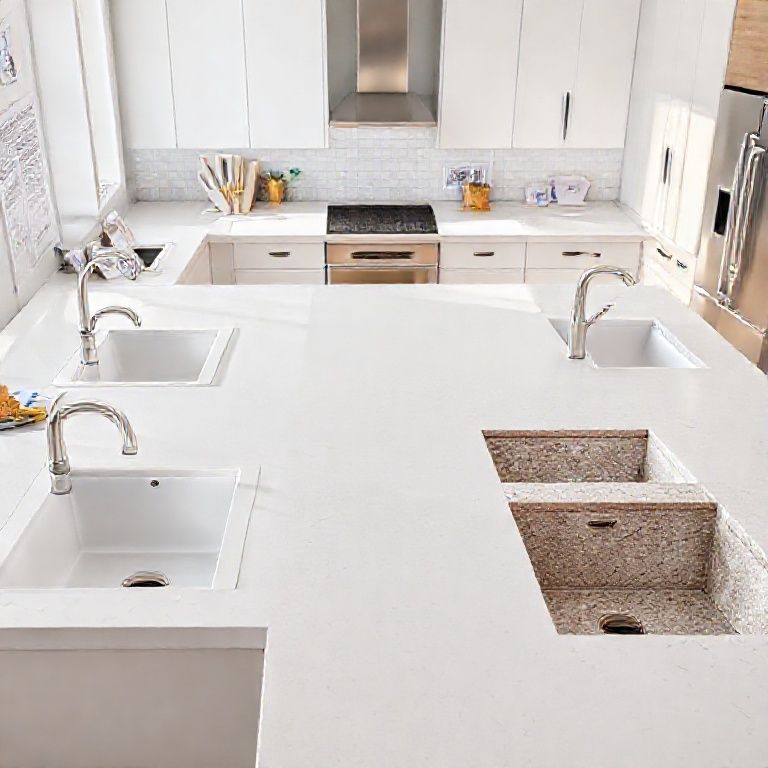
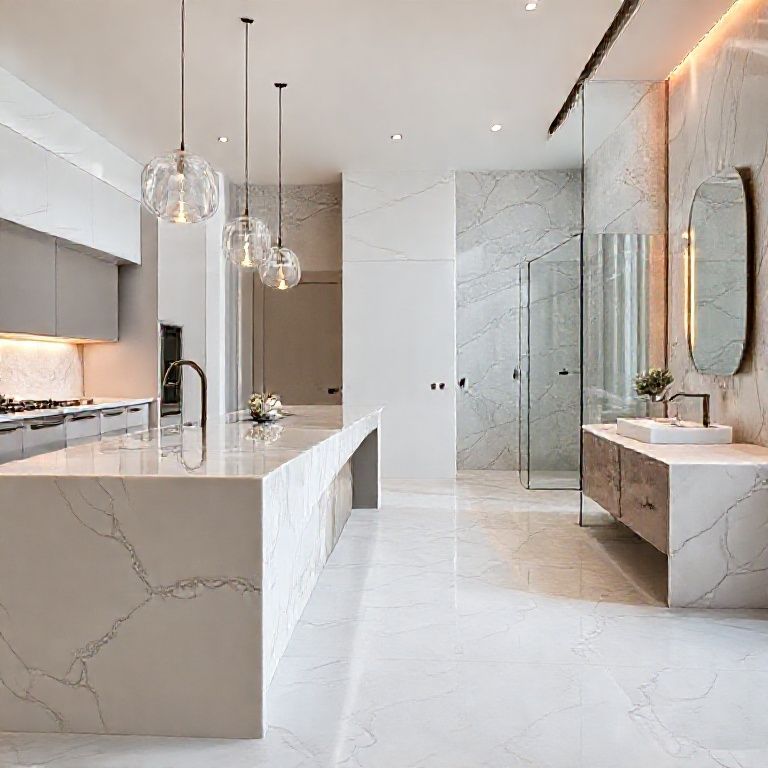
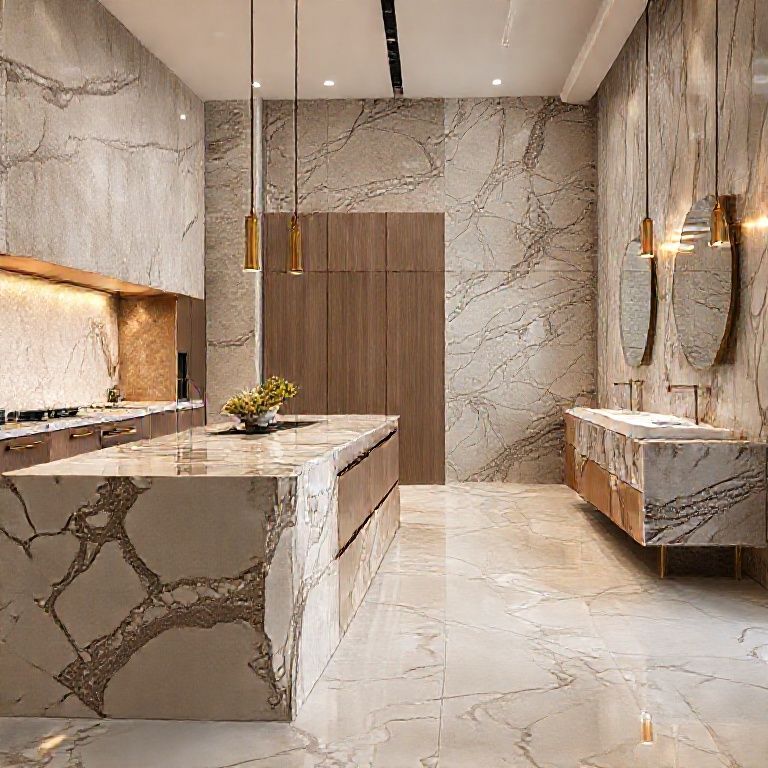
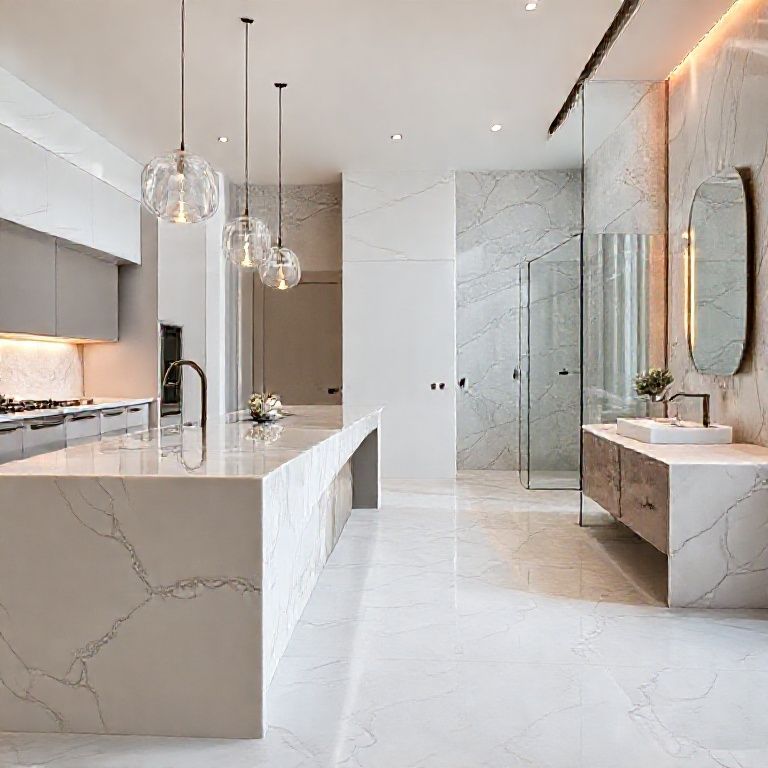
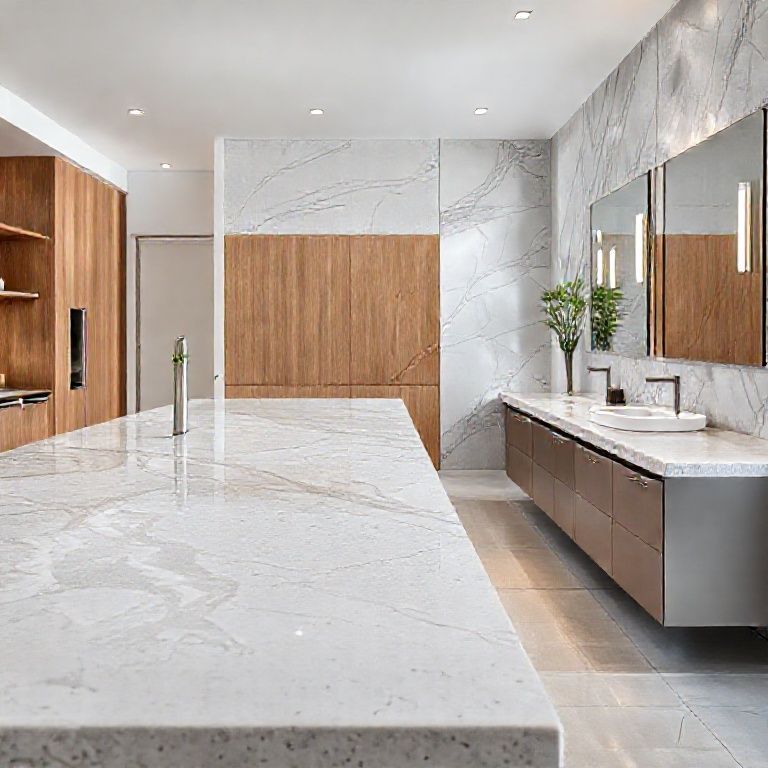
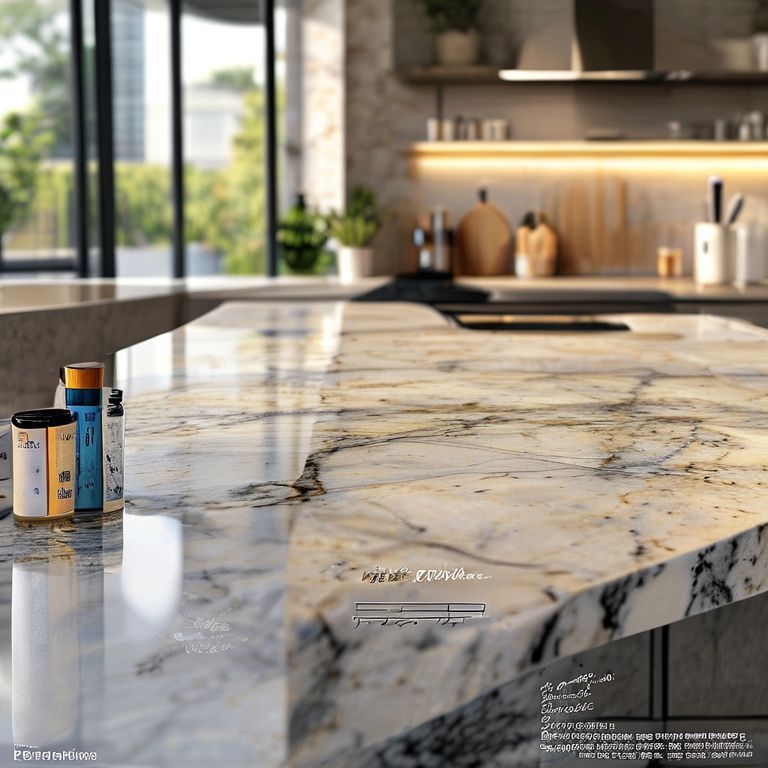
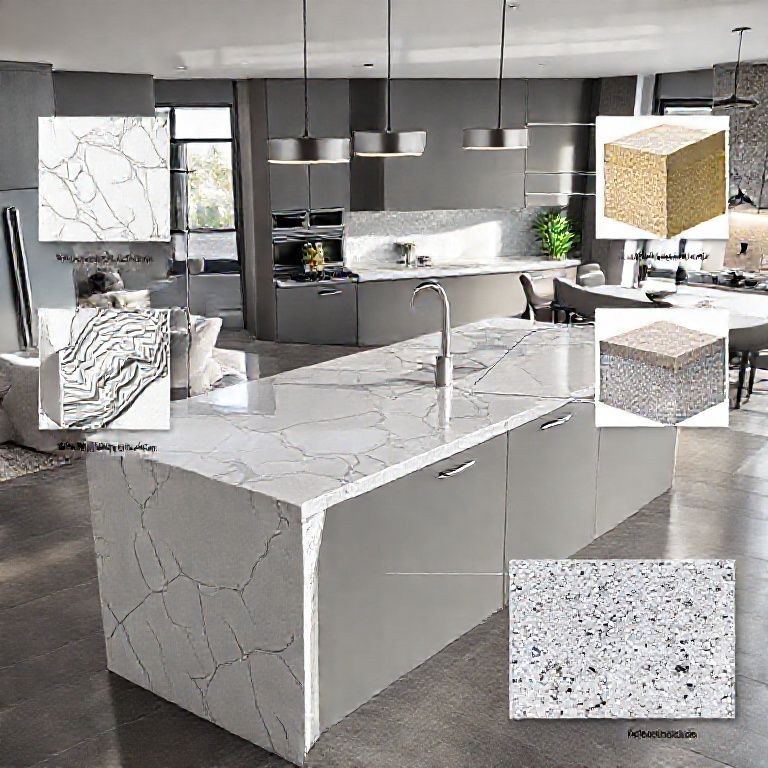
Artificial marble is a composite material created by combining natural stone powder, typically quartz, with a resin binder. This mixture is then pressed and heated to form a solid, stone-like surface. The resultant material mimics the look and feel of natural marble while offering enhanced properties like increased strength, resistance to scratches and stains, and a more straightforward maintenance process.
The Composition of Artificial Marble
The core components of artificial marble include:
Quartz Powder: Provides the material with its characteristic hardness and aesthetic appeal. Resin Binder: Typically a polymer, such as polyester or epoxy resin, which binds the quartz particles together to form a cohesive structure. Colorants and Additives: Used to achieve specific color and texture variations.
Formaldehyde in Artificial Marble: The Basics
Formaldehyde is a colorless, flammable gas with a distinct, pungent odor. It is commonly used as a disinfectant, preservative, and in the production of resins. In the context of artificial marble, formaldehyde is often utilized as a key component in the resin binder that holds the quartz particles together. During the manufacturing process, formaldehyde can become trapped within the material, leading to its release over time.
Health Implications
Formaldehyde is a known carcinogen and is classified as a hazardous substance by various health organizations, including the World Health Organization (WHO) and the Environmental Protection Agency (EPA). It can cause a range of health issues, particularly when inhaled or absorbed through the skin in high concentrations. Symptoms of formaldehyde exposure include respiratory problems, skin irritation, headaches, and in severe cases, long-term health risks like cancer.
Why Formaldehyde Matters in Artificial Marble
Given the health implications of formaldehyde, it is crucial to understand its presence in artificial marble. Here are some key reasons why this concern is significant:
Indoor Air Quality: Homes and offices where artificial marble is used often have poor ventilation. This can lead to the accumulation of formaldehyde, posing a health risk to occupants.
Prolonged Exposure: Unlike some volatile substances, formaldehyde can persist in the material, meaning that the risk of exposure is not limited to the initial period following installation.
Sensitivity and Allergies: Individuals with pre-existing respiratory conditions, allergies, or sensitivities to chemicals are particularly vulnerable to the adverse effects of formaldehyde.
Regulatory Standards and Testing
Various regulatory bodies have established guidelines to monitor formaldehyde levels in construction materials. For instance, the California Air Resources Board (CARB) has set specific standards for formaldehyde emissions from composite wood products and other materials. These regulations aim to protect public health by limiting the allowable levels of formaldehyde in products used indoors.
Manufacturers of artificial marble often conduct rigorous testing to ensure their products meet these regulatory standards. However, the results can vary significantly between brands and batches, highlighting the importance of thorough research before making a purchase.
Consumer Awareness and Choice
As a consumer, being informed about the formaldehyde content in artificial marble is essential. Here are some steps you can take to make a more informed decision:
Research Brands: Look for manufacturers that are transparent about their production processes and provide data on formaldehyde levels.
Certifications: Opt for products that have been tested and certified by reputable organizations, ensuring they meet health and safety standards.
Ventilation: Ensure proper ventilation in areas where artificial marble is installed to minimize the risk of formaldehyde accumulation.
Conclusion
The question of whether artificial marble contains formaldehyde is not just a technical concern but a significant health issue that requires careful consideration. Understanding the composition and manufacturing processes of artificial marble, along with the associated health risks, empowers consumers to make informed decisions. In the next part, we will explore the detection methods for formaldehyde in artificial marble and discuss effective strategies to mitigate its presence.
Continuing our exploration of artificial marble, this second part delves into the detection methods for formaldehyde in these materials and provides actionable strategies for mitigating its presence. Learn about the latest scientific advancements and practical tips to ensure a safer indoor environment.
Detection Methods and Mitigation Strategies for Formaldehyde in Artificial Marble
In the previous part, we discussed the intricate composition of artificial marble and the health implications of its formaldehyde content. Now, we will focus on how to detect formaldehyde in artificial marble and the effective strategies to mitigate its presence, ensuring a safer indoor environment.
Detection Methods for Formaldehyde
Detecting formaldehyde in artificial marble involves several scientific methods, each with its advantages and limitations. Here are the most commonly used techniques:
Mitigation Strategies for Formaldehyde
Once formaldehyde is detected, several strategies can be employed to mitigate its presence and minimize health risks. Here are some effective approaches:
Long-term Solutions and Innovations
Advancements in material science and technology are paving the way for more sustainable and safer construction materials. Here are some promising innovations:
这些方法包括使用可再生能源、减少废弃物和采用更加环保的化学反应。 教育和意识提升: 公众教育: 提高公众对甲醛污染和健康风险的认识,特别是在建筑材料和家具选择方面。 企业培训: 对建筑行业和制造业从业人员进行培训,使他们了解如何选择和使用低甲醛或甲醛含量低的材料。
政策和法规: 严格的法规: 应制定并严格执行关于建筑材料甲醛排放的法规,确保市场上的产品符合健康标准。 认证体系: 建立和推广甲醛排放标准的第三方认证体系,确保产品的透明度和安全性。 技术创新: 研发投资: 鼓励科研机构和企业投资于开发新型低甲醛或无甲醛的建筑材料和制造工艺。
先进检测技术: 开发和推广高效、低成本的甲醛检测技术,使其能够在生产和销售前进行全面检测。
通过以上多方面的努力,我们可以更有效地减少人造大理石等建筑材料中的甲醛含量,从而保护公众健康,同时推动建筑行业的可持续发展。