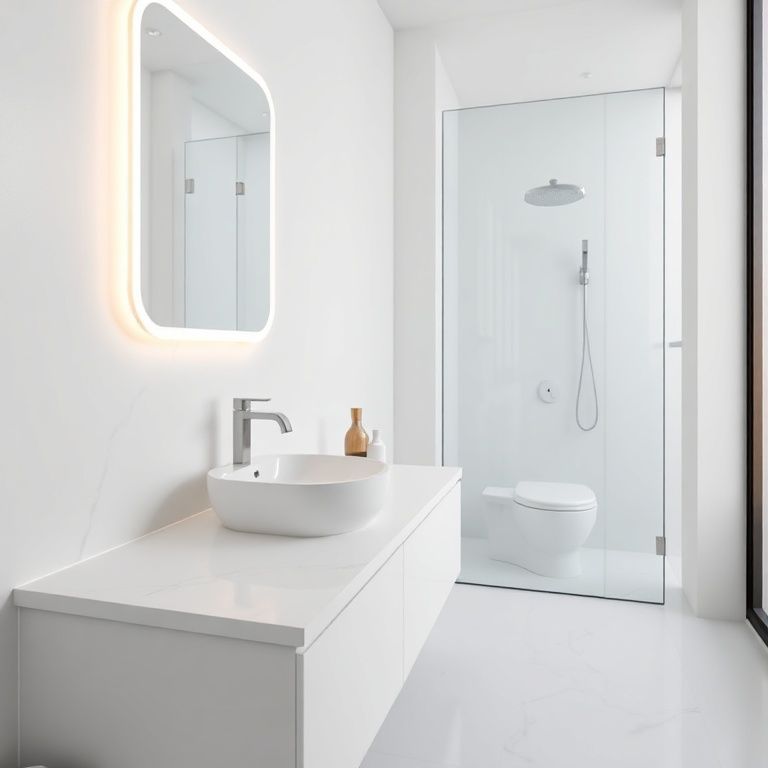
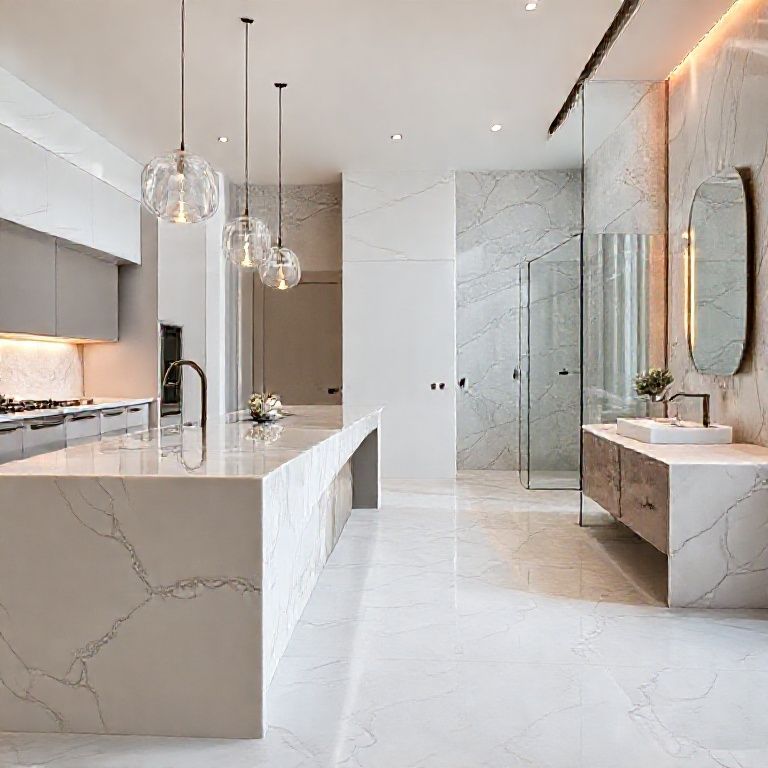
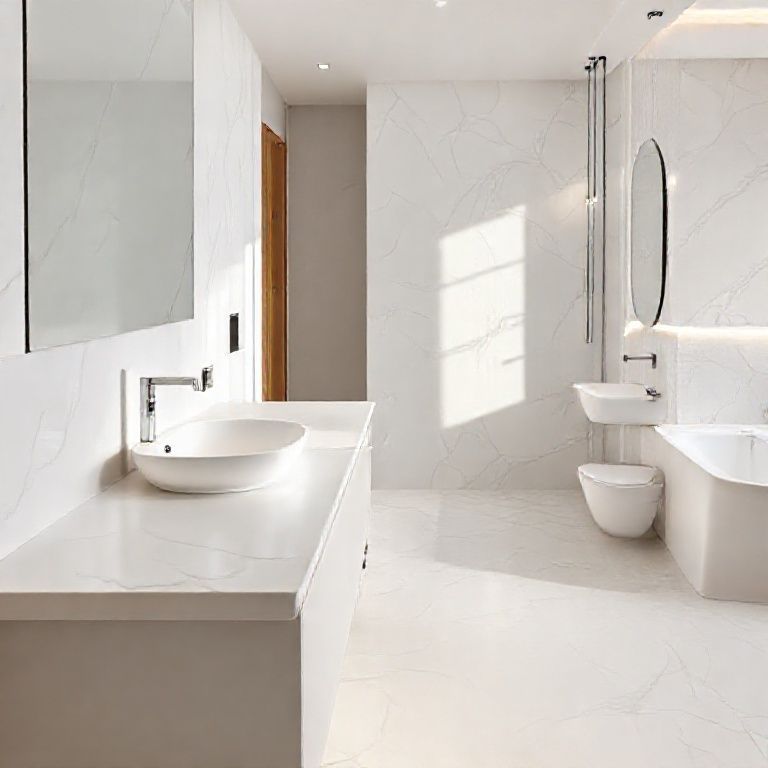
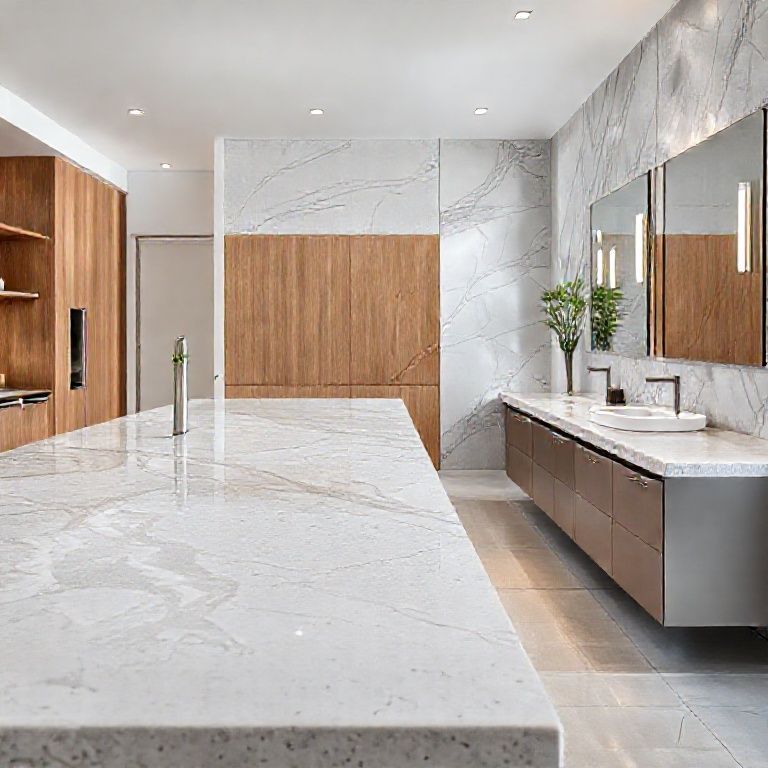
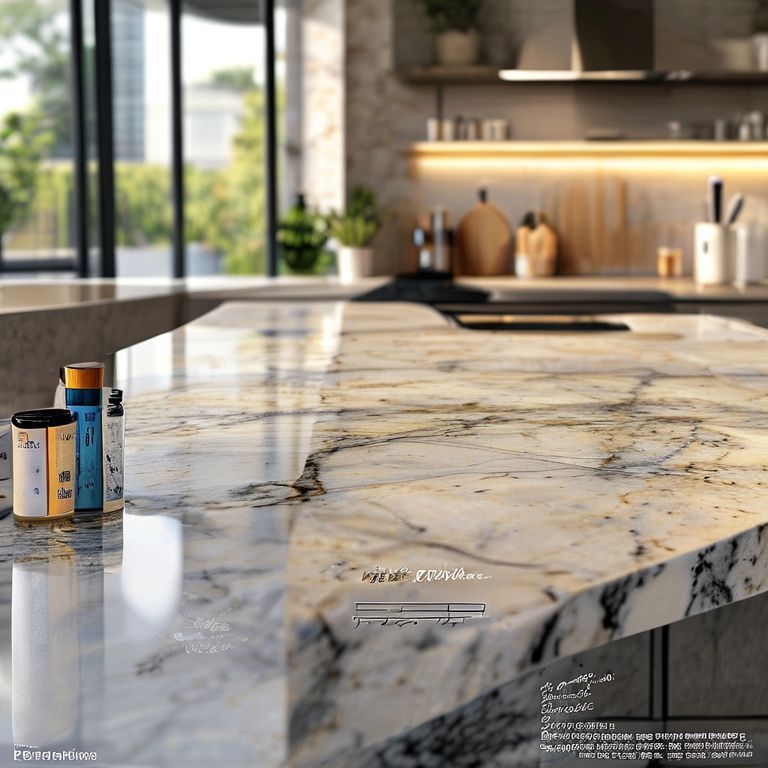
In recent years, artificial marble has surged in popularity across the globe, especially within the realms of interior design and home renovation. This modern marvel has replaced traditional stone in countless homes and commercial spaces due to its striking aesthetics and versatile properties. However, with its rise in popularity, a pertinent question emerges: “Is artificial marble harmful?” This first part of our exploration will navigate through the materials, production processes, and initial concerns surrounding artificial marble.

The Composition and Production of Artificial Marble
Artificial marble, often referred to as cultured marble or synthetic stone, is a composite material primarily composed of limestone, marble dust, and a bonding agent, usually a resin. This mixture is meticulously heated and compressed to form a solid, durable stone that mimics the appearance of natural marble. The process is carefully engineered to ensure a product that is not only visually appealing but also resistant to stains and scratches.
While the primary constituents are natural, the bonding agents and additives used can vary significantly. These resins often contain chemicals such as urea-formaldehyde or acrylic polymers, which are pivotal in binding the stone fragments together. Despite their effectiveness, these chemicals have raised eyebrows regarding potential health and environmental hazards.
Potential Health Concerns
The primary concern surrounding artificial marble stems from the chemical additives used in its production. When cut, polished, or subjected to abrasive wear, these materials can release volatile organic compounds (VOCs) into the air. VOCs are a group of chemicals that easily vaporize at room temperature, potentially leading to indoor air quality issues. Compounds like formaldehyde, used in some resins, have been classified as human carcinogens by the International Agency for Research on Cancer (IARC).
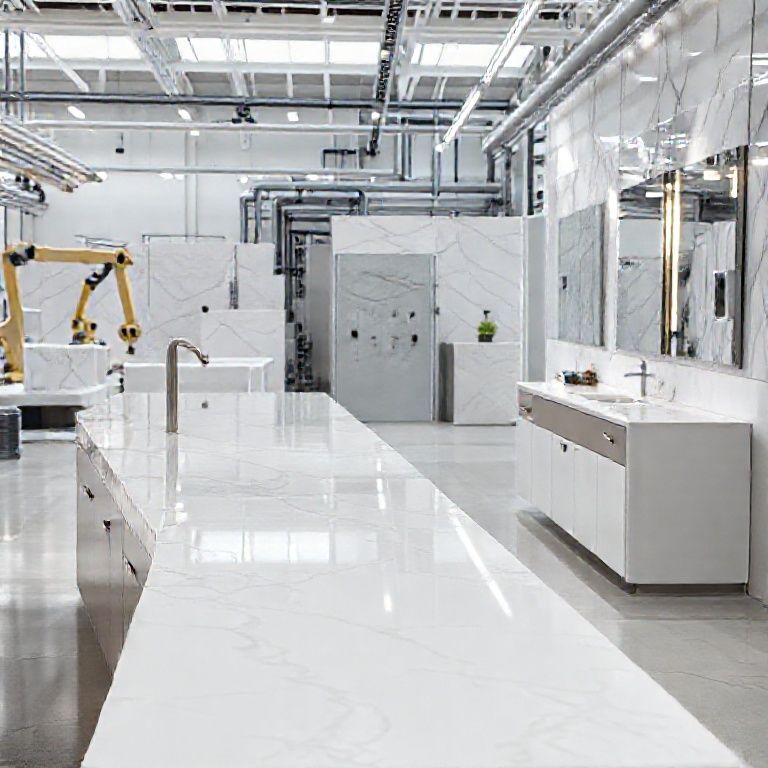
Moreover, the manufacturing process of artificial marble involves high temperatures and pressures, which can cause off-gassing—the release of harmful chemicals into the surrounding environment. Although manufacturers claim that these emissions diminish over time, the lingering presence of VOCs remains a concern for long-term indoor air quality.
Regulatory Standards and Safety Measures
To address these concerns, numerous regulatory bodies have set forth guidelines and standards to ensure the safety of artificial marble. For instance, the American Society for Testing and Materials (ASTM) has established standards for the production and testing of cultured stone. These standards necessitate rigorous testing for VOC emissions and ensure that the final product meets specific safety criteria.
Manufacturers are also increasingly adopting eco-friendly resins and additives to minimize chemical exposure. Innovations in material science have led to the development of non-toxic, low-VOC resins that maintain the integrity and aesthetic of artificial marble while reducing potential health risks.
Environmental Impact
Beyond human health, the environmental footprint of artificial marble is another critical aspect to consider. The production of artificial marble, like any industrial process, has an environmental impact. The extraction of limestone and marble dust, along with the energy-intensive manufacturing process, contribute to carbon emissions and resource depletion.
However, advancements in recycling and sustainable practices are helping to mitigate these impacts. For instance, some manufacturers are incorporating recycled materials into their products, thus reducing the demand for new raw materials. Additionally, the durability of artificial marble—which often exceeds that of natural stone—translates to less frequent replacements, thereby reducing waste over time.
Conclusion of Part 1
In summary, while artificial marble offers numerous benefits in terms of aesthetics, durability, and cost-effectiveness, it is not without potential risks. The primary concerns revolve around the chemical additives used in its production and the associated VOC emissions. However, stringent regulatory standards, ongoing innovations in material science, and a growing emphasis on sustainability are paving the way for safer, more environmentally friendly options. In the next part of our exploration, we will further delve into the health implications, alternatives to artificial marble, and real-world case studies to provide a comprehensive understanding of its safety.
Continuing our detailed examination of artificial marble, this second part will focus on the health implications, alternatives to artificial marble, and real-world case studies. We aim to provide a comprehensive understanding of whether artificial marble poses a significant danger to human health and the environment.
Health Implications of Artificial Marble
Understanding the health implications of artificial marble requires a closer look at the chemical composition and the potential exposure routes. As mentioned earlier, artificial marble primarily consists of limestone, marble dust, and resins. The resins, which act as binding agents, can release VOCs, including formaldehyde, into the surrounding environment. Prolonged exposure to high levels of formaldehyde has been linked to respiratory problems, skin irritation, and, more seriously, an increased risk of cancer.
However, it is essential to distinguish between potential risks and actual harm. The concentration of VOCs released from artificial marble is typically lower than that from other sources such as paint, cleaning products, and tobacco smoke. Nonetheless, individuals with pre-existing respiratory conditions or heightened sensitivities may experience adverse effects, especially in poorly ventilated spaces.
Ventilation and Mitigation Strategies
Proper ventilation plays a crucial role in minimizing the impact of VOCs from artificial marble. Ensuring adequate airflow can significantly reduce the concentration of these harmful chemicals in indoor environments. Some experts recommend opening windows or using exhaust fans during the installation and initial use of artificial marble to enhance air quality.
Additionally, choosing high-quality products from reputable manufacturers can mitigate potential risks. Manufacturers adhering to stringent safety standards often provide detailed information on the VOC content and safety measures. Reading product labels and certifications can guide consumers in making informed choices.
Alternatives to Artificial Marble
For those concerned about the potential risks associated with artificial marble, several alternatives offer comparable aesthetics and durability with fewer health concerns.
Natural Stone
Natural stone, such as granite, quartzite, and slate, remains a popular choice. These materials are naturally occurring and do not involve the use of synthetic resins. While they may not match the exact durability of artificial marble, they offer timeless beauty and are less likely to emit harmful chemicals.
Stone Veneer
Stone veneer is another viable alternative. It involves adhering a thin layer of natural stone to a substrate, such as concrete or plywood. Stone veneer provides the visual appeal of natural stone without the substantial cost and maintenance requirements. However, it is essential to ensure that the adhesive used in the veneer process is non-toxic and meets safety standards.
Alternative Composites
Research into alternative composites continues to evolve, with some promising materials showing potential as safer alternatives to traditional artificial marble. These include composites made from plant-based resins, which offer durability and aesthetic appeal while minimizing chemical exposure.
Real-World Case Studies
Examining real-world case studies can provide valuable insights into the long-term effects of using artificial marble and the efficacy of mitigation strategies.
Case Study 1: Residential Installation
In a recent residential project, a family opted for artificial marble countertops due to their cost-effectiveness and aesthetic appeal. Initially, the family reported mild respiratory discomfort and skin irritation. Upon investigation, it was discovered that the installation was performed in a poorly ventilated area, leading to elevated VOC levels.
After implementing proper ventilation and choosing a higher-quality product with lower VOC emissions, the family experienced significant improvement in air quality and health symptoms. This case underscores the importance of proper installation practices and ventilation in reducing health risks associated with artificial marble.
Case Study 2: Commercial Space
A commercial office space opted for artificial marble flooring due to its durability and low maintenance requirements. Over time, several employees reported persistent respiratory issues and headaches. An environmental assessment revealed elevated levels of VOCs from the artificial marble, which had not been adequately mitigated.
The office space subsequently switched to stone veneer flooring, which provided a natural stone appearance without the associated chemical risks. The employees reported a marked improvement in air quality and overall well-being, highlighting the potential long-term health benefits of choosing safer alternatives.
Conclusion
In conclusion, while artificial marble offers numerous benefits, including durability, cost-effectiveness, and aesthetic versatility, it is not without potential risks. The primary concerns revolve around the chemical additives used in its production and the associated VOC emissions. However, advancements in regulatory standards, material science, and sustainability practices are continuously improving the safety and environmental impact of artificial marble.
To mitigate potential health risks, proper ventilation, high-quality products, and informed choices are paramount. For those concerned about chemical exposure, alternatives such as natural stone, stone veneer, and innovative composites provide viable options.
Ultimately, the decision to use artificial marble should be based on a thorough understanding of its potential risks and benefits, alongside a commitment to health and environmental stewardship. By staying informed and making conscious choices, consumers can enjoy the beauty and functionality of artificial marble while safeguarding their well-being and the planet.