Introduction to Marble: A Timeless Elegance
Marble has long been synonymous with luxury, elegance, and timeless beauty. This exquisite natural stone, derived from limestone, is celebrated for its unique patterns, vibrant colors, and unparalleled aesthetic appeal. However, with the rise of man-made marble, also known as cultured marble, the debate over which holds the crown of luxury has intensified. This article aims to shed light on the characteristics, benefits, and price points of both natural and man-made marble, helping you determine which is the superior choice for your next renovation project.

The Beauty and Authenticity of Natural Marble
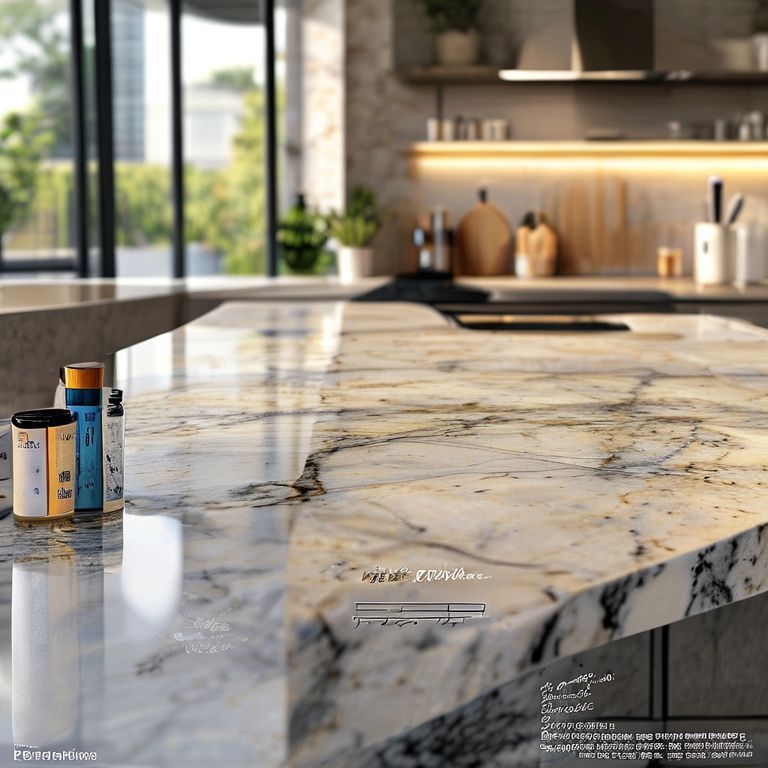
Natural marble boasts an unparalleled beauty that has captivated humans for centuries. Its intricate patterns, known as veining, are formed over millions of years through natural geological processes. Each piece of natural marble is unique, offering a bespoke touch that cannot be replicated. The authenticity of natural marble lends itself to an air of sophistication and exclusivity.
Durability and Maintenance
Natural marble is renowned for its durability. Over time, it develops a patina that enhances its beauty, making it a timeless choice for those who value longevity. However, natural marble also requires meticulous care and maintenance. It is susceptible to scratches, stains, and etching from acidic substances. Regular sealing and proper cleaning are essential to preserve its pristine condition.
Cost-Effectiveness: A Double-Edged Sword
The price of natural marble can vary significantly based on its rarity, quality, and origin. High-end marbles like Italian Carrara or Brazilian Maranhao can be prohibitively expensive. While natural marble offers an irreplaceable aesthetic, its cost can be a major consideration for many homeowners and businesses. On the other hand, the resale value of natural marble often remains high, making it a sound investment in the long run.
Man-Made Marble: The Innovator’s Choice
Man-made marble, or cultured marble, has emerged as a revolutionary alternative to its natural counterpart. Crafted through a process that combines limestone, marble dust, and resin, cultured marble is engineered to mimic the beauty and durability of natural marble. This synthetic stone offers a myriad of benefits that have captured the interest of designers and homeowners alike.
Versatility and Design Flexibility
One of the standout features of cultured marble is its versatility. It can be molded into virtually any shape or form, allowing for endless design possibilities. This flexibility makes it an ideal choice for custom creations, from intricate tabletops to elaborate wall features. The availability of a wide range of colors and patterns further enhances its appeal.
Durability and Maintenance
While natural marble’s durability is undeniable, cultured marble offers a unique advantage in terms of resilience. Cultured marble is more resistant to scratches and stains, making it easier to maintain. It is also impervious to acids, which can be a significant concern with natural marble. This durability translates to a lower maintenance requirement, making it a practical choice for high-traffic areas.
Cost-Effectiveness: An Affordable Luxury
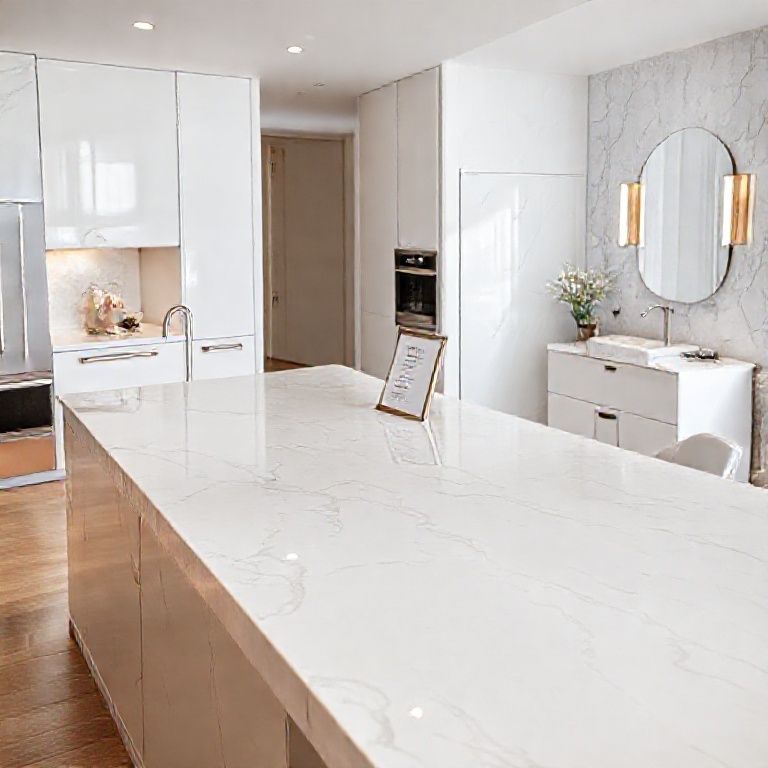
One of the most compelling aspects of cultured marble is its cost-effectiveness. Because it is manufactured rather than mined, cultured marble can be produced in large quantities, reducing production costs. This allows for a broader price range, making it accessible to a wider audience. While high-end natural marbles remain exclusive, cultured marble offers a luxurious alternative at a fraction of the price.
The Verdict: Which Marble Holds the Crown of Luxury?
Determining which marble holds the crown of luxury ultimately comes down to personal preference and specific project requirements. Natural marble’s authenticity, timeless elegance, and unique beauty make it a coveted choice for those who value tradition and exclusivity. On the other hand, cultured marble’s versatility, durability, and affordability present an attractive option for modern designs and practical applications.
Conclusion to Part 1
In the grand debate between natural and man-made marble, both options offer distinct advantages that cater to different tastes and needs. Whether you are drawn to the timeless allure of natural marble or the innovative appeal of cultured marble, each holds its own place in the realm of luxury. As we delve deeper into this comparison, we will further explore the nuances that make these materials stand out in the world of interior design and home renovation.
The Aesthetic Appeal: Natural vs. Man-Made Marble
When it comes to aesthetic appeal, both natural and man-made marble have their unique charms. The allure of natural marble lies in its authenticity and the natural patterns that make each piece a true work of art. These unique veinings and colors are the result of millennia of geological processes, creating a sense of history and timelessness. Natural marble’s beauty is often described as organic and refined, evoking a sense of luxury and sophistication.
Man-Made Marble: A Modern Masterpiece
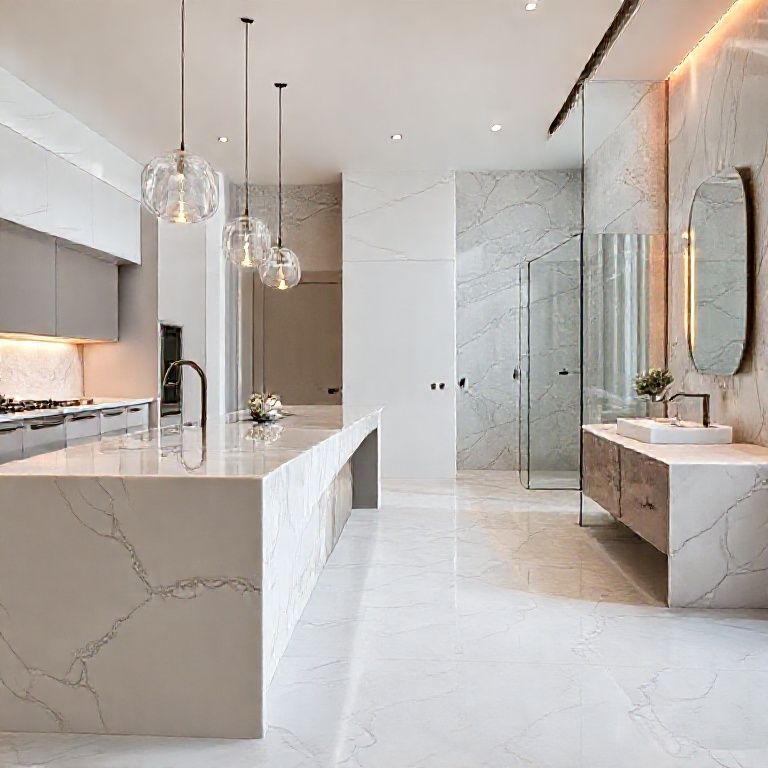
Cultured marble, on the other hand, offers a modern take on marble’s aesthetic appeal. While it strives to replicate the natural beauty of marble, it also introduces a level of design flexibility that natural marble cannot match. The process of creating cultured marble allows for an extensive range of colors, patterns, and finishes. This versatility means that cultured marble can be tailored to fit any design vision, from minimalist to extravagant.
Texture and Finish
The texture and finish of marble are critical factors in determining its overall aesthetic appeal. Natural marble’s texture is inherently unique, offering a natural, organic feel that is both tactile and visually pleasing. Over time, natural marble can develop a patina that adds to its character and beauty.
Cultured marble, however, allows for precise control over texture and finish. It can be polished to a high gloss or left with a more matte finish, depending on the desired look. This control over texture and finish provides designers with endless possibilities for creating unique and bespoke designs.
Functionality and Practicality: Natural vs. Man-Made Marble
Functionality in Design
Natural marble’s functionality in design is rooted in its timeless appeal and traditional elegance. It has been used in high-end architectural and interior design projects for centuries. Natural marble’s classic look makes it a preferred choice for timeless spaces where traditional aesthetics are valued.
Cultured marble, however, shines in its ability to adapt to contemporary design trends. Its versatility allows it to blend seamlessly into modern, minimalist, or even bold, eclectic designs. The ability to mold cultured marble into intricate shapes and forms means it can be used in virtually any design context, offering limitless functional possibilities.
Practicality and Maintenance
Natural marble’s practicality is both a blessing and a curse. Its beauty comes with the need for careful maintenance. Natural marble requires regular sealing to protect against stains and etching. It is also susceptible to scratches, which can mar its pristine appearance. This maintenance can be a significant concern for those who prefer low-maintenance options.
Cultured marble offers a practical alternative with its low maintenance requirements. It is highly resistant to scratches, stains, and etching, making it easier to clean and maintain. Its durability means it can withstand daily wear and tear without losing its luster. This practicality makes cultured marble an excellent choice for high-traffic areas like kitchens and bathrooms.
Cost Considerations: Natural vs. Man-Made Marble
Price Range and Value
When it comes to cost considerations, the price range of natural marble can be quite wide, depending on the type and quality. High-end natural marbles like Italian Carrara, Brazilian Maranhao, and Spanish Azulejo can command very high prices. These marbles are rare and highly sought after, reflecting their premium status.
Cultured marble, in contrast, offers a more accessible price range. The cost of cultured marble can be significantly lower than that of high-end natural marbles. This affordability does not compromise its quality or aesthetic appeal. Cultured marble provides a luxurious alternative without the high price tag, making it a practical choice for budget-conscious projects.
Long-Term Value and Investment
The long-term value of natural marble lies in its timeless appeal and potential for maintaining a high resale value. Natural marble’s rarity and unique characteristics often make it a sound investment, especially in properties where luxury and exclusivity are paramount.
Cultured marble, while more affordable upfront, also offers value in terms of durability and low maintenance. While it may not have the same resale value as natural marble, its practicality and design flexibility make it a valuable choice for many projects. The durability and ease of maintenance of cultured marble can result in lower long-term costs, even when factoring in maintenance.
The Future of Marble: Trends and Innovations
Emerging Trends
The future of marble is shaped by emerging trends in design and sustainability. Natural marble continues to hold a special place in high-end design, but there is a growing interest in sustainable and eco-friendly materials. This has led to innovations in both natural and man-made marble, with a focus on sourcing materials responsibly and reducing environmental impact.
Cultured marble has seen significant advancements in terms of sustainability. Manufacturers are exploring ways to use recycled materials and reduce waste in the production process. This trend towards sustainability aligns with broader design movements towards eco-friendly and responsible materials.
Innovations in Marble Technology
Innovative Trends in Marble Technology
As the world shifts towards more sustainable practices, the marble industry is also embracing innovation. Technological advancements are revolutionizing how marble is sourced, produced, and utilized in various applications.
Sustainable Sourcing
One of the most significant trends in the marble industry is the emphasis on sustainable sourcing. Both natural and cultured marble producers are adopting practices that prioritize environmental stewardship. This includes sourcing limestone and other raw materials responsibly, minimizing the ecological footprint, and ensuring that mining operations adhere to strict environmental regulations.
Advanced Manufacturing Techniques
The production of cultured marble has seen remarkable advancements in manufacturing techniques. Modern technologies allow for precise control over the composition and quality of the material, ensuring consistent results. Innovations such as 3D printing and advanced resin formulations are being integrated into the manufacturing process, offering new possibilities for intricate designs and patterns.
Eco-Friendly Finishes
Another area of innovation is the development of eco-friendly finishes for marble. Traditional sealing agents often contain chemicals that can be harmful to both the environment and human health. New, eco-friendly sealants are being developed that provide the necessary protection without compromising sustainability.
Applications in Modern Design
The versatility of marble continues to drive its popularity in modern design. Natural marble’s timeless elegance remains a favorite in traditional and classic settings, where its authentic beauty is highly valued. Cultured marble’s adaptability allows it to fit seamlessly into contemporary, minimalist, and even avant-garde designs. Its ability to mimic natural marble closely while offering enhanced durability and low maintenance makes it an attractive option for modern projects.
Conclusion
In the grand debate between natural and man-made marble, it is clear that both materials have unique strengths that cater to different design needs and preferences. Natural marble’s timeless elegance and authenticity continue to be revered, particularly in settings where tradition and luxury are paramount. Meanwhile, cultured marble’s versatility, durability, and affordability make it an ideal choice for modern, practical, and innovative design applications.
As the industry evolves, advancements in sustainability and technology will continue to shape the future of marble. Whether you choose natural or cultured marble, the materials’ rich history and ongoing innovations ensure they will remain at the forefront of luxury and design for years to come.
Final Thoughts
Ultimately, the choice between natural and man-made marble depends on your specific project requirements, design preferences, and budget considerations. Both options offer unparalleled beauty and quality, each with its own unique set of advantages. By understanding the distinctions and innovations shaping the marble industry, you can make an informed decision that best suits your vision and needs.
Whether you opt for the timeless allure of natural marble or the modern flexibility of cultured marble, you are sure to enhance the beauty and luxury of your space with these exquisite materials.