The Intricacies and Prices of Artificial Marble: An In-Depth Exploration
Introduction
When it comes to interior design and home renovation, the choice of material for countertops, sinks, and other surfaces plays a pivotal role. Among the myriad of options available, artificial marble stands out for its blend of aesthetics, durability, and cost-effectiveness. Understanding the intricacies and pricing of artificial marble is crucial for anyone looking to invest in this luxurious yet practical material. In this article, we delve deep into the world of artificial marble, exploring its composition, advantages, and pricing nuances.

What is Artificial Marble?
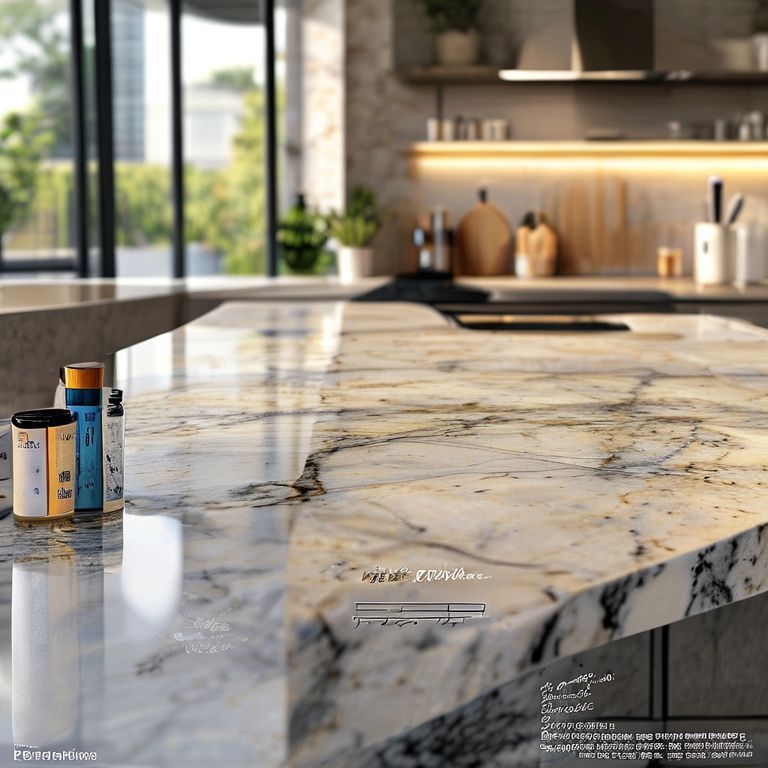
Artificial marble, also known as engineered stone, is a composite material made from a mixture of minerals, resins, and pigments. Unlike natural marble, which is formed from natural stone deposits, artificial marble is manufactured in a controlled environment. This process allows for the creation of various colors and textures, giving designers and homeowners a wide range of options to choose from.
Composition and Manufacturing Process
The manufacturing process of artificial marble begins with the selection of high-quality natural stone powders and synthetic resins. These components are mixed together and subjected to high pressure and temperature, resulting in a solid, homogeneous material. The pigments are added during this process to achieve the desired color and finish. Once the mixture is cured, it is cut into the desired shapes and sizes for various applications.
Advantages of Artificial Marble
Durability and Strength: Artificial marble is known for its superior strength and durability. It is highly resistant to scratches, stains, and thermal shock, making it an ideal choice for high-traffic areas such as kitchens and bathrooms.
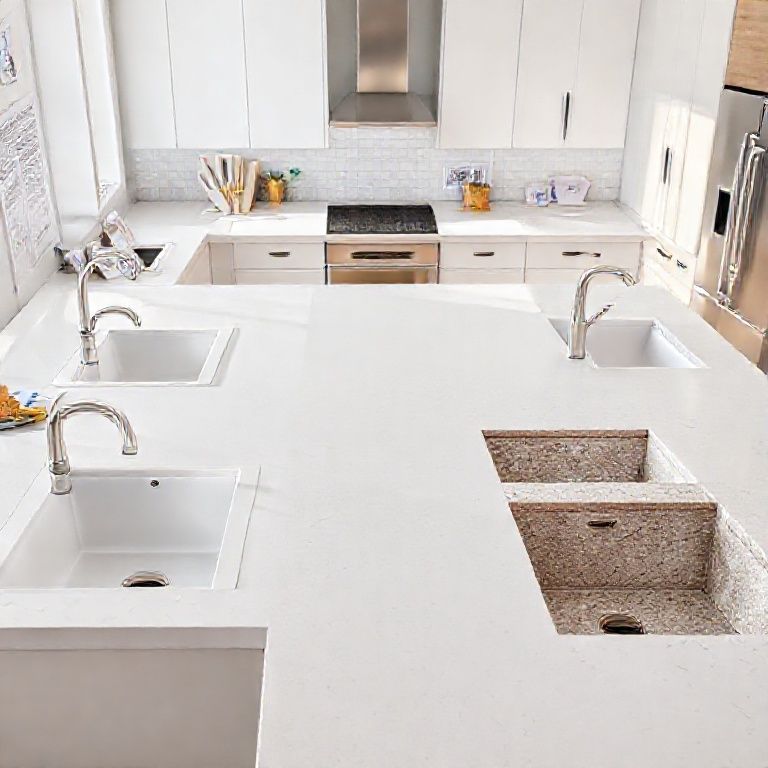
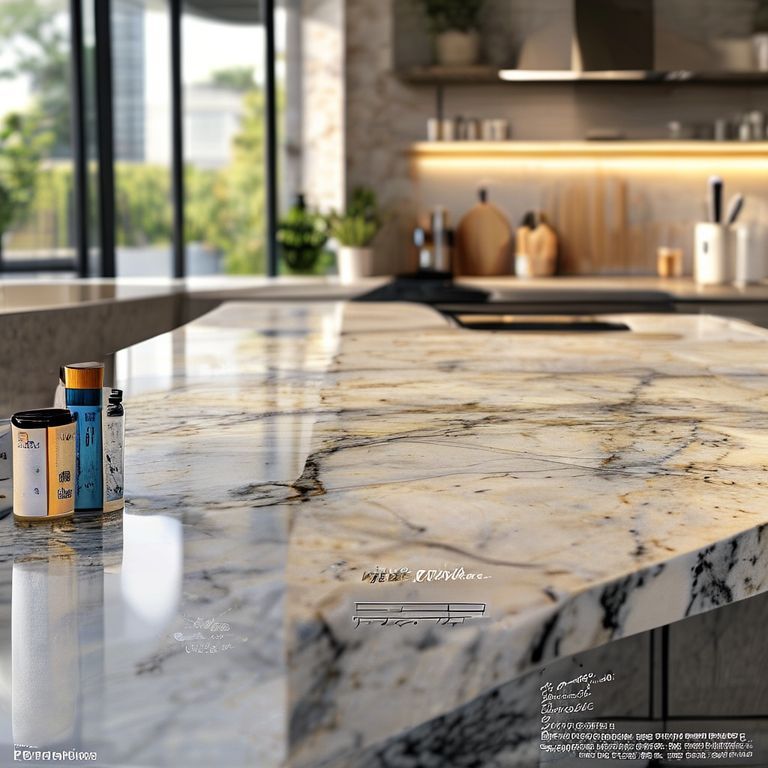
Customization: One of the biggest advantages of artificial marble is its versatility in terms of color and design. Manufacturers can create custom shades and patterns that closely mimic natural marble, giving designers the freedom to innovate and create unique designs.
Cost-Effectiveness: Compared to natural marble, artificial marble is significantly more affordable. This makes it an attractive option for both commercial and residential projects where budget constraints are a concern.
Low Maintenance: Artificial marble requires minimal maintenance. It is easy to clean and does not require sealing, unlike natural stone surfaces which often need regular maintenance to preserve their appearance.
Pricing Factors for Artificial Marble
When it comes to the cost of artificial marble, several factors come into play. Understanding these factors can help you make an informed decision when selecting this material for your project.
Material Quality
The quality of the raw materials used in the manufacturing process directly impacts the cost of artificial marble. High-quality stone powders and advanced resins will naturally increase the price. However, these materials contribute to the overall durability and aesthetic appeal of the finished product.
Customization
Customization is another significant factor in the pricing of artificial marble. Creating custom colors and patterns requires additional resources and expertise, which can drive up the cost. However, the ability to achieve unique designs can be a compelling reason to invest in this aspect.
Manufacturing Techniques
Advanced manufacturing techniques can also influence the cost of artificial marble. Processes such as layering and embedding can enhance the appearance and durability of the material, but they also add to the overall expense. Manufacturers who employ cutting-edge technology and quality control measures are likely to charge more for their products.
Brand and Reputation
The reputation of the manufacturer plays a crucial role in determining the price of artificial marble. Established brands with a proven track record of quality and customer satisfaction often command higher prices. This is because consumers are willing to pay a premium for the assurance of reliability and excellence.
Regional Differences
Geographical location can also impact the pricing of artificial marble. Costs may vary depending on the availability of raw materials, local labor costs, and transportation expenses. For instance, artificial marble produced in regions with high manufacturing costs may be more expensive than those sourced from areas with lower operational costs.
Average Prices of Artificial Marble
The cost of artificial marble can vary widely based on the factors mentioned above. However, to give you a general idea, here is a breakdown of the average prices for different types of artificial marble:
Standard Grades: $15 – $30 per square foot Premium Grades: $30 – $50 per square foot Custom Grades: $50 – $70 per square foot
These prices can fluctuate based on specific requirements and local market conditions. It is always best to get quotes from multiple suppliers to get an accurate estimate.
Applications of Artificial Marble
Artificial marble is incredibly versatile and finds applications in various settings, from residential to commercial spaces. Here are some of the most common uses:
Kitchens and Bathrooms
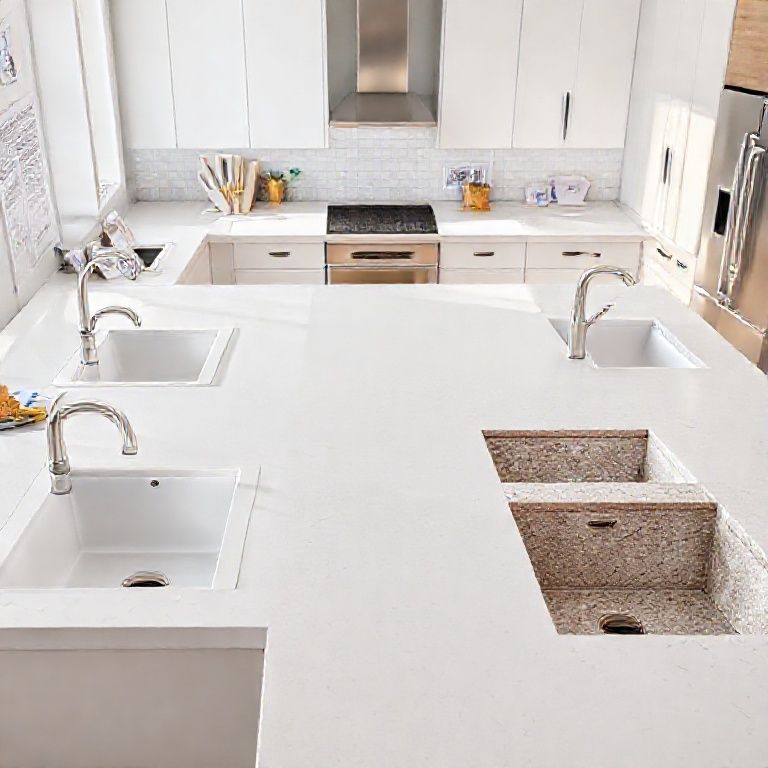
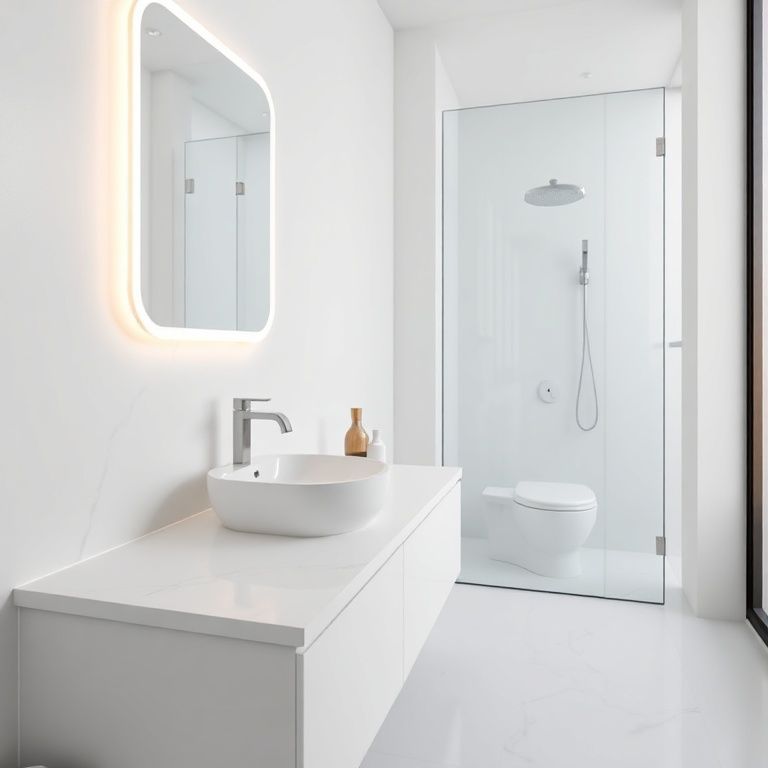
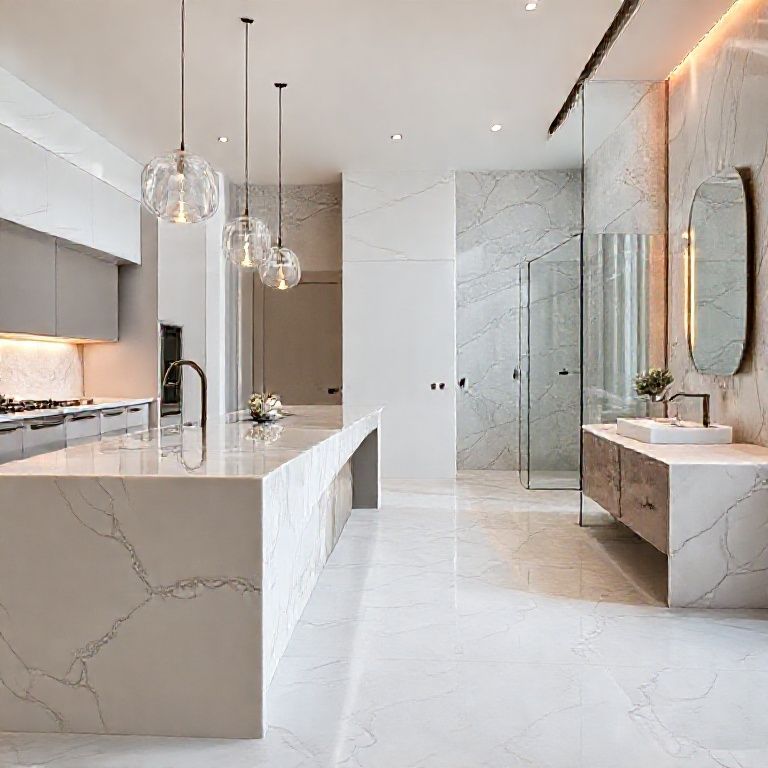
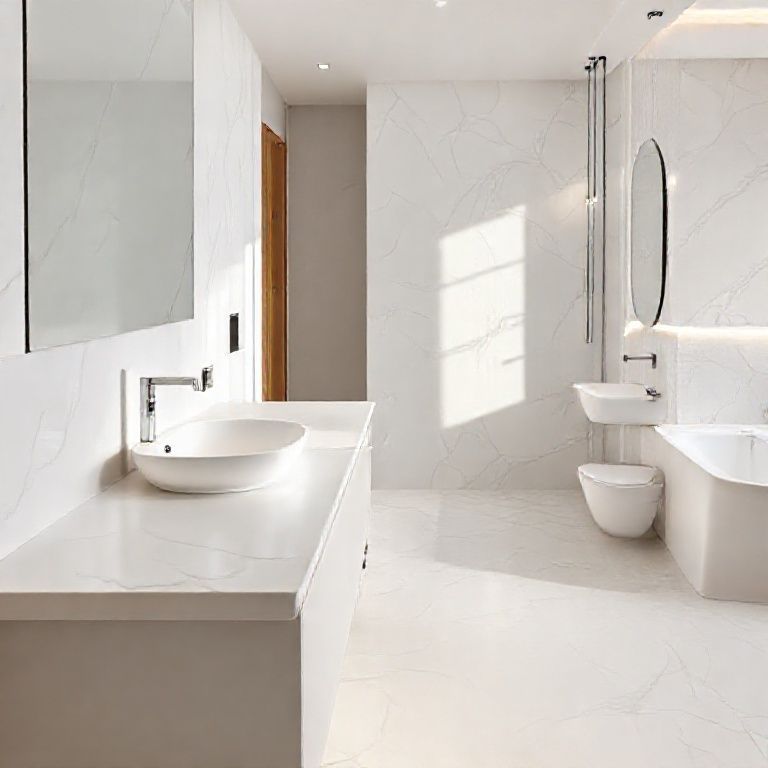
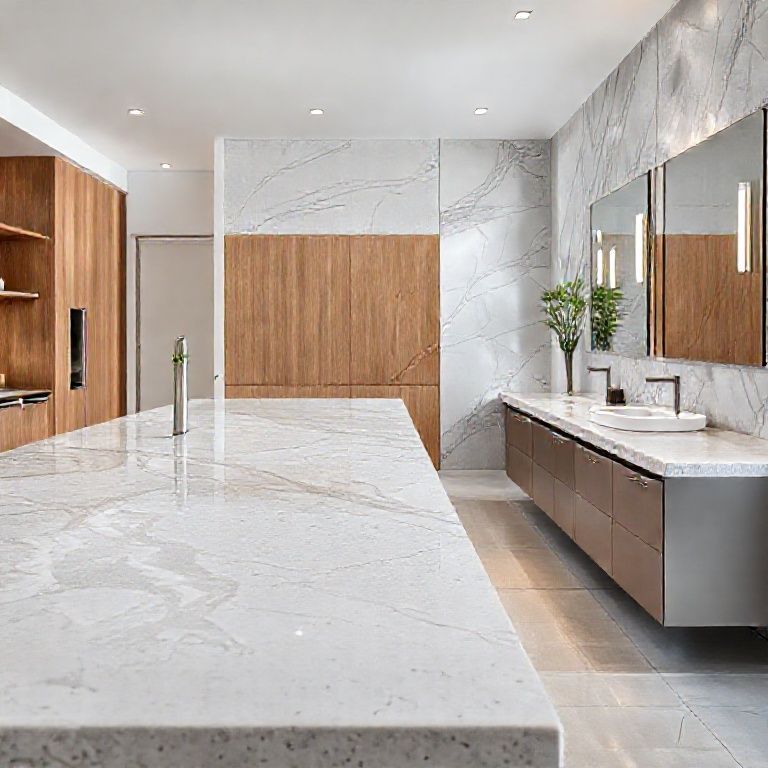
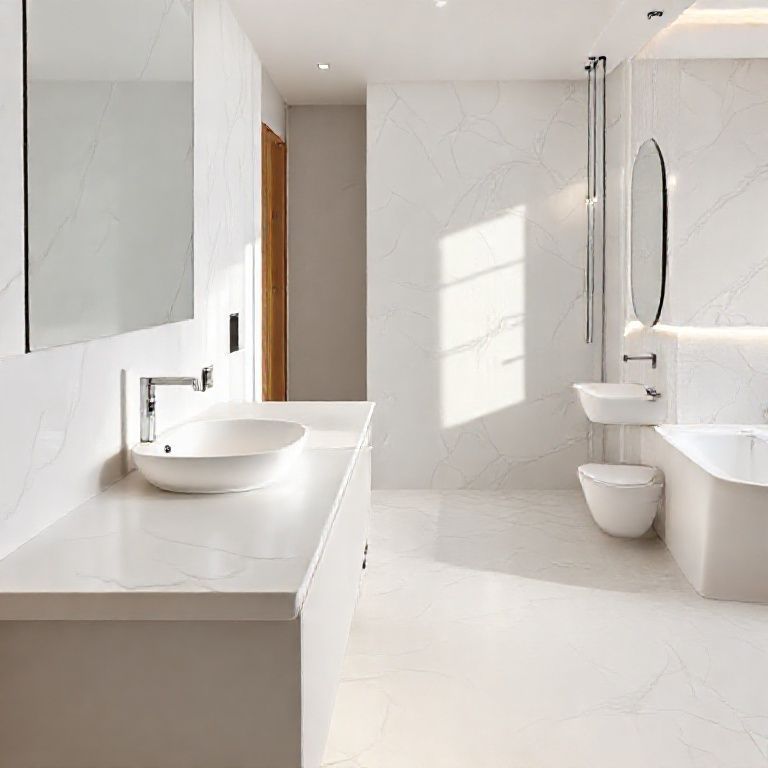
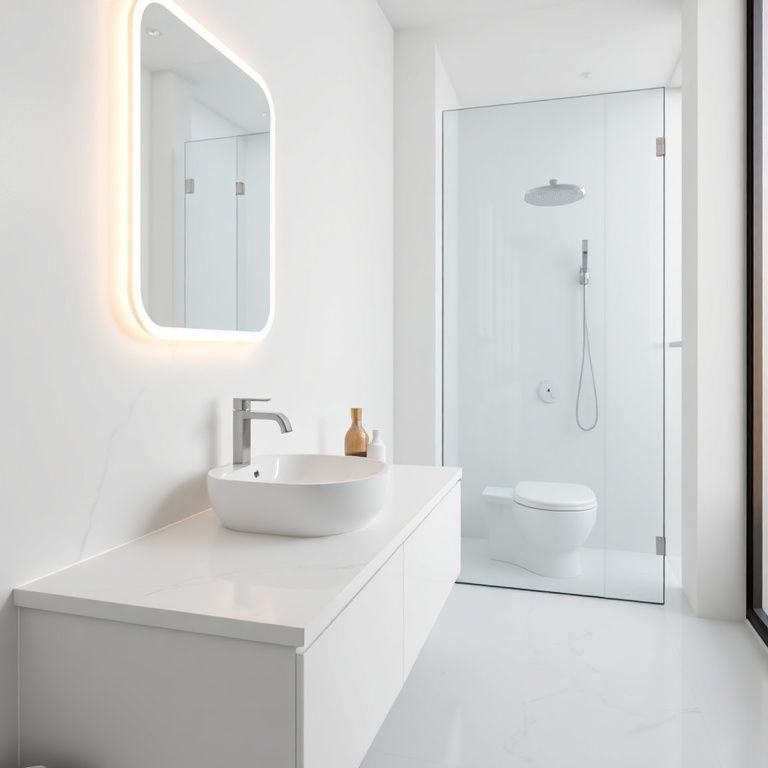
Artificial marble is a popular choice for kitchen countertops and bathroom vanities. Its durability and low maintenance make it ideal for areas that are frequently exposed to moisture and heat.
Interior Design
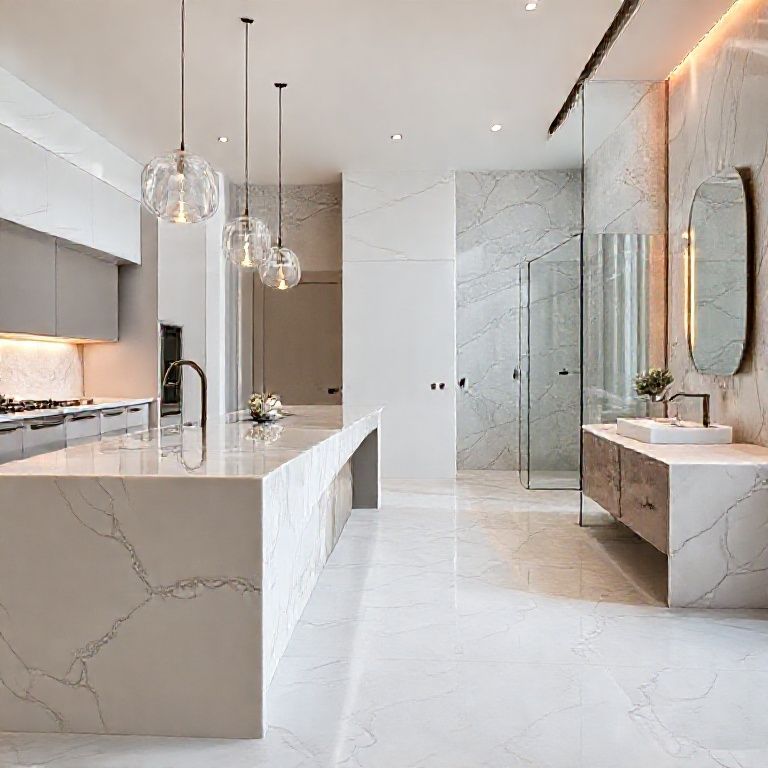
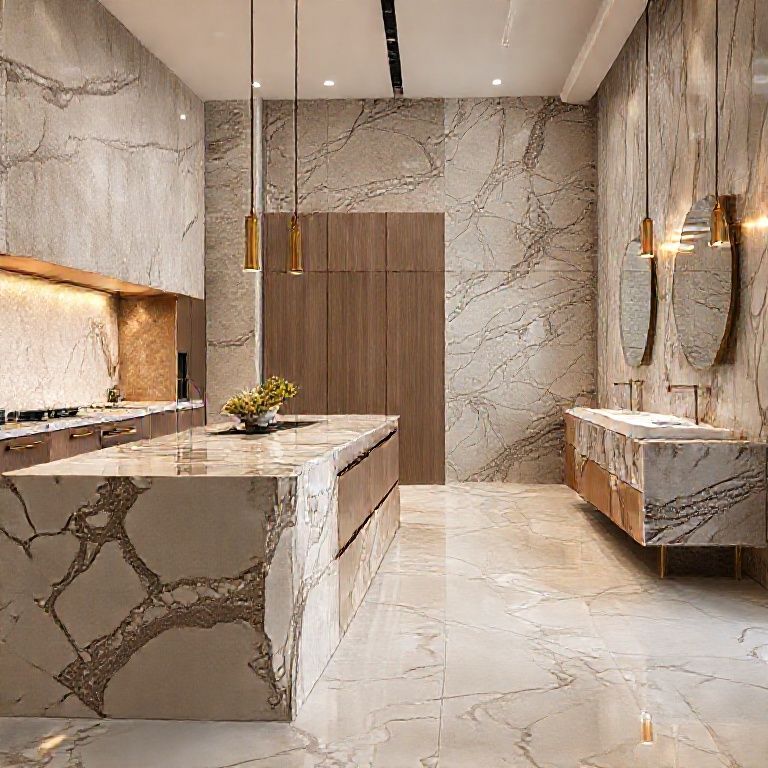
Designers love artificial marble for its customizable appearance. It can be used to create stunning focal points in living rooms, dining areas, and entryways. From sleek, modern designs to classic, traditional looks, artificial marble offers endless possibilities.
Commercial Spaces
In commercial settings, such as restaurants, offices, and retail spaces, artificial marble is used for countertops, bar tops, and reception desks. Its high durability and resistance to stains make it perfect for high-traffic areas.
Outdoor Applications
While artificial marble is typically used indoors, it can also be employed in outdoor settings such as patios, garden features, and outdoor kitchens. Its resistance to weather elements makes it a suitable choice for outdoor applications.
Conclusion
Artificial marble is a remarkable material that combines the beauty of natural stone with the practicality of modern manufacturing. Its versatility, durability, and cost-effectiveness make it an excellent choice for a wide range of applications. While the pricing of artificial marble can vary based on several factors, understanding these nuances can help you make an informed decision and achieve the perfect balance between quality and budget.
In the next part of this article, we will explore more in-depth insights into the long-term value of artificial marble, its environmental impact, and how to choose the best artificial marble for your specific needs. Stay tuned for more detailed information!
The Long-Term Value and Environmental Impact of Artificial Marble
Introduction
In the previous part of this article, we explored the composition, advantages, and pricing factors of artificial marble. Now, we delve deeper into the long-term value and environmental impact of this versatile material. Understanding these aspects can help you make a well-informed decision when selecting artificial marble for your home or commercial project.
Long-Term Value of Artificial Marble
Artificial marble offers excellent long-term value due to its durability, low maintenance requirements, and resistance to wear and tear. Here are some key points to consider:
Durability and Longevity
One of the most significant advantages of artificial marble is its durability. It is highly resistant to scratches, stains, and thermal shock, which means it can withstand the rigors of daily use without degrading over time. This makes artificial marble an excellent choice for high-traffic areas where durability is paramount.
Low Maintenance
Artificial marble is easy to clean and maintain. Unlike natural stone surfaces, it does not require sealing to protect against stains and scratches. This simplicity in maintenance reduces the long-term costs associated with upkeep, making artificial marble a cost-effective choice in the long run.
Aesthetic Consistency
Artificial marble offers a level of consistency in appearance that is hard to achieve with natural stone. Because it is manufactured in a controlled environment, you can expect uniform colors, patterns, and finishes across all pieces. This consistency### The Long-Term Value and Environmental Impact of Artificial Marble
Aesthetic Consistency
Artificial marble offers a level of consistency in appearance that is hard to achieve with natural stone. Because it is manufactured in a controlled environment, you can expect uniform colors, patterns, and finishes across all pieces. This consistency translates to a cohesive look throughout your space, enhancing the overall aesthetic.
Cost-Effectiveness Over Time
While the initial cost of artificial marble might be higher than some other materials, its low maintenance and durability mean that the long-term costs are significantly lower. Over time, the savings on maintenance and the reduced need for repairs make artificial marble a highly cost-effective choice.
Versatility in Design
The ability to customize artificial marble in terms of color, texture, and pattern means that it can be tailored to fit any design vision. Whether you prefer a modern, sleek look or a more traditional, luxurious finish, artificial marble can be designed to meet your exact specifications. This flexibility adds to its long-term value as it can adapt to changing design trends and preferences.
Environmental Impact of Artificial Marble
Artificial marble is often seen as a more sustainable alternative to natural stone due to several reasons. Here are some key points regarding its environmental impact:
Reduced Resource Depletion
Natural marble mining can have significant environmental impacts, including deforestation, habitat destruction, and water pollution. In contrast, artificial marble is manufactured using a controlled process that does not require the extraction of natural resources. This means that using artificial marble can help reduce the depletion of natural marble reserves and the associated environmental damage.
Lower Carbon Footprint
The production of artificial marble generally has a lower carbon footprint compared to natural stone. The process of extracting and transporting natural marble involves significant energy use and emissions. On the other hand, the manufacturing of artificial marble can be optimized to use less energy and produce fewer emissions, contributing to a more sustainable production cycle.
End-of-Life Considerations
Artificial marble can be recycled at the end of its life cycle. While the recycling process for artificial marble is not as well-established as for some other materials, ongoing advancements in recycling technologies make it increasingly feasible. This means that artificial marble can be repurposed or recycled, reducing waste and the need for new raw materials.
Reduced Water Usage
Natural stone extraction often requires significant water resources for quarrying and processing. In contrast, the manufacturing of artificial marble typically uses less water, contributing to more efficient water usage and reducing the environmental impact related to water resources.
Choosing the Best Artificial Marble for Your Needs
Selecting the right type of artificial marble for your project involves considering several factors to ensure you get the best value and performance. Here are some tips to help you make an informed decision:
Quality of Materials
Invest in artificial marble made from high-quality materials. The raw materials used in the manufacturing process significantly affect the durability, appearance, and performance of the final product. Look for suppliers that use premium stone powders and advanced resins.
Manufacturer Reputation
Choose a reputable manufacturer with a proven track record of quality and customer satisfaction. Established brands often offer better warranties, customer support, and assurance of consistent quality.
Customization Options
Artificial marble offers extensive customization options in terms of color, pattern, and texture. Discuss your design vision with the manufacturer to ensure they can create a product that meets your specific requirements.
Warranty and Guarantees
Check the warranty and guarantees offered by the manufacturer. A good warranty can provide peace of mind and cover potential issues that may arise over time, ensuring that you get the best value for your investment.
Application Suitability
Consider the specific application for which you are choosing artificial marble. Different types of artificial marble may have varying levels of durability and resistance to different types of wear and tear. Ensure that the material you choose is suitable for the intended use.
Conclusion
Artificial marble is a versatile, durable, and cost-effective material that offers significant long-term value and environmental benefits. Its durability, low maintenance, and aesthetic consistency make it an excellent choice for a wide range of applications. Additionally, its lower environmental impact compared to natural stone highlights its sustainability as a modern interior material.
When selecting artificial marble, consider factors such as material quality, manufacturer reputation, customization options, warranty, and suitability for the specific application. By making an informed decision, you can ensure that your choice of artificial marble will provide both aesthetic appeal and practical benefits for years to come.
In summary, artificial marble stands out as a smart, sustainable, and aesthetically pleasing option for modern interiors, offering a compelling blend of performance, durability, and environmental responsibility.