The Intricacies of Natural vs. Synthetic Marble: A Comprehensive Exploration
Marble, a timeless material celebrated for its beauty and versatility, has been a favorite in architecture and interior design for centuries. Whether it’s the majestic palaces of Italy, the grand temples of India, or the modern buildings of today, marble stands out for its elegance and sophistication. However, not all marble is created equal. The distinction between natural marble and synthetic marble is crucial for anyone looking to make an informed choice for their design projects.

Natural Marble: A Timeless Classic
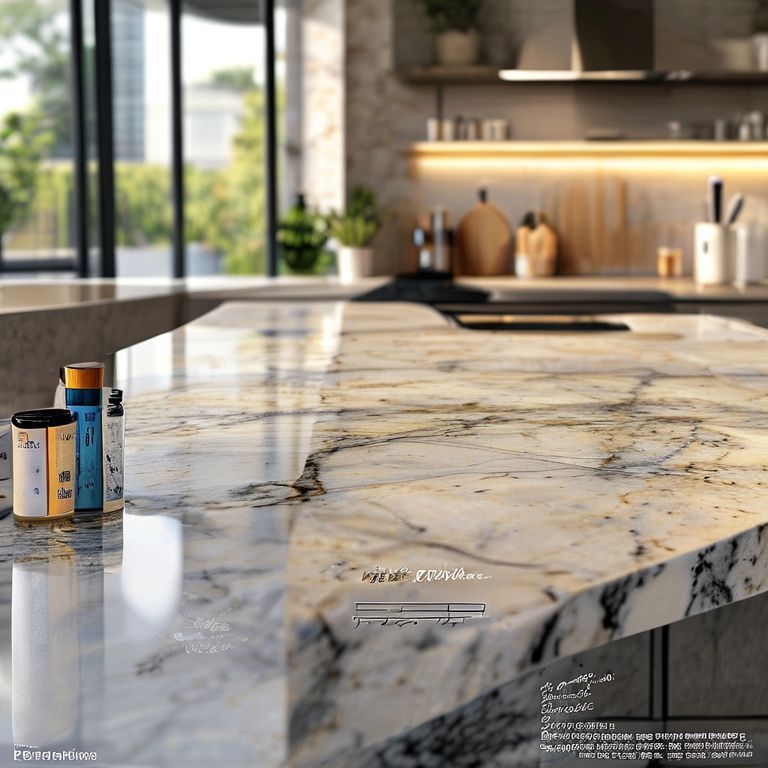
Natural marble is a metamorphic rock formed from limestone subjected to intense heat and pressure over millions of years. This process alters the original limestone, resulting in the stunning and unique patterns that characterize marble. Each piece of natural marble is unique, bearing its own distinct veining and color variations, which adds to its charm and appeal.
Quality and Uniqueness
One of the most significant aspects of natural marble is its unparalleled quality and uniqueness. Because it is a natural product, no two pieces are exactly alike. This uniqueness ensures that each piece of natural marble has its own character, making it an ideal choice for those who value individuality and authenticity. From the soft hues of Calacatta to the bold colors of Carrara, natural marble offers a vast palette of options, each telling its own story.
Durability and Maintenance
Natural marble is known for its durability and longevity. The intense heat and pressure that formed it make it a robust material, capable of withstanding the test of time. However, natural marble also requires careful maintenance to preserve its beauty. Regular sealing and cleaning are essential to prevent staining and etching, which can mar its surface. While the upkeep might seem demanding, the result is a pristine and enduring marble surface that can last for generations.
Synthetic Marble: Modern Marvel
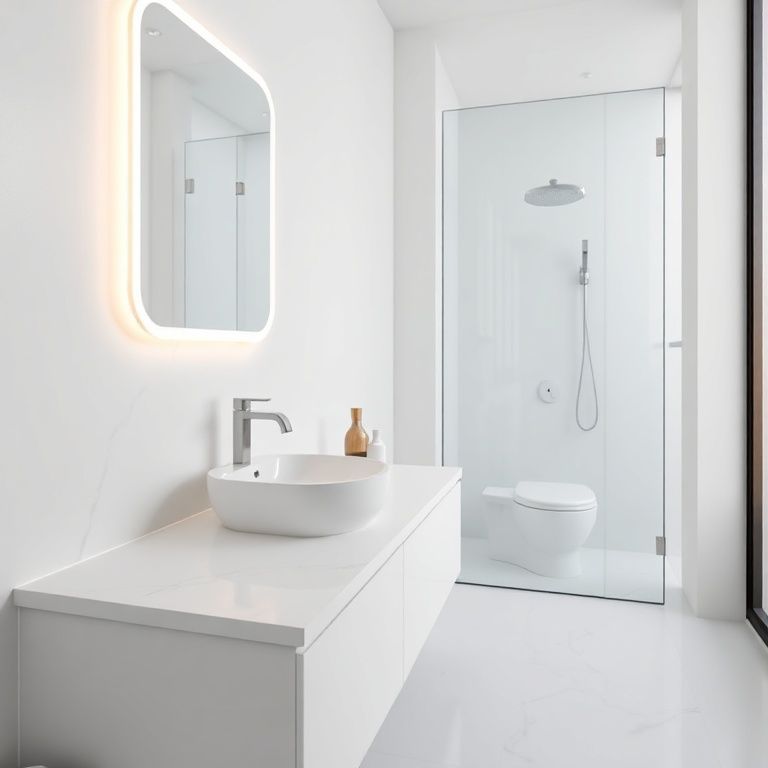
Synthetic marble, on the other hand, is a modern innovation that replicates the look and feel of natural marble without the need for natural resources. Created through advanced manufacturing techniques, synthetic marble combines resin, pigments, and other materials to produce a surface that mimics the appearance of natural marble.
Customization and Versatility
One of the standout features of synthetic marble is its versatility and customization options. Manufacturers can precisely control the color, texture, and pattern of synthetic marble, allowing for an endless range of designs. This flexibility makes it possible to create custom pieces that perfectly match specific aesthetic requirements. Whether you want a piece that mimics the exact look of a rare natural marble or a completely new design, synthetic marble can deliver.
Durability and Maintenance
In terms of durability, synthetic marble often outperforms natural marble. The manufacturing process allows for the creation of a more homogeneous material, which can be less prone to staining and etching. While synthetic marble still requires regular cleaning to maintain its appearance, it generally demands less frequent sealing than natural marble. This makes it a practical choice for high-traffic areas where maintenance can be challenging.
Cost Considerations
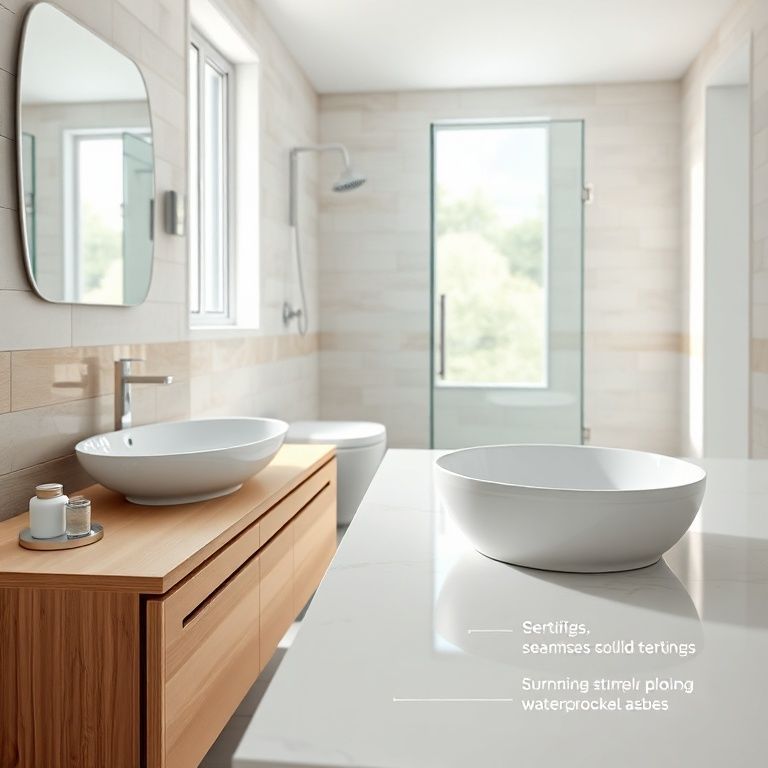
When it comes to cost, synthetic marble can be more affordable than natural marble, especially when considering the cost of quarrying, transportation, and maintenance. For projects where budget constraints are a concern, synthetic marble offers a cost-effective alternative without compromising on aesthetics.
Environmental Impact
The environmental impact of marble is another important consideration. Natural marble mining can have significant ecological consequences, including habitat destruction and pollution. Synthetic marble, on the other hand, offers a more sustainable option. By using recycled materials and reducing the need for natural quarrying, synthetic marble helps minimize the environmental footprint associated with traditional marble.
Applications: Where Each Shines
Both natural and synthetic marble have their unique applications, dictated by their characteristics and benefits.
Natural Marble in Architecture and Design
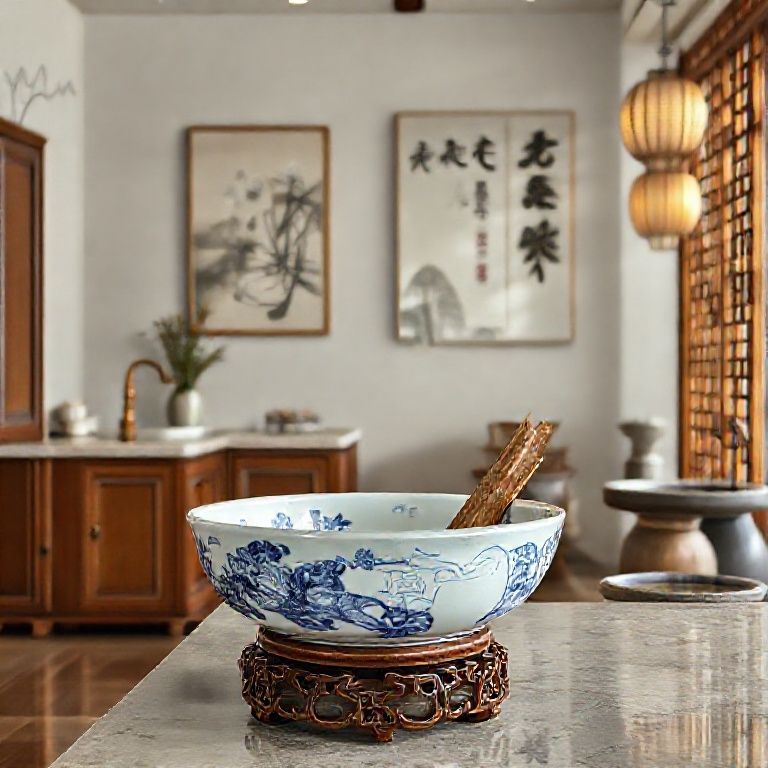
Natural marble is often favored in high-end architectural projects, where its unique beauty and timeless appeal are paramount. It is commonly used in:
Luxury Interiors: High-end homes, hotels, and restaurants often feature natural marble for its elegance and sophistication. Monuments and Sculptures: Marble’s beauty makes it ideal for monumental structures and sculptures, where its natural veining and color variations add to its artistic value. Public Buildings: Government buildings, museums, and libraries use natural marble to convey a sense of grandeur and permanence.
Synthetic Marble in Modern Design
Synthetic marble is increasingly popular in modern design for its practicality and versatility. It is commonly used in:
Commercial Spaces: Offices, retail spaces, and commercial kitchens benefit from the durability and low maintenance of synthetic marble. Innovative Designs: Designers are increasingly using synthetic marble to create innovative and custom designs that push the boundaries of traditional aesthetics. Budget-Friendly Projects: For projects where cost is a major factor, synthetic marble offers an attractive alternative without sacrificing appearance.
Conclusion
The choice between natural and synthetic marble ultimately depends on your specific needs, budget, and design preferences. Natural marble offers unparalleled beauty and uniqueness, making it ideal for high-end projects where authenticity and elegance are paramount. Synthetic marble, with its customization options, durability, and lower maintenance, is a practical choice for modern design and budget-conscious projects.
In the next part of our exploration, we will delve deeper into the aesthetics, environmental impact, and future trends of these two remarkable materials.
The Intricacies of Natural vs. Synthetic Marble: A Comprehensive Exploration
Aesthetics and Design
The aesthetic appeal of marble is one of its most compelling features. Whether you are looking at the intricate veining of a piece of natural marble or the precise patterns of synthetic marble, both materials offer stunning visual experiences.
Natural Marble: Timeless Beauty
Natural marble’s beauty lies in its uniqueness and natural patterns. The subtle variations in color and the organic veining that occur naturally during its formation make each piece one-of-a-kind. This natural beauty is what makes natural marble a favorite among those who appreciate the authentic and timeless appeal of traditional materials. The rich, earthy tones and the subtle luster of natural marble create a warm and inviting atmosphere, perfect for luxury interiors.
Synthetic Marble: Precision and Creativity
Synthetic marble offers a different kind of beauty. Through advanced manufacturing techniques, synthetic marble can replicate the appearance of natural marble with remarkable precision. Designers have the freedom to experiment with colors, textures, and patterns that would be impossible to achieve with natural marble. This allows for a level of creativity and customization that can cater to the most specific design requirements. Synthetic marble can mimic the look of rare natural marbles or create entirely new and innovative designs.
Environmental Impact
The environmental impact of marble is a significant consideration in today’s world, where sustainability is more important than ever.
Natural Marble: Mining and Sustainability
The production of natural marble involves quarrying, which can have substantial environmental consequences. Quarrying can lead to habitat destruction, soil erosion, and pollution. Additionally, the transportation of natural marble, which often requires long distances, contributes to carbon emissions. These factors make natural marble less sustainable compared to synthetic alternatives.
Synthetic Marble: Eco-Friendly Production
Synthetic marble offers a more eco-friendly alternative. The manufacturing process for synthetic marble often involves using recycled materials and reducing the need for natural quarrying. This not only minimizes environmental impact but also makes synthetic marble a more sustainable choice. By opting for synthetic marble, you are contributing to a more environmentally responsible approach to material selection.
Future Trends
As we look to the future, both natural and synthetic marble continue to evolve, with new trends and innovations shaping their use in design and architecture.
Innovations in Natural Marble
Innovations in natural marble are focused on enhancing its sustainability and reducing its environmental impact. Advances in technology are leading to more efficient quarrying methods and better ways to transport and utilize natural marble with minimal waste. Additionally, there is a growing emphasis on preserving natural marble resources, with efforts to reduce over-extraction and promote sustainable quarrying practices.
Advancements in Synthetic Marble
The future of synthetic marble lies in further advancements in manufacturing technology. Innovations are focused on improving the durability, aesthetic quality, and sustainability of synthetic marble. Researchers are developing new techniques to enhance the life span of synthetic marble and reduce its environmental footprint. Additionally, synthetic marble is increasingly being used in combination with natural materials, creating hybrid solutions that offer the best of both worlds.
Conclusion
As we conclude our comprehensive exploration of natural vs. synthetic marble, it is clear that both materials have unique benefits and applications that cater to different needs and preferences. Natural marble’s timeless beauty and authenticity make it a preferred choice for luxury projects where elegance and individuality are valued. Synthetic marble’s versatility, durability, and sustainability offer practical and innovative solutions for modern design.
Ultimately, the choice between natural and synthetic marble depends on your specific project requirements, budget, and design vision. Whether you opt for the classic beauty of natural marble or the modern versatility of synthetic marble, both materials offer stunning possibilities for your design and architectural projects.
By understanding the intricacies and benefits of each, you can make an informed decision that aligns with your aesthetic goals and sustainability considerations. In the ever-evolving world of design and architecture, marble continues to be a timeless material that captivates and inspires.
The Future of Marble in Design and Architecture
As we look to the future, both natural and synthetic marble will continue to play significant roles in the world of design and architecture. The dynamic interplay between tradition and innovation will shape how these materials are used, enhancing their appeal and functionality.
Sustainability and Ethical Sourcing
Sustainability will remain a central focus in the marble industry. Both natural and synthetic marble producers are increasingly adopting ethical sourcing practices to minimize environmental impact. For natural marble, this includes sustainable quarrying practices that protect ecosystems and wildlife. For synthetic marble, it means reducing waste and energy consumption during manufacturing.
Advancements in Technology
Technological advancements will continue to influence the production and application of both natural and synthetic marble. Innovations in 3D printing and additive manufacturing are opening new possibilities for creating complex marble designs with both materials. These technologies allow for more precise and efficient production processes, reducing waste and improving the overall quality of the final product.
Integration of Smart Materials
The integration of smart materials into marble is another exciting trend. Smart marble can incorporate sensors and other technologies to enhance functionality. For example, marble flooring with integrated heating systems can provide comfort and convenience in residential and commercial spaces. This fusion of traditional aesthetics with modern technology demonstrates the versatility and potential of marble in future design applications.
Cultural and Historical Significance
Marble has a long and storied history in architecture and design, with cultural and historical significance that continues to inspire. From the ancient ruins of Rome to the grand palaces of India, marble has been a symbol of luxury, power, and artistry. As we move forward, the cultural and historical legacy of marble will continue to influence its use in contemporary projects, ensuring that its timeless appeal remains relevant.
Personalization and Customization
The trend toward personalization and customization will likely drive the use of both natural and synthetic marble. Customers will have more options to tailor marble to their specific design needs, whether it’s through custom colors, patterns, and finishes. This trend is particularly evident in synthetic marble, where manufacturers can create bespoke designs that cater to unique aesthetic requirements.
Market Trends and Consumer Preferences
Market trends and consumer preferences will also shape the future of marble. As design becomes more globalized, there will be a greater demand for versatile and adaptable materials. Marble’s ability to fit into various design styles, from traditional to modern, makes it a popular choice. Consumers will continue to seek out materials that offer both beauty and practicality, driving innovations that meet these dual requirements.
Conclusion
The future of marble in design and architecture is bright, with both natural and synthetic marble poised to play significant roles. As sustainability, technology, and personalization continue to drive innovation, marble will remain a versatile and enduring material. Whether you are designing a historic restoration project, a modern office space, or a luxury home, marble offers a timeless and elegant solution that can meet your aesthetic and functional needs.
By understanding the intricacies of natural and synthetic marble, you can make informed decisions that enhance your design projects. The ongoing evolution of these materials ensures that marble will continue to captivate and inspire for generations to come.
In this comprehensive exploration, we have delved into the various aspects of natural and synthetic marble, from their aesthetic appeal and environmental impact to their future trends and innovations. Whether you are an architect, designer, or simply a lover of beautiful materials, understanding the nuances of these two types of marble will empower you to make informed choices that enhance your projects and align with your values.