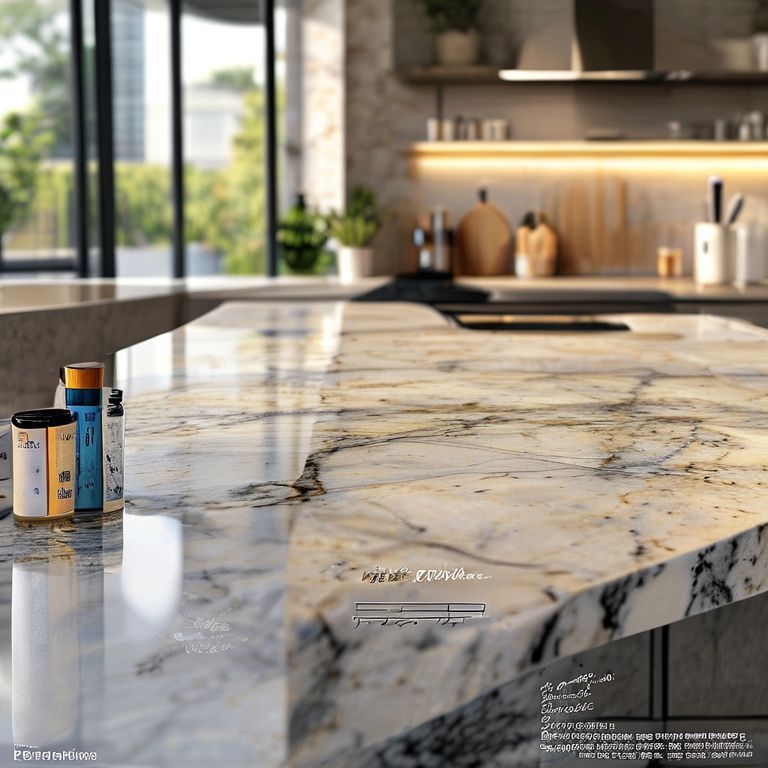
The Intriguing World of Artificial Marble: Unveiling Its Composition and Applications
Artificial marble, often referred to as synthetic or cultured stone, has emerged as a revolutionary material in the world of interior and exterior design. Unlike traditional marble, which is a natural stone, artificial marble is created through a meticulous manufacturing process that combines various materials to mimic the look and feel of natural stone while offering superior performance.

What is Artificial Marble Made Of?
At its core, artificial marble is a composite material made primarily from a combination of quartz, resin, and pigments. The manufacturing process involves several steps:
Quartz Aggregate: The primary component of artificial marble is crushed quartz, which provides the material with its characteristic hardness, durability, and resistance to staining. The quartz is ground into fine particles and then mixed with a resin binder.
Resin Binder: A polymer resin is used to bind the quartz particles together. The resin ensures that the material holds its shape and resists chipping, cracking, and other forms of damage.
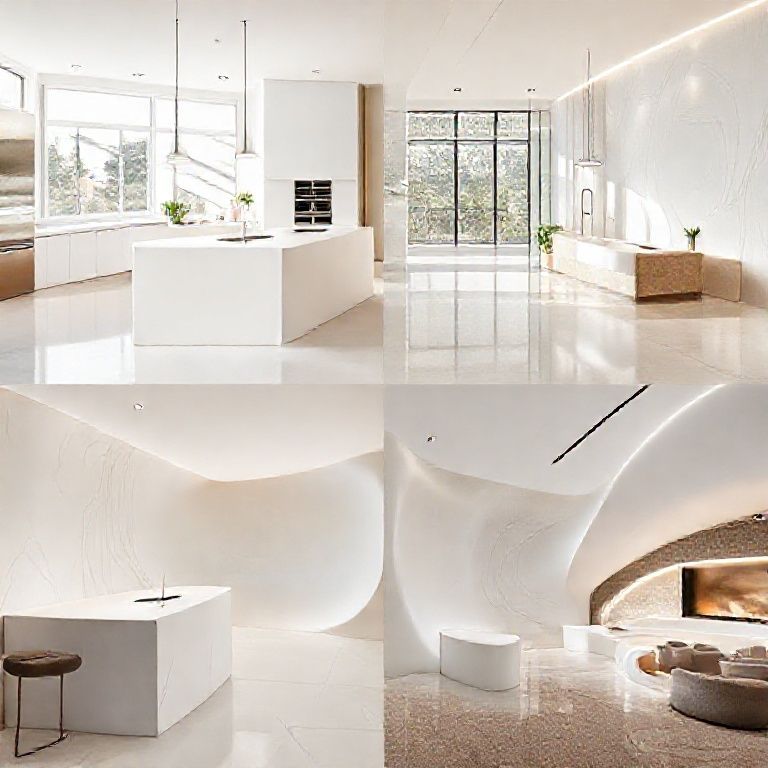
Pigments: To achieve the rich, varied colors found in natural marble, pigments are added to the mixture. These pigments are carefully selected to create a wide array of hues that can closely replicate the appearance of natural stone.
Catalyst: A catalyst is introduced to initiate the curing process, which hardens the resin and binds the quartz particles together into a solid, cohesive structure.
Advantages Over Natural Marble
Artificial marble offers numerous benefits over traditional natural marble, making it an increasingly popular choice for both residential and commercial projects:
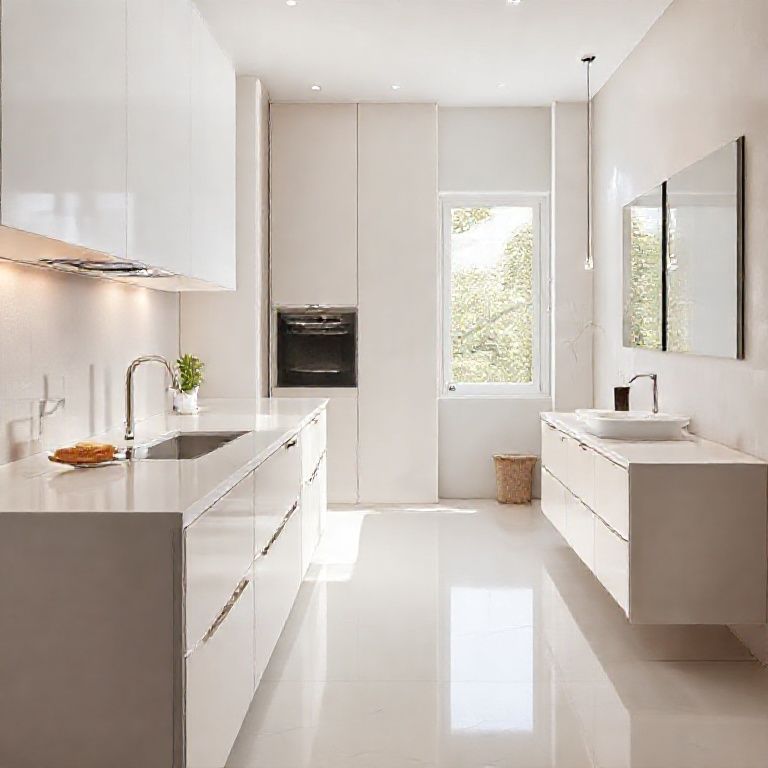
Durability: One of the most significant advantages of artificial marble is its superior durability. The combination of quartz and resin creates a material that is highly resistant to scratches, stains, and chips. This makes it ideal for high-traffic areas where durability is crucial.
Low Maintenance: Unlike natural marble, artificial marble does not require sealing or regular maintenance to maintain its appearance. It is resistant to acids, oils, and other common stains, which means it can withstand the rigors of daily use without showing signs of wear.
Cost-Effective: Artificial marble is often more affordable than natural marble. The cost savings are due to the reduced labor and material costs involved in its production. Additionally, its longevity reduces the need for frequent replacements, further lowering long-term costs.
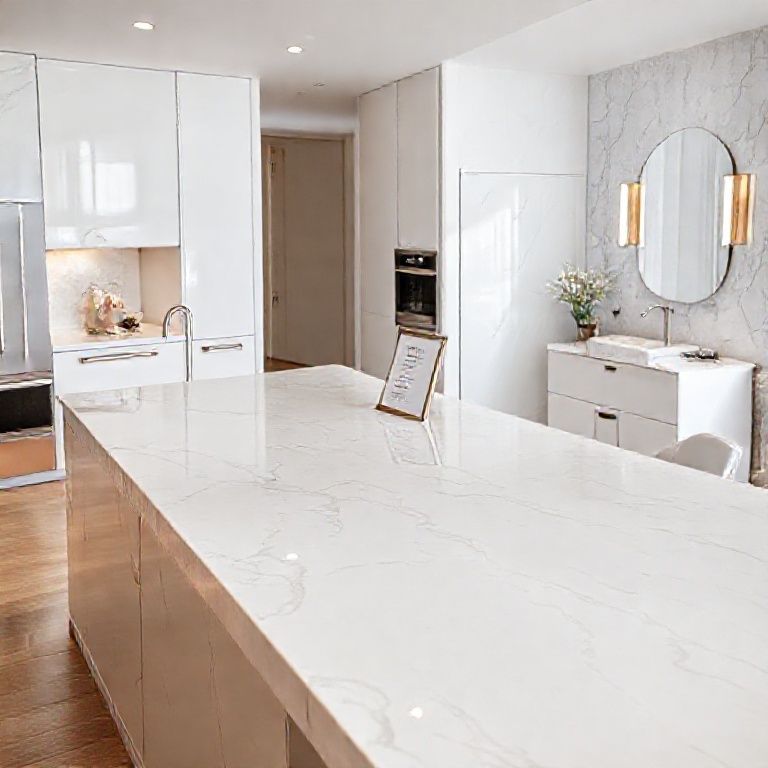
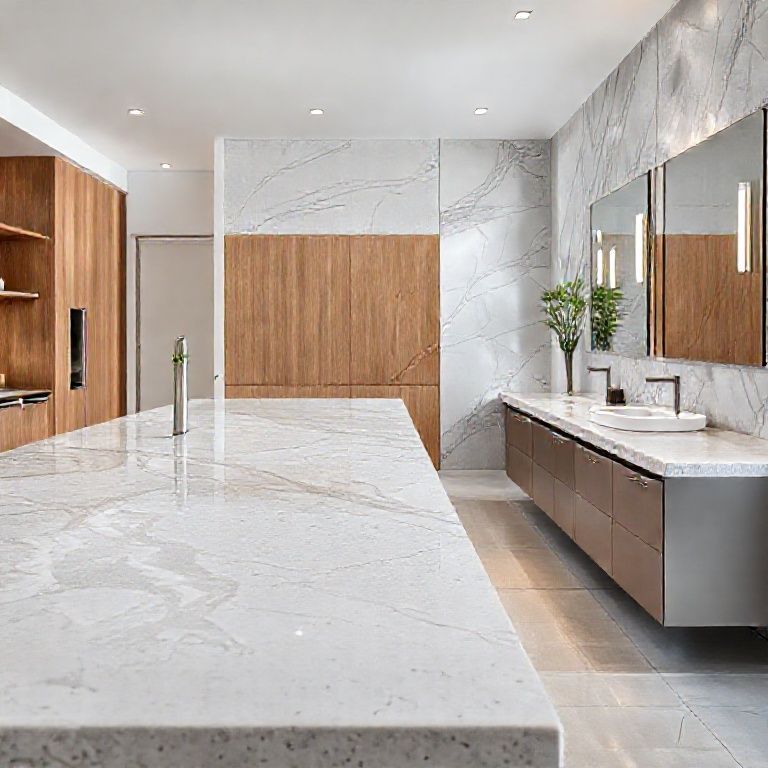
Design Flexibility: Artificial marble offers virtually limitless design possibilities. It can be molded into various shapes and sizes and can mimic the appearance of a wide range of natural stones, including marble, granite, and even wood. This flexibility makes it an excellent choice for custom designs and unique architectural features.
Applications of Artificial Marble
The versatility of artificial marble has led to its widespread use in numerous applications, from residential interiors to commercial spaces. Here are some of the most common uses:
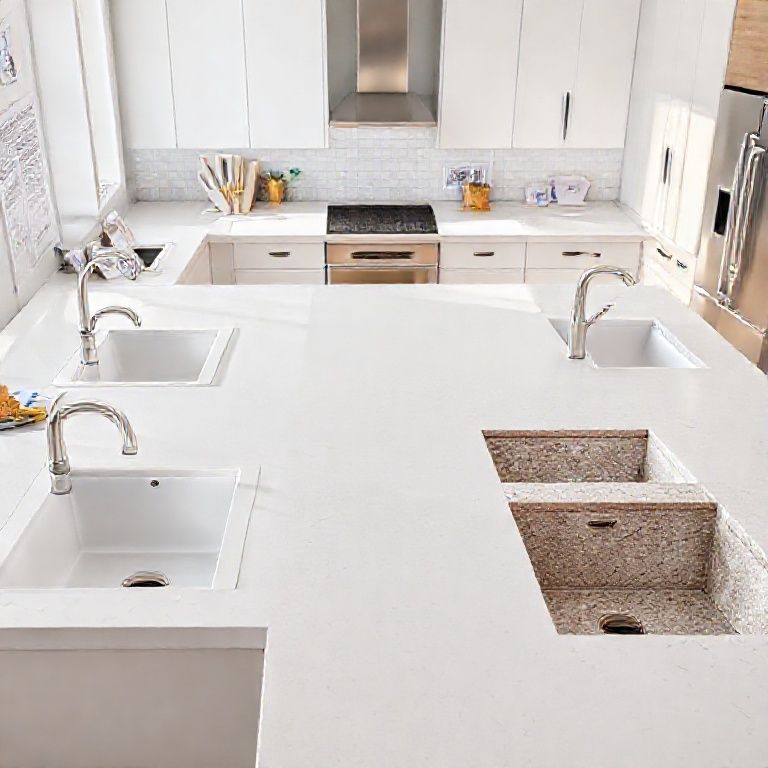
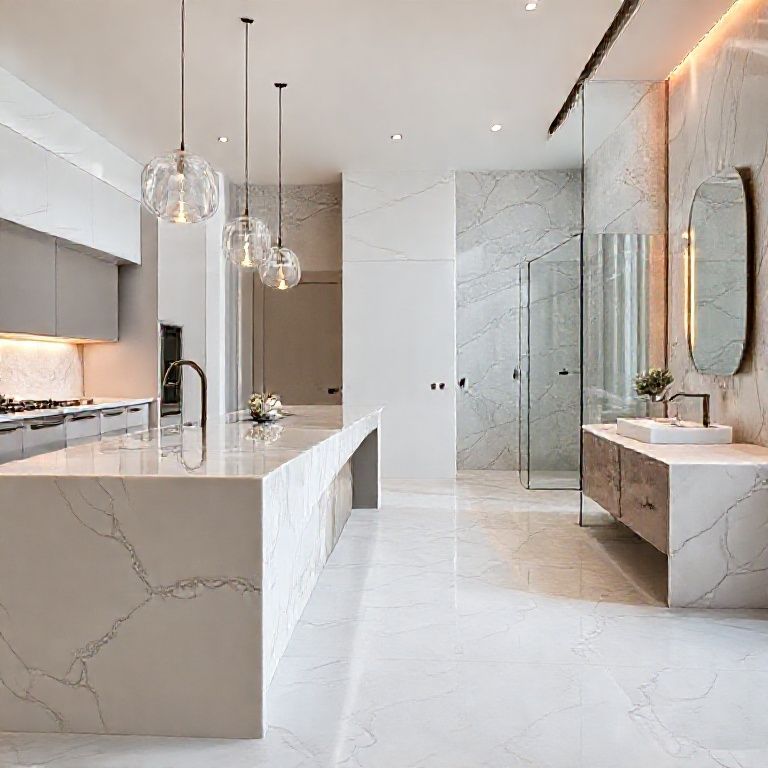
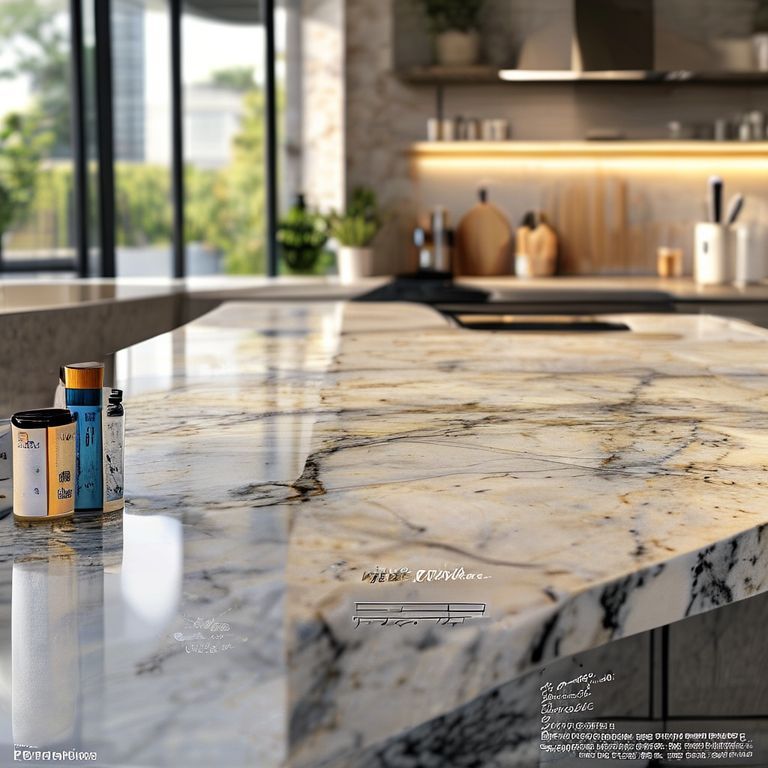
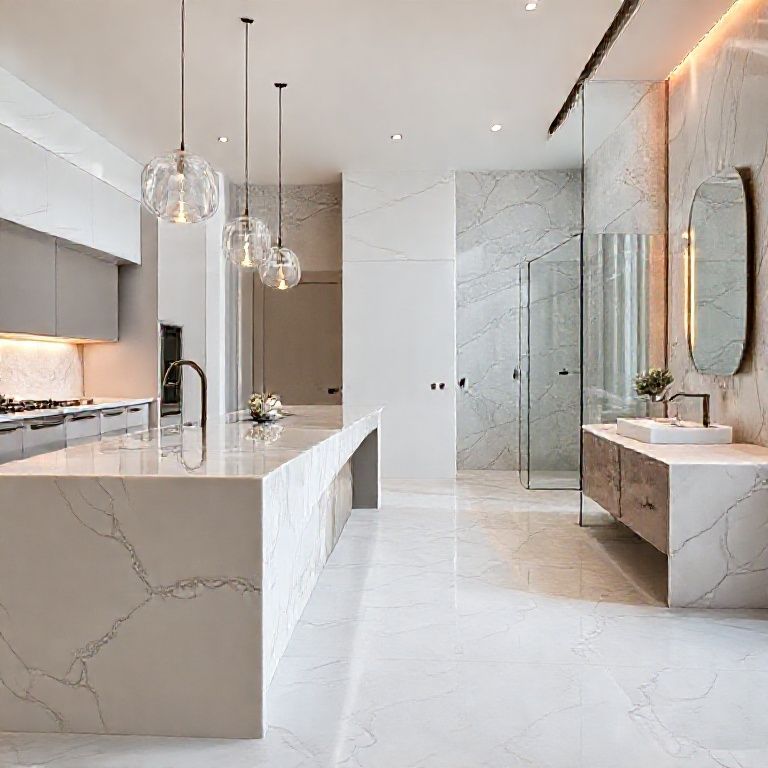
Countertops: Artificial marble is a popular choice for kitchen and bathroom countertops. Its durability, resistance to staining, and ease of cleaning make it an ideal material for these high-use areas. Additionally, its variety of colors and patterns allows homeowners to choose a design that complements their aesthetic preferences.
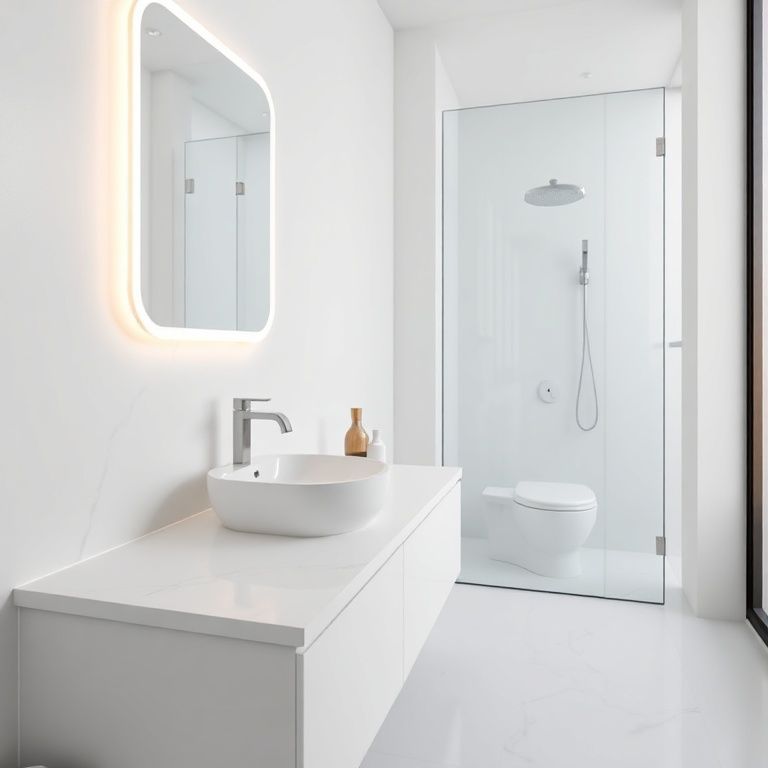
Vanity Tops: In bathroom design, artificial marble is often used for vanity tops. Its sleek, modern appearance and ease of maintenance make it a favored choice among designers and homeowners alike.
Tables and Dining Sets: Artificial marble is also used to create stunning tables and dining sets. Its ability to mimic the look of natural stone while offering superior strength makes it a durable option for dining furniture.
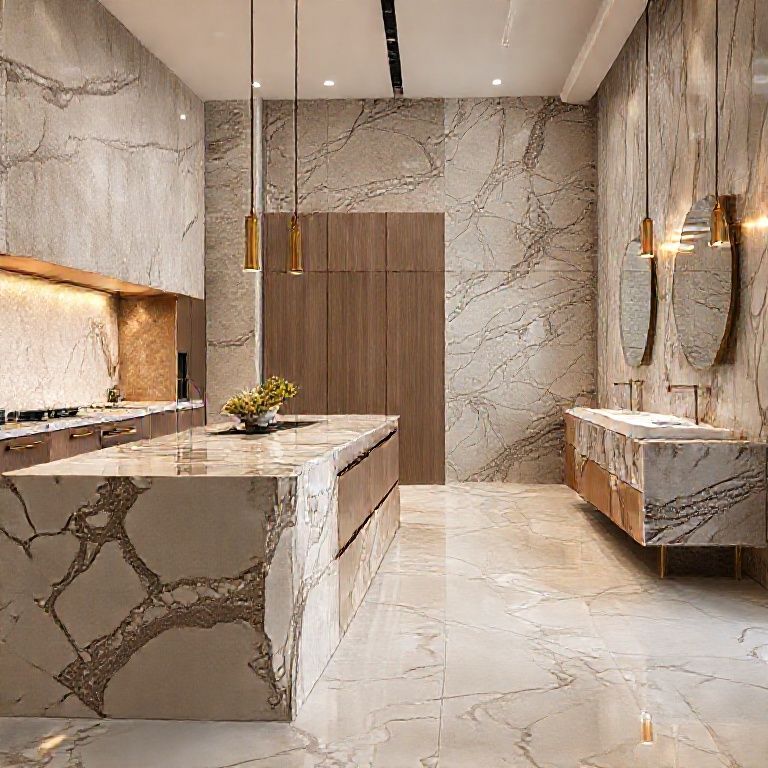
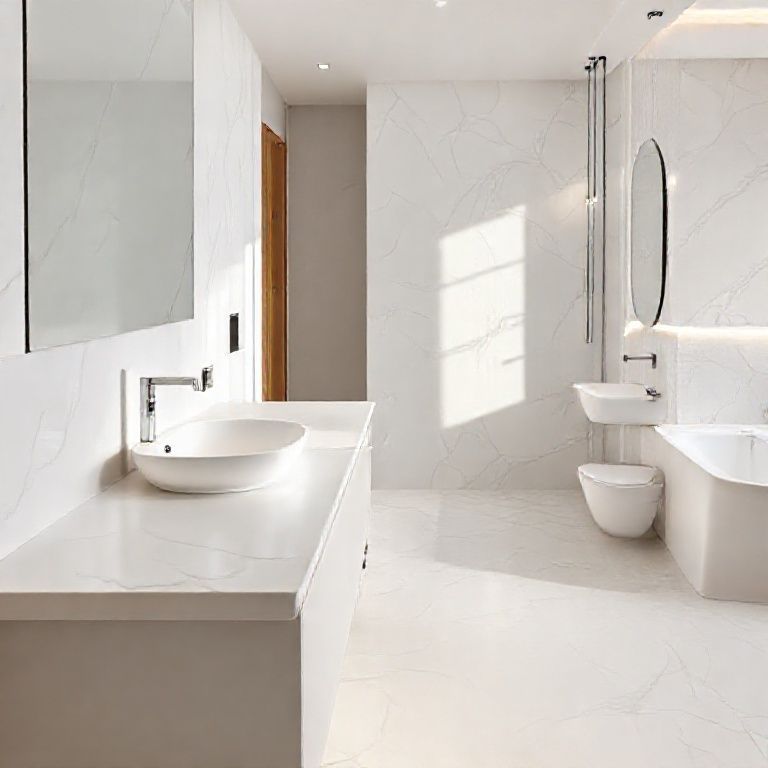
Wall Cladding: For a more dramatic effect, artificial marble can be used as wall cladding. Its textured, stone-like appearance can add a touch of elegance and sophistication to interior and exterior spaces.
Feature Walls: Artificial marble is often used to create striking feature walls in homes and commercial buildings. Its versatility allows it to be molded into intricate designs and patterns, creating focal points that enhance the overall design.
Architectural Elements: Beyond functional applications, artificial marble is used in various architectural elements, such as columns, balustrades, and decorative panels. Its ability to replicate the look of natural stone without the associated costs and maintenance makes it an attractive option for architects and designers.
Conclusion
Artificial marble represents a significant advancement in the world of design materials. Its combination of durability, low maintenance, and design flexibility has made it a popular choice for a wide range of applications. Whether used in residential interiors or commercial spaces, artificial marble offers a cost-effective and aesthetically pleasing alternative to traditional natural marble. As the demand for this versatile material continues to grow, it is clear that artificial marble is poised to play an increasingly important role in the future of design and construction.
The Evolution and Versatility of Artificial Marble in Modern Design
In the ever-evolving landscape of modern design, artificial marble has made a significant impact by offering a blend of aesthetics, durability, and functionality. This material has not only transformed traditional design concepts but has also set new standards for innovation and sustainability in the industry.
The Evolution of Artificial Marble
Artificial marble has undergone significant evolution since its inception. Initially developed to replicate the appearance of natural marble, it has since evolved to incorporate advanced materials and technologies that enhance its performance and versatility.
Early Developments: The concept of creating a synthetic stone dates back to the early 20th century. However, the early versions lacked the durability and aesthetic fidelity of natural marble. It wasn’t until the mid-20th century that advancements in polymer technology allowed for the creation of a material that more closely resembled natural stone.
Material Innovations: The introduction of high-quality resins and advanced curing processes in the late 20th century marked a significant milestone in the evolution of artificial marble. These innovations enabled the creation of a material that was not only visually similar to natural marble but also significantly more durable and resistant to damage.
Modern Advancements: Today’s artificial marble is the result of cutting-edge research and development. Modern formulations include advanced polymers, nanotechnology, and innovative pigment technologies that allow for a wider range of colors and finishes. These advancements have made artificial marble a highly versatile material suitable for a variety of applications.
Versatility in Design Applications
The versatility of artificial marble has made it a favorite among designers and architects. Its ability to mimic the appearance of natural stone while offering superior performance has led to its use in a wide range of design contexts.
Residential Interiors: In residential settings, artificial marble is often used for countertops, vanities, and backsplashes. Its durability and ease of maintenance make it an ideal choice for homeowners looking for a low-maintenance yet aesthetically pleasing material. The variety of colors and patterns available allows for a personalized touch that complements the homeowner’s style.
Commercial Spaces: In commercial spaces, artificial marble is used for a variety of applications, including reception desks, office partitions, and showroom displays. Its ability to withstand high levels of traffic and resist stains makes it a practical choice for commercial environments. Additionally, its versatility allows it to be incorporated into custom designs that enhance the overall aesthetic of the space.
Architectural Elements: Artificial marble’s versatility extends to architectural elements such as columns, balustrades, and decorative panels. Its ability to replicate the look of natural stone without the associated costs and maintenance makes it an attractive option for architects looking to create striking design features.
Outdoor Applications: While traditionally used indoors, artificial marble has also found applications in outdoor settings. Its durability and resistance to weathering make it suitable for outdoor furniture, planters, and decorative features. This expansion into outdoor applications highlights the material’s versatility and adaptability to different environments.
Future Trends in Artificial Marble
As the design industry continues to evolve, so does the development and application of artificial marble. Here are some of the future trends that are shaping the material’s trajectory:
Sustainability: With a growing emphasis on sustainability in design, artificial marble is increasingly being produced with eco-friendly materials and processes. Advances in recycling and the use of recycled content in production are making artificial marble a more sustainable option.
Customization: The future of artificial marble lies in its ability to be customized to meet specific design requirements. Innovations in pigment technology and manufacturing processes are allowing for the creation of bespoke designs that can closely match specific aesthetic goals.
Smart Materials: The integration of smart materials into artificial marble is another exciting trend. These advancements could include materials that change color based on temperature or respond to environmental conditions, offering new possibilities for dynamic and interactive design.
4.4. Enhanced Durability: Ongoing research into improving the durability of artificial marble is likely to yield materials that offer even greater resistance to wear, stains, and other forms of damage. This will make artificial marble even more practical for a wider range of applications.
New Design Aesthetics: As technology advances, new design aesthetics are being explored for artificial marble. This includes the development of textures and finishes that can mimic natural stone more closely, as well as innovative patterns and shapes that push the boundaries of traditional design.
The Role of Artificial Marble in Sustainable Design
As the world moves towards more sustainable and environmentally friendly practices, artificial marble is playing an increasingly important role. Here’s how it contributes to sustainable design:
Reduced Environmental Impact: Traditional marble mining has significant environmental impacts, including habitat destruction and pollution. Artificial marble, on the other hand, is produced using less resource-intensive processes, reducing the environmental footprint associated with its creation.
Recycling and Reusability: Many components of artificial marble, such as quartz and resin, can be recycled. This makes the material more sustainable over its lifecycle, reducing waste and the need for new raw materials.
Lower Water Usage: The production of natural marble often involves significant water usage, both in the mining process and in the polishing and cutting stages. Artificial marble production typically requires less water, contributing to more efficient water usage.
Energy Efficiency: The manufacturing process for artificial marble often requires less energy compared to natural marble, making it a more energy-efficient choice.
Conclusion
Artificial marble is more than just a material that mimics natural stone; it is a versatile, durable, and sustainable option that is revolutionizing the world of design. Its evolution from a basic imitation to a sophisticated material with advanced properties has opened up new possibilities for architects, designers, and homeowners. As technology continues to advance, artificial marble is poised to play an even greater role in shaping the future of design, offering both aesthetic appeal and practical benefits.
The future of artificial marble looks promising, with ongoing innovations aimed at enhancing its performance, sustainability, and customization. Whether used in residential, commercial, or architectural applications, artificial marble is set to redefine modern design and contribute to a more sustainable world.